REVIEW · BUDAPEST
Private Jewish Heritage Tour including Hotel Pickup
Book on Viator →Bookable on Viator
Budapest has layers, and this walk helps you see them fast. A private Jewish heritage tour pairs a real guide with key sites around Dohány Street Synagogue, memorials, and the Jewish quarters of Pest.
I especially like the synagogue interiors on both the Small and Essential routes, and the fact that you do more than just look at buildings. You also get time at the Jewish Museum and Jewish Centre, where the story turns human and specific.
One possible drawback: the shorter options skip some well-known add-ons you might be hoping for, like certain Holocaust-focused stops or the Danube shoes area. You can still get a strong overview, but plan your expectations based on which route you choose.
In This Review
- Key highlights worth choosing this tour for
- Why this Private Jewish Heritage walk fits Budapest so well
- Price and what you get from the $191.72 per person value
- Picking your route: Small, Essential, or Grand
- Small Tour (2 hours): Jewish Museum to Dohány interiors and memorials
- Stop: Jewish Museum plus Holocaust room
- Dohány Street Synagogue interior
- Memorials that turn names into place
- Essential Tour (2.5 hours): Deák Ferenc Square, Jewish market context, and Pest streets
- Gábor Sztehlo monument
- Grand Tour (4.5 hours): Carl Lutz, Kazinczy interior, Orthodox Jewish Quarter, and Fröhlich cake
- Carl Lutz memorial park
- Gozsdu Passage and the Orthodox Jewish Quarter
- Kazinczy Street Synagogue interior
- Kosher cake at Fröhlich Confectionery
- Entering Dohány Street Synagogue: what to watch for
- Memorial stops: Raoul Wallenberg and the Tree of Life
- Raoul Wallenberg Memorial Park
- Tree of Life Memorial
- Jewish Museum and Family Research Center: why this part matters
- Getting the most from your guide without needing to be an expert
- Hotel pickup and timing: how to avoid day-of stress
- Who should book this tour (and who might want another option)
- Should you book this Private Jewish Heritage Tour?
- FAQ
- How long is the tour?
- Does the tour include hotel pickup?
- Which synagogues are included?
- Is the cake included?
- Can I choose my start time?
- Is the tour in English?
- Is this a private tour?
Key highlights worth choosing this tour for
- Hotel pickup: you start without wrestling with transit or finding the exact meeting spot.
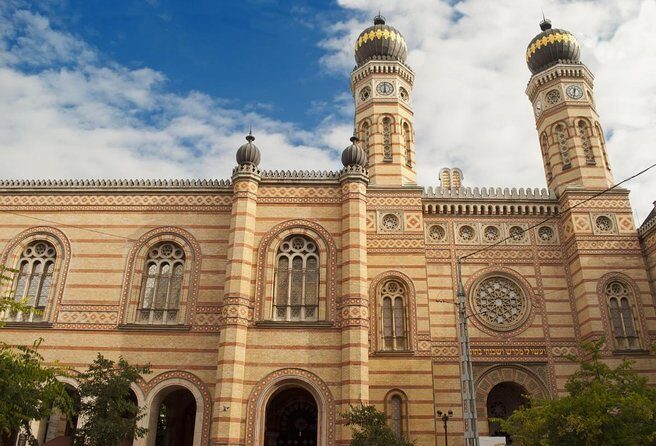
- Dohány Street Synagogue inside visit: you see the interior, not just the outside photo angle.
- Memorial stops that explain why names matter: Raoul Wallenberg and the Tree of Life are part of the route, not a quick glance.
- Three route lengths: Small (2h), Essential (2.5h), or Grand (4.5h) lets you match your time and energy.
- Grand Tour adds Kazinczy interior plus kosher cake: it includes a break at Fröhlich Confectionery for cake.
- Guides make it personal: many guides are praised for pacing and for tailoring the walk, like Benjamin, Petra, Greta, and Fatima.
Why this Private Jewish Heritage walk fits Budapest so well
Budapest’s Jewish story isn’t tucked away in one museum. It’s spread across streets, courtyards, synagogues, memorials, and cultural corners—especially around the Dohány Street area in Pest.
This tour works because it stitches those pieces together into a route your guide can explain. One moment you’re looking at a major synagogue. The next you’re standing by memorials like Raoul Wallenberg and the Tree of Life, where the facts stop being abstract. Then you move into the Jewish Museum and, on the longer routes, deeper into the broader Jewish quarters.
A big plus for me is the private format. You’re not trying to keep up with a crowd while trying to ask one good question. People praised guides like Benjamin for being relatable and going out of their way, and Petra for pacing and sensitivity around pauses for photos. That kind of guide-control matters in a walk this emotional.
You can also read our reviews of more private tours in Budapest



Price and what you get from the $191.72 per person value
At $191.72 per person, this isn’t a budget “quick stop” tour. But it is private, it includes hotel pickup, and it bundles entry for major sites.
What you’re paying for, in practical terms:
- Professional local guide (private, so you’re not sharing attention)
- Hotel pickup
- Admission to Dohány Street Synagogue (included)
- Admission to Kazinczy Street Synagogue (included, on the Grand route)
- A flexible itinerary, where you can tell the guide what you want more or less of
If you’re visiting on a day when you want structure—without spending your time figuring out entry tickets and timing—this price starts to make sense. It’s also easier when you’re not traveling with an extra person who can “manage logistics” while everyone else listens.
If you’re the type who wants total freedom, you can DIY this area. But if you want your questions answered as you walk, this tour is built for that.
Picking your route: Small, Essential, or Grand
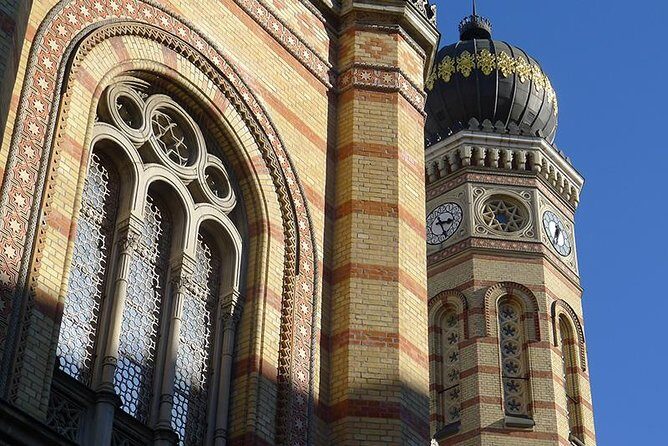
You have three options, and the differences are mostly about depth and how far you go.
- Small Tour (about 2 hours): tight and focused around the Jewish Museum area, the Dohány Street Synagogue interior, and major memorials.
- Essential Tour (about 2.5 hours): adds key Pest locations like Deák Ferenc Square and Madách Square, plus more street context before rejoining the core route.
- Grand Tour (about 4.5 hours): goes further into the Jewish quarter, includes the Carl Lutz memorial park, the Orthodox Jewish area, and the Kazinczy Street Synagogue interior, with kosher cake added as a break.
That flexibility is helpful. If your legs are tired, the Small route can still feel complete. If you want the longer arc—more neighborhoods, more architecture, more context—the Grand route gives you room to breathe.
Small Tour (2 hours): Jewish Museum to Dohány interiors and memorials
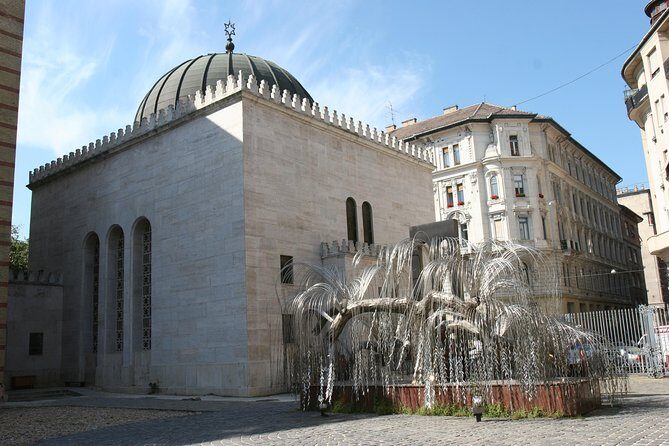
This is the option I’d recommend if you want a strong core experience without feeling like you’re rushing.
Stop: Jewish Museum plus Holocaust room
You start at the Jewish Museum with a local guide and spend time with art and collections tied to Hungarian Jewish heritage. The route also includes a separate Holocaust room, which shifts the mood from cultural context to the reality of what happened in Hungary.
Why this works: it’s easier to process the memorials and synagogue story when you’ve seen the museum context first. It stops the walk from feeling like a list of stops.
You can also read our reviews of more historical tours in Budapest


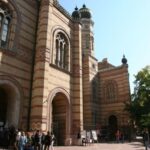

Dohány Street Synagogue interior
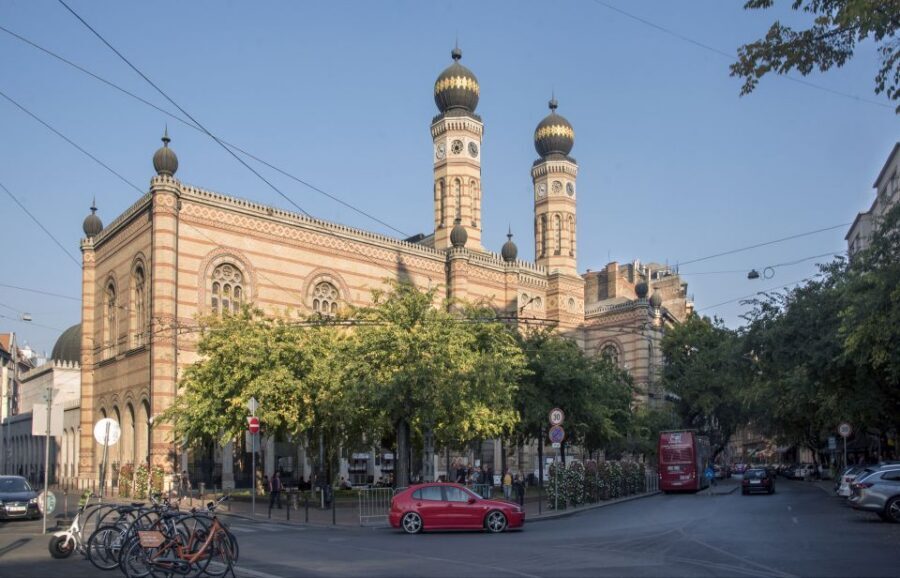
Then comes the big anchor: Dohány Street Synagogue, described as the largest operating synagogue in Europe and the second largest in the world. You get an interior visit here, which is where the building becomes more than a landmark.
Memorials that turn names into place
The Small route includes:
- Martyrs’ Cemetery
- Raoul Wallenberg Memorial Park
- Tree of Life Memorial
- Heroes’ Temple (outside visit)
- Jewish Centre with time at the Family Research Center
This combination is powerful because it moves through different types of remembrance: cemetery space, public memorials, and community records where family stories can connect to names.
One note on pace: a review praised Petra for not rushing and for adjusting around pauses for pictures. If you like to slow down, this route gives you a good chance to do that.
Essential Tour (2.5 hours): Deák Ferenc Square, Jewish market context, and Pest streets
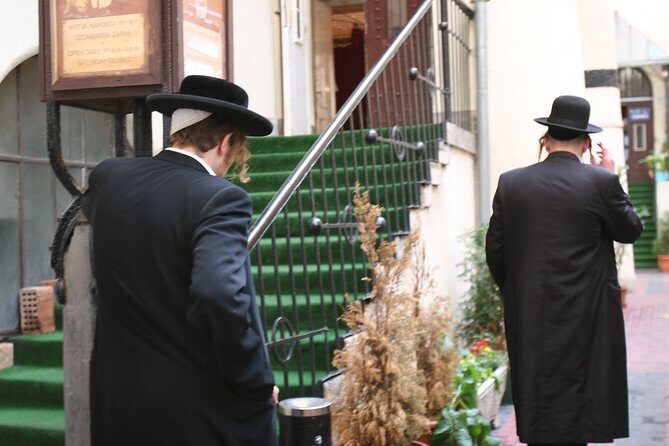
If you’re curious about how Jewish life connected to the city beyond one synagogue area, the Essential route is the sweet spot.
You start around Deák Ferenc Square, learning about historical Pest and the Jewish Market. This matters because the Jewish community story here isn’t isolated. It’s tied to how neighborhoods functioned and how people lived day to day.
Then you move to Madách Square, where the route points to the history of Pest’s first synagogue. You also pass the Rumbach Street Synagogue (outside visit).
Gábor Sztehlo monument
A standout stop is the Gábor Sztehlo monument—a Lutheran pastor who was recognized with Yad Vashem honor as Righteous among the Nations. It’s an example of the theme your guide will likely keep returning to: the Jewish story intersects with wider Hungarian history, rescue, survival, and moral choices by individuals.
After that, the Essential route continues along the core points of the Small route: the museum, the Dohány interior, and the memorial cluster.
If you only have one Jewish heritage walk in Budapest, this is the option that often feels like the best balance of depth and time.
Grand Tour (4.5 hours): Carl Lutz, Kazinczy interior, Orthodox Jewish Quarter, and Fröhlich cake
This is the longer option for people who want the neighborhood arc and more sites per hour.
Carl Lutz memorial park
You head to the Carl Lutz Memorial Park, dedicated to the Swiss diplomat often called Hungary’s Schindler. It’s a memorial that connects diplomacy and rescue efforts to place—exactly the kind of context that makes the rest of the walk hit harder.
Gozsdu Passage and the Orthodox Jewish Quarter
Next comes the street-level vibe: Gozsdu Passage and the Orthodox Jewish Quarter. You’ll cover more of the area’s texture, not just the big historic hits.
Kazinczy Street Synagogue interior
The Grand route then includes the Kazinczy Street Synagogue with an interior visit. This is a key difference from the shorter routes: you get another major synagogue interior, which makes your mental map of the area sharper.
Kosher cake at Fröhlich Confectionery
At the end (or during a break), the Grand Tour includes cake at Fröhlich Confectionery, noted as glatt kosher. This isn’t a throwaway detail. A food stop can help you reset after memorials and museum rooms, and it also gives you a taste of something real to do in the quarter.
If your group includes teens or adults who like both history and a bit of flavor, this is the route that keeps momentum.
Entering Dohány Street Synagogue: what to watch for
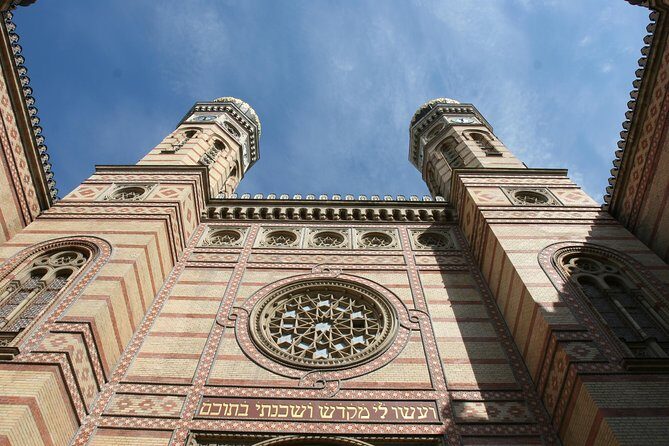
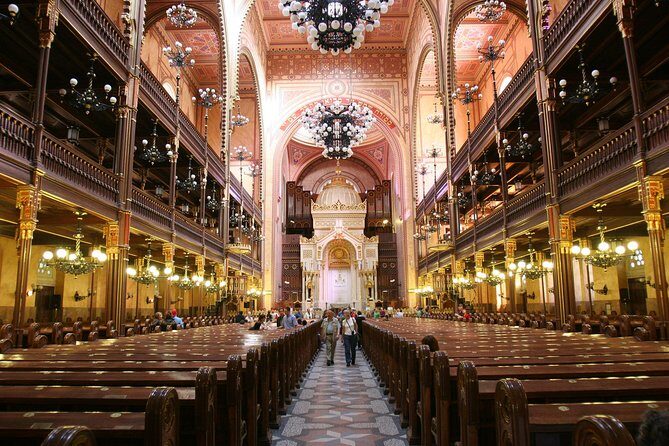
Dohány Street Synagogue is the kind of place where the outside photo is only half the story. The interior visit is where your guide’s explanations really connect to what you’re seeing.
You’ll be in a working synagogue environment, and this is important: the building isn’t just museum material. It’s part of living community space, and the route framing reflects that.
A couple of reviews praised guides like Greta and Dorian for bringing the story to life and keeping questions easy. That matters here, because synagogue architecture and community history can feel confusing if you’re trying to translate it all on your own.
Memorial stops: Raoul Wallenberg and the Tree of Life
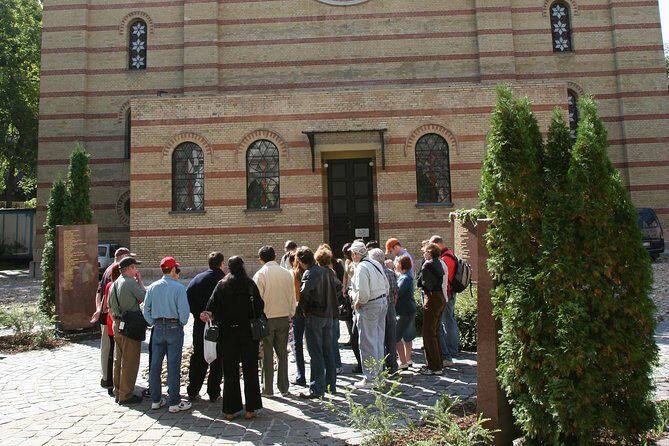
The route’s memorial portion isn’t just a scenic pause. It’s one of the strongest ways this tour differentiates itself.
Raoul Wallenberg Memorial Park
You’ll see the memorial space connected to Raoul Wallenberg, and your guide will connect it to the broader story of Hungarian history and rescue. It’s the kind of stop where listening is better than snapping a few pictures.
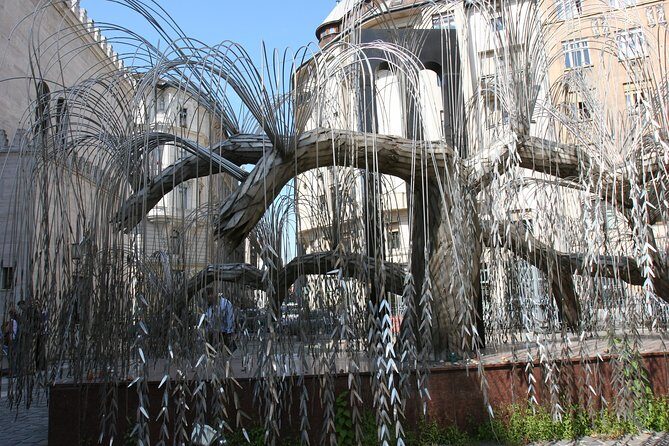
Tree of Life Memorial
The Tree of Life is also included, and it’s designed to make remembrance feel tangible. In a city full of grand buildings, it helps to have a stop that focuses on human loss and survival.
One practical tip: if you’re the type who wants to feel things fully, don’t rush these memorials. Reviews repeatedly praised guides for not pushing people along, and you’ll feel the difference if you take a moment here.
Jewish Museum and Family Research Center: why this part matters
The Jewish Museum segment gives you the context that can make everything else click. You see collections and art pieces tied to Hungarian and Eastern European Jewish heritage, and the Holocaust room provides the historical grounding.
Then, on the Small and Essential routes, you also visit the Jewish Centre and can spend time at the Family Research Center.
That part is quietly valuable. Even if you don’t have family roots you can trace on the spot, it signals that Jewish heritage here isn’t just about old photos and synagogue architecture. It’s also about names, documents, and personal research—something you can appreciate even as a visitor.
Getting the most from your guide without needing to be an expert
This tour is guided, but you still control the experience.
Here’s how to get the best result:
- Tell your guide what you want more of: synagogue architecture, community life, Holocaust-era context, or street-level history.
- Use the private setup to ask follow-up questions. People highlighted that guides like Benjamin and Petra were easy to talk with.
- If you’re traveling with family, plan your expectations around pace. Some reviews mention guides adjusting for ages and not rushing.
- If you care about photos, bring that up early. One review specifically noted Petra being sensitive about photo pauses.
Language is English, and you’ll get a local guide. Still, if you’re sensitive to audio clarity, it can help to sit or position yourself where you can hear well—one experience mentioned audio challenges at the museum portion.
Hotel pickup and timing: how to avoid day-of stress
The tour includes hotel pickup from centrally located hotels in Budapest. Pickup time is handled through confirmation at booking, and you’ll also be able to choose your start time.
Because this is private, you want to be ready for pickup at the agreed window. If you’re near a busy lobby, stepping outside early can save time. And if you’re sensitive to punctuality, double-check that the hotel staff understand exactly where the guide should meet you.
This is one area where small problems can snowball. A no-show report exists in the overall feedback, so I’d treat pickup confirmation seriously and have your reservation details handy.
Who should book this tour (and who might want another option)
You should book if:
- You want a structured walk that still feels personal
- You care about synagogue interiors and memorial sites
- You like the idea of comparing multiple stops in one route (museum + synagogue + cemetery + memorials)
- You want a guide who can tailor answers—people highlighted that from Benjamin to Fatima to Petra
You might consider a different plan or adjust your expectations if:
- You’re laser-focused on very specific add-ons that aren’t part of every route
- You have limited time and want the “most famous” stops only
- You need a fully accessible or minimal-walking experience (the tour is noted as requiring moderate physical fitness)
Should you book this Private Jewish Heritage Tour?
If your goal is to understand Jewish heritage in Budapest in a way that feels connected—not random—you’ll probably love this.
Book it if you want synagogue interiors plus memorials with a guide who can explain the story in plain language and at a human pace. The private format is the difference-maker, especially if you’re traveling as a couple, a family, or you want to ask questions that don’t fit into a group rhythm.
Skip or reconsider if you only have time for one or two “headline” sights and you’re unwilling to trade off route flexibility for that. Also, if pickup reliability is a huge worry for you, make sure your confirmation details are ready so you can move quickly if anything changes.
FAQ
How long is the tour?
You can choose three private options: Small at about 2 hours, Essential at about 2.5 hours, or Grand at about 4.5 hours.
Does the tour include hotel pickup?
Yes. Hotel pickup is included from centrally located Budapest hotels.
Which synagogues are included?
Dohány Street Synagogue is included with an entry visit on the Small and Essential routes. Kazinczy Street Synagogue is included with an entry visit on the Grand Tour.
Is the cake included?
Cake is included on the Grand Tour only, at Fröhlich Confectionery (glatt kosher).
Can I choose my start time?
Yes, you can choose your start time and select one of the three tour options.
Is the tour in English?
The tour is offered in English.
Is this a private tour?
Yes. It’s private, meaning only your group participates.