Budapest can feel like a lot fast. This private 3-hour walk helps you hit the best sights without the usual stress, and you also get a smart food stop. I like that it includes skip-the-line St. Stephen’s Cathedral plus a local-style strudel break, and I like how the route ties together major landmarks with real stories. One drawback to consider: it’s short and very walking-heavy, so if you want lots of long museum time or slow conversation between spots, you may feel rushed.
I also like that this tour is private, so you’re not trapped in a big herd. You’ll be led by a licensed guide, with English offered, and you’ll finish near Deák Ferenc tér so it’s easy to keep exploring on your own. Guides like Anita Barta, Petra, Bridget, and Barbara are mentioned in past tours, and they all seem to do the same job: give you context fast, then point you toward what’s next.
In This Review
- Key Things to Know Before You Go
- Why This 3-Hour Budapest Tour Works When Time Is Short
- Private Guide, Real Stories, No “Herd” Feel
- Stop 1: Széchenyi Lánchíd and the Story of Budapest’s First Permanent Link
- Stop 2: Shoes on the Danube Bank Memorial and WW2 Jewish History
- Stop 3: Hungarian Parliament Building Walk-Around Views
- Stop 4: Liberty Square and Lesser-Seen Corners
- Stop 5: Szent István Basilica and the Best Pest-Side Viewpoint
- Stop 6: Gresham Palace and Art Nouveau Interior Viewing
- Stop 7: Budapest’s Jewish Quarter Triangle in District VII
- Stop 8: The Tree of Life Memorial Behind the Great Synagogue
- Stop 9: Szimpla Kert and How Locals Find Their Way
- The Strudel House Stop: Homemade Strudel and a Warm Break
- Price, Value, and What You’re Actually Buying
- Practical Logistics: Walking, Stops, and How to Prep
- Who Should Book This Tour (and Who Might Want Something Else)
- Should You Book This Budapest Essentials Tour?
- FAQ
- How long is the Budapest Essentials Private Tour?
- Is the tour private?
- What’s included in the price?
- Do I need to buy tickets separately?
- What’s the starting and ending point?
- Do I need a printed ticket?
- Is there transportation provided?
- Can I cancel if plans change?
Key Things to Know Before You Go
- Skip-the-line inside St. Stephen’s Cathedral keeps your time tight and your visit smoother.
- Danube’s Shoes memorial is treated as a story, not a quick photo stop.
- Szent Istvan Basilica includes entry, plus a top viewpoint on the Pest side.
- Short stops, strong pacing work well for first-timers, but you’ll walk between layers of history.
- Food is built in: homemade strudel and a warm drink at Strudel House.
- Jewish Quarter + Tree of Life make the route feel meaningful, not just scenic.
Why This 3-Hour Budapest Tour Works When Time Is Short
If it’s your first time in Budapest, you usually face the same problem: the city is packed, and your feet are not. This tour is built for getting oriented quickly. In about three hours, you cover major landmarks in the central areas—bridge, river memorial, Parliament area, basilica viewpoints, and the Jewish Quarter triangle—so you leave with a mental map that makes the rest of your trip easier.
The value is in the mix. You’re not only checking boxes; you’re connecting what you see with what it meant. The Shoes on the Danube Bank stop, for example, isn’t presented as a generic memorial. It’s described in the context of Jewish history and World War II, so the site hits harder and makes the Danube feel less like a pretty backdrop.
For your budget, the listed price is $116.36 per person. That sounds like a lot until you add up what you actually get: a licensed guide, a cathedral visit that includes skip-the-line entry, plus homemade strudel and coffee or tea. If you’d otherwise pay for guided entry and skip a portion of planning time, the cost starts to look fair for a “first-day essentials” experience.
You can also read our reviews of more private tours in Budapest



Private Guide, Real Stories, No “Herd” Feel
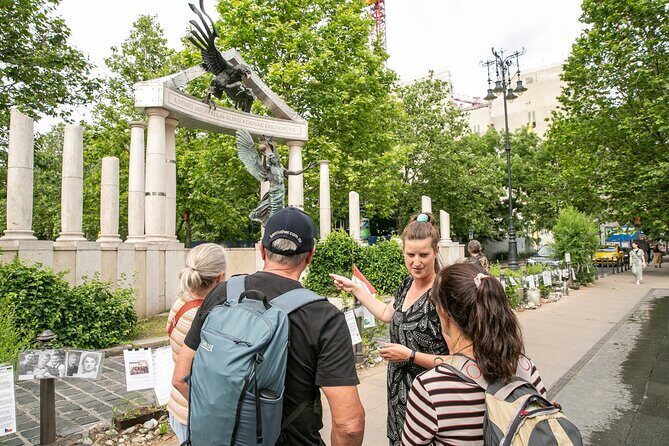
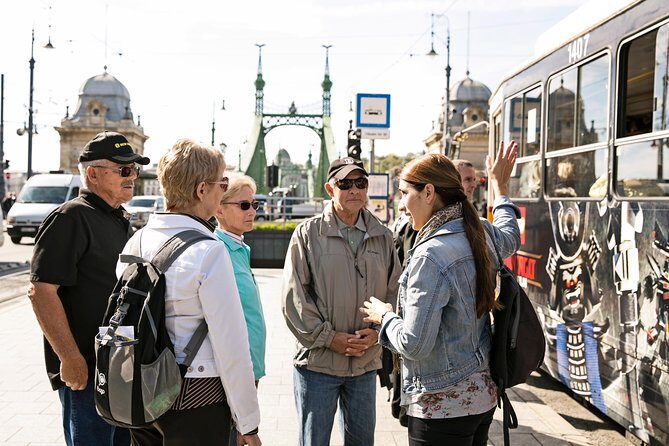
This is a private tour/activity, meaning it’s only your group. That matters more than it sounds. You can ask questions, stop for a photo, and keep going without feeling like you’re holding up a line of strangers.
You’ll walk from the InterContinental Budapest meeting point (Apaczai Csere J.U., 12–14, 1052) to your end point at Deák Ferenc tér. The tour is near public transportation, which is handy because you’re not dependent on private transfers. The route also uses short stop times, so you’re not stuck waiting around for everyone.
From past experiences shared about this tour, guides tend to be conversational and comfortable guiding a small group through heavy topics with care. You’ll see names like Anita Barta, Petra, Bridget, and Barbara mentioned—so the guide quality seems consistent. In any case, if you have a specific interest (architecture, Holocaust history, food, or city planning), it’s worth telling your guide early.
Stop 1: Széchenyi Lánchíd and the Story of Budapest’s First Permanent Link
Your first stop is Széchenyi Lánchíd, the Chain Bridge. You’ll spend about 15 minutes here, and entry is free. But don’t treat it like a postcard. The point is the story: it’s described as the very first permanent link of Budapest. That detail changes how you read the bridge. It becomes a symbol of how the city connected itself, both physically and socially.
Practically, this is also a smart opener. It gives you a big landmark early, and then the guide starts building a timeline. You’ll likely understand where you are in the city by the time you move toward the next stop on the riverbank.
Drawback? If you’re hoping for a long sit-down explanation or time on the bridge itself, the 15-minute block is brief. It’s meant to set the stage, not to replace deeper bridge tours.
Stop 2: Shoes on the Danube Bank Memorial and WW2 Jewish History
Next up is the Shoes on the Danube Bank. Again, it’s about 15 minutes, and admission is free. This is one of the most powerful stops in Budapest, and the tour frames it directly through Jewish history and World War II.
What I like about a guided approach here is that you don’t just see metal silhouettes and move on. You get the meaning behind them, and that makes your pictures feel less like sightseeing and more like witness. The Danube is wide and beautiful—so it’s easy to forget how much suffering was tied to this very river edge. A good guide keeps that connection clear.
One consideration: this stop is short. If you need extra time to process, ask your guide if you can linger for a minute or two at the end of the stop.
Stop 3: Hungarian Parliament Building Walk-Around Views
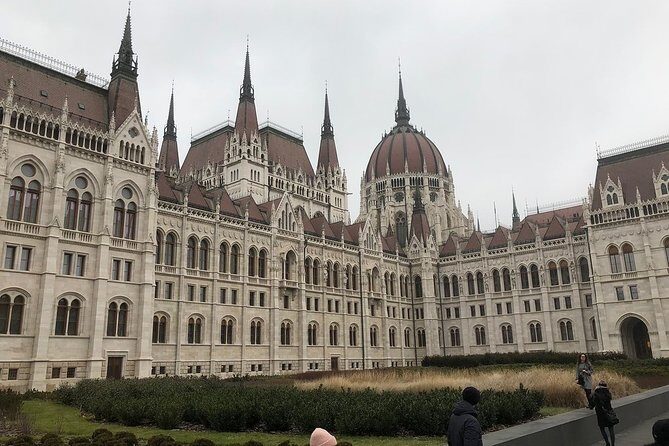
You’ll reach the Hungarian Parliament Building for about 15 minutes. The admission ticket is not included, so expect to view the exterior and the surrounding area rather than a full interior visit.
Even with a short stop, the payoff is the scale. The guide points out that this is the 3rd largest Parliament building in the world, and you can do the classic Budapest “look up and around” moment here. It also helps you understand why this part of the city feels ceremonial. The building shapes the riverfront mood.
If you want the inside experience, you’ll need to plan that separately. This tour focuses on efficient viewing and context rather than a full ticketed Parliament tour.






Stop 4: Liberty Square and Lesser-Seen Corners
Liberty Square gets a longer stop—about 30 minutes—and the admission ticket is free. This is where your guide shifts from the headline landmarks into the kinds of spots you’d miss without someone steering you.
The tour description calls out hidden gems of Liberty Square, but the key idea for you is simpler: you’ll be shown details around the square’s streets and monuments instead of just standing in the open plaza. That’s how you start noticing Budapest as a city, not only a list of major buildings.
The only thing to watch for is comfort. Thirty minutes in this area can mean more standing and walking in a condensed footprint. If you’re sensitive to cold or fatigue, plan for layers and quick breaks.
Stop 5: Szent István Basilica and the Best Pest-Side Viewpoint
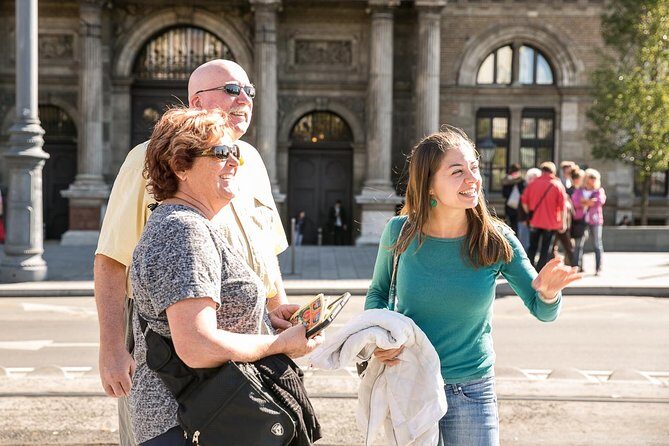
Now for a high-impact stop: Szent István Bazilika (St. Stephen’s Basilica). This one takes about 30 minutes, and admission is included. The big promise is a best viewpoint on the Pest side.
This is one of those moments where a guided visit can save you time. Instead of trying to guess where the best view is, your guide brings you to the right spot. The basilica area also gives you a change in vibe: more ornate, more grounded in everyday city movement.
If you’re the kind of visitor who loves finding a view that makes your photos look better without extra effort, this stop is worth it. You don’t need to be a church expert; you just need to be ready to look around and take in the city spread.
Stop 6: Gresham Palace and Art Nouveau Interior Viewing
You’ll pass by Gresham Palace for about 5 minutes. This is short by design, but it’s memorable: the tour aims to show you inside one of Budapest’s most beautiful Art Nouveau buildings. Admission is not included, so you may need to pay to actually enter, depending on the rules at the time.
Even if the interior time feels brief, Art Nouveau in Budapest can be a shock in the best way. It’s not just decoration; it’s a whole style of thinking about surfaces, light, and curves. If you’re into architecture, this is a quick hit.
Practical note: because the admission isn’t included, don’t assume your guide can guarantee access. If entry is unavailable, you’ll still get the context and exterior impressions.
Stop 7: Budapest’s Jewish Quarter Triangle in District VII
After Gresham Palace, you move into Budapest’s Jewish Quarter, specifically the Jewish triangle in the heart of the 7th District. The stop is about 30 minutes, and admission is not included.
This part of the tour is doing something valuable: it ties together multiple sites around one area, so it feels like a coherent neighborhood rather than separate “checkpoints.” You’ll see the main sights of the triangle, and your guide helps you understand how the area fits into the wider Budapest story.
One thing I appreciate: the pacing feels respectful. It’s not presented like a quick side quest. The tour sets you up to see the Jewish Quarter as central to the city’s identity.
Stop 8: The Tree of Life Memorial Behind the Great Synagogue
Just behind the Great Synagogue, you’ll stop at the Tree of Life memorial. It’s a short stop—about 5 minutes—but it’s emotionally heavy, and your guide explains the meaning of the memorial.
This is exactly the type of small stop that can change your whole trip. If you only do major landmarks, you might miss how personal and specific remembrance can be. The tour keeps it short so you can move along, but it’s clearly treated as more than a photo stop.
If you’re traveling with family or someone who prefers lighter content, this is the part where you might want to set expectations before you arrive.
Stop 9: Szimpla Kert and How Locals Find Their Way
The tour finishes at Szimpla Kert, the oldest ruin bar in the city. You’ll spend about 10 minutes here, and there’s no admission ticket included.
This stop is less about history dates and more about contemporary Budapest life. Your guide explains the story of the building, then you get a Budapest Locals map with recommendations for other fun places in the area. For you, that means less time guessing what’s worth it once the tour ends.
This is also a clever ending point. A ruin bar is the kind of place you’ll remember even if you come back later. And since you end near Deák Ferenc tér, you’re well-positioned to connect to the rest of your day.
The Strudel House Stop: Homemade Strudel and a Warm Break
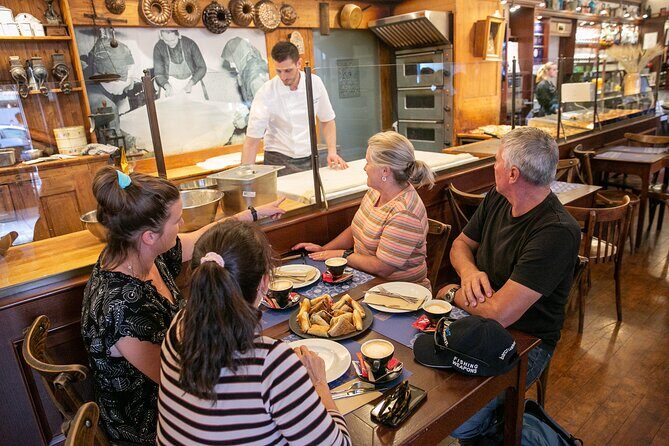
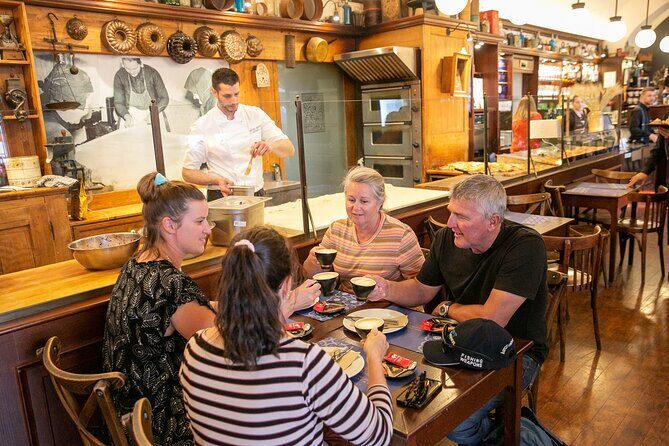
Half the reason these “essentials” tours work is that they give you a humane rhythm. This one includes home-made strudel in the Strudel House, plus coffee and/or tea (or a soft drink).
Food stops are not just about tasting something good. They also give you time to reset, especially during colder months or in a busy walking schedule. Strudel is also a Budapest classic, and this is the practical kind of souvenir: you can eat it right now and remember it on the spot.
If you’re deciding where to go next for dessert, this stop is a helpful starting point. You’ll also be full enough to keep walking without needing to find a café immediately after.
Price, Value, and What You’re Actually Buying
At $116.36 per person for about three hours, you’re paying for four things:
- A licensed guide who keeps the route coherent
- Skip-the-line entry plus guided visit for St. Stephen’s Cathedral
- A built-in food stop (homemade strudel and a warm drink)
- A free map with recommendations so you can keep exploring after
If you tried to replicate this on your own, you’d still have to line up tickets, find exact meeting logic, and piece together the most efficient route. That takes time and can lead to missed context, especially for memorial sites and neighborhood history.
Is it overpriced for a casual tourist? Not really. But it is best for people who want city highlights with interpretation and who don’t want to spend their first hours sorting out logistics.
The tour also notes group discounts and that you can get a mobile ticket. That helps if you’re traveling with others and want one tidy plan.
Practical Logistics: Walking, Stops, and How to Prep
This tour doesn’t include private transportation, so you’re walking throughout. That’s not a problem if you plan smart, but it does affect the kind of traveler this suits.
Bring comfortable shoes. The tour is structured with short stops, which often means you’ll be walking between them with limited downtime. Dress in layers because you’ll be outside for much of the route.
Also, check what tickets are and aren’t included:
- Included: St. Stephen’s Cathedral skip-the-line and guided visit; Szent István Basilica admission; strudel and drinks.
- Not included: Hungarian Parliament Building, Gresham Palace (inside access may require separate admission), Jewish Quarter sites, Tree of Life area, and Szimpla Kert.
Your guide should help you know what to do on the day, but it’s wise to expect small extra payments if you want to go inside at the sites where admission isn’t included.
Where you start and finish is also useful:
- Start: InterContinental Budapest at Apaczai Csere J.U.
- End: Deák Ferenc tér
That end location is great. It’s central. You can hop on the next plan without backtracking.
Who Should Book This Tour (and Who Might Want Something Else)
This is a strong choice if:
- It’s your first visit to Budapest and you want a clear overview fast
- You like walking tours but want a guide to connect the dots
- You care about Jewish history in Budapest and want the memorials explained
- You want a food stop built into the schedule
You might want a different plan if:
- You prefer long indoor time and full ticketed monuments rather than short exterior views
- You dislike walking between many stops in a short timeframe
- You expect frequent, long explanations at each location. The tour is short-block focused.
If you have mobility needs, the tour notes that most travelers can participate and that it’s near public transportation. Still, it’s worth asking your guide about pacing and break options before you go.
Should You Book This Budapest Essentials Tour?
Yes, if you want a smart first day that makes the city click. I especially like the combo of skip-the-line cathedral, Danube memorial context, and an orientation route that ends in a fun neighborhood where you can keep exploring. The strudel stop is not an afterthought. It’s part of why the tour feels livable.
Book it when you can. It’s often reserved about 49 days in advance, so don’t wait until the last minute if your dates are flexible.
If your ideal trip is more “slow travel” than “get oriented fast,” consider pairing this with later, deeper visits on separate days. Use this tour to set the map. Then choose what you want to revisit.
FAQ
How long is the Budapest Essentials Private Tour?
It’s about 3 hours.
Is the tour private?
Yes. It’s a private tour/activity, and only your group participates.
What’s included in the price?
The tour includes a walking tour with a licensed guide, skip-the-line entry and a guided visit to St. Stephen’s Cathedral, homemade strudel at the Strudel House, coffee and/or tea (or a soft drink), and a free map with recommendations.
Do I need to buy tickets separately?
Some sites are included (like St. Stephen’s Cathedral and admission to Szent István Basilica), but other stops list admission as not included, such as the Parliament area, Gresham Palace, and sites in the Jewish Quarter. You may need to pay for those separately.
What’s the starting and ending point?
It starts at the InterContinental Budapest and ends near Deák Ferenc tér.
Do I need a printed ticket?
You’ll receive a mobile ticket.
Is there transportation provided?
No. Private transportation is not included, and the experience is walking-focused.
Can I cancel if plans change?
Free cancellation is available, with full refund if you cancel at least 24 hours in advance.