REVIEW · BUDAPEST
Budapest Foodie Tour
Book on Viator →Operated by Budapest Wonderguides · Bookable on Viator
Food smells good in Budapest, fast. This private walking tour strings together the city’s sweet and savory hits with real local context, from the Jewish Quarter to the central market hall. I especially like that it’s designed as a half-day plan, and that you get both classic bites and actual beverage time (including alcohol). The one catch to consider is pacing: if your group ends up with a loose itinerary, you can feel like you’re just walking instead of tasting.
What makes this tour worth thinking about is the mix of places you don’t usually hit in one morning. You start with the moodier side of town in the Jewish Quarter, then move toward famous streets for cake and sweets, and finish where Hungarians shop and snack in the Central Market Hall. I also like that it’s private for up to 4 people, so your guide can actually steer the conversation around what you like to eat. A possible drawback: the tour includes admissions as not included, and it also depends heavily on the guide keeping tastings coming rather than spreading them thin.
In This Review
- Key things I’d clock before you book
- Why a 4-hour private food walk makes sense in Budapest
- Stop 1 in the Jewish Quarter: ruin bars and traditional spirit
- Stop 2 on Váci Street: cakes, sweets, and the chimney cake moment
- Stop 3 at Central Market Hall: pastry, butcher tastings, and market energy
- The coffee house, Hungarian wine, and cultural context that make it more than snacks
- Price and value: $290 per group, what that really buys
- Logistics in the real world: pickup, mobile tickets, and where you end up
- Who this Budapest foodie tour is best for (and who should skip it)
- Should you book Budapest Wonderguides Foodie Tour?
- FAQ
- How long is the Budapest Foodie Tour?
- What is the meeting point and start time?
- How much does the tour cost and how many people are in a group?
- What food and drinks are included?
- What is not included in the tour price?
- Is pickup offered?
- What is the cancellation policy?
Key things I’d clock before you book
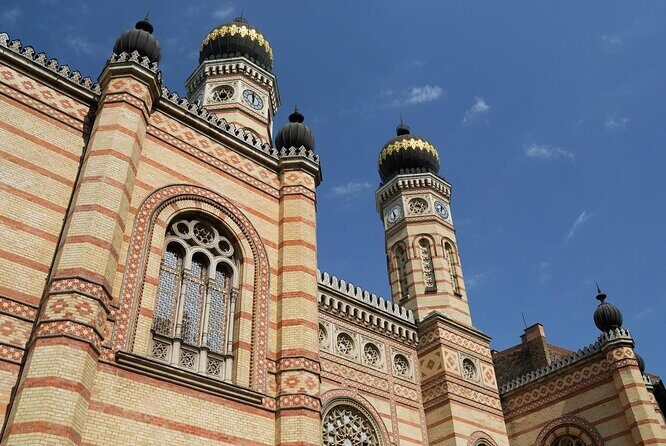
- Private for up to 4 people: better pacing and less waiting than group-style tours.
- Ruin bar time in the Jewish Quarter: not just a drive-by, you get drinks tied to the setting.
- Chimney cake and Váci-style sweets: Budapest’s most snackable classic hits are built in.
- Central Market Hall tastings: you’re not only seeing stalls, you’re sampling.
- Alcohol is included: a real part of the experience, not a separate add-on.
- Four hours on foot: plan for walking, and keep expectations clear about how much you’ll taste at each stop.
Why a 4-hour private food walk makes sense in Budapest
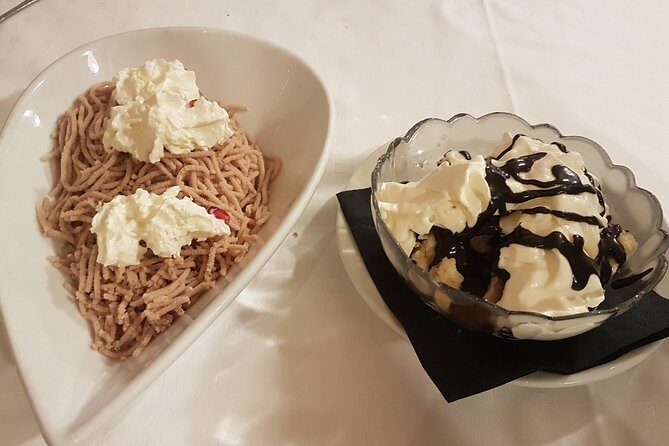
Budapest is a city where food is part of the street scene. One of the smart things about this tour is the format: a half-day on foot that aims to connect locations, food, and stories without turning into a marathon. You start at OperaBudapest at 9:00 am and walk toward AstoriaBudapest as the finish point, which puts you in easy range of central sights and public transportation.
The pricing model is also worth understanding. It’s $290 per group (up to 4), so if you’re traveling with friends, the per-person cost can make more sense than many per-person tours. It also helps that snacks, soda, and alcoholic beverages are included. That means you’re not constantly calculating what you’ll still pay for later.
One more practical note: this tour is described as having moderate physical fitness needs. That usually means steady walking and standing during tastings. If you hate long stretches on your feet or you tire quickly, this might feel like more than a “casual stroll,” even though the total time is only about 4 hours.
A few more Budapest tours and experiences worth a look
Stop 1 in the Jewish Quarter: ruin bars and traditional spirit
You kick off in the Jewish Quarter area, and the tour’s first big flavor moment is a visit tied to a ruin bar plus traditional spirit. Ruin bars are a very Budapest thing: you get the idea of the city through the atmosphere first, then through what you drink. Even if you’re not a big nightlife person, this kind of stop works for food-focused tours because the drink is part of the local ritual.
The stop is listed at about 20 minutes. That’s short, so here’s what I’d look for: you want the guide to make that time count with a clear explanation and a proper tasting moment. The upside is that the Jewish Quarter is a strong setting, and the guide context can help you understand why these spaces became a cultural symbol rather than just a cool bar.
The balanced warning from a value standpoint: the tour’s negative feedback pattern (when it shows up) tends to be about tastings feeling too light or the flow feeling messy. Since this is your first stop and time is limited, you’ll want your guide to hit the tasting hard early, not save it for later.
Stop 2 on Váci Street: cakes, sweets, and the chimney cake moment
Next comes Váci Street, one of the best-known pedestrian shopping corridors in central Budapest. This is where the tour turns sweeter and stays there for a full hour. The tastings here are built around traditional cake, confectionary, and sweets, which is exactly where you should be if you want the classic Hungarian snack experience.
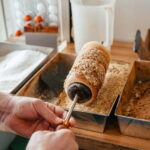
This is also where the famous Hungarian chimney cake fits in. That’s the kind of food that’s easy to remember: it’s iconic, it’s visually dramatic, and it’s often sold fresh. For a food tour, that matters. You’re tasting something Budapest-specific instead of generic dessert shop fare.
Why this stop works: it’s not only about what you eat, it’s about what these treats represent. Many Hungarian sweets are built around nostalgia and comfort, and your guide’s commentary should connect the dots between street life, past food culture, and today’s popular flavors. If your guide does that well, the sweets stop becomes more than sugar on a walking route.
The drawback to keep in mind: Váci Street can be touristy by nature, so the tour’s value depends on how it uses the street. If you end up mostly walking past shops instead of getting guided tastings and explanations, this hour can feel like it’s missing its purpose. The best version of this tour uses Váci Street as a flavor route, not a sightseeing route.
Stop 3 at Central Market Hall: pastry, butcher tastings, and market energy
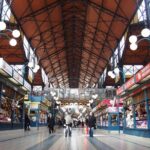
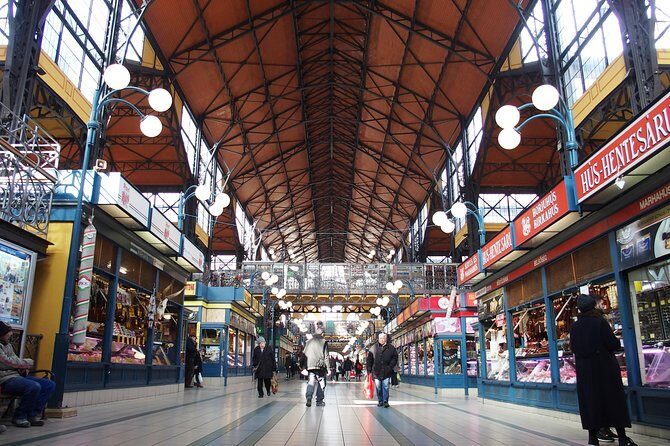
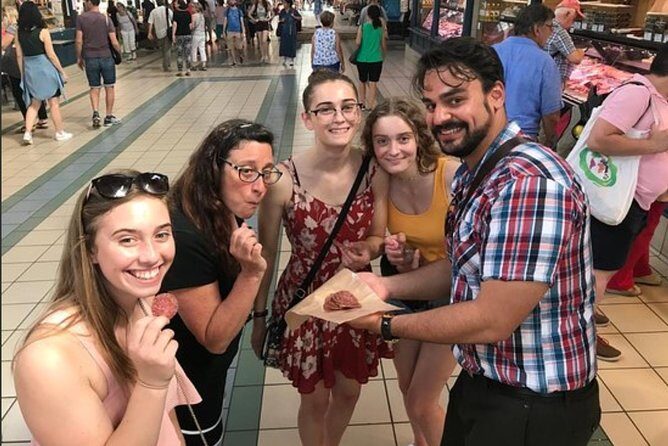
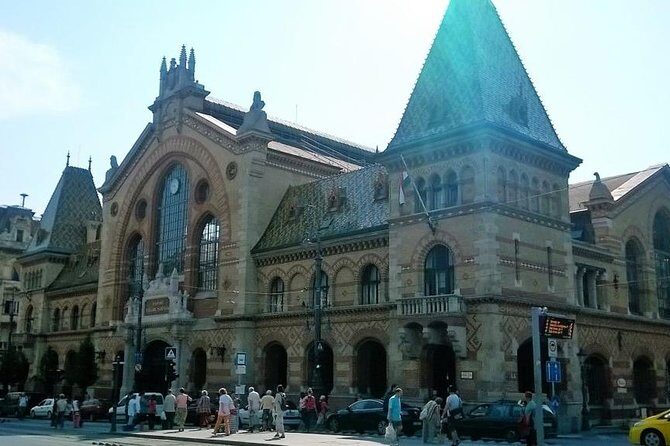
Then you move to Central Market Hall, where the tour leans savory. This is another one-hour stop, focused on pastry and butcher’s tastings in the market hall. Market visits are a gift on a food tour because you get to see the ingredient culture up close. Even if you don’t buy much, you learn what people actually reach for.
Central Market Hall is also where the tour’s “local market” promise should feel real. Market halls in Europe can turn into photo stops. This one is framed as a tasting experience, so your time should include samples, not just wandering.
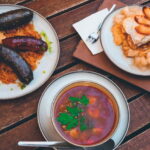
For food lovers, the pastry and butcher angle is a good balance. You’ve had sweets earlier, and now you’re shifting to the foods that anchor meals. If your guide calls out what to look for in the market—cuts of meat, typical flavors, how people snack here—you’ll come away with a stronger sense of Hungarian eating habits beyond the tourist classics.
One practical consideration: markets can be sensory overload. It helps if your guide spaces the tastings so you’re not overloaded at once. If you find yourself choking down samples to keep up, that’s a sign the pacing isn’t right. The best food tours keep the pace human, so you can actually taste and ask questions.
The coffee house, Hungarian wine, and cultural context that make it more than snacks
This tour isn’t only about food calories. It’s also built around cultural touchpoints that tie the tastings together: a stop in a 19th-century coffee house and a glass of Hungarian wine, plus stories along the way.
Here’s why I think that matters. In Budapest, the “why” behind food can get lost fast if you only chase what’s trendy. A good guide turns a set of tastings into a narrative you can remember: how Budapest became a food city, how different communities shaped the palate, and why certain drinks and sweets became staples.
The best version of this tour is guided like a lesson that stays fun. That matches the strongest positive pattern from past participants: the guide being very informative and the tastings feeling solid alongside the cultural framing. When a guide does that, you stop treating food like a checklist.
But the flip side is simple. If the guide doesn’t manage timing well, the cultural parts can eat time while actual tasting feels minimal. So your mental checklist on this tour should be: tastings first, then context. You don’t need a lecture. You need enough food to earn the walking.






Price and value: $290 per group, what that really buys
Let’s talk value, not just cost. At $290 per group up to 4, you’re paying for a private guide, multiple tasting stops, and drinks included (snacks, soda, and alcoholic beverages). Admission tickets are listed as not included for stops, and private transportation isn’t included, so you’re mainly paying for the guided food and drink plan.
That pricing can be a great deal if:
- you’re splitting it between a few people,
- you drink the included beverages (since alcohol is part of the plan),
- and the guide maintains a tasting-heavy pace.
It can feel expensive if:
- tastings end up small,
- the walk turns into “wandering” with not much sampling,
- or the route includes backtracking that eats time you hoped would be spent eating.
The tour’s duration is about 4 hours, and there are three main stops listed. Stop 1 is only 20 minutes, which is tight. That’s why the guide’s execution matters more than the brochure. If your guide uses that short slot well, it can kickstart the tour perfectly. If not, you might feel like you paid for time that wasn’t fully converted into food.
My practical suggestion: choose this tour when you want a structured food plan and you trust the guide. If you’re the type who hates any itinerary drift, you might want to be extra clear with your expectations at the start and watch how much tasting happens in the first hour.
Logistics in the real world: pickup, mobile tickets, and where you end up
This tour offers pickup and uses a mobile ticket, so it should be straightforward to manage on your phone. The start is at OperaBudapest with a 9:00 am start time, and the tour ends at AstoriaBudapest.
One reason this matters: meeting-point hassles can kill the enjoyment of a morning plan. Since both endpoints are central landmarks, you should have an easier time getting to the start and then continuing your day afterward.
Also, it’s described as near public transportation. That’s a big deal in Budapest because you’ll likely want quick access to tram or metro afterward rather than relying on taxis for everything.
Who this Budapest foodie tour is best for (and who should skip it)
This tour fits best if you:
- like walking tours that focus on food and drinks rather than museums,
- want a private experience for up to 4 people,
- are comfortable with moderate walking,
- and enjoy Hungarian classics like chimney cake, market snacks, coffee house culture, and wine.
It might be less ideal if you:
- hate short tasting windows and prefer longer sit-down meals,
- expect a lot of food volume at every stop (this tour’s pacing can vary by execution),
- or you know you’ll need very specific dietary accommodations without a lot of advance coordination.
Dietary needs matter here. The tour data asks that allergies and food intolerance be communicated in advance. If you have a serious allergy, do not treat “we can try” as a plan.
Should you book Budapest Wonderguides Foodie Tour?
I’d book it if you want a compact, guided Budapest food walk with drinks included and you’re traveling with a small group. The private format is a strong value lever, and the mix of Jewish Quarter ruin bar energy, Váci Street sweets, and Central Market Hall tastings gives you a well-rounded picture of what people actually eat and drink in the city.
I’d hesitate if you’re extremely sensitive to pacing. A short first stop and a fixed half-day schedule mean the guide’s execution has to be good. If you prefer slow meals and lots of quantity, you might feel the plan is too light.
If you do book, do yourself a favor: arrive ready for walking, be clear about allergies ahead of time, and set your expectation early that tastings need to happen on schedule. When the guide keeps that balance, this tour is a fun way to taste Budapest in just one morning.
FAQ
How long is the Budapest Foodie Tour?
The tour duration is about 4 hours.
What is the meeting point and start time?
The tour starts at OperaBudapest at 9:00 am and ends at AstoriaBudapest.
How much does the tour cost and how many people are in a group?
It costs $290 per group, up to 4 people. It’s a private tour for your group only.
What food and drinks are included?
Snacks, soda/pop, and alcoholic beverages are included.
What is not included in the tour price?
Private transportation is not included. Admission tickets are listed as not included for the stops.
Is pickup offered?
Yes, pickup is offered.
What is the cancellation policy?
You can cancel for a full refund up to 24 hours before the experience’s start time. Free cancellation is available, but changes within 24 hours aren’t accepted.