REVIEW · BUDAPEST
Great Market Hall Food Tour with Lángos and local treats
Book on GetYourGuide →Operated by Off the Beaten Track at Budapest · Bookable on GetYourGuide
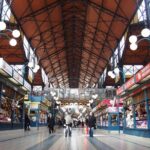
The market hall is a food shortcut. Under the soaring roof of Budapest’s Great Market Hall, I like that you get both lángos and a pálinka tasting, plus context for what you’re eating.
I also like the fact that the guide, Eszter, turns snack time into a story lesson—Hungarian paprika and traditional porcelain and embroidery details make the market feel understandable, not random.
One drawback to consider: it’s only two hours and focused on tastings, so if you’re hoping for a long sit-down meal, you’ll want extra time after the tour.
In This Review
- Key highlights at a glance
- Why this Great Market Hall food tour makes sense
- Meeting at Mercure Budapest Korona Hotel and what to expect on the first stretch
- The 20-minute pálinka aperitif: Hungary’s national drink, paced
- Váci Street views and quick photo moments before the market
- Inside Central Market Hall: lángos, salami, and strudel tastings
- Paprika production and why it shows up everywhere
- Traditional porcelain and embroidery: a market lesson beyond food
- Central Market Hall history: architecture that makes the room feel real
- Interactive extras: mushroom hunt for kids and built-in flexibility
- Value and timing: is $78 for two hours a good deal
- Who this tour is best for (and who might want a different plan)
- After the tour: how to keep exploring Central Market Hall smart
- Should you book the Great Market Hall food tour?
- FAQ
- How long is the Great Market Hall food tour?
- Where do we meet the guide?
- Is the tour offered in English?
- What Hungarian foods and drinks are included in the tastings?
- Does the tour include activities for children?
- Is there time for photos during the tour?
- Is the tour wheelchair accessible?
- Can I cancel or pay later?
Key highlights at a glance
- Pálinka aperitif up front: start with Hungary’s national drink so the rest of the market makes more sense.
- Lángos, salami, and strudel tastings: multiple classics instead of one or two samples.
- Paprika, porcelain, and embroidery explained: you learn why these traditions matter, not just where to buy them.
- Central Market Hall photo stops: built-in moments to grab pictures (including smartphone photos with your guide).
- Kid-friendly mushroom hunt: an actual game for young travelers, not just sitting and watching.
- Great Market Hall history and architecture details: the building’s character is part of the experience.
Why this Great Market Hall food tour makes sense
If you’ve ever wandered a huge food hall and felt a little lost, this kind of guided visit is a smart fix. The Great Market Hall is full of tempting stalls, but “what do I buy?” becomes the whole question. Here, you get a planned route and a reason to try specific Hungarian classics.
I like that it’s not just taste-testing. You also get real background on Hungarian food culture, plus details about the market building itself. And because it starts with an aperitif, you ease into the experience instead of rushing straight into snacks.
This tour also feels good value for what’s included: tastings of multiple foods, time with a live English guide, and a guided walk through Central Market Hall rather than a quick look-and-leave.
You can also read our reviews of more food & drink experiences in Budapest
Meeting at Mercure Budapest Korona Hotel and what to expect on the first stretch
You’ll meet in the lobby of the Mercure Budapest Korona Hotel, with the guide near the elevators. That’s a practical setup. You don’t have to hunt for a meeting point deep in the city, and it keeps the start calm for groups, couples, and solo travelers.
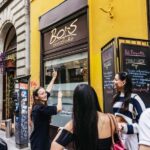
From there, you head toward the market with a short scenic stretch along Váci Street. It’s not the main event, but it helps you get your bearings and shift from “Budapest sightseeing mode” into “food hall mode.” You’ll also get a bit of walking time before you reach the Central Market Hall interior.
Plan on wearing comfortable shoes. Even a two-hour tour adds up when you’re moving through a crowded market environment.
The 20-minute pálinka aperitif: Hungary’s national drink, paced
The tour’s first real taste is pálinka, Hungary’s national spirit. Starting with it is useful. It sets the tone, and it gives you a stronger connection to the flavors you’ll keep encountering in Hungarian food.
That matters because pálinka isn’t just a random shot. On this tour, the guide frames it as part of Hungarian food culture, so you’re not just consuming alcohol—you’re learning what it represents. It’s paced as an aperitif, not a pressure-cooker.
If you’re sensitive to strong spirits, take it slow. This is a guided tasting, but it’s still smart to listen to your body and enjoy the experience at your comfort level.
Váci Street views and quick photo moments before the market
On the way to Central Market Hall, you get scenic views on Váci Street. This is one of those “small win” pieces of the tour that helps you feel like you’re getting Budapest, not just one building.
Also, the tour builds in photo time. You can take your own pictures, and you can ask your host to help with smartphone shots at designated stops. That’s handy if you’re traveling with a partner, want a clean profile-style photo, or just don’t want to keep handing your phone to strangers.
Tip: bring a charged smartphone and a camera if you like better shots. You’ll use both during the guided photo breaks.
Inside Central Market Hall: lángos, salami, and strudel tastings
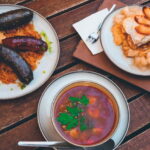
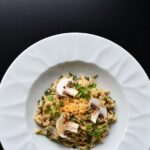
Once you enter the Great Market Hall, the tour becomes very food-focused without turning into chaos. You’ll taste Hungarian specialties including lángos, salamis, and strudel—so you get a mix of savory and sweet.
Here’s what I like about tasting this trio instead of just buying one favorite item:
- Lángos gives you a classic Hungarian comfort food baseline. It’s a great “taste of place” dish because it’s strongly associated with local market culture.
- Salamis help you understand the broader meat tradition and cured flavors that are common across the region.
- Strudel balances the savory part of the tour so you finish with something sweet and distinctly Hungarian in feel.
You’re not left to guess what’s worth your money. The guide’s selections also keep your experience efficient. In a market this big, that alone is a huge quality-of-life benefit.
A few more Budapest tours and experiences worth a look



Paprika production and why it shows up everywhere
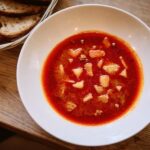
One of the most useful parts of the tour is the introduction to Hungarian paprika production. Paprika can seem like a simple spice on a shelf in other countries, but Hungary treats it like a story—tied to growing, processing, and local identity.
When you learn how paprika is produced, your tasting experience gains a layer. Suddenly, you’re not just eating food that happens to be red-orange. You’re thinking about how the flavors arrived there, and why locals care so much about the quality.
This is also the kind of learning that helps after the tour. If you buy paprika later, you’ll have a better sense of what to look for and how it connects to Hungarian cooking traditions.
Traditional porcelain and embroidery: a market lesson beyond food
A food hall tour can go two ways: either it’s all eating, or it tries to be a history lecture you’d rather skip. This one finds a middle path. You’ll get an introduction to traditional Hungarian porcelain and embroideries, which adds texture to what you see inside the building.
Why this matters: markets aren’t only about eating. They’re about local craft, trade, and identity—things people carried home long before online shipping existed. Even if you don’t buy anything, the context helps you see what you’re looking at.
It’s also a nice break from the nonstop eating cycle. You taste, you walk, then you learn something visual and cultural.
Central Market Hall history: architecture that makes the room feel real
The tour doesn’t just point at stalls. It includes a guided look at the history and details of the Great Market Hall building. That’s important because the hall’s atmosphere is part of the experience.
Learning the building’s story changes how you feel inside it. Instead of thinking, This is a big indoor market, you start noticing the details: the way the space is organized, how people move through it, and why the hall became a gathering point in the first place.
If you’re the type who loves when a trip has “how it came to be” context, this portion is worth paying attention to. It makes Central Market Hall feel less like a stop and more like a landmark.
Interactive extras: mushroom hunt for kids and built-in flexibility
This tour is designed to work for different travel styles, including families and groups. One of the most charming extras is the mushroom hunt for kids. That turns the market walk into a game, which can mean the difference between kids enduring a tour and kids actually enjoying it.
There are also photo stops woven into the route. You can ask the host to take photos of you with your smartphone, which is ideal if you don’t want to keep juggling your phone one-handed while walking.
For couples and solo travelers, that matters too. Markets can be tough for self-photos, and having planned stops makes it easier to get a decent shot without slowing the group too much.
Value and timing: is $78 for two hours a good deal
At $78 per person for a two-hour tour, you’re paying for more than food. You’re paying for:
- a live English guide
- structured tastings of multiple specialties
- context on paprika and Hungarian traditions
- a guided walkthrough of the Great Market Hall, including history and building details
- photo opportunities included in the flow
If you were to buy those items on your own, you’d still spend money—plus you’d spend time figuring out what to choose, what’s worth the price, and how to avoid wandering in circles. This tour compresses all of that decision-making into a guided plan.
Two hours is also a good length for most people. It’s long enough to feel like you did something meaningful, but short enough that you don’t wipe out the rest of your Budapest day.
Who this tour is best for (and who might want a different plan)
This is especially suited for:
- Families who want a market experience that includes an actual kid activity (the mushroom hunt)
- Couples who like food plus built-in photo stops
- Solo travelers who want help choosing what to eat and a guide to keep the experience flowing
- Groups and team building where everyone benefits from a shared, guided plan
If you’re someone who wants to linger and shop for long stretches, you may find the tour pace a bit tight. The tastings and route are designed to cover highlights in a short time. That’s not bad—it just means you’ll probably want to return afterward for more browsing.
After the tour: how to keep exploring Central Market Hall smart
One thing I appreciated from what I’ve heard about Eszter’s approach is that she tends to suggest what to do next after the tour ends. That’s a practical advantage. If you have a few hours left in Budapest, a local guide can help you avoid aimless wandering.
When you head back into the market on your own, use what you learned:
- If paprika caught your attention, look for paprika-based products and consider asking questions about production and quality.
- If porcelain and embroidery felt meaningful, spend a little time browsing craft stalls with a more informed eye.
- If you loved a specific dish from the tastings, note the stall or flavor profile so you can buy something similar for later.
This tour gives you a foundation. Then you can customize the rest.
Should you book the Great Market Hall food tour?
Book it if you want a focused, high-satisfaction experience: Hungarian staples, a guided route through Central Market Hall, and real context around paprika and local craft. The tastings are varied enough to give you a true snapshot—lángos, pálinka, salamis, and strudel—and the tour structure helps you feel confident about what you’re choosing.
I’d skip or consider a different option if you’re mainly in the mood for a long meal and deep shopping time. This is a tasting-led tour with stories and photo breaks, not a full-day market marathon.
If you like your travel plans efficient, cultural, and food-forward, this is a great use of a two-hour window in Budapest.
FAQ
How long is the Great Market Hall food tour?
The tour lasts 2 hours.
Where do we meet the guide?
You meet in the lobby of the Mercure Budapest Korona Hotel, and the guide will be near the elevators.
Is the tour offered in English?
Yes, it’s a live tour with an English-speaking guide.
What Hungarian foods and drinks are included in the tastings?
You’ll have tastings including Hungarian lángos, pálinka, salamis, and strudel.
Does the tour include activities for children?
Yes. Kids can enjoy an interactive mushroom hunt during the tour.
Is there time for photos during the tour?
Yes. There are photo stops, and you can ask the host to take pictures of you with your smartphone.
Is the tour wheelchair accessible?
Yes, the tour is wheelchair accessible.
Can I cancel or pay later?
You can reserve now and pay later. There’s also free cancellation up to 24 hours in advance for a full refund.