REVIEW · BUDAPEST
Big Bus Budapest Hop-On Hop-Off Bus and Walking Tour
Book on Viator →Operated by Big Bus - Hungary · Bookable on Viator
Budapest moves fast, so ride smart. This hop-on hop-off bus + walking tour package is built for first-time orientation and flexible sightseeing, with panoramic views from a double-decker and audio commentary in 16 languages.
I like how you can board at any of the 27 stops along the route and explore at your own pace, and I also like that the add-on walking tour gives context before you start jumping on and off. The only thing to keep in mind is that on some days you may deal with bus crowding, occasional audio glitches, and weather comfort issues (like closed roofs or wet seats).
In This Review
- Key Highlights You’ll Actually Use
- Route Basics: How the Hop-On Hop-Off Really Works in Budapest
- Starting Point to City Core: Bajcsy-Zsilinszky, St. Stephen’s, and the Chain Bridge
- Synagogues, Opera, and Andrássy Avenue: A More Elegant Side of Budapest
- Heroes’ Square, Keleti Station, and Puskás Aréna: Big Monuments and Big City Energy
- Váci Street, New York Café, and the Danube-Adjacent Feel
- Castle Hill and Funicular: The View Payoff (Plan for Time)
- Synagogue and City Walks: Dohány Street to Margaret Bridge
- Parliament and Petőfi Square to Final Stops: The Grand Finale
- Walking Tour + Danube Discount: How to Pair Them Without Wasting Time
- On-Board Comfort and Audio: What to Expect Day-to-Day
- Price and Value Check: Is $42.13 a Good Deal?
- Who Should Book This (and Who Might Skip It)
- Should You Book Big Bus Budapest?
- FAQ
- How long is the Big Bus Budapest hop-on hop-off experience?
- How many stops does the bus route include?
- Is audio commentary included, and how many languages are available?
- What other experiences are included besides the bus?
- Is hotel pickup or drop-off included?
- Can I choose a one-day, two-day, or three-day ticket?
- What is the cancellation policy?
Key Highlights You’ll Actually Use
- 27 boarding stops across the city, so you can tailor the day around your hotel and your must-sees
- 16-language audio commentary so you’re not stuck reading or guessing what you’re looking at
- Hop-on hop-off flexibility with 1-, 2-, or 3-day consecutive access
- A 1-hour guided walking tour that helps you connect landmarks to stories
- 30% off a Danube River Cruise, useful if you want the river views without paying full price
- Panoramic double-decker riding for big skyline moments with minimal effort
Route Basics: How the Hop-On Hop-Off Really Works in Budapest
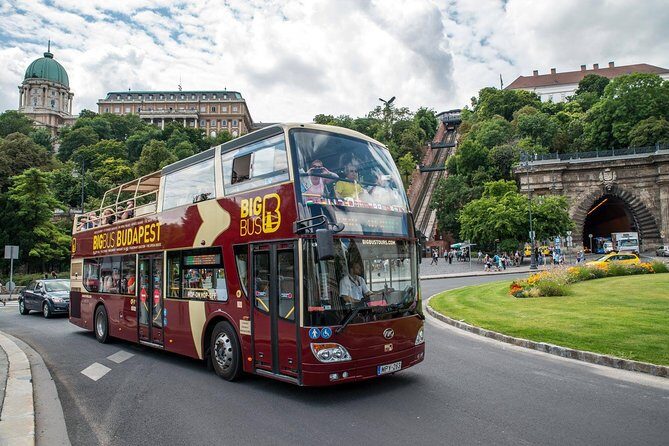
This is a straightforward sightseeing format: you get a ticket that lets you ride the route as much as you want within a set number of consecutive days (1, 2, or 3). The bus circles key areas of Budapest using a double-decker setup, and you can hop off when something grabs you—then hop back on later at the next stop.
A practical detail that matters: the route runs in one direction in a set flow. That means if you’re trying to get to a far stop (like Castle Hill area), you’ll want to plan for travel time rather than expecting instant drops anywhere on the map. If you’re using the bus as transport, not just sightseeing, start early and work forward.
For navigation, use their stop-finding tools if you have them in the app, because some stops can be easy to miss from street level. I’d also expect crowds at the busiest sights (Parliament, Chain Bridge, Heroes’ Square), especially in peak season.
If you want a simple plan: ride the full route once for orientation, then take shorter “second rides” to revisit the places you actually want to spend time on.
You can also read our reviews of more walking tours in Budapest



Starting Point to City Core: Bajcsy-Zsilinszky, St. Stephen’s, and the Chain Bridge
You begin near the Big Bus shop area at Bajcsy-Zsilinszky út (often your easiest “anchor” stop to find). From there, the route moves you toward the heart of the city, where the most recognizable views start stacking up.
Next up is St. Stephen’s Basilica, one of Budapest’s top photo targets. Even if you don’t go inside, the bus stop puts you close to the cathedral area so you can get your bearings quickly and decide whether you want time for the interior.
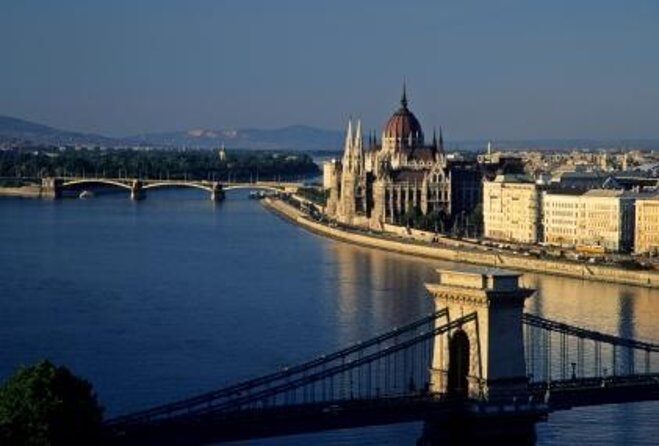
Then you’re at Széchenyi Chain Bridge, the classic crossing over the Danube. This is where the bus shines: the skyline view is the point. Hop off if you want a closer look at the bridge details or a river-facing walk; stay on if you’re saving your energy for later neighborhoods.
A small heads-up from real-world issues: audio quality can vary by bus. If your narration cuts out, don’t stress—just switch to the next bus when possible. That one habit prevents a frustrating half-tour where you’re hearing silence instead of the story.
Synagogues, Opera, and Andrássy Avenue: A More Elegant Side of Budapest
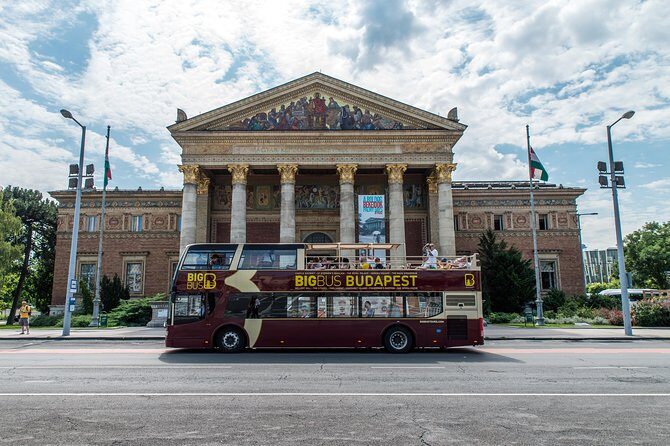
The route continues through some of Budapest’s grander, more “city-street” sightseeing. Dohány Street Synagogue is a major landmark stop. If you’re interested in architecture and history, this is one of the spots where hopping off can turn your bus ride into a true visit instead of just a glance.
Then you get Anker köz and Andrássy út (Andrássy Avenue). This corridor is known for its impressive streetscape vibe—so if you like walking and people-watching, hop off here for a slower look. If weather is nasty, you might just stay on for the views from above.
At Hungarian State Opera, you’re near one of the city’s most striking buildings. Even if you skip a performance, the bus stop makes it easy to check out the exterior. Pair this with Andrássy Avenue for a satisfying “Budapest looks like a capital” segment.
Practical tip: if you’re riding in cold weather, plan to spend more time downstairs for comfort when roofs close or seating gets damp. Some buses can have wet seats when the weather turns.
Heroes’ Square, Keleti Station, and Puskás Aréna: Big Monuments and Big City Energy
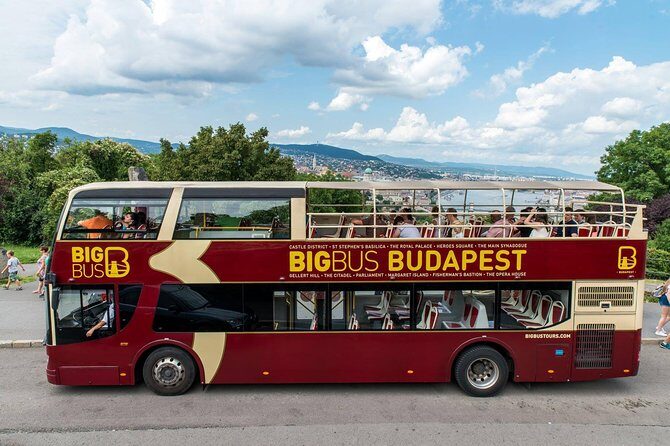
Heroes’ Square is one of the most famous Budapest stops on the route. It’s a perfect hop-off point for a short walk around the monument area and for getting that postcard perspective you’ll use later when you compare neighborhoods.
Then you roll by Keleti Railway Station. This is a good “you’re in the right place” landmark stop. Stations can feel chaotic, but they’re also useful orientation points—especially if you’re planning day trips later.
Near Puskás Aréna, you get a modern contrast to the older ceremonial areas. If you’re a sports fan or just like seeing how the city balances new with old, hop off for the view and photo angles. If not, stay on and save your time.
Váci Street, New York Café, and the Danube-Adjacent Feel
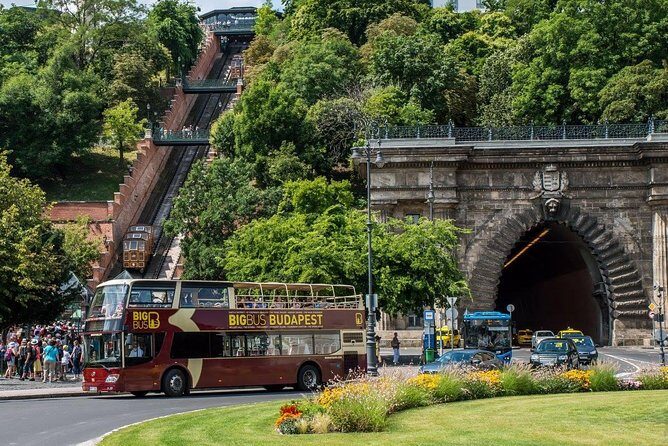
This part of the route turns more lively and shopping-focused. Váci Street is a classic central pedestrian corridor where you’ll find plenty to look at. It’s a great place to hop off for a coffee stop or a browse, especially if you want a break from landmark overload.
Next is New York Café. You might not go inside (it’s not listed as included), but the stop makes it easy to confirm it’s real, dramatic, and worth knowing about. If you do go in, treat it as a “special occasion” move rather than a quick coffee.
You’ll also pass Gellért Thermal Bath near Gellért Bath. This is one of the stops where you can connect your sightseeing plan to a real-world Budapest tradition: thermal bathing. Even if you don’t book a soak, the stop works for photos and for planning where to head later.






Castle Hill and Funicular: The View Payoff (Plan for Time)
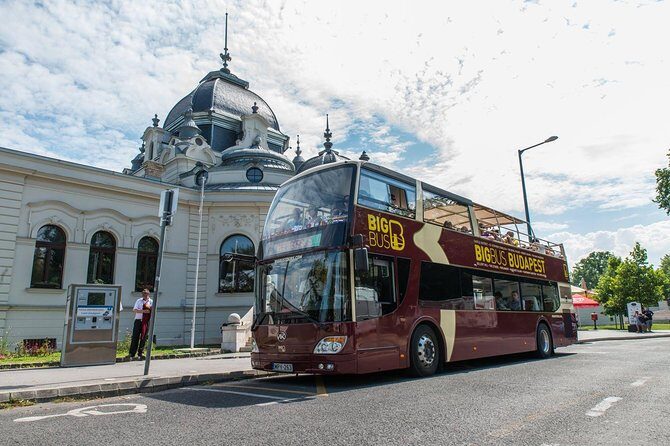
Here’s where Budapest starts looking like Budapest. You reach Castle Hill area via Castle Garden Bazaar and the Budapest Castle Hill Funicular stop. The funicular itself is a useful clue: the city is built in layers, and this stop helps you move between them.
Castle Hill is ideal for a longer hop-off because the value isn’t just one building—it’s the whole viewpoint grid: rooftops, river angles, and the sense of stepping into a different era. If you’ve got limited time, hop off, take your key photos, then decide whether to climb further.
One consideration: if you’re traveling with limited mobility or you hate stairs, you’ll want to think ahead about how far you’ll go from the stops. The route can get you close, but your final experience still depends on your willingness to walk and climb.
Synagogue and City Walks: Dohány Street to Margaret Bridge
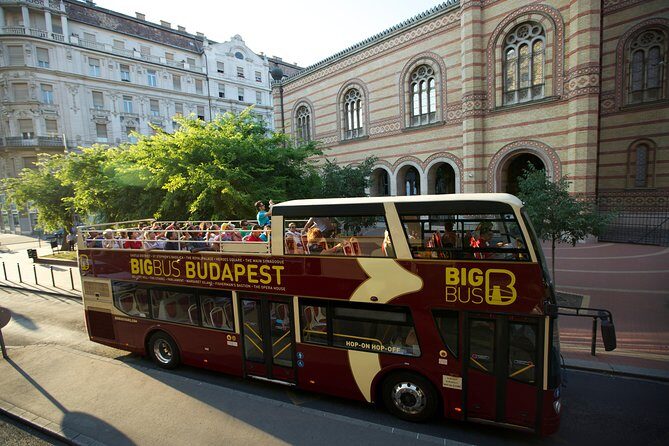
After the core sights, the route keeps feeding you landmarks with easy “drop-off and decide” moments.
You pass Batthyány tér (Batthyany Square), a Danube-leaning area that can work as a pause point if you want river air and fewer crowds than the absolute center stops.
Then comes Margaret Bridge (Margaret Bridge). This is a strong bridge-view moment—again, the bus is a good way to get the big picture quickly. Hop off if you want to walk partway across or just linger with a view. Stay on if you want to keep your day moving.
Finally, you reach Nyugati Railway Station. Like Keleti, it’s a useful landmark stop. It’s not only about travel convenience—it’s also a recognizable Budapest facade that helps break up the rhythm of monuments.
Parliament and Petőfi Square to Final Stops: The Grand Finale
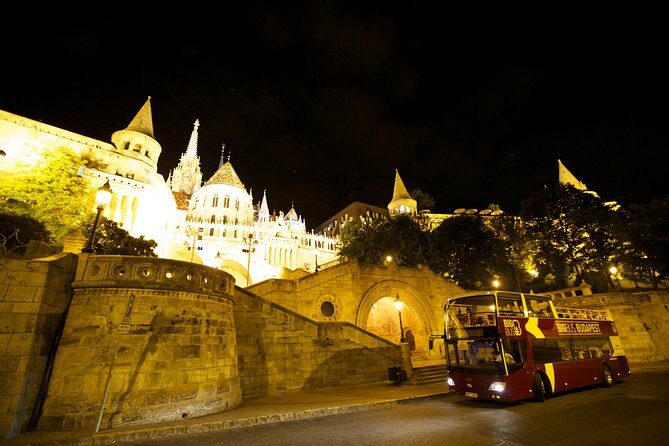
One of the biggest photo anchors on the route is the Hungarian Parliament Building. This is the stop many people mark as the “must.” If you can only spend time on a few off-bus moments, put Parliament high on your list.
As the route rounds out, you get stops like Petőfi Square and Fővám Square, then Kálvin tér and Astoria. These are helpful because they feel like real neighborhoods rather than just museum districts. Use them for quick breaks, snack runs, or to connect with local transit if you want to go deeper on your own.
The final stretch includes Bajcsy-Zsilinszky Road and a return to Nyugati Railway Station for the last end-point stop listed. In practice, this helps if you’re pairing the bus with other plans near central transit.
Walking Tour + Danube Discount: How to Pair Them Without Wasting Time
This package includes a 1-hour guided walking tour. That’s a big deal because it can turn your bus day from sight-seeing into understanding. The walking component is where you get the “why this matters” context, then your bus ride becomes easier to follow—stop after stop makes more sense.
Timing matters. If you can, do the walking tour early in your trip day so you build mental maps fast. Then use the hop-on hop-off buses to return to the spots you care about most.
For the river side, you get 30% off a Danube River Cruise. That’s useful value if you already know you want river views at some point. One review notes that the boat experience wasn’t what people expected when they’d booked with the idea of a full included hour, so I’d treat the cruise as something to confirm in advance with what’s currently offered for your exact sailing.
Also, some people reported window fogging on the boat, and some said there wasn’t commentary onboard. If this matters to you, choose your time of day carefully and mentally frame the cruise as scenic rather than educational.
On-Board Comfort and Audio: What to Expect Day-to-Day
The bus experience is generally designed for easy city riding, but Budapest weather and bus conditions can change your comfort level.
Common issues I’d prepare for:
- Crowding on peak sightseeing stops
- Roof conditions: you may see open or closed tops depending on weather
- Wet seats or leaks when the weather turns rainy or cold
- Audio that can cut out or go out of sync on some buses
How to handle it without ruining your day:
- If your narration fails, don’t wait it out. Hop to the next bus when you can.
- Choose your seat based on weather. Upstairs is great for photos, but downstairs often feels warmer and less exposed when it’s freezing or raining.
- If you’re sensitive to sound clarity, arrive a bit early to settle your spot. Some reported microphone clarity issues, and clarity matters when you’re trying to match narration to landmarks.
Also, expect that sometimes you’ll be asked to switch buses. That’s usually a scheduling or routing situation, but it can be annoying, especially in bad weather.
Price and Value Check: Is $42.13 a Good Deal?
At $42.13 per person, you’re paying for more than a one-shot ride. You’re buying:
- Unlimited hop-on hop-off access for 1 to 3 consecutive days
- A 1-hour walking tour
- Audio commentary in 16 languages
- A 30% discount on a Danube cruise
The real value depends on your touring style. If you’re the kind of traveler who does a tight loop of big sights, you might get less out of it than someone who wants to roam and revisit neighborhoods multiple times. Still, the hop-on hop-off structure can be a time-saver when you’re juggling transit decisions.
One review insight worth taking seriously: if you prefer using public transportation on your own, the bus can become less cost-efficient. Budapest public transit is frequent and can be a quiet, comfortable alternative—especially on days when bus audio or seating becomes less enjoyable.
My rule of thumb: book this if you want a guided, low-planning “city map with wheels”. Consider alternatives if you’re confident navigating on your own and you mainly want to target a small number of sites.
Who Should Book This (and Who Might Skip It)
This works best if you:
- Are visiting Budapest for the first time and want a fast orientation tool
- Like choosing stops based on mood and time, not a rigid schedule
- Want a mix of landmarks + neighborhood strolling
- Would benefit from the 1-hour walking tour context
You might want to skip or adjust expectations if:
- You’re picky about audio syncing and microphone clarity
- You’re traveling during weather extremes and really dislike cold or wet seating
- You plan to use public transit heavily and only need one or two specific visits
If you do book, I’d pair it with one simple strategy: ride the full route once for the overview, then spend your best time walking where you care most—Parliament, Heroes’ Square, and Castle Hill are usually the highest payoff.
Should You Book Big Bus Budapest?
I’d book it if you want an easy, flexible way to see the city’s big hitters without building a complex plan from scratch. The combination of double-decker sightseeing, 16-language audio, and the 1-hour walking tour gives you both the quick map effect and the “why it matters” context.
I wouldn’t oversell it as a perfect, silent classroom. Some buses can have audio problems, and comfort can vary with weather and crowd levels. If you go in ready to hop buses when needed—and you plan for a one-direction flow for far stops—you’ll get your money’s worth.
FAQ
How long is the Big Bus Budapest hop-on hop-off experience?
The duration is approximately 1 hour 40 minutes, and your pass lets you ride for 1, 2, or 3 consecutive days at your own pace.
How many stops does the bus route include?
The route has 27 stops, and you can board at any of them along the route.
Is audio commentary included, and how many languages are available?
Yes. Audio commentary is included and is available in 16 languages.
What other experiences are included besides the bus?
You get a 1-hour guided walking tour. You also receive a 30% discount on a Danube River Cruise.
Is hotel pickup or drop-off included?
No. Hotel pickup and drop-off are not included.
Can I choose a one-day, two-day, or three-day ticket?
Yes. The hop-on hop-off access is available for 1, 2, or 3 consecutive days.
What is the cancellation policy?
You can cancel for free up to 24 hours in advance for a full refund. If you cancel less than 24 hours before the experience starts, the amount paid is not refunded.