REVIEW · BUDAPEST
Private City Kickstart Tour: Budapest
Book on Viator →Operated by Withlocals · Bookable on Viator
Two hours. One smart start in Budapest. This private kickstart tour is built for people who want Budapest orientation without being stuck in a big group line. You’ll walk with a local host, get context for what you’re seeing, and walk away with tailored recommendations for the rest of your stay.
I especially like how the tour stays personal and flexible. You’re not just collecting photos—you’re learning how the city is laid out and what to prioritize next, with help from guides like Nick, Zsofia, Noemi, Ánges, and Gábor (depending on who you’re paired with). One thing to watch: like many small tours, the experience depends on the guide showing up on time—there was at least one serious no-show complaint in the feedback, so I’d plan to arrive a few minutes early and keep an eye on any day-of updates.
In This Review
- Quick Takeaways
- Entering Budapest With a Local, Not a Script
- Where You Meet: Deák Ferenc tér Start, Easy Public Transit Access
- Hungarian National Museum: Why Stop Here First
- Vigadó Square (Vigado ter): 19th-Century Budapest in One Block
- Elisabeth Bridge: Passing the Danube’s Most Famous Connector
- The Optional Extra Stops: How Your Route May Change
- What “Local Tips and Tricks” Really Means on This Tour
- Tailored Time: When Guides Give More Than the Clock
- Price and Value: Is $71.35 Worth It?
- Logistics That Matter: Tickets, English, and Moderate Pace
- Who This Tour Suits Best (and Who Might Prefer Something Else)
- Should You Book This Budapest Private Kickstart Tour?
- FAQ
- How long is the Private City Kickstart Tour: Budapest?
- Is this tour private?
- What’s the maximum group size?
- What languages is the tour offered in?
- Is admission included for the Hungarian National Museum?
- Are the other stops free to visit?
- Where does the tour meet and start?
- Does the tour include hotel pickup or drop-off?
- Is food or drinks included?
- What cancellation options are available?
Quick Takeaways
- Private, small-group feel (max 8): You can ask questions and steer the pace.
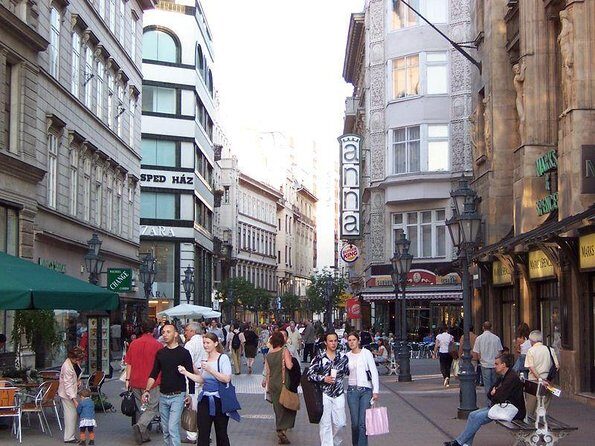
- City orientation that helps you plan fast: Guides often point out where to go next in Pest and Buda.
- Smart early context: Starting at the Hungarian National Museum helps everything click.
- Two easy photo stops included: Vigadó Square and Elisabeth Bridge are free to visit.
- Budget note for tickets: Museum admission is not included, so set aside time and money.
- You end where you start: The tour loops back to the meeting point, so it’s easy to build your day.
Entering Budapest With a Local, Not a Script
This is the kind of tour that works best on day one—especially if Budapest feels big, confusing, or split into two personalities. The city is famously divided by the Danube, and if you arrive without a mental map, you can waste hours guessing which side to do first.
That’s why I like this format: it’s private for your party, so your local guide can shape the walk around what you’re actually curious about. Some people want architecture. Others want political history. Others just want to know where the most pleasant walking streets are and how to move between major sights without burning energy. A private host makes that possible in a way group tours can’t.
And at about two hours, you get momentum without getting locked into a whole day you didn’t plan. It’s not meant to replace the big paid sights; it’s meant to help you choose the right next steps.
You can also read our reviews of more city tours in Budapest



Where You Meet: Deák Ferenc tér Start, Easy Public Transit Access
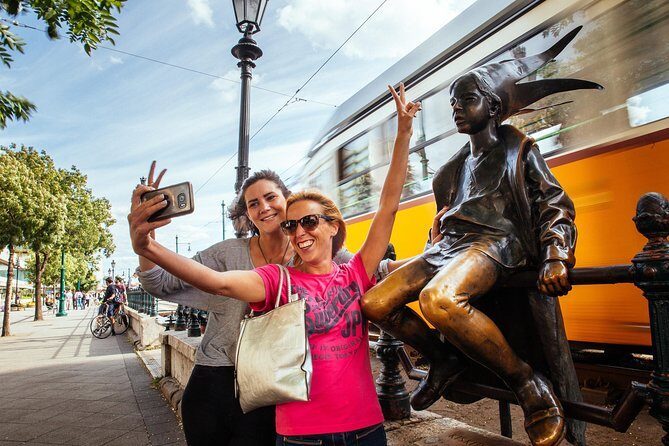
The tour starts at Deák Ferenc tér 4 (1052) in Budapest. This is a central area, which matters because it turns your tour day into something simple: you can reach the meeting point by public transport rather than relying on a complicated pickup.
There’s also no hotel pickup or drop-off included, so you’ll be doing a short “get yourself there” moment. For most visitors, that’s a plus—less waiting, fewer schedule mismatches, and you keep control of your own morning.
The tour also ends back at the same meeting point. That helps if you’re planning lunch nearby, hopping onto another reservation, or just want a clean reset before your afternoon.
Hungarian National Museum: Why Stop Here First
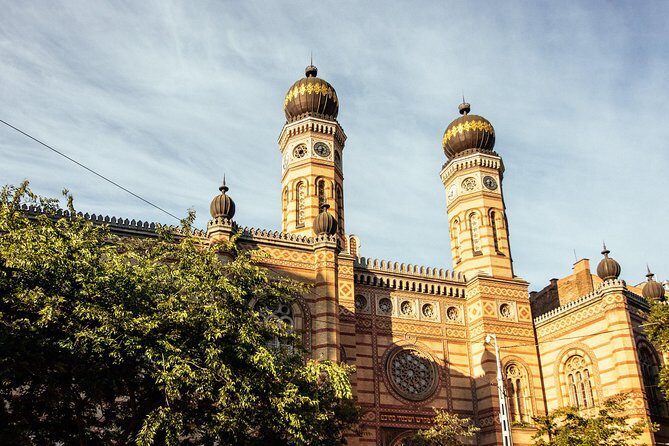
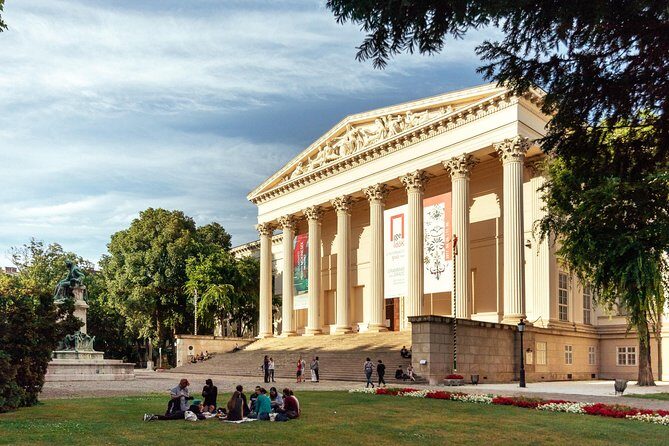
Your first stop is the Hungarian National Museum, a major place for understanding the Carpathian Basin and Hungarian historical collections going back to the early 1800s. Even if you don’t plan to spend hours inside, the exterior and the surrounding area give you a foundation for the stories you’ll keep hearing all trip.
Two practical notes:
- Admission isn’t included, so you should be ready to pay separately if you decide to go in.
- Your time here is short—about 10 minutes—so you’ll likely focus on orientation rather than a full museum visit.
Still, that quick start can pay off later. Budapest can feel like a collection of beautiful facades unless someone connects the dots for you. A local host can connect what you’re seeing today to why these institutions and civic spaces matter.
If you’re the type who loves museums, you might even use this stop as a trigger to plan a deeper visit on another day—because this is a museum you’ll probably want more time in.
Vigadó Square (Vigado ter): 19th-Century Budapest in One Block
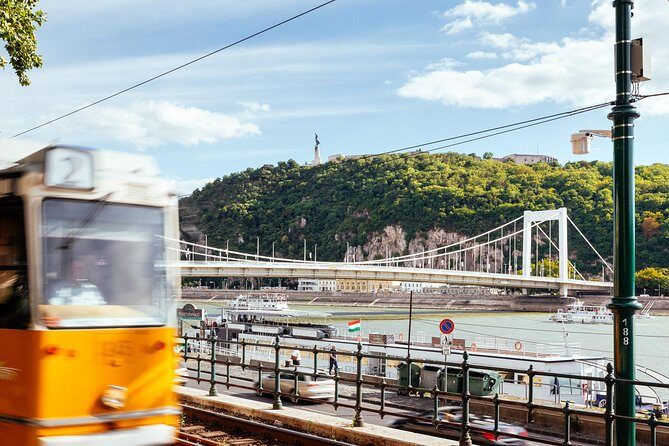
Next up is Vigadó Square (Vigado ter), with a view toward Budapest’s 19th-century concert hall atmosphere. This stop is short—around 5 minutes—but the idea is to show you the city’s cultural backbone in a quick, memorable way.
The best part here is that it’s free, so there’s no ticket decision hanging over your head. That makes it an easy win, especially if you only have one morning or one afternoon to get oriented.
This is also the kind of stop where the guide’s commentary matters. You’re not just looking at an old building—you’re learning how the city’s social life, music, and public spaces shaped how Budapest presented itself. It’s the sort of context that makes later sights feel less random.
Elisabeth Bridge: Passing the Danube’s Most Famous Connector
You’ll also pass by Elisabeth Bridge, the Erzsebet Bridge, with another quick 5-minute stop for the view. Like Vigadó Square, this is free.
This works well because it anchors your understanding of the Danube. Even if you don’t walk the bridge itself during this tour, you get an immediate sense of how the river functions like a divider and a connector at the same time. Then, later on, you can choose the best time to cross on foot when you want the best views and less crowd pressure.
One tip: when you’re doing a short orientation walk, stand where the guide tells you to stand. It can feel like “just a bridge,” but the angles and sightlines are often the difference between a forgettable photo and a view that helps you navigate the rest of your trip.
You can also read our reviews of more private tours in Budapest






The Optional Extra Stops: How Your Route May Change
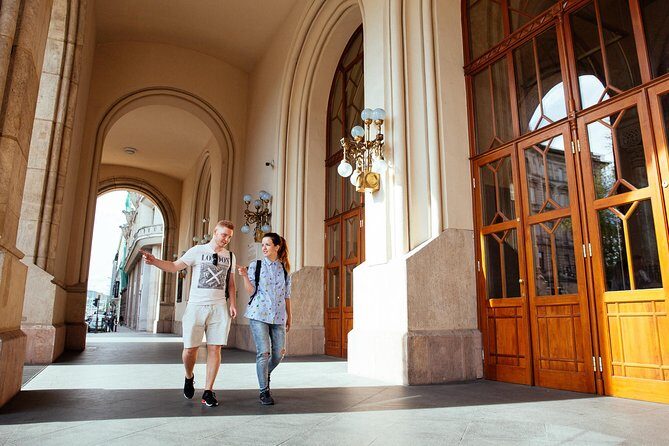
The itinerary includes a few additional “possible stops” that depend on your host and their chosen route. The key thing here is mindset: this tour isn’t only about hitting a checklist of monuments. It’s about using the walk to teach you how the city flows, and that can mean slight route differences.
So if you’re booking with expectations like I want exactly these three sights and nothing else, you might be a little surprised. If you’re booking with expectations like I want my guide to tailor the walk, this flexibility is exactly the point.
What “Local Tips and Tricks” Really Means on This Tour

The tour includes local tips and tricks and city orientation, and that’s where you’ll feel the difference between a private walk and a basic sightseeing loop.
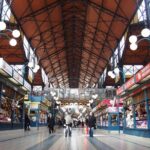
In the feedback, guides like Zsofia and others are described as helping people get their bearings fast—covering where things are in Pest, how the Danube relates to the main sights, and which areas are best for relaxed walking. Some guidance has included pointers toward big pedestrian zones and even the Central Market Hall area as a follow-up target.
That matters because Budapest rewards planning. If you can set your base side (Pest vs. Buda), choose routes that avoid backtracking, and know what to do first, the city feels easy. Without that, it can feel like you’re always traveling between “almost there” locations.
A good guide also helps you avoid common time traps, like spending half a day going the wrong direction because the map doesn’t match what your feet experience. In a two-hour private format, the goal isn’t to see everything. The goal is to set you up so the rest of your trip runs smoother.
Tailored Time: When Guides Give More Than the Clock
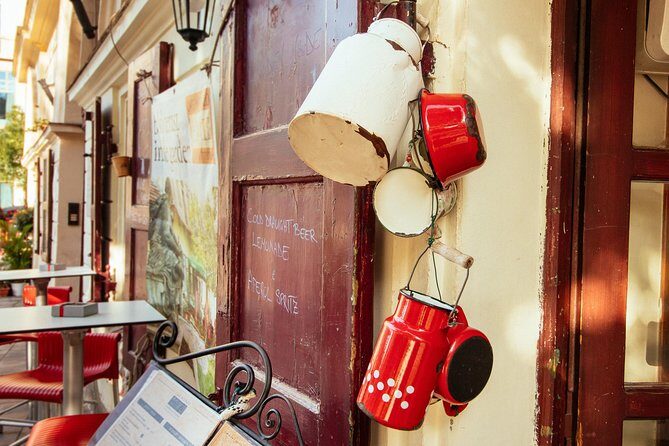
A couple of standout comments in the feedback emphasize how guides adjust based on interest. In at least one case, a guide (Gábor) reportedly spent extra time beyond the scheduled window because people were truly engaged. That’s not something you should count on, but it hints at a real strength of this format: many hosts treat orientation as a conversation, not a countdown.
When you book a private kickstart tour, you’re paying for that human layer. Your questions matter, and your route can respond. If you love history, you’ll likely get more of it. If you care about neighborhoods, you’ll likely get more of that. If you want photo angles and practical walking guidance, your guide can shape the walk around that too.
Price and Value: Is $71.35 Worth It?
At $71.35 per person for roughly two hours, this price lands in the “you’re buying convenience and a smarter first day” category.
Here’s the value math I’d use:
- You’re getting a private tour (not just a crowded group with someone holding a mic).
- You’re paying for local expertise plus orientation so you can plan the rest of your trip with less guessing.
- You get a small group cap (max 8), which often keeps things from turning chaotic.
- Two of the main stops are free (Vigadó Square and Elisabeth Bridge), and the museum is short—so you’re not paying for a bunch of entrances inside the time limit you have.
The one cost you should expect on your side is Hungarian National Museum admission, since it isn’t included. If you plan to go in, budget that extra amount. If you’re not going in, the stop still helps you understand what you’ll see later.
So is it worth it? For me, yes—when you’re on a short timeline or you want a confident first day. If you already have a strong grasp of Budapest layout and you prefer to build your own walking plan with zero guidance, you might find a cheaper self-guided option fits better.
Logistics That Matter: Tickets, English, and Moderate Pace
This tour includes a mobile ticket, which helps you avoid printing and keeps things simple once you’re on the move.
It’s offered in English, and the tour may be operated by a multi-lingual guide, depending on availability. If you need very specific language support, it’s smart to confirm when you book.
The pace is described as moderate physical fitness. That usually means walking for stretches and standing for brief viewing stops, but not an intense hike. Still, if you’re sensitive to stairs or long walks, you’ll want to plan your day so you’re not stacking multiple active experiences back-to-back.
Who This Tour Suits Best (and Who Might Prefer Something Else)
This is an excellent match if you:
- Want a first-day orientation you can build on right away
- Prefer a private experience over a larger group tour
- Like history and context, not just sightseeing
- Enjoy walking and want help planning Pest vs. Buda
It might be less ideal if you:
- Want a full museum experience. The museum stop is brief, and admission is extra.
- Already know exactly where you want to go and don’t need guidance for routes.
- Are very dependent on everything being perfectly scheduled and punctual, because—like any live service—rare operational issues can happen.
Should You Book This Budapest Private Kickstart Tour?
I’d book it if Budapest is your first time in town and you want your bearings fast. The strongest part of the tour is the human orientation: you get a local guide, a short set of key sights that make sense together, and tailored suggestions to turn the rest of your trip into a plan instead of guesswork.
I’d think twice only if you’re the type who needs a long, deep stop inside major sites like museums. This tour is a kickstart, not a marathon.
Finally, if you decide to go, do this simple thing: arrive a bit early at Deák Ferenc tér and keep your phone ready. That small move helps you protect your afternoon if anything ever shifts.
FAQ
How long is the Private City Kickstart Tour: Budapest?
It’s listed as about 2 hours.
Is this tour private?
Yes. It’s a private tour/activity, meaning only you and your local guide participate.
What’s the maximum group size?
The maximum is 8 people per booking.
What languages is the tour offered in?
The tour is offered in English, and it may be operated by a multi-lingual guide.
Is admission included for the Hungarian National Museum?
No. Admission ticket for the Hungarian National Museum is not included.
Are the other stops free to visit?
Vigadó Square and Elisabeth Bridge are listed as free, with no admission required.
Where does the tour meet and start?
It starts at Budapest, Deák Ferenc tér 4, 1052 Hungary.
Does the tour include hotel pickup or drop-off?
No. Hotel pickup and drop-off are not included.
Is food or drinks included?
No. Food and drinks are not included.
What cancellation options are available?
Free cancellation is available. You can cancel up to 24 hours in advance for a full refund.