REVIEW · BUDAPEST
Budapest Panorama Walk
Book on Viator →Operated by Trails of Budapest Hiking Tours · Bookable on Viator
Gellért Hill makes Budapest look like a postcard. This short, guided walk focuses on panoramic city views and the key monuments along the ridge, with a human guide who keeps the story practical, not lecture-y. I also like that the stops are quick and easy to stack with the rest of your day, since the walk is about 2 hours and most of the sightseeing is outdoors.
The main thing to plan for is the terrain. Expect some incline and stairs, and if the ground is slick (ice or snow), the paths can be slow-going.
In This Review
- Key Takeaways Before You Go
- Why This 2-Hour Gellért Hill Walk Feels Like a Smart Shortcut
- Getting Started: House of the Water Spring and the Walk’s Overall Rhythm
- Stop 1: Citadella and the Liberty Statue Views
- Stop 2: Garden of Philosophers Statues and the Buda–Pest Connections
- Stop 3: Szent Gellért Monument, a Waterfall Moment, and the Finish
- The Guide Factor: Why Laszlo’s Style Makes the Walk Better
- Price and Value: Paying for Time, Not Ticket Fees
- Pace, Shoes, and Weather Reality on the Gellért Ridge
- Best For: Who Should Book This Panorama Walk?
- Should You Book the Budapest Panorama Walk?
- FAQ
- How long is the Budapest Panorama Walk?
- Where does the tour start and end?
- What language is the tour offered in?
- Is there admission cost for the stops?
- How large is the group?
- What is the cancellation policy?
Key Takeaways Before You Go
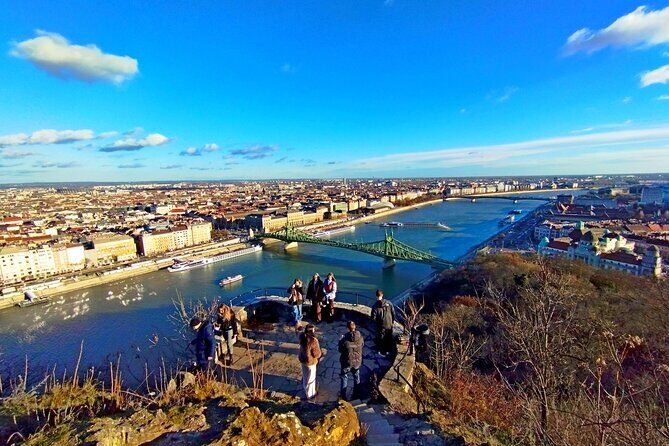
- Gellért Hill viewpoints: get skyline views without a long hike.
- Three major stops in about 2 hours, with plenty of time to look up and around.
- Free-entry sightseeing at each stop, so you’re paying for the guide and time.
- Small groups (max 10) make it easier to ask questions and move at a comfortable pace.
- Guide support in real conditions, including slower pacing when paths are icy.
- A mobile ticket helps you avoid fuss right before you start.
Why This 2-Hour Gellért Hill Walk Feels Like a Smart Shortcut
If you’re in Budapest for the first time, time is the enemy. This walk gives you a concentrated hit of viewpoints and iconic landmarks without turning your day into a full-on trek.
The route is built around Gellért Hill, which is one of the best places to see how the city lays itself out. You’ll look over parts of Budapest from above, then step through smaller, more focused stops where the statues and details add meaning. I like that the tour doesn’t rush you into a checklist. Instead, it’s a sequence of “look here, then here,” so you end up with a real sense of place fast.
You’ll also appreciate the group size. With a max of 10 people, the guide can slow down when someone needs a breather. If you’re new to Budapest or you’re not trying to power-walk, this works well.
You can also read our reviews of more walking tours in Budapest



Getting Started: House of the Water Spring and the Walk’s Overall Rhythm
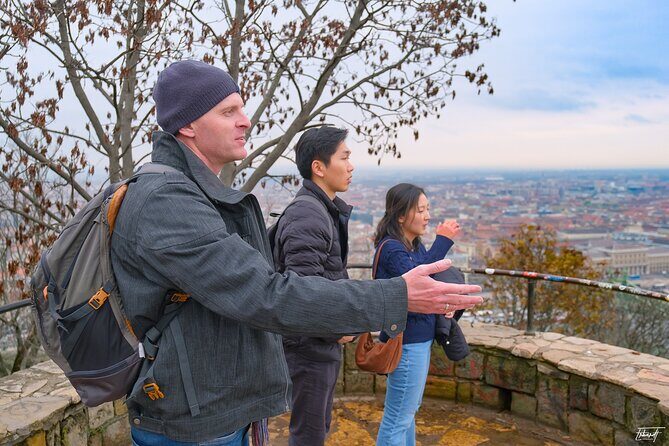
The tour begins at House of the Water Spring at Szent Gellért tér 1 (1111). That start matters because you’re already on the right side of the hill game. You’re not wandering through random streets to find the views; you’re starting where the hill’s famous sights connect.
From there, the rhythm is simple. You move to one viewpoint-focused stop, spend about 10–20 minutes there depending on the site, and then continue along the ridge. Most of the time is spent outside, and you’ll naturally slow down to take photos, scan the city, and listen.
If you’re thinking about comfort, plan for real walking shoes. Even though it’s “panorama,” it’s still a hillside route. And if weather has turned the paths slippery, you may move more slowly than you expect.
Stop 1: Citadella and the Liberty Statue Views

Your first major stop is Citadella, where you’ll see the Liberty Statue (the Citadel and the Liberty statue are free to access during the stop). This is the kind of viewpoint that makes you understand Budapest’s scale. From up here, you can take in a broad sweep of the city and get that classic “I finally get it” feeling.
What I like about starting here is the payoff. You reach a big panoramic moment early, so the rest of the walk feels like you’re adding context instead of chasing your first good view at the end.
Practical note: plan a little extra time for staring up and then down again. The slope and angles can make it easy to miss details if you only look straight ahead. If you’re the kind of traveler who likes to connect monuments to the places around them, this stop sets you up perfectly.
Stop 2: Garden of Philosophers Statues and the Buda–Pest Connections
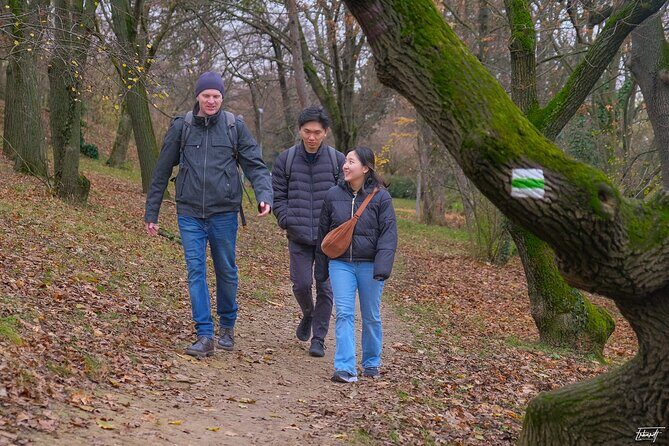
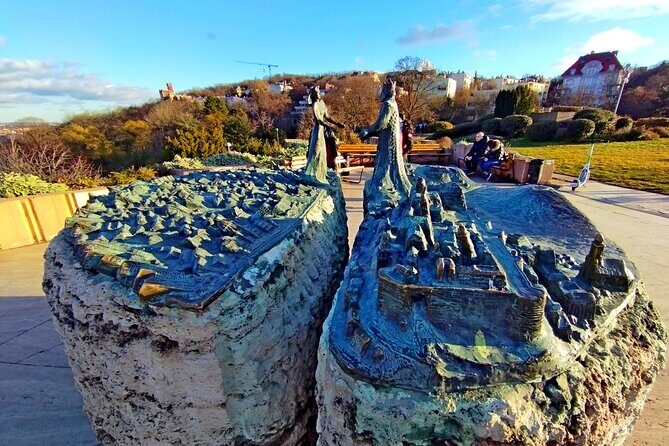
Next comes the Garden of Philosophers, where you’ll see the statue set and also the themed figures including the prince Buda and princess Pest. Again, it’s free-entry sightseeing during the stop.
This is a clever change of pace from the wide-open view at Citadella. Instead of focusing only on what’s far away, you focus on symbols and figures that point back to Budapest’s identity. Buda and Pest aren’t just labels on a map—they’re tied to how people describe the city’s history and personality.
You’ll get about 20 minutes here, which is enough to wander slowly, notice the statue groupings, and still keep the tour moving. If you like meaningful details (and you enjoy asking questions), this is a great stop for it. The whole area rewards taking a breath and reading the scene the way you would in a museum—but outdoors.
One consideration: because it’s a garden area, you may have uneven ground in places. If it’s been cold, the surface can feel more slippery than it looks. Move carefully and let the guide set the pace.
Stop 3: Szent Gellért Monument, a Waterfall Moment, and the Finish
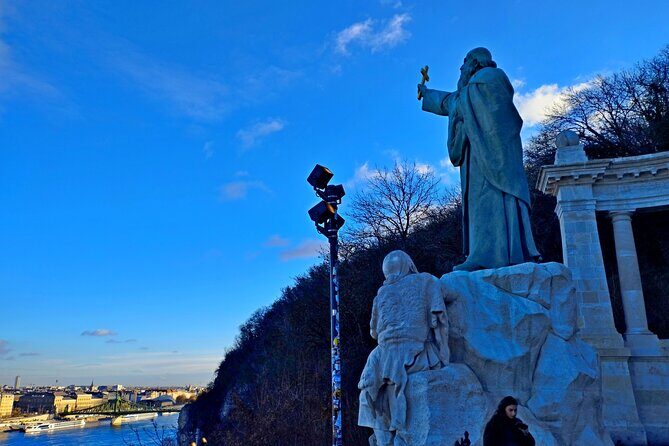
The final stop is the Szent Gellert Monument, including the statue of Saint Gellért and a waterfall element nearby. The stop is shorter—about 10 minutes—but the ending is the point.
You finish at the feet of the Gellért-waterfall at Gellért Hill Waterfall near Szent Gellért rkp. 16 (1013). Ending with water gives the whole walk a satisfying close. It’s a visual reset from the wide skyline views, and it’s a natural place to linger if you want one last look before heading back down.
Even if you’re not a “waterfall person,” you’ll probably enjoy the contrast. From high viewpoints to a wetter, more grounded finish, it helps your brain connect the different levels of the hill. And if you like little surprises, keep your eyes open for wildlife. One guide experience included a fox sighting during the walk, which was just the kind of moment that makes a short tour feel memorable.






The Guide Factor: Why Laszlo’s Style Makes the Walk Better
A big part of this tour’s appeal is how the guide handles the mix of views and explanations. In the experiences shared, the guide—Laszlo—was repeatedly described as warm, engaging, and willing to answer questions in real time.
That matters because Budapest can feel like a blur if you’re bouncing from one stop to another with only guidebook explanations. A good guide helps you connect what you’re seeing to why it’s there, without turning it into a march. The result is you learn just enough to make the city feel personal and understandable.
There’s also a practical “human touch” angle. In at least one story, Laszlo helped coordinate the perfect moment for a proposal, including helping set up a photographer and finding the right spot on the route. That doesn’t mean your tour will be dramatic, of course. It just tells you the guide is paying attention to what’s happening around you—and that can add real value if you’re traveling with family, or you have something special planned.
If you want to get more out of the walk, treat it like a conversation. Ask questions. Point at what you’re curious about. The best moments usually come from curiosity, not from waiting for the guide to lecture.
Price and Value: Paying for Time, Not Ticket Fees

The price is $36.28 per person for about 2 hours. That sounds reasonable when you think about what’s included: a guided walk in English, a small group (max 10), and a mobile ticket.
The big value point is that the major viewing stops are free to enter during your visit. So you’re paying for the guide’s guidance and the structure that gets you to the best viewpoints efficiently. In other words, you’re not buying multiple admission tickets along the way. You’re buying a route and context.
Group discounts are also part of the deal. If you’re traveling with friends or family, it can make the per-person cost even more attractive.
The other value angle is time. A short tour like this is ideal if you have limited hours on the hill but still want more than a random self-guided stroll. You get to feel confident that you hit the highlights without wasting daylight wandering.
Pace, Shoes, and Weather Reality on the Gellért Ridge

This walk is marketed for most travelers, and the short duration helps. But let’s be honest: it’s still a hillside. Expect some incline and stairs across the route. The good news is that the pace can be adjusted.
In one experience, paths became icy due to recent snow. The guide helped people out and slowed down to accommodate a guest who needed a more careful pace. That’s exactly the kind of flexibility you want on a short panorama walk. You shouldn’t feel rushed, especially when photos and viewpoints are part of the point.
What you should do: wear shoes with grip. If it’s cold, dress in layers. And if you’re traveling with kids, older adults, or anyone with mobility limits, it’s worth thinking through the stairs and uneven areas. This is a gentle walk compared with longer hikes, but it’s not a flat stroll.
Also, build a little extra buffer time for photos. If you treat the viewpoints like quick stops, you’ll miss the best part: the slow look that makes the city’s shape click.
Best For: Who Should Book This Panorama Walk?
This tour is a great fit if you want:
- Top viewpoints without an all-day hike
- A guided route that helps you get oriented quickly
- A relaxed pace where you can ask questions
- A small group experience rather than a large crowd
It’s also ideal if you’ve been to Budapest once already and want a stronger second pass. The city changes how it feels when you understand how the hill viewpoints connect neighborhoods.
If you’re traveling with parents or relatives who want history and views but don’t want nonstop walking, this format works well. It’s structured enough for first-timers, but flexible enough for people who move slowly.
Should You Book the Budapest Panorama Walk?
If you’re trying to choose between a random self-guided climb and a short guided option, I’d lean guided—especially if it’s your first time in Budapest. For the money, you’re getting a compact route with big views, three memorable stops, and a guide who’s willing to tailor the pace and answer questions.
Book it if you want an efficient way to learn while you look. Skip it if you’re looking for a long, strenuous hike or if your group is uncomfortable with stairs and uneven terrain. And if winter weather is in the forecast, plan for slippery paths and consider bringing footwear with good traction.
Overall, this is the kind of tour that makes your Budapest photos make sense later. You’re not just capturing scenes—you’re learning how the city sits on the hill.
FAQ
How long is the Budapest Panorama Walk?
It runs for about 2 hours.
Where does the tour start and end?
It starts at the House of the Water Spring (Szent Gellért tér 1, 1111) and ends at the feet of the Gellért-waterfall (Szent Gellért rkp. 16, 1013).
What language is the tour offered in?
The tour is offered in English.
Is there admission cost for the stops?
During the stops, admission tickets are listed as free.
How large is the group?
The tour has a maximum of 10 travelers.
What is the cancellation policy?
You can cancel for a full refund up to 24 hours before the experience starts.