REVIEW · BUDAPEST
From Budapest: Mátra Hills Wine Tour
Book on GetYourGuide →Operated by Wine The Gap Kft. · Bookable on GetYourGuide
A wine tour beats another museum day in Budapest. This one sends you to the Mátra Hills, Hungary’s big-name wine country, for hands-on tastings and winemaker conversations. In only 5 hours, you trade city time for countryside and leave with a real sense of how Hungarian wine gets made.
I like two things a lot: the chance to taste up to 8 different wine varieties across 2 local wineries, and the access to people who actually make the stuff. One of the winemakers you’ll meet has been named Hungarian Winemaker of the Year, so the talk tends to be practical, not just marketing.
One consideration: this is an adult-only tour (not suitable for kids under 18), and the schedule is tight. If you want long lingering time in one place, you may feel a bit “on the move.”
In This Review
- Key takeaways before you go
- A fast Budapest escape to the Mátra Hills
- What you’ll taste: up to 8 varieties across 2 wineries
- Winery visits: meeting winemakers (and why it’s better than a lecture)
- Snacks and sipping: meat, cheese, and olives make the day work
- The guide experience: what you’ll learn on the drive
- Return transport and small-group pacing from Budapest
- Price and value: is $341 worth it?
- Who this Mátra Hills wine tour fits best
- Should you book it?
- FAQ
- How long is the Mátra Hills Wine Tour from Budapest?
- How many wineries will we visit?
- How many wine tastings are included?
- What kind of wine styles will we taste?
- Are snacks included during the tastings?
- What’s the group size like?
- Is there an English guide?
- Where do we start and end the tour?
- Is the tour suitable for children?
- What are the cancellation and payment options?
Key takeaways before you go
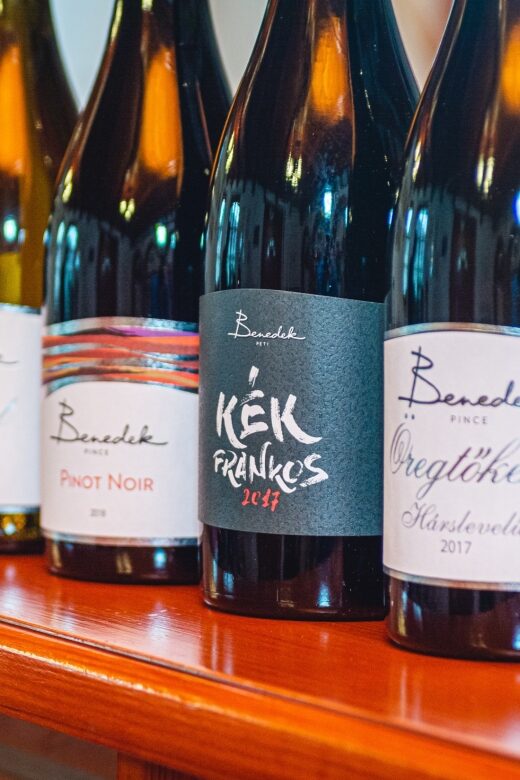
- Mátra Hills wine country, in a half-day: you get a countryside break without losing your whole day to travel
- Tastings at 2 wineries: the format is clear—sample multiple wines at each stop
- Meet the Hungarian Winemaker of the Year: you’re not just tasting; you’re hearing how the region works
- Snacks included with the pours: meat, cheese, and olives help keep things grounded and social
- Small group size (8 people max): more talk with your guide and fewer awkward “who’s next?” moments
A fast Budapest escape to the Mátra Hills
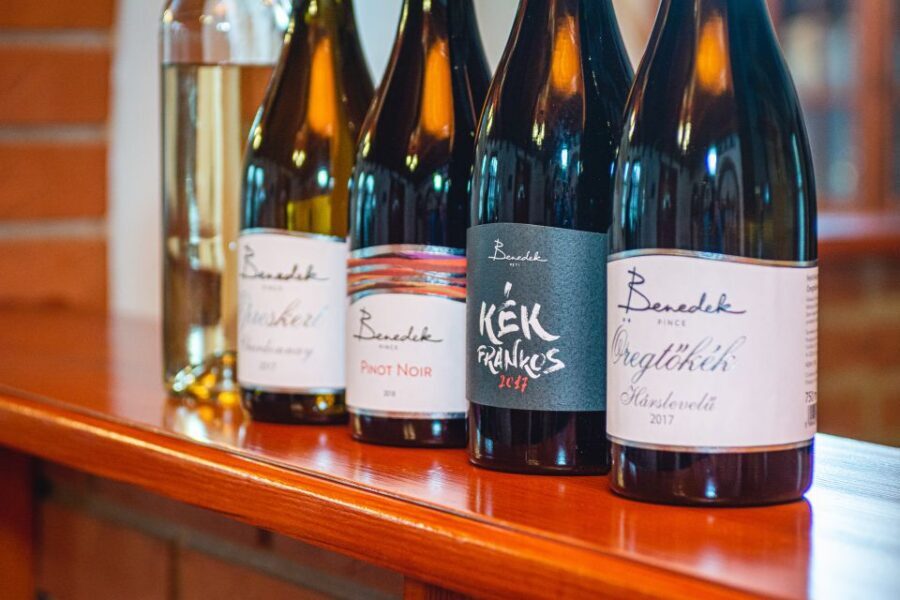
If you’re staying in Budapest and want something different than cafes and river walks, this tour is a clean switch. You’ll head out from the city to the Mátra Hills, a major wine-growing area known especially for white wine, though the tasting menu also includes standout reds.
The best part for time-crunched travelers is the 5-hour format. You get the full day-trip feeling—guidance, transport, winery visits—without the “I’ll be dead by dinner” effect. And because it’s a small group capped at 8 participants, you’re less likely to feel like a number being herded from one stop to the next.
The itinerary is built around learning as you go. On the drive from Budapest, your English-speaking guide shares background on Hungary’s wine traditions. That matters because it turns tastings into something you can interpret, not just drinks you sample and forget.
You can also read our reviews of more wine tours in Budapest

What you’ll taste: up to 8 varieties across 2 wineries
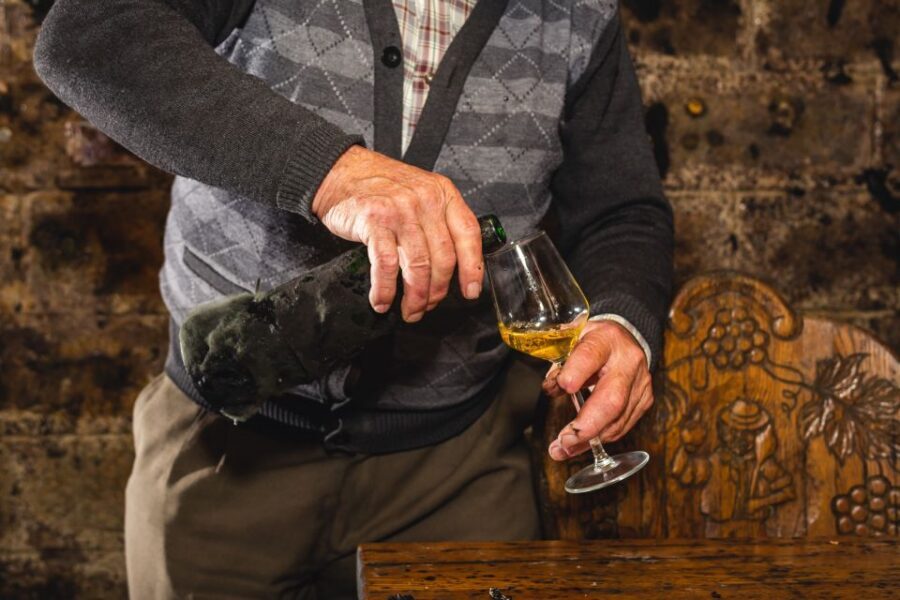
The heart of this experience is the tasting itself. The tour is structured so you visit 2 local wineries, and you sample 4 wines at each winery. That’s how you can end up tasting as many as 8 different wine varieties during the day.
What I like about this approach is that it creates a “compare and contrast” day. You’re not only switching locations; you’re also seeing how different producers handle similar raw material from the same region. Even if you’re not a wine expert, you’ll notice differences quickly—dry vs. fuller styles, lighter whites vs. deeper reds, and how each producer talks about their choices.
Also, the region’s reputation matters here. Mátra Hills is known for its whites, so you’re likely to spend a good chunk of your tasting on that side of the spectrum. But since the tour also includes reds, you can avoid the common downside of wine days in white-focused regions: leaving feeling like you only skimmed half the story.
Practical tip: pace your sips. Tastings can sneak up on you fast, even when you’re careful. The snacks included help, but it’s still smart to slow down, take notes (even a phone note is fine), and compare the same way you’d compare restaurants—one question at a time: How does it smell? How does it finish?
Winery visits: meeting winemakers (and why it’s better than a lecture)
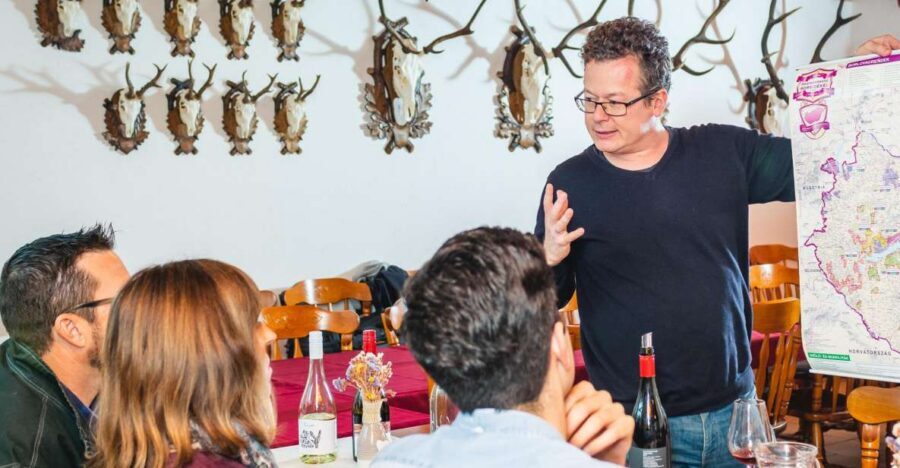
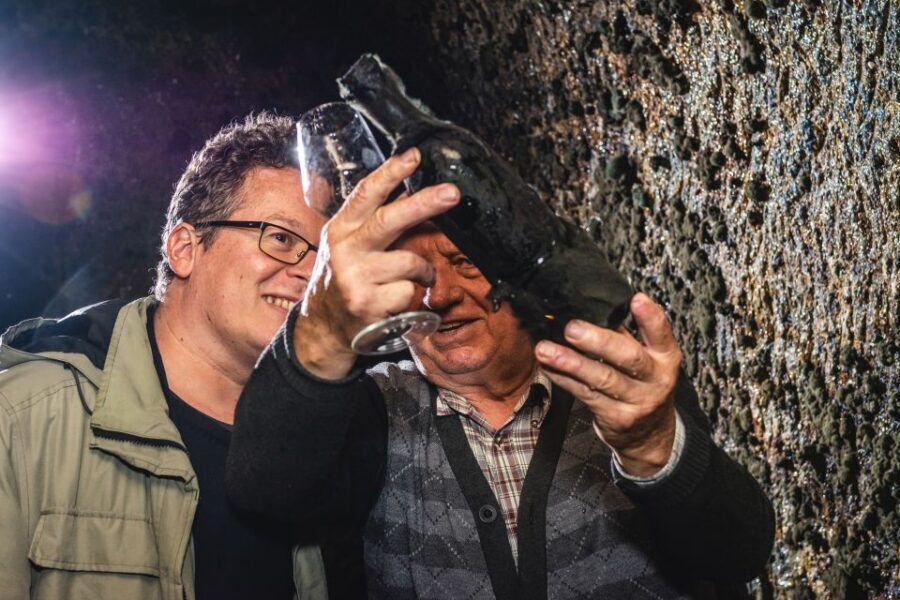
This tour doesn’t treat winemakers as scenery. At each winery, you get the chance to meet local winemakers and learn about their work directly. That kind of access turns the day from passive to interactive.
The big headline is that one of the winemakers you’ll meet was recently awarded the title Hungarian Winemaker of the Year. That’s not just a trophy to name-drop. In practice, when a top producer sits down with a group, the conversation tends to focus on the nuts and bolts: how they approach quality, what they pay attention to in the vineyard, and what they think makes a wine represent the region.
At the same time, you’ll meet more than one person behind the bottles. That gives you a broader view of how the Mátra Hills ecosystem works—different minds, different techniques, same regional identity. Even if you don’t remember every detail, you’ll walk away with a clearer sense of how Hungarian wine traditions connect to what’s in your glass.
One small drawback of meeting winemakers: you may want more time to ask follow-ups. The experience is organized for a half-day, so your best strategy is to come with 2 or 3 questions ready. For example: What makes this region’s whites work? What do you personally look for when tasting your own red?
Snacks and sipping: meat, cheese, and olives make the day work
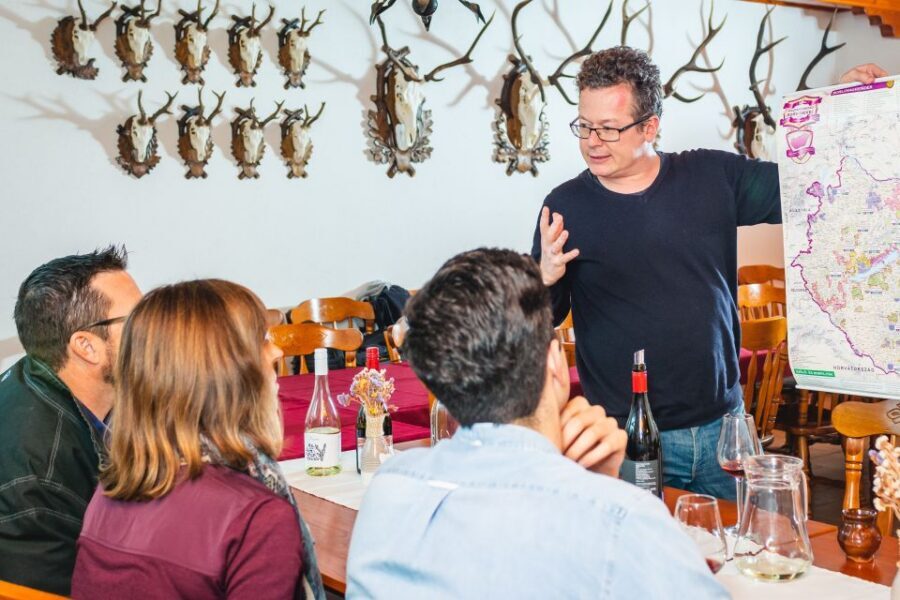
Wine tastings feel much better when there’s real food involved, and this tour includes local snacks. You can expect a range that includes meat, cheese, and olives.
I like these choices because they’re straightforward and practical. They help you handle acidity in whites, tame tannins in reds, and keep the experience from turning into a pure tasting sprint. Plus, sharing snacks in a winery setting makes the conversation easier. It’s not just about the science of wine; it’s also about the social rhythm of the day.
If you’re the type who normally under-eats before wine tours (easy to do), this is helpful. Still, don’t treat the snacks like a full meal. Eat lightly before you go so you’re comfortable through both winery visits.
The guide experience: what you’ll learn on the drive
A wine tour is only as good as the person steering the story. This tour includes a live guide in English, and the drive from Budapest is part of the learning experience.
In one verified booking, the guide named Mikki was highlighted for being experienced and having strong familiarity with the region’s wine growers. That’s a big deal because it usually translates into tastings that come with context. Instead of hearing generic descriptions, you’re more likely to get explanations tied to how winemakers operate locally.
Even without special “inside baseball,” a good guide helps you interpret what you taste. When you understand the why—why a producer leans a certain way, why the region is known for specific styles—your enjoyment rises. The wines start to make sense, and you can choose what you’d actually buy if you were bringing bottles home.






Return transport and small-group pacing from Budapest
Let’s talk logistics, because good logistics make a wine day feel effortless. The tour includes return transportation, and you’ll be dropped back at the meeting point in Budapest at the end of the tour.
That’s valuable if you don’t want to deal with transit planning or worry about getting yourself to two separate wineries on your own. Budapest can be chaotic when you’re figuring things out, and a day trip like this works best when you’re not constantly checking timetables.
The small group limit—up to 8 participants—also affects the vibe. In a bigger group, you’re more likely to get stuck listening while standing around, and tastings can feel rushed. Here, the format supports more conversation and quicker attention from your guide, especially when you’re meeting winemakers.
Timing wise, you should plan for a full structured day but a not-long one. If you want a low-stress evening afterwards, this tour makes sense because you’re back in Budapest the same day.
Price and value: is $341 worth it?
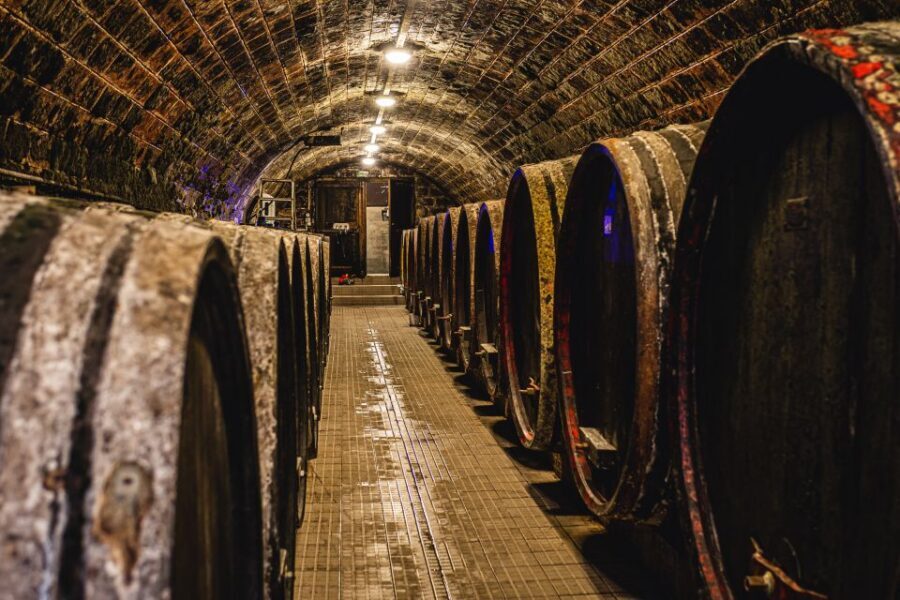
$341 per person is not a budget price. But value in tours isn’t only about cost—it’s about what you’re buying: transport, time, expertise, and access.
Here, you get:
- return transportation from Budapest
- visits to 2 wineries
- multiple tastings (up to 4 wines at each winery, depending on the way the tastings are delivered)
- local snacks
- an English-speaking guide and small-group attention
When you compare that to the cost of going on your own—car or driver, entry costs, and the lost value of having an informed person explain what you’re tasting—the price starts to feel more reasonable.
Also, this isn’t just a stop-and-shop tasting. Meeting winemakers, including one who earned the title Hungarian Winemaker of the Year, is the kind of access that’s hard to recreate cheaply on your own without already knowing the right contacts.
Who gets the best value? People who enjoy learning while they travel and who want their day trip to feel “taken care of.” If you’re only looking for a couple casual glasses, you might find a cheaper option. But if you want a structured experience with genuine producer interaction, this is the kind of pricing that usually holds up.
Who this Mátra Hills wine tour fits best
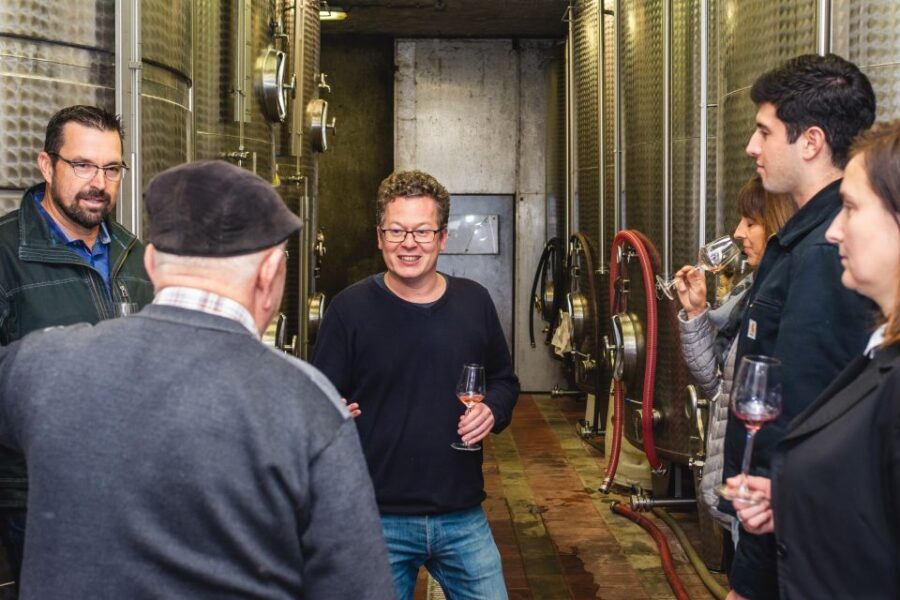
This tour is a strong match if:
- you like wine but don’t want to plan winery routes yourself
- you enjoy meeting makers, not just visiting places
- you want a white-wine-forward day with a chance to taste reds too
- you prefer small groups and clear guidance
- you’re staying in Budapest and want a half-day countryside break
It may not fit if:
- you want unlimited time at one winery
- you travel with children (this one isn’t suitable for under 18)
- you’re trying to keep costs very low
Should you book it?
I’d book this Mátra Hills day trip if you want a focused wine experience with real faces behind the bottles. The combination of 2 wineries, up to 8 varieties, included snacks, and the chance to meet a Hungarian Winemaker of the Year makes it more than a scenic drive and a quick pour. And the small-group size helps it feel personal instead of mechanical.
If your main goal is to taste widely and learn just enough to choose what you’d buy, this tour does that well in a single 5-hour window. If you’re the type who needs hours to slow-walk through vineyards with no schedule pressure, then you might prefer a longer, more flexible wine day instead.
If you’re on the fence, my practical advice is simple: buy the tour if you want structure and access. Skip it if you mainly want casual wine without a guide-led plan.
FAQ
How long is the Mátra Hills Wine Tour from Budapest?
The tour duration is 5 hours.
How many wineries will we visit?
You’ll visit 2 local wineries.
How many wine tastings are included?
The tour is described as sampling 4 wines at each winery, so you can taste up to 8 varieties total across the two stops.
What kind of wine styles will we taste?
The Mátra Hills is known for white wine, and the tour also includes outstanding reds.
Are snacks included during the tastings?
Yes. Local snacks are included, including meat, cheese, and olives.
What’s the group size like?
It’s a small group limited to 8 participants.
Is there an English guide?
Yes, there is a live tour guide in English.
Where do we start and end the tour?
You start from a meeting point in Budapest and are dropped off back at the meeting point at the end of the tour.
Is the tour suitable for children?
No. It’s not suitable for children under 18.
What are the cancellation and payment options?
You can cancel up to 24 hours in advance for a full refund, and you can reserve now and pay later (paying nothing today).