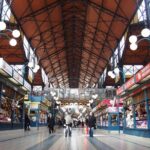
Hungary tastes best on foot. This Budapest food tour strings together landmark sights and 10+ tastings of classic Hungarian comfort food, plus wine, all guided in English. You start by the Hungarian State Opera and then move through central Pest, where the food keeps coming alongside short lessons on what shaped Hungarian tastes.
Two things I really like: the small group (max 12) keeps it social, but also gives you time to ask questions without shouting over strangers. And the mix of old-school dishes and everyday staples is practical: you get to try the flavors locals actually talk about, not just the poster foods. One drawback to keep in mind is that it involves a fair amount of walking, and the exact menu can change with availability and weather.
In This Review
- Key Things That Make This Budapest Food Tour Worth Your Time
- Budapest Centre Food Tour: How the 3 Hours Feel (and Why It Works)
- Starting at Andrássy út: The State Opera Sets the Tone
- St. Stephen’s Basilica and Central Pest: Culture Between Bites
- What You Actually Eat: Lángos, Strudel, Goulash, Sausages, and the Secret Dish
- Wine and Coffee: The Drinks That Tie the Whole Day Together
- The Small-Group Advantage: Guides Like George and Zoltan Make It Click
- Walking Route Reality Check: Shoes, Timing, and Staying Comfortable
- The Ending Near Nyugati: Hun&Only Club and the Private-Finish Feeling
- Price and Value: Is $118.51 Worth It for 10+ Tastings?
- Who Should Book This Tour (and Who Might Want Another Plan)
- Should You Book This Budapest Food Tour?
- FAQ
- How long is the Budapest Centre Food Tour?
- How many tastings are included?
- What is the price per person?
- Is wine included?
- What foods and drinks are included?
- Do I need to arrange hotel pickup?
- Where does the tour start?
- Where does the tour end?
- How big is the group?
- Can the menu or itinerary change?
- Is confirmation provided after booking?
- What is the cancellation window?
Key Things That Make This Budapest Food Tour Worth Your Time
- 10+ tastings packed into about 3 hours, so you leave with a real sense of Hungarian flavors
- Central sights included (State Opera, St. Stephen’s Basilica, a Lipótváros square, and Parliament) without turning it into a boring museum day
- Hungarian wine included, plus water to keep you comfortable as you sample
- Small group size (12 max) means your guide can slow down when you want extra explanation
- A secret-style final tasting stop that tends to feel more personal and less like a factory line
- Street food and comfort food together, so you taste both street classics and hearty dining favorites
Budapest Centre Food Tour: How the 3 Hours Feel (and Why It Works)
This tour is built for one simple goal: help you understand Budapest through what people eat. If you only do churches and viewpoints, you’ll still have a great trip. But food adds a second map of the city, one you can taste and remember.
You’re in the center the whole time, moving in manageable chunks. The walking is not just a stroll, though. Expect enough pavement time that comfortable shoes matter. The upside is that the route keeps you seeing recognizable places while also stopping often enough to keep energy high.
And yes, you’ll get that classic “too full to think” feeling. Multiple stops include substantial bites like lángos and gulyás soup, plus desserts and drinks. Several guests even warn to skip eating beforehand, and that advice makes sense. Plan your day around tasting, not around additional meals.
You can also read our reviews of more food & drink experiences in Budapest

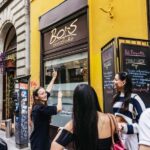
Starting at Andrássy út: The State Opera Sets the Tone
The tour begins at Budapest, Andrássy út 22, right by the Hungarian State Opera. You get about 15 minutes there, and the good news is your time comes with a free admission ticket.
Why this matters: it’s a strong first anchor for Budapest. Andrássy út is one of the city’s grand boulevards, and the opera house is all about style, ambition, and national pride. Starting here gives the food story context. Hungarian cuisine isn’t separate from the culture that built it—it’s part of the same identity.
This is also a handy moment to settle in. If you’re new to the city, it helps to begin where the streets are easy to orient yourself. Later on, you’ll end near a major rail hub (more on that soon).
St. Stephen’s Basilica and Central Pest: Culture Between Bites
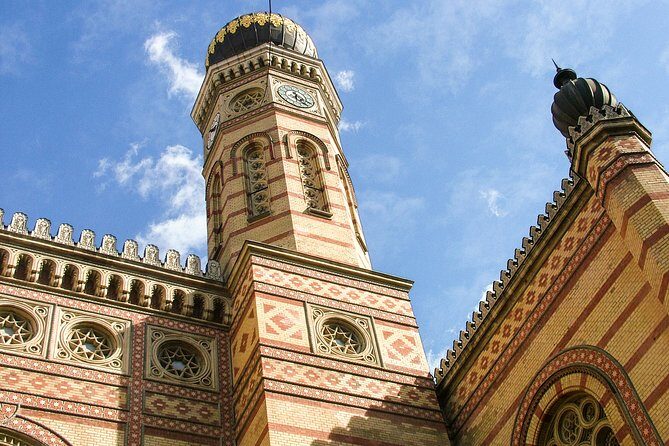
After the opera, you move toward St. Stephen’s Basilica, the Roman Catholic church named for Stephen, the first King of Hungary. The specific detail you’ll hear about is that the supposed right hand is housed in the reliquary.
This stop adds depth without dragging. It’s not a long-winded religious lesson; it’s a quick way to understand how Hungarian history threads into everyday identity. When you taste dishes rooted in tradition, it helps to know what traditions people feel proud of.
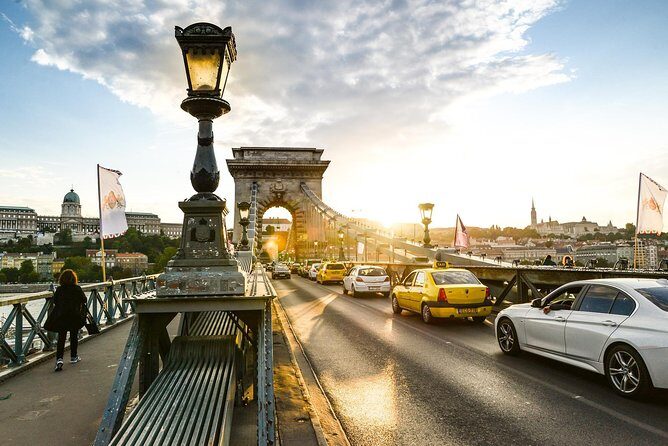
Then the route continues through a public square in the Lipótváros neighborhood, followed by a look at the Hungarian Parliament building. These aren’t random photo stops. They’re placed where the city feels political and cultural at the same time—perfect for your guide’s talk on how history, class, and everyday life shaped what became popular at the table.
Practical tip: bring a light layer. Central Budapest weather can flip fast, and the tour can adjust when conditions change.
What You Actually Eat: Lángos, Strudel, Goulash, Sausages, and the Secret Dish
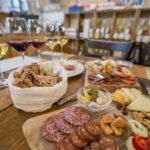
Here’s the part you care about: the food. The tour is advertised as having 10+ tastings, and the included list reads like a greatest-hits sampler of Hungarian comfort food.
You can expect things like:
- Strudel (Hungarian-style pastry)
- Crispy Hungarian lángos (think of it as street-food joy: hot, savory, and meant to be eaten fast)
- Pickled vegetables (tangy bites that cut through rich flavors)
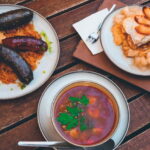
- Hungarian sausages
- Local cheeses
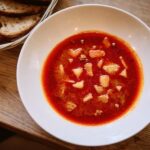
- Gulyás soup (hearty, paprika-forward, and genuinely filling)
- Freshly baked bread
- Hungarian coffee, with the sweetness and warmth that fit perfectly after savory dishes
- Our secret dish
- Red or white Hungarian wine plus water
The “secret dish” part is important because it’s where the tour feels less generic. Hungarian food can be heavy—bread, meat, paprika, dairy—so having at least one stop that feels special keeps the day from turning into one long repeat.
Also, the way these foods are spaced matters. The tour doesn’t just dump everything on you at once. You’ll likely get desserts and coffee after savory hits like soup and lángos. That rhythm helps your stomach, and it keeps your taste buds from getting numb.
And if you’re wondering how much food this is, don’t guess. Multiple comments point out the tastings are genuinely plentiful, not just “one bite for the photo.” This is a real meal in disguised form.
Wine and Coffee: The Drinks That Tie the Whole Day Together
Food tours often get the wine part wrong—either too little, or too late. Here, Hungarian wine (red or white) is included, along with water.
Why that’s a smart pairing: Hungarian cuisine leans into paprika, garlic, and hearty meats. Wine works because it gives you a different flavor route than just salt and fat. If you’re the kind of traveler who likes to match tastes, you’ll enjoy how the guide explains what the drink complements.
Then there’s the coffee. Coffee in Hungary isn’t only about caffeine; it’s about finishing strong. After soup, sausages, and lángos, a warm coffee and pastry can feel like a reset.
One extra drink detail you might run into at the end: some guides have been described taking people to a more private final stop where you may also sample palinka (a fruit brandy). Palinka isn’t listed in the included items you provided, so treat it as a possible bonus tied to the final tasting vibe rather than a guaranteed extra.
A few more Budapest tours and experiences worth a look




The Small-Group Advantage: Guides Like George and Zoltan Make It Click
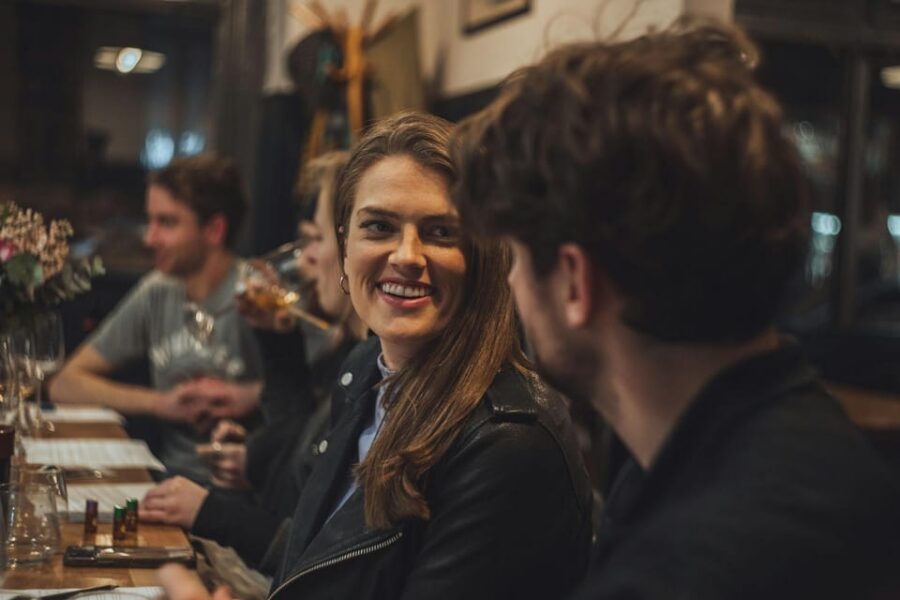
This tour caps at 12 travelers, and that matters more than people think. In a big group, you get facts but you don’t get conversation. With a smaller group, you can ask what you actually want to know—how Hungarian flavors compare to what you grew up with, what paprika really means in the local diet, why certain dishes became staples.
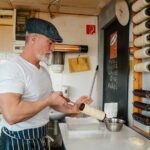
A lot of the praise centers on the guides’ style. You’ll see names like George and Zoltan repeatedly, often described as funny, energetic, and patient with questions. That personality style isn’t just entertainment. It makes the historical and culinary stories easier to follow, especially when you’re walking and eating at the same time.
If you’re the type who likes a tour that’s equal parts food and cultural context, you’ll probably find this format satisfying.
Walking Route Reality Check: Shoes, Timing, and Staying Comfortable
This is not a sit-down tasting class. Expect a fair amount of walking. The upside is you’re in central neighborhoods and you’ll be seeing real architecture as you go.
What I’d plan around:
- Wear comfortable shoes
- Bring a small bag for napkins and coats if weather changes
- Don’t schedule a heavy dinner right after. The food volume is a big deal here.
One pacing note: some people felt the time at each stop was a touch long, and they wished for another spot. That’s the kind of issue you notice only when the food is already satisfying. In practice, it just means you should keep an open mind about timing and stay relaxed.
The Ending Near Nyugati: Hun&Only Club and the Private-Finish Feeling
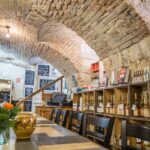
The tour ends at Báthory utca 23, 1054 Budapest, at a place called Hun&Only Club, about two blocks from West Station (Nyugati Pályaudvar). The building is designed by Gustave Eiffel, which adds one more layer of context to the day.
What you should expect at the finish: a more “private venue” feeling where you’ll continue the tasting-style meal. Several accounts describe sampling meats, cheeses, veggies, breads, and drinks in a homey atmosphere. There’s also mention of a more special side of Hungarian flavors like paprika quality that you might not see at typical souvenir shops.
Practical value: ending near Nyugati makes it easy to continue your day. You can get back to your hotel, hop on transit, or head to another neighborhood without feeling stranded.
Price and Value: Is $118.51 Worth It for 10+ Tastings?
At $118.51 per person for about 3 hours, this sits in the midrange for Budapest food tours. The question is what’s actually included—and the answer is: quite a lot.
You’re not just getting a guide and a couple of bites. The included list includes hearty items like gulyás soup, sausages, lángos, cheeses, bread, desserts, and wine. You also get a free interior ticket for the opera and guided context as you pass major landmarks like Parliament and St. Stephen’s Basilica.
When the tastings are truly substantial, this kind of tour can be better value than paying separately for a similar sequence of meals across different places. You also save time. Instead of choosing restaurants one by one, you’re guided through a ready-made lineup that focuses on Hungarian staples.
For picky eaters: you can request dietary needs in advance so the team can cater as best as possible. Still, the menu can change based on availability and weather, so you’ll want to confirm your needs early.
Who Should Book This Tour (and Who Might Want Another Plan)
This fits best if you:
- Want a first-day or second-day introduction to Hungarian food
- Like walking tours that explain culture as you eat
- Enjoy wine and street food in the same day
- Prefer a small group where you can talk to your guide
You might think twice if you:
- Have very limited walking tolerance
- Hate the idea that menus can change with conditions
- Strongly prefer only tiny family-run places all the way through
There’s one more nuance that matters. One review pointed out that a couple of stops can be at well-known chain-style restaurants. The tour provider responded that they balance independent spots with a few familiar local options that Hungarians also use. If your personal goal is strictly avoid chains, that’s worth weighing before you book.
Should You Book This Budapest Food Tour?
Yes, I’d book it if you want a fast, tasty way to understand Budapest without guessing where to eat. The combination of 10+ tastings, Hungarian wine, and a guide who brings stories to the table is the core value.
I’d also treat it as your “start here” food plan. Eat nothing heavy beforehand, bring walking shoes, and expect a lot of variety—from soup and sausages to lángos and strudel. Ending near Nyugati helps too, especially if you’re trying to keep your itinerary simple.
If you hate walking or you’re picky about restaurant types, consider your preferences first. Otherwise, this is a strong way to spend a few hours in central Budapest while you build your own personal shortlist of what you want to try again later.
FAQ
How long is the Budapest Centre Food Tour?
It runs for about 3 hours.
How many tastings are included?
The tour includes 10+ tastings.
What is the price per person?
The price is $118.51 per person.
Is wine included?
Yes. Red or white Hungarian wine is included, along with water.
What foods and drinks are included?
Included tastings include items like strudel, lángos, pickled vegetables, Hungarian sausages, local cheeses, gulyás soup, bread, coffee, a secret dish, and wine with water.
Do I need to arrange hotel pickup?
No. Hotel pickup and drop-off are not included.
Where does the tour start?
It starts at Budapest, Andrássy út 22, 1061 Hungary.
Where does the tour end?
It ends at Budapest, Báthory utca 23-1054, 1054 Hungary, at Hun&Only Club.
How big is the group?
The tour has a maximum of 12 travelers.
Can the menu or itinerary change?
Yes. The itinerary and menu are subject to change based on location availability, weather, and other circumstances. If you have dietary requirements, contact in advance so they can cater for you.
Is confirmation provided after booking?
You’ll receive confirmation within 48 hours of booking, subject to availability.
What is the cancellation window?
Free cancellation is available up to 24 hours in advance for a full refund. If you cancel less than 24 hours before the start time, the amount paid is not refunded.