REVIEW · BUDAPEST
Budapest Private Tuk Tuk Half-Day Tour
Book on Viator →Operated by Budapest TukTuk · Bookable on Viator
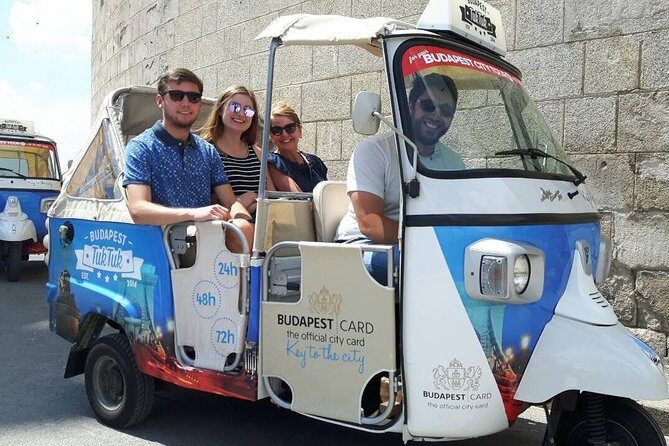
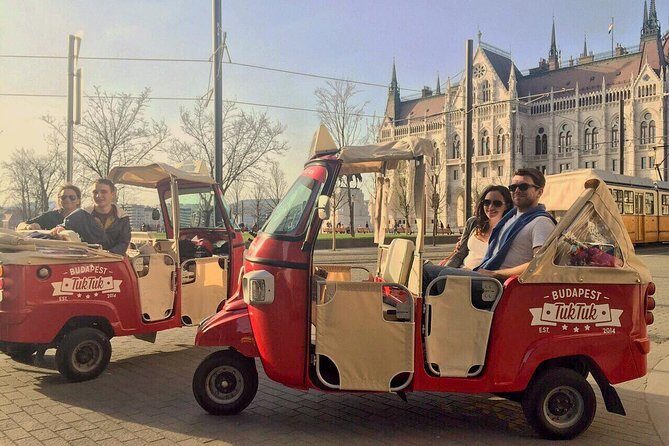
Hop on a tuk-tuk and Budapest clicks fast. This private half-day route strings together big-splash sights across both sides of the Danube, with an English-speaking guide and flexible departure times that fit how your day is actually going.
I love that it feels personal enough to ask questions on the fly, and I love the quick picture-and-walk rhythm that keeps momentum without turning your day into a training plan.
One thing to consider: the ride is motorized and you’ll spend some time at stops that are brief, so if you want slow, deep museum time, plan to add that on a different day.
In This Review
- Key points I think you should know
- Entering Budapest by way of tuk-tuk
- What the 4-hour “major hits” route really delivers
- St. Stephen’s Basilica, Andrássy Avenue, and Opera House glamour
- Heroes’ Square: the national-symbol stop that frames everything
- Széchenyi Bath area and the District VII atmosphere
- Dohány Street Synagogue and the Jewish Quarter context
- Buda’s Gellért Hill: Citadella viewpoints and the Freedom Statue
- Castle Hill: Castle Garden, Fisherman’s Bastion, and Matthias Church
- Danube views, bridges, and the Shoes memorial stop
- Danube cruise add-on: when 4 hours turns into a whole evening
- Price and value: what $178.98 per person buys
- Getting the most out of your tuk-tuk ride (and avoiding the common complaints)
- Should you book this Budapest Private Tuk Tuk Half-Day Tour?
- FAQ
- How long is the Budapest Private Tuk Tuk Half-Day Tour?
- Is pickup and drop-off included?
- What language is the guide?
- Are entry tickets included for attractions?
- Is the tour private?
- What happens if the weather is bad?
Key points I think you should know
- Buda + Pest in one morning/afternoon: big variety without switching neighborhoods on foot.
- Private pace: your guide can adjust, and you’re not stuck waiting for slow people.
- Icon sights with realistic time: short stops at places like Heroes’ Square and Parliament.
- Jewish Quarter and markets included: you’ll get more than just castle photos.
- Thermal-bath area viewpoints: Gellért Hill gives you skyline drama for photos.
- Photo-friendly stops: several guides are praised for snapping great pictures.
Entering Budapest by way of tuk-tuk
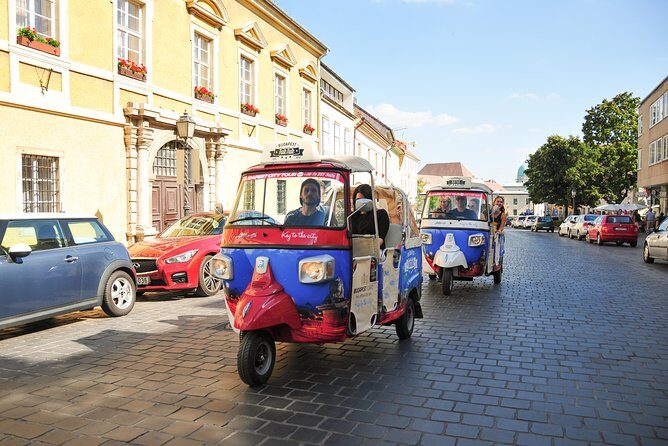
Budapest is one of those cities where the geography does half the storytelling. You get hills, riverside promenades, and two distinct city “moods” split by the Danube. A tuk-tuk is a smart shortcut here: you cover ground fast, but you still get close enough to feel the place.
What makes this format work is the balance of motion and micro-breaks. You’re not trapped on a rigid bus route, and you’re not stuck in long lines for basic orientation. Instead, you get a guided walk-out moment at the highlights, then you roll on to the next viewpoint.
If you’re doing Budapest for the first time, this kind of half-day is gold for setting your bearings. One reviewer called out how helpful it was on the first day, and that matches how I see it: once you know where the major areas sit, the rest of your trip becomes easier.
The private setup matters too. This is not a shared group tour where you’re stuck with someone else’s pace. And because it’s private, your guide can tailor the route emphasis a bit—especially useful if you care more about architecture, memorials, or the neighborhoods.
You can also read our reviews of more private tours in Budapest



What the 4-hour “major hits” route really delivers
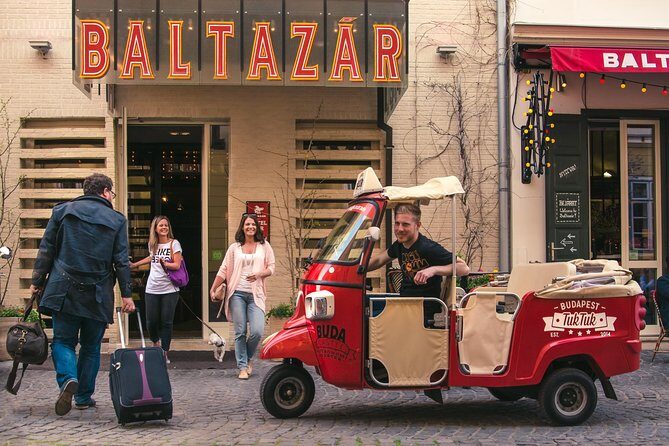
This tour is built around a classic Budapest storyline: churches and civic landmarks in Pest, then the dramatic Buda hill districts, then back for riverbank and Parliament-area viewpoints. You’re seeing enough to understand the city layout, but it’s short enough that you’re not exhausted.
Here’s what you can expect from the pacing:
- Many stops are quick photo-and-look moments rather than long sits.
- The guide context gives you a “why it matters” layer so you don’t just snap pictures and move on.
- You’ll get city drives between districts, which is where tuk-tuks shine because they can reach places regular buses struggle with.
It’s worth saying this plainly: if you want to spend an hour inside St. Stephen’s Basilica, or if you want a long, ticketed time in a thermal bath, this half-day won’t replace that. Entry tickets aren’t included, and the time at each highlight is limited. The sweet spot is using this as an orientation pass, then choosing 1–2 deeper add-ons later.
St. Stephen’s Basilica, Andrássy Avenue, and Opera House glamour
Your day can start in the heart of Pest with St. Stephen’s Basilica. This Roman Catholic basilica is named for Stephen, the first King of Hungary, and the reliquary that holds his supposed right hand is part of why the building is so famous. Even if you don’t go inside, standing near it helps you understand how strongly religious heritage shapes the city’s “center gravity.”
Next, you roll along Andrássy Avenue, a boulevard dating back to 1872 and recognized as a World Heritage Site in 2002. The big win here isn’t just the street name—it’s the lineup of Neo-renaissance mansions and townhouses that make Budapest look like a European capital should. This is also where the city feels more elegant and less “river-tourist.”
The Hungarian State Opera House sits right on Andrássy út. It’s neo-renaissance and originally known as the Hungarian Royal Opera House, designed by Miklós Ybl. Even a quick stop gives you a feel for how grand Budapest architecture can be beyond the castle hill.
One practical note: several highlights here are exterior-focused, or are short stops. If you’re the type who loves ornate interiors, treat these as your “point in the right direction” moments.
Heroes’ Square: the national-symbol stop that frames everything
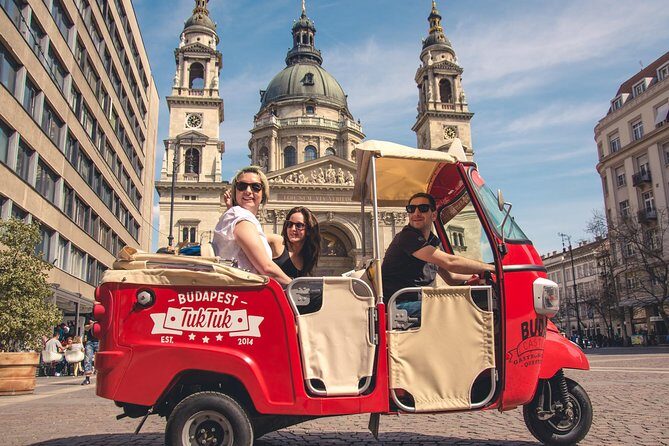
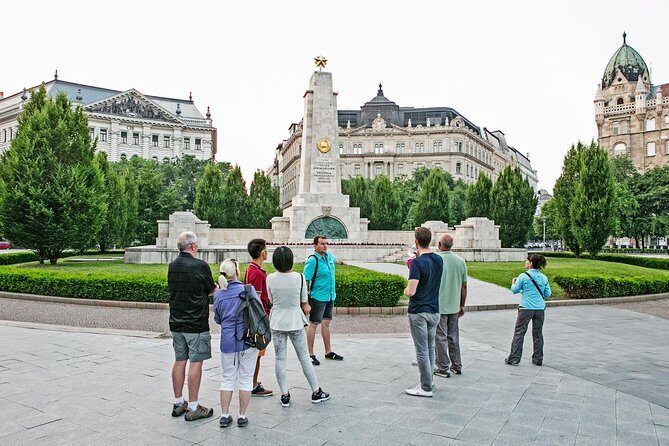
Heroes’ Square is where Budapest starts speaking in symbolism. The statue complex includes the Seven chieftains of the Magyars and other national leaders, plus the Memorial Stone of Heroes—often misnamed as the Tomb of the Unknown Soldier. That tiny correction is exactly the kind of fact a good guide turns into a memorable moment.
This stop is short—about 15 minutes—so you’re not meant to linger like it’s a museum hall. The value is in the overview. When you understand Heroes’ Square, you better “read” the rest of the city’s political and cultural landmarks.
If you’re traveling with kids or you want energy without over-walking, this kind of stop works well. It’s big, it’s visual, and you can get your bearings without feeling like you’re sacrificing your entire afternoon.
Széchenyi Bath area and the District VII atmosphere
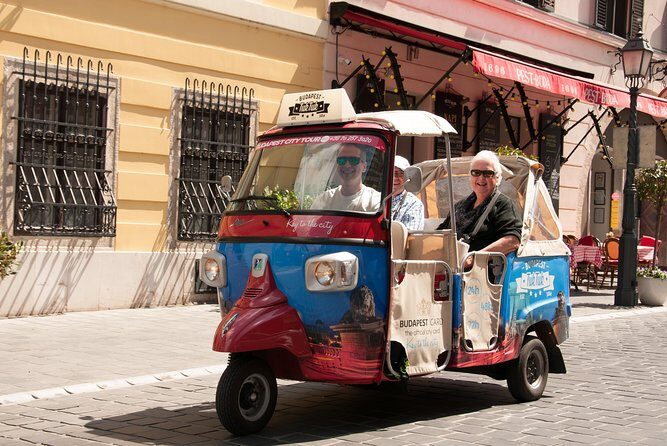
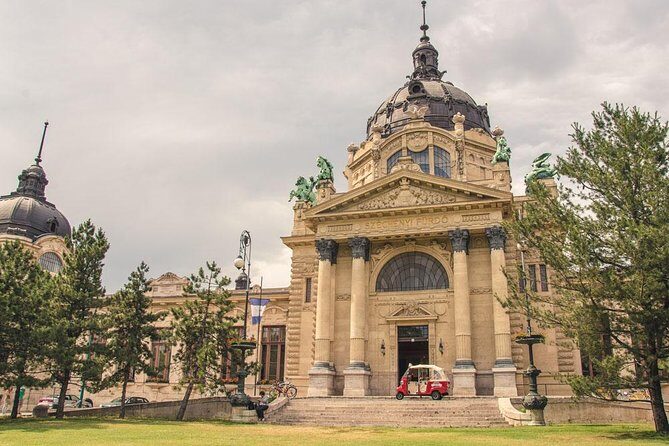
You’ll also pass by Széchenyi Medicinal Bath, described as the largest medicinal bath in Europe. Its two thermal springs feed the water, and the temperatures are around 74°C and 77°C. Even from outside, it’s a reminder that Budapest’s identity isn’t only castles and rivers—it’s also healing and everyday ritual.
From there, the route moves into District VII, including the party quarter boundary and the Jewish Quarter’s historic religious centers. The area is known for lively streets, but you also get moments where pedestrian traffic dominates more than vehicles—good for looking around from the curb while your guide explains context.
A few more Budapest tours and experiences worth a look




Dohány Street Synagogue and the Jewish Quarter context
A major highlight is Dohány Street Synagogue, also called the Great Synagogue. It’s the largest synagogue in Europe, seating about 3,000 people, and it’s a center of Neolog Judaism. This stop is powerful because it gives you a human-scale story inside a big architectural landmark.
Your route can also include:
- Károlyi Garden, an older palace garden space in the 5th district.
- The University Church near Egyetem tér, surrounded by cafes and restaurants and tied to the ELTE Uni area.
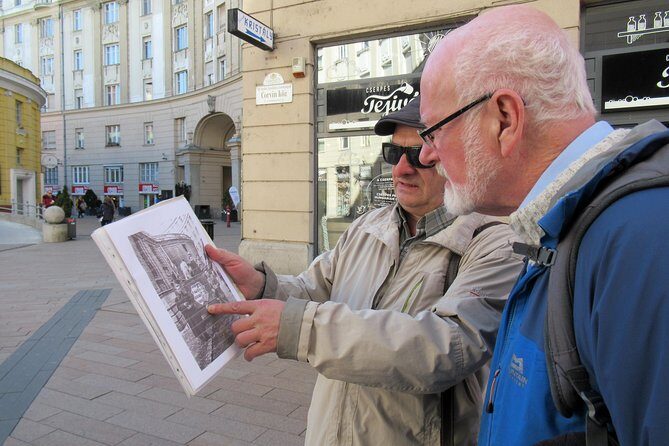
- Kálvin tér, named after John Calvin because of the Reformed Church there.
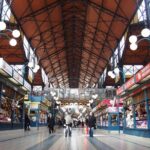
There’s also time near Központ Market Hall (Great Market Hall), which is the largest and oldest indoor market in Budapest. This is one of the best places to grab a snack or do a quick browse, because markets are where you see what locals actually buy and sell.
Big picture: these neighborhood stops turn your tour from a photo checklist into a city story.
Buda’s Gellért Hill: Citadella viewpoints and the Freedom Statue
After Pest, the day shifts into Buda’s dramatic hill terrain. Citadella sits on top of Gellért Hill and is a fortification with strategic importance in Budapest’s military history. It’s a short stop, often around 15 minutes, but it’s enough time to take in the panoramic feel that makes people fall for Budapest.
Nearby is the Liberty Statue (Freedom Statue) on Gellért Hill, commemorating those who sacrificed their lives for Hungary’s independence, freedom, and prosperity. Even if you’re not into monuments, this gives you a direct link between the skyline and national memory.
There’s also the Garden of Philosophers, a quieter stop with a view. One of its best-known features is the philosopher-group sculpture where Jesus Christ and Buddha meet on a pedestal, designed to encourage understanding between traditions.
If you’re traveling in cooler months, bring layers. One winter-focused review called out that wool blankets helped, which fits the reality: hill air near the Danube can feel sharper than you expect.
Castle Hill: Castle Garden, Fisherman’s Bastion, and Matthias Church
Now you get the centerpiece geography: Castle Hill, a limestone plateau about 170 meters above the Danube and a UNESCO World Heritage Site. It’s known for medieval monuments and museums, and under it there’s a network of thermal caves connected to springs feeding the city’s bath life.
You may pass the Castle Garden area described as a mix of art and nature, kind of like Budapest’s outdoor “jewelry box” for culture and leisure. Even if you don’t spend long there, the setting helps you understand why the castle district photographs so well.
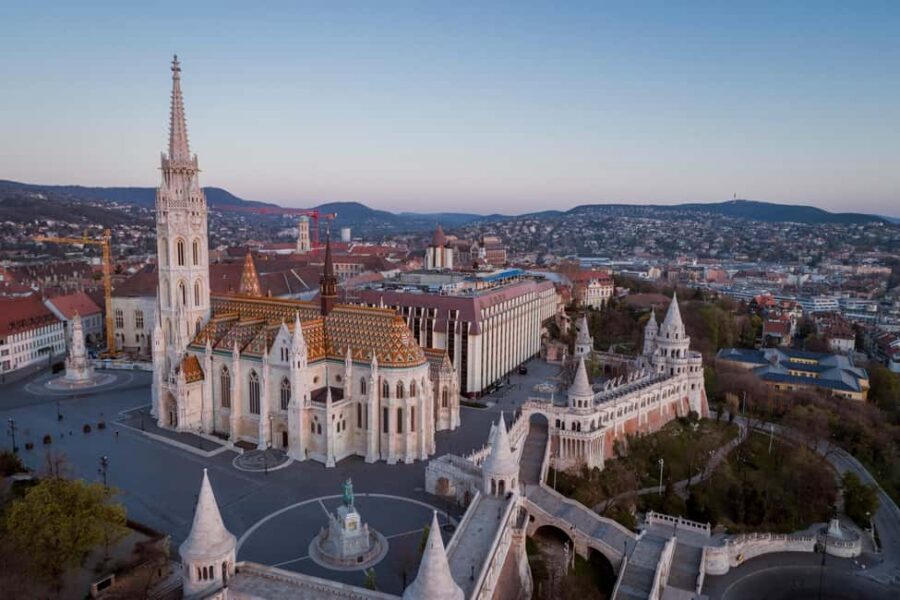
Then comes Fisherman’s Bastion (Halászbástya). It’s a terrace in neo-Gothic and neo-Romanesque style built between 1895 and 1902, planned by Frigyes Schulek. This is one of those spots where you’ll see your best skyline shots: the river bends, rooftops, and bridges all line up.
Next to it is Matthias Church, in front of Fisherman’s Bastion. It’s a Roman Catholic church. Tradition says it began in Romanesque style as early as 1015, though archaeological remains from that original era aren’t present. Even just looking at the exterior gives you a clear sense of why this church is such a focal point.
A useful expectation-setting: entry isn’t included, and time is tight. This is perfect for photos and orientation, then later you decide whether to go inside and for how long.
Danube views, bridges, and the Shoes memorial stop
Budapest’s riverbank moments hit differently because they’re visual, but also because they carry memory. You’ll see bridges such as Liberty Bridge, which links Buda and Pest across the Danube. It was originally named Franz Joseph Bridge, and its position near the city center makes it a handy viewpoint and transit connector.
Another exterior stop is Shoes on the Danube Bank, a memorial conceived to honor Jews killed by Arrow Cross militiamen during World War II. It’s one of those places where the “look around and move” tempo doesn’t work as well—give yourself a minute to absorb what you’re seeing, even if your guide keeps the timetable.
You may also pass Margaret Bridge, a three-way bridge connecting Buda and Pest and linking Margaret Island. It’s a good “wide angle” moment: you see how the city’s green island space sits right inside the river corridor.
Finally, you reach the Hungarian Parliament Building (Országház). This is the stop where you get a classic exterior viewpoint—internal visit isn’t included. Still, it’s hard to overstate how useful it is to see the building in context so you know what you might want to return for later (like a guided interior visit if your schedule allows).
Danube cruise add-on: when 4 hours turns into a whole evening
If you choose the optional Danube sightseeing cruise, it pairs naturally with this tour. The tuk-tuk gives you landmarks and neighborhoods; the cruise turns them into a connected panorama.
One review specifically recommended adding a night river cruise after the tour, and that makes sense. At night, the Parliament and bridge lines are dramatically easier to understand because the reflections and lighting make distances feel less confusing.
If you’re trying to build the best value for your day, this is the simplest upgrade: let the tuk-tuk map the city, then let the river show you how it all fits.
Price and value: what $178.98 per person buys
At $178.98 per person for about 4 hours, this isn’t a budget “grab and go” option. It’s priced like a private experience.
So what do you get for the money?
- Private transport in small vehicles suited to reaching places larger buses can’t.
- An English-speaking guide focused on your group, not a big shared crowd.
- Free pickup and drop-off in the wider downtown area, which saves you time and reduces “lost hour” stress.
- A structured overview that covers major districts so you can plan the rest of your trip with confidence.
Is it worth it? It usually is when you’re:
- On a first visit and want orientation without spending the day walking.
- Short on time but still want a wide sweep of Budapest’s best-known areas.
- Traveling with seniors, mobility-limited people, or anyone who needs a slower walking pace. One review praised how the tour accommodated seniors using canes.
The main value risk is the “tight stop” format. If your group wants long indoor time at churches, museums, and bath complexes, you’ll need to budget separate time. Entry tickets are not included, so you’re using this day for guidance and viewpoints, not deep-ticket experiences.
Getting the most out of your tuk-tuk ride (and avoiding the common complaints)
With private tours, your experience hinges on the fit between your group and your guide. The overall rating is strong, but there’s at least one cautionary story about a guide who rushed and didn’t cover the big priorities your group might expect.
Here’s how to protect yourself:
- Before you start, name your must-sees clearly (Parliament, St. Stephen’s Basilica, Fisherman’s Bastion, Shoes on the Danube Bank—whatever matters most).
- Ask your guide how they plan to handle time so you know which stops are short and which are likely to get more attention.
- If you have a back issue, pay attention to comfort. One review mentioned the ride can feel jarring on full tuk around the world, so don’t ignore that warning.
Also, the tour time can shift. The advertised time may change, with a maximum change of about 1.5 hours. Build this into your day planning so you don’t end up stressed if the schedule adjusts.
Should you book this Budapest Private Tuk Tuk Half-Day Tour?
I’d book it if you want a smart first-day orientation that covers both sides of the river with minimal walking fatigue. The blend of big landmarks, Jewish Quarter context, and Castle Hill viewpoints makes it a strong “set the map” experience, and the private guide angle can turn a scenic ride into real understanding.
I’d think twice if your top priority is long indoor time, bath admissions, or slow wandering with zero timetable pressure. This tour is about highlights and context, not museum-depth hours.
If you do book, I’d also plan one “next day” deep stop you care about most (a basilica interior, a market snack mission, or a bath visit). Use the tuk-tuk day to decide exactly where that deeper time should go.
FAQ
How long is the Budapest Private Tuk Tuk Half-Day Tour?
It’s about 4 hours (approx.).
Is pickup and drop-off included?
Yes. Free pickup and free drop-off are offered in the wider downtown area.
What language is the guide?
The guide is English-speaking.
Are entry tickets included for attractions?
No. Entry tickets are not included.
Is the tour private?
Yes. It’s a private tour/activity with only your group.
What happens if the weather is bad?
The tour requires good weather. If it’s canceled due to poor weather, you’ll be offered an alternative date or a full refund.