REVIEW · BUDAPEST
German speaking guided walking tour in Budapest
Book on GetYourGuide →Operated by Gábor Glasner · Bookable on GetYourGuide
Budapest moves fast, but this tour keeps you oriented. You get a smart half-day route through Pest and the Buda Castle District, with real-world context and a guide who answers questions instead of reciting a script.
I especially like two things: the stop-by-stop history that connects landmarks to daily life, and the practical payoffs after the walk—your digital restaurant list and Budapest Sparfuchs money-saver. It’s the kind of sightseeing that helps you plan the rest of your trip, not just take photos.
One thing to consider: this is a walking tour, so you’ll want comfortable shoes and a decent pace for cobbles and hills around the Castle area.
In This Review
- Key highlights you’ll actually care about
- A fast, German-language intro to Pest and the Castle District
- Starting at Szent István tér: why the walk begins at St Stephen’s Basilica
- Pest on foot: Art Nouveau palaces and the city’s everyday logic
- Freedom Square to Parliament: the Danube photo moment you’ll remember
- Crossing to Buda by public transport: saving time without losing the story
- Matthias Church, Fisherman’s Bastion, and the Royal Castle loop
- The digital goodies: Insider Budapest Restaurantguide and Budapest Sparfuchs
- Price and pace: what $41 for 3 hours gets you
- What kind of walker you need to be
- Who should book this tour—and who might want another option
- Should you book this Pest-and-Buda walking tour?
- FAQ
- What language is the guided walking tour in?
- How long is the tour?
- Where do I meet the guide?
- Is the tour entry ticket-based?
- Does the tour use public transport?
- What’s included besides the guide?
- Is the tour price per person?
- What should I bring for the walk?
- Can I cancel for a full refund?
Key highlights you’ll actually care about
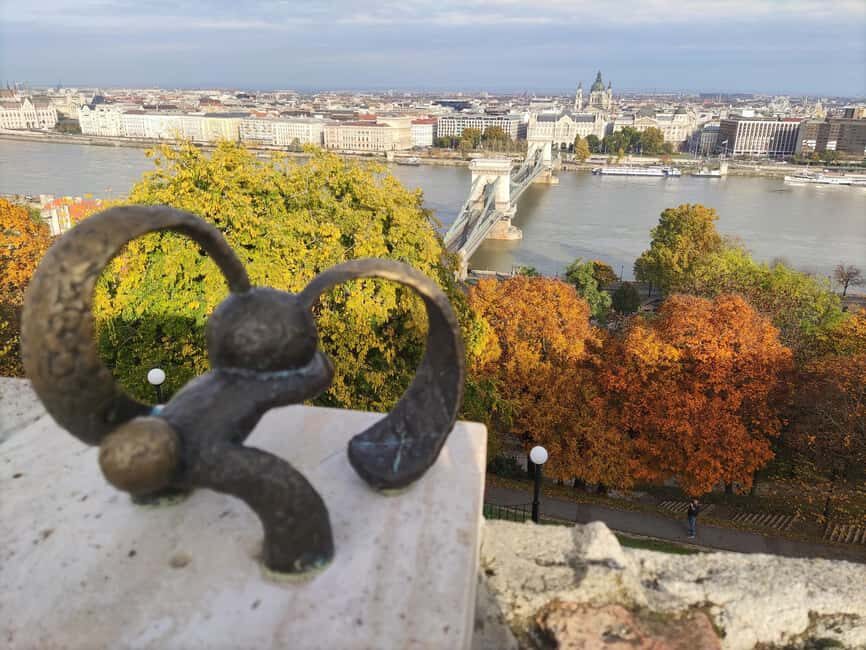
- Gábor Glasner’s German-language guidance with on-the-fly answers, plus his badge that reads Budapest mit Gabor
- St Stephen’s Basilica as a clean, easy starting anchor on Szent István tér
- Pest’s 19th-century financial-and-Art Nouveau streetscape (National Bank and Postal Savings Bank included in the route)
- Freedom Square to the Parliament viewpoint by the Danube, built for a great photo moment
- Outside viewing of Matthias Church, Fisherman’s Bastion, and the Royal Castle area without needing admission tickets
- Digital takeaways: Insider Budapest Restaurantguide and Budapest Money Saver & Guide
A fast, German-language intro to Pest and the Castle District
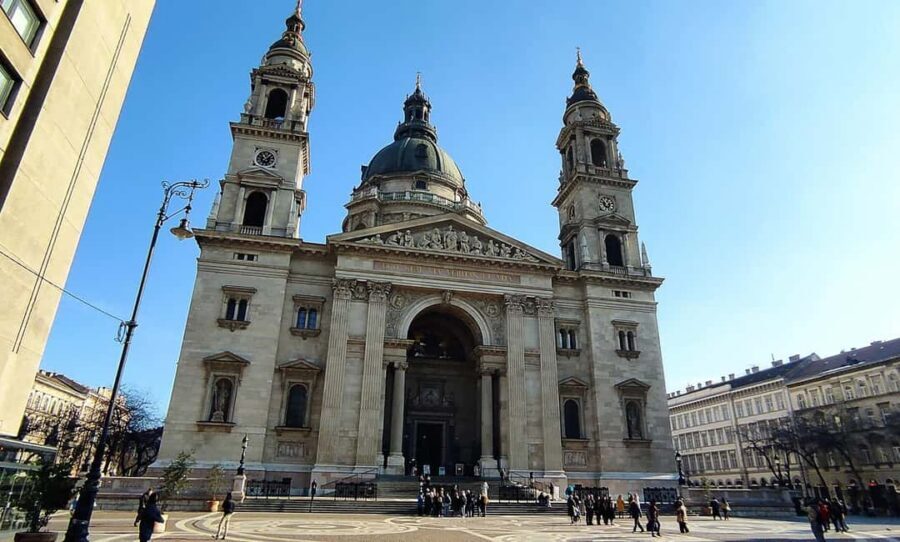
If Budapest feels like too much at once, this is a solid way to get your bearings without wasting your best walking hours. In just 3 hours, you cover the “big picture” of both sides of the river: the orderly, elegant streets of Pest, then the hilltop views and royal scenery of Buda.
What makes it work is the rhythm. You’ll do most of the sightseeing on foot, but you also get a short hop on public transport so you don’t spend your whole day playing stopwatch with transfers. And since the guide speaks German, you’ll hear the story in a language you can actually follow—especially helpful if you’re the type who asks questions.
The tour also avoids the usual trap of information overload that sounds impressive but changes nothing. Here, you come away with context about how the city runs and how locals think about money, politics, and everyday life—then you get restaurant and saving advice for what to do next.
You can also read our reviews of more walking tours in Budapest



Starting at Szent István tér: why the walk begins at St Stephen’s Basilica
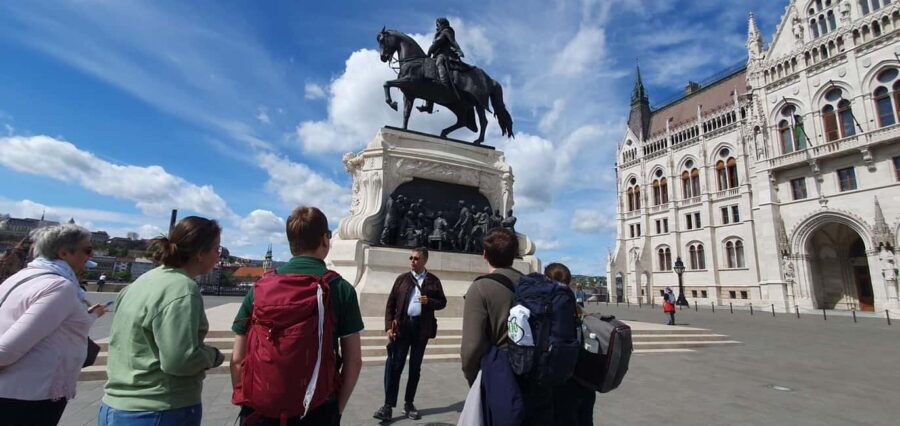
You meet your guide at Szent István tér, right by the entrance of the Japanika Restaurant, across from St. Stephen’s Basilica. That location matters more than it sounds. It’s central, easy to find, and it gives you a “base map” in your head before you start drifting through streets and squares.
St Stephen’s Basilica isn’t just a landmark check. It’s a handy reference point for orientation, and it sets the tone for the tour: Budapest as a city where religion, politics, architecture, and public space all overlap. Once you’ve got that anchor, the rest of Pest feels less like a random walk and more like a guided storyline.
Bring your camera (you’ll want it), plus water and comfortable clothes. The practical part is simple: you’ll move, and you’ll want to stay alert for the viewpoints.
Pest on foot: Art Nouveau palaces and the city’s everyday logic
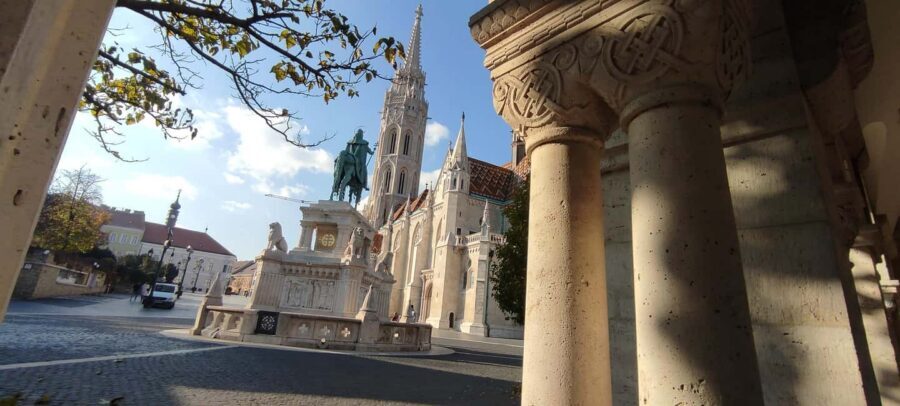
After the Basilica, the tour shifts into the heart of Pest city centre, where you’ll see the grandeur of late 19th-century Budapest. This is where the city’s “face” shows up in full: architecture that looks like it belongs in a postcard and streets that reflect how people lived their daily routines.
A standout part of the walk is how the guide uses landmarks to talk about systems. You won’t just hear names of buildings—you’ll hear why they mattered. You’ll pass places connected to finance and infrastructure, including the National Bank and the Postal Savings Bank. Even if you’re not a finance person, these stops make the city’s growth feel real: money, institutions, and modernization shaped what you see on the street.
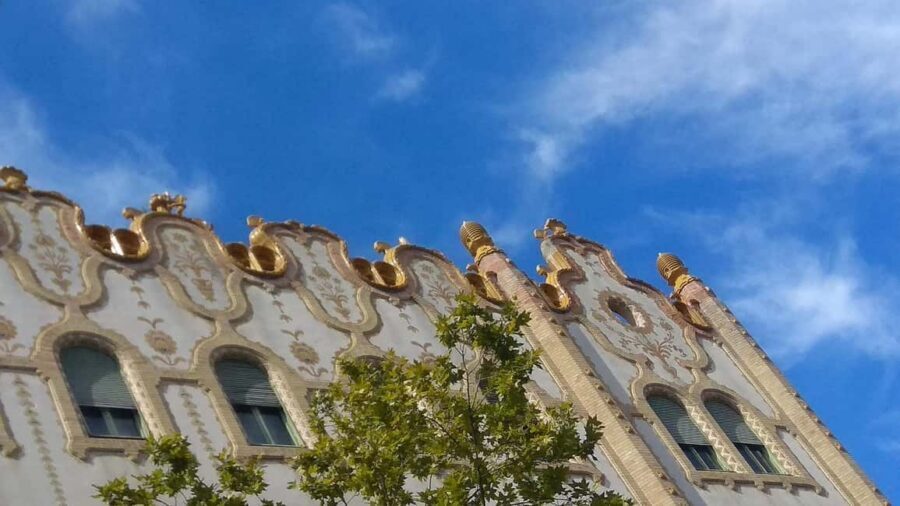
Then come the Art Nouveau palaces—the kind of facades with curves and details that reward slow walking. If you normally speed through architecture, you’ll catch yourself slowing down here. The guide’s pacing helps you notice the small stuff without turning the tour into a lecture.
You also get a look at everyday life themes: daily routines, financial matters, politics, and society. That’s the difference between a “see the building” tour and a “understand why the building exists” tour.
Freedom Square to Parliament: the Danube photo moment you’ll remember

From there, you reach Freedom Square, one of Pest’s major transition points. This is a good place in a route like this because the tour keeps moving while the city opens up visually. It’s not just another square stop—it’s a cue that you’re approaching the riverfront and the power-symbol section of the walk.
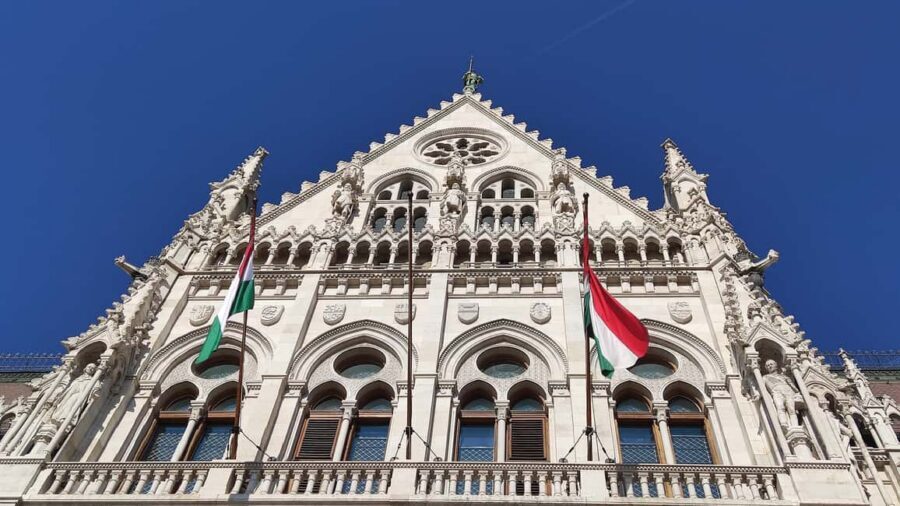
One of the tour’s explicit moments is the photo stop with the Parliament building. Even if you’ve seen images of Hungary’s Parliament before, it hits differently when you’re standing close and the Danube is in the scene. This is the kind of view where your photos look better when you take them from the right angle—so arriving as a group with a plan helps.
The guide doesn’t treat this as a trophy stop. It’s tied back to the city themes you heard earlier: institutions, governance, and public identity. You get the feeling that Budapest isn’t random—it’s designed, argued over, and built with intent.
Crossing to Buda by public transport: saving time without losing the story
After the Parliament area, the tour includes a short journey by public transport. Here’s why that’s smart for you: the Castle District sits higher up, and trying to walk everything would eat the schedule fast. With public transport, you keep momentum and still get the cultural “handoff” from Pest to Buda.
You don’t need to stress about this part as long as you plan for one practical thing: public transport tickets aren’t included. So if you’re going to use transit during the tour, budget a little for that. The good news is the guided part focuses you on the key sights rather than making you manage a complex route.
Once you arrive in the Castle area, the tone shifts. Pest feels street-level and institutional; the Castle District feels ceremonial and scenic. The guide’s job is to keep both sides connected, so the hilltop views don’t feel like a separate trip.
You can also read our reviews of more guided tours in Budapest






Matthias Church, Fisherman’s Bastion, and the Royal Castle loop
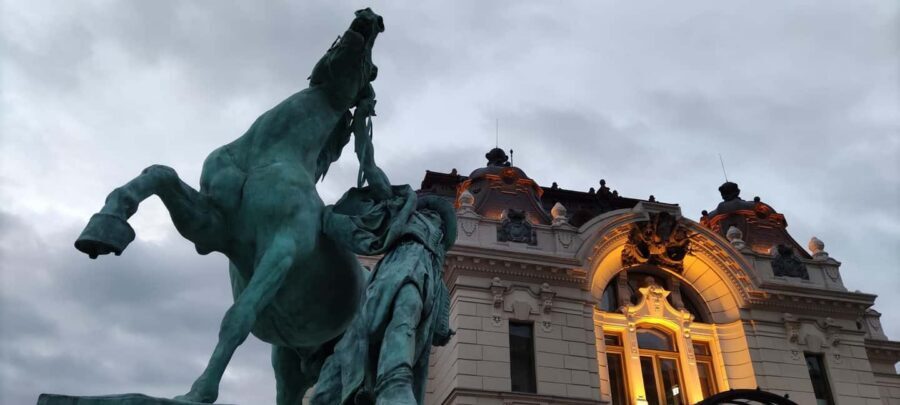
This is the portion most people picture when they think of Budapest. You’ll visit the Castle district highlights in a way that fits the time window: Matthias Church, Fisherman’s Bastion, then the historic centre near the former government district, and finally the Royal Castle area.
A crucial detail for planning: the tour is set up so you don’t need admission tickets because you’re not entering buildings. That keeps the schedule clean and predictable. You’ll still see a lot, but you’re focused on views, exteriors, and the way the architecture frames the city.
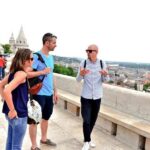
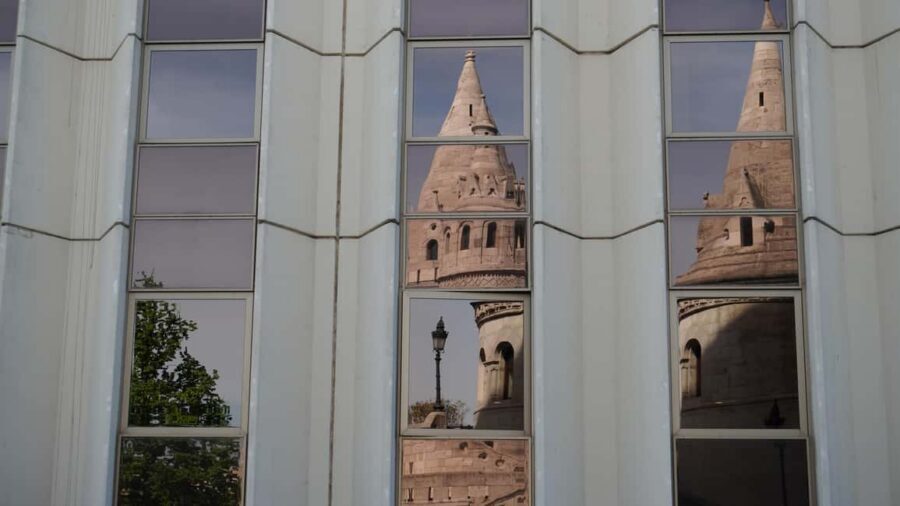
Matthias Church is one of those places where the look is the story. Even from outside, it signals why this area became a political and cultural symbol. Next is Fisherman’s Bastion, which is all about viewpoints. If you’re wondering whether the photos are worth it—yes. Standing near these terraces helps you understand why people call this area a must-see, because the river-and-city spread is part of the experience, not just background.
Then you move through the historic centre toward the former government district, where the tour’s earlier themes return. Streets and buildings here carry political weight. You start to feel how Budapest’s power shifted over time, and how that shows up in what’s built where.
The finale is a tour around the old Royal Castle of Budapest. You get the sense of a royal complex even without stepping inside. For many visitors, that’s the best option: you save time, you keep your legs under you, and you still finish the tour with that “I’ve reached the heart of the Castle Hill” feeling.
The digital goodies: Insider Budapest Restaurantguide and Budapest Sparfuchs
One reason this tour feels like good value is what you get at the end. You receive digital copies of an Insider Budapest Restaurantguide, plus Budapest Money Saver & Guide and the “Budapester Sparfuchs” advice set. In plain terms: it helps you eat well and spend smarter after your walk.
This isn’t a random coupon booklet. It’s designed around what you need when you’re away from your hotel and trying to make choices: good restaurants, cafés, street food, and bars—plus money-saving tips that can add up fast when you’re paying out of pocket every day.
I like this add-on because it solves a real problem. Sightseeing is only half the trip. The other half is figuring out where to go when you’re hungry and tired. Having curated ideas in your phone turns the next 24–72 hours from guesswork into a plan.
Also, the guide’s approach matters here. When your sightseeing guide gives practical eating and saving advice, it usually means they understand how visitors actually move around. You’re not left with landmarks alone—you’re handed next steps.
Price and pace: what $41 for 3 hours gets you
At $41 per person for a 3-hour tour, the price makes sense if you want structured sightseeing plus usable takeaways.
Here’s how to think about value:
- You’re paying for live German-language guiding, not a self-guided loop.
- You get digital restaurant guidance and a money-saving guide, which can easily offset the cost if you use them for a couple meals and drinks.
- You’re not buying admission tickets, since the tour doesn’t involve entering buildings. That reduces hassle and keeps the itinerary stable.
The pacing is also worth noting. Reviews and experience around similar formats usually show one pattern: tours feel “short” when the guide keeps them tight and doesn’t wander off into unrelated tangents. This one runs as a focused half-day, mixing walking, viewpoint stops, and one public transport segment so you cover ground.
Group size is described as small/medium-sized, which usually means you can ask questions without feeling like a spectator in a crowd. If you like conversations—especially about history, society, and daily life—this structure tends to suit.
What kind of walker you need to be
This tour is best for people who can handle a solid walking pace. You’ll be on foot for a lot of the day’s highlights, and the Castle District has uneven ground in places.
From the guidance you’ll receive, the expectation is clear: bring comfortable shoes and be ready for some uneven surfaces. If you’re comfortable walking around old European cities, you’re likely fine.
Also, camera time helps. If you like taking photos (and you should here), plan for a few short “pause” moments built into the route.
And if you’re the kind of traveler who likes to ask questions, you’ll probably enjoy this. The guide’s style leans toward answering and adding context instead of sticking strictly to a monologue. That turns a sightseeing walk into a mini lesson you can actually use later.
Who should book this tour—and who might want another option
Book this if you want:
- A German-language way to understand Budapest fast
- A blend of major landmarks and less obvious context about how the city works
- A route that covers both Pest and the Castle District in half a day
- Post-tour planning help via restaurant and money-saving guides
You might choose a different option if:
- You dislike walking in old-city streets and prefer slow, low-effort sightseeing
- You want an inside-building experience (this tour is planned without entering buildings)
- You’re looking for English-only guiding and don’t want to switch languages
A smart middle ground is if you’re doing Budapest for a few days and want a first-day orientation tour. This gives you the mental map, then your remaining time can be spent wandering with confidence.
Should you book this Pest-and-Buda walking tour?
In my view, this is a strong pick when you want Budapest organized, explained, and useful. The biggest wins are the guide-led context across both halves of the city and the fact that you leave with digital tools for food and spending, not just photos.
If you’re comfortable walking for a few hours and you’ll enjoy history mixed with everyday-life explanations, you’ll get your money’s worth. And if you’re a German speaker (or at least comfortable with German guiding), Gábor makes the experience feel like a real conversation with someone who cares about helping you see the city in a grounded way.
FAQ
What language is the guided walking tour in?
The tour is conducted in German with a live guide.
How long is the tour?
The tour duration is 3 hours.
Where do I meet the guide?
You meet at Szent István tér, at the entrance of the Japanika Restaurant, across from St. Stephen’s Basilica.
Is the tour entry ticket-based?
No. You are not entering buildings, so admission tickets are not necessary.
Does the tour use public transport?
Yes, there is a short journey by public transport during the tour, but public transport tickets are not included.
What’s included besides the guide?
You get a digital Insider Budapest Restaurantguide plus a digital Budapest Money Saver & Guide. The tour also includes live German guiding and is run in small/medium-sized groups.
Is the tour price per person?
Yes, the price is listed as $41 per person.
What should I bring for the walk?
Bring comfortable shoes, a camera, water, and comfortable clothes.
Can I cancel for a full refund?
Yes, you can cancel up to 24 hours in advance for a full refund.