REVIEW · BUDAPEST
Budapest: Opera House Guided Tour
Book on GetYourGuide →Operated by bookinbudapest.com · Bookable on GetYourGuide
You don’t need an opera ticket to get the wow factor. This 60-minute Hungarian State Opera House visit mixes grand interiors, smart commentary, and a short live singing finale.
What I like most is the chance to see the auditorium and frescoes up close, and then catch a brief concert that turns the whole building into a working instrument. One note: it’s not wheelchair-friendly, and sometimes rehearsal schedules can affect what you see and how bright it is inside.
In This Review
- Key things to know before you go
- Why the Hungarian State Opera House is worth your time
- Entering the Opera House: where your tour starts and how it flows
- The interior highlights you’ll see in a typical 60-minute tour
- The auditorium: frescoes, sightlines, and why restoration matters
- The staircase: the part you’ll want to stand on for a moment
- The mini concert at the end: why it changes the whole visit
- How to make the most of the tour (and get better photos)
- Price check: is $33 good value in Budapest?
- When rehearsals affect your visit: reduced light and alternate dates
- Who should book this tour (and who might skip it)
- Should you book the Budapest Opera House guided tour?
- FAQ
- How long is the Budapest Opera House guided tour?
- Where do I meet the guide?
- Is a concert included?
- What languages is the tour available in?
- Do I need to pay extra for food and drinks?
- Is the tour suitable for wheelchair users?
- What happens if the Opera House cancels tours during rehearsals?
Key things to know before you go
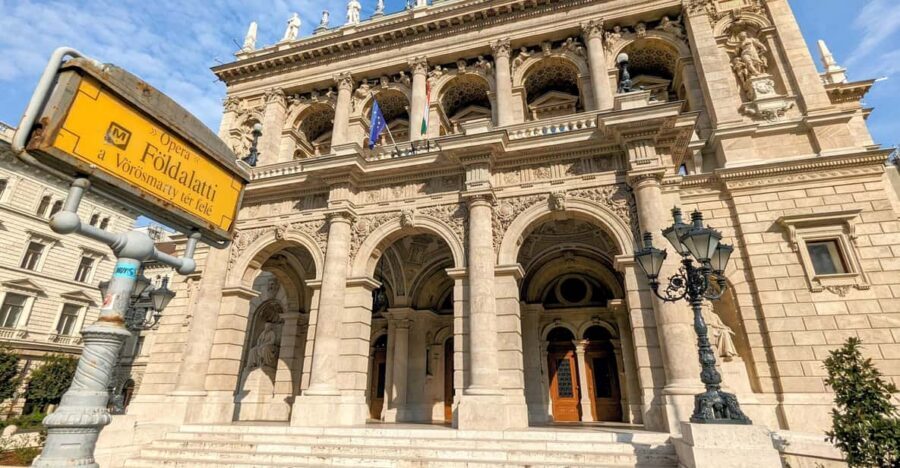
- 60 minutes inside the Opera House for a focused look at the rooms and design
- Built in 1884, restored in 2022 with explanations of what changed and why it matters
- Magnificent auditorium frescoes and the staircase design (easy to spot, even easier to fall in love with)
- Skip the ticket line so you spend your time looking instead of waiting
- Brief concert included at the end, usually right when you’ve learned the building’s “why”
- Not suitable for wheelchair users, and some days the auditorium can have reduced light
Why the Hungarian State Opera House is worth your time
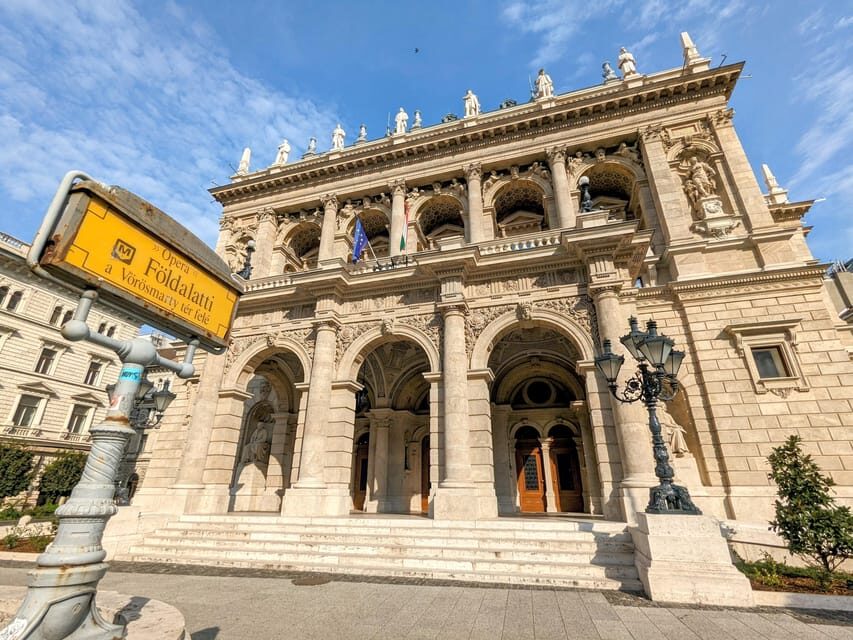
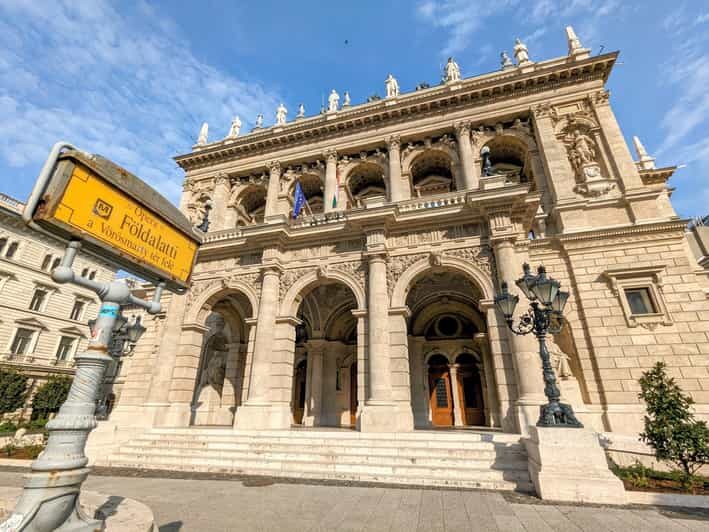
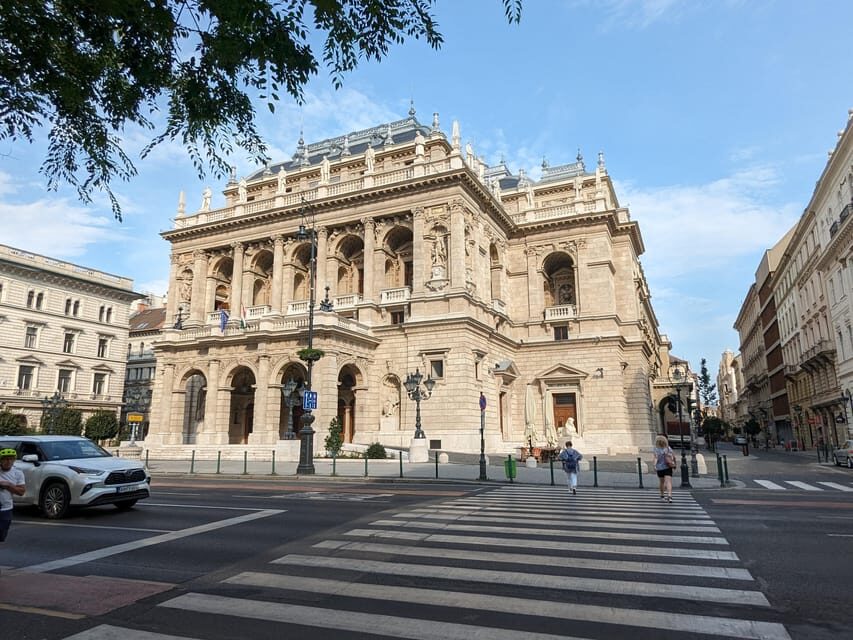
The Hungarian State Opera House in Budapest is the kind of landmark that makes you stop walking. Even the outside hints at what’s coming: inside, you get a serious dose of Neo-Renaissance drama, gold details, and a theater built for sound to travel.
The core story you’ll hear is straightforward but fascinating: the opera house was designed and built in 1884 based on the plans of Miklós Ybl, then fully restored in 2022. That restoration isn’t just cosmetics. It affects how the space looks, how colors read under theater lighting, and how the rooms feel when you’re actually standing in them instead of scrolling through photos.
If you like architecture, you’ll enjoy the design choices you can see with your own eyes—especially in the auditorium and on the grand staircase. If you’re more of a first-time opera person, you’ll still get value because the tour explains the building as a machine for performance.
You can also read our reviews of more guided tours in Budapest


Entering the Opera House: where your tour starts and how it flows
Your meeting point is inside the Opera House, in the hall. That matters more than you’d think. You’ll get your bearings fast, find your group, and step into the building without that awkward, wandering “where do we queue?” feeling.
Then the tour runs for about 60 minutes. You’ll move room to room at a pace set by a live guide, with enough time to actually look—plus time for photos in the best spots. Expect the route to focus on the parts that show off both beauty and function: places where you can understand what audiences and performers experience, not just what the building looks like.
Also, the tour is offered in multiple languages (English, German, Spanish, Italian, French). If you’re in English, you’ll get live interpretation through the guide. If you’re not, you can still book the language you prefer.
The interior highlights you’ll see in a typical 60-minute tour
This is a short tour, so you won’t be there all day. That’s a good thing. You’ll get a curated walk through the main visual and historical highlights, and you’ll leave with clear images in your head rather than a blur of rooms.
The auditorium: frescoes, sightlines, and why restoration matters
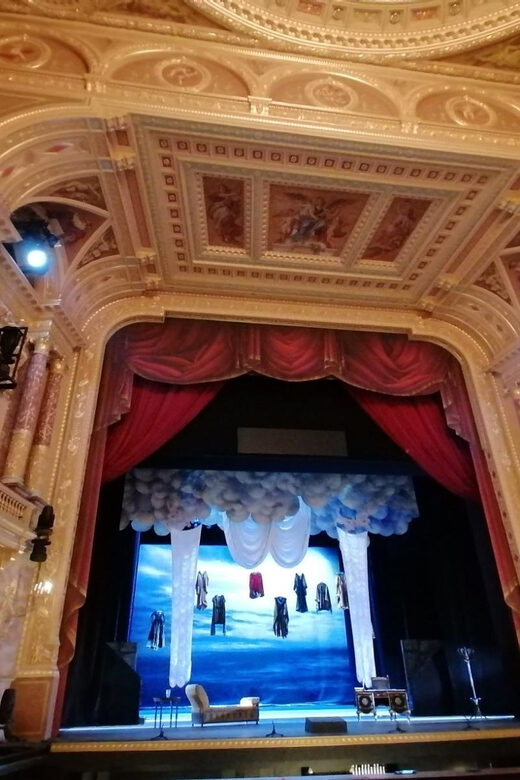
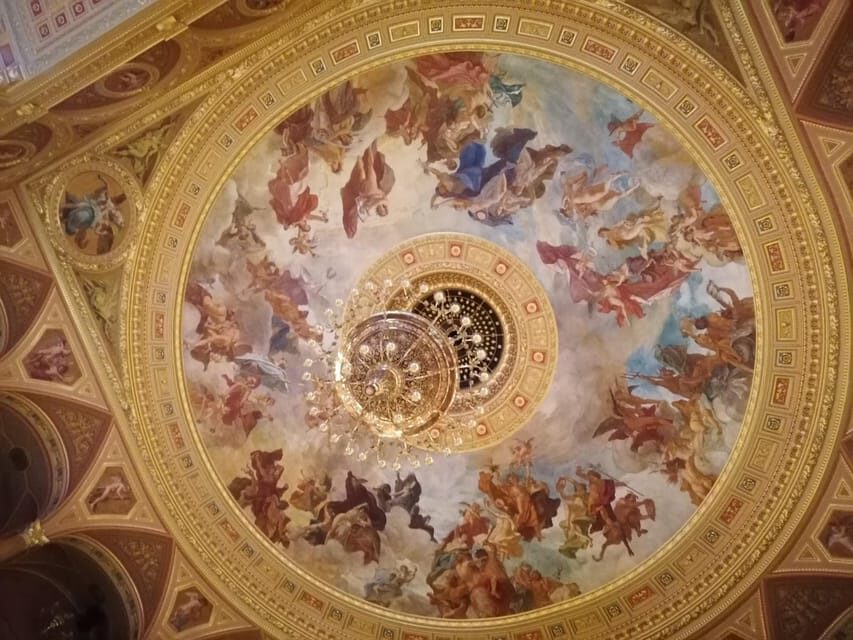
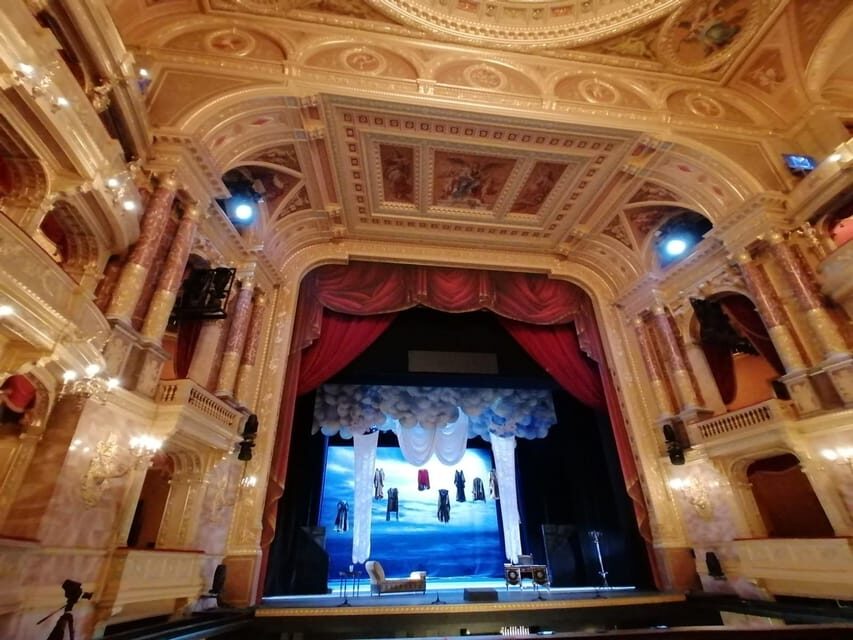
The auditorium is the headline. You’ll marvel at the frescoes and the way the hall is designed for performances. What I’d watch for (and what your guide will likely point out) is how ornamentation isn’t only decorative. In a theater, the shaping of surfaces, color, and proportions all influence the atmosphere and the way people feel when they’re seated.
Some days, you may also face reduced light conditions in the auditorium. That isn’t the tour provider trying to be dramatic—it can happen around rehearsals. Practically, it means you should bring your patience for darker lighting and accept that details may be harder to photograph.
The staircase: the part you’ll want to stand on for a moment
The staircase design is another big wow. It’s the kind of architectural element where, even if you don’t know the terminology, you immediately understand why it becomes a photo magnet and a signature moment.
Your guide typically ties it back to the building’s era and ambitions—how people would have entered, gathered, and moved toward the performance. Think of it as the building’s social stage, not just a hallway with stairs.






The mini concert at the end: why it changes the whole visit
One of the best “value add” parts is the brief concert at the end. It’s included in the tour, so you don’t need to line up for separate tickets to experience what makes an opera house special.
In plain terms, the concert is what turns the building from a pretty interior into a living venue. You’ll hear singing in a hall built for voices, and it makes the earlier architecture explanations click. The acoustics become real, not theoretical.
You’ll also notice how the tour length helps a wider range of visitors. It’s not a full opera marathon. It’s a teaser with enough energy to spark interest without demanding that you already know the art form. Even if you came for architecture, the singing finale gives you a “now I get it” moment.
And if your guide is the kind of person who makes the tour feel lively—some guides have stood out for humor and clear English, like the guide named Eva in past experiences—you’ll feel the experience sharpen even more. You’ll be listening, but you’ll also be relaxed.
How to make the most of the tour (and get better photos)
This tour works best when you treat it like a guided walk plus a performance intro. The guide will point out details in the auditorium and staircase that you might otherwise miss. So do this: don’t just look up for the big stuff. Also glance at the layout. The more you notice how people would move and sit, the more the building’s design starts to make sense.
A few practical tips:
- Arrive a few minutes early so you can settle inside the hall and not feel rushed.
- Have your phone camera ready, but don’t block other people while you frame shots.
- When you reach the auditorium areas, take your time. Frescoes and gilded details can be hard to catch in one quick glance.
- During the concert, switch to enjoying. Photos are fine, but the sound quality is the point.
You’ll often find that guides keep the group organized even when demand is high. The good sign to look for is how the guide controls listening and movement so everyone can see. In the past, this tour has been described as well paced with enough time in key rooms.
Price check: is $33 good value in Budapest?
At $33 per person for a one-hour interior visit with a live English guide and a brief concert, this is strong value—especially in a city where the price of “worth it” sights can climb fast.
Here’s what you’re really paying for:
- Access to interior spaces you may not see on your own
- A guide who explains what you’re looking at (so it feels more than decorative)
- A short concert included, which can easily cost extra if you were trying to recreate it separately
- The time saved by skipping the ticket line
If you’re comparing it to the cost of opera tickets, this tour is a smart alternative. You don’t get a full night performance, but you do get the building’s “why” and a sound experience that helps you decide whether you want to see a real show later.
If you’re on a tight schedule—Budapest has plenty of other top hits—this tour is a clean way to add culture without taking half a day.
When rehearsals affect your visit: reduced light and alternate dates
Opera houses have rehearsals. That means your tour can sometimes be impacted. The good news is that if tours get canceled during rehearsals, you’ll be offered an alternative date.
One more thing to keep in mind: on some occasions, you might see the auditorium with reduced light conditions. That can affect photos and the exact way frescoes show up. It doesn’t change the core idea of the tour, but it can make the visuals feel moodier and less bright.
If you’re planning multiple activities that day, build in flexibility. If you’re willing to adjust, you’ll still get a solid experience.
Who should book this tour (and who might skip it)
I’d book this if:
- You love architecture and want a guided look inside a major landmark
- You want a quick introduction to opera without committing to a full evening
- You’re short on time and still want a memorable Budapest cultural stop
- You care about details like restoration work and how historic buildings are kept alive
I’d think twice if:
- You use a wheelchair. This tour is explicitly not suitable for wheelchair users.
- You’re hoping for a full-scale opera performance. This is a brief concert teaser, not a full show.
- You dislike tours with any chance of schedule changes. Rehearsals can cause cancellations, even if an alternative date is offered.
If you’re traveling with a mix of interests—say, one person who wants art and another who isn’t sure about opera—this is often a workable compromise because you get both the visual masterpiece and the sound experience.
Should you book the Budapest Opera House guided tour?
Book it if you want a high-impact interior look in a single hour, plus a short concert that makes the building feel real. With the 1884 design and 2022 restoration story, you’ll leave understanding not just what it looks like, but why it works as a performance space.
Skip it if you need full accessibility for wheelchair users, or if you’re only satisfied by a full opera evening. For everyone else, this tour is one of those rare city experiences where you get history, beauty, and live singing without burning your whole day.
FAQ
How long is the Budapest Opera House guided tour?
The tour duration is 1 hour.
Where do I meet the guide?
The meeting point is inside the Opera House, in the hall of the building.
Is a concert included?
Yes. The tour includes a brief concert at the end.
What languages is the tour available in?
The tour is available in English, German, Spanish, Italian, and French.
Do I need to pay extra for food and drinks?
Food and drinks are not included in the tour.
Is the tour suitable for wheelchair users?
No. This activity is not suitable for wheelchair users.
What happens if the Opera House cancels tours during rehearsals?
If tours are canceled during rehearsals, an alternative date is offered. On some occasions there may also be reduced light conditions in the auditorium.