REVIEW · BUDAPEST
Budapest Jewish Heritage Memorial Walking Tour & Synagogue Entry
Book on Viator →Operated by Hungária Koncert Kft · Bookable on Viator
Budapest tells its Jewish story in stone and symbolism. This 3-hour memorial walking tour links the Dohány Street Synagogue with the Jewish Museum and major WWII remembrance stops, so you see the city through one focused lens, not a scatter of landmarks.
I like two things a lot: first, you get time inside the Great Synagogue (Nagy Zsinagoga), and second, the route is organized around named people and places that explain why remembrance matters in Budapest today.
One drawback to plan for: the synagogue and museum segments include some seated listening, so if you want nonstop movement the pacing may feel a bit “sit-and-learn.”
In This Review
- Key highlights at a glance
- From Dohány Street Synagogue to a story you can follow
- Entering the Great Synagogue (Nagy Zsinagoga): big building, bigger context
- Jewish Museum and Archives: art, everyday life, and a Holocaust room
- Walking the Jewish Quarter: the streets explain what textbooks can’t
- Raoul Wallenberg Holocaust Memorial Park: named remembrance with location power
- Essential vs Grand: choosing the right amount of time in Budapest
- Essential option (shorter route)
- Grand option (extended route)
- Kazinczy Street Synagogue and orthodox life: style you can see, tradition you can hear
- The kosher stop: sweets now, dinner planning later
- Price and value: what $83.44 buys you in real sightseeing hours
- Pacing, comfort, and what to bring for a smoother walk
- Who this tour is best for (and who might want another option)
- Should you book the Budapest Jewish Heritage Memorial Walking Tour?
Key highlights at a glance
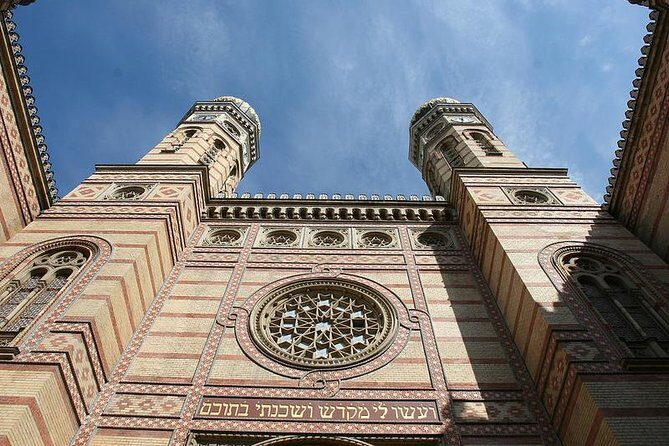
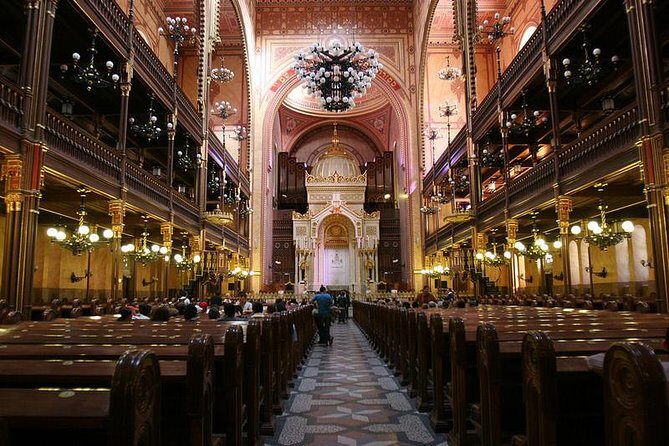
- Dohány Street Synagogue interior time: you don’t just look from outside.
- Jewish Museum focus on art + daily life: you’ll see Hungarian and Eastern European works tied to Jewish culture.
- WWII rescue memorials in the walking route: the tour namechecks Raoul Wallenberg and Carl Lutz in meaningful, place-based ways.
- Old Jewish Quarter and ghetto context: the walk threads the WWII story through streets you can still recognize.
- Grand Tour option adds major orthodox synagogue time: Kazinczy Street Synagogue is part of the extended route.
- Kosher sweets and a later dinner discount: you get a treat stop plus a 10% off coupon to use on your own.
From Dohány Street Synagogue to a story you can follow
If Budapest is a living museum, the Jewish Heritage route is one of its clearest narrative lines. You start at the Dohány Street Synagogue on Dohány u. 2 (near public transit), meeting your guide and a small group that tops out at 15 people. That small size matters. It keeps the tour conversational, with room for questions instead of a one-way lecture.
The tour also comes in two flavors. The shorter Essential option is built for tight schedules. The longer Grand option continues after the Essential route finishes, adding more synagogue and memorial stops plus a food moment to round things out.
You’ll also notice how the tour balances emotion with structure. You aren’t handed tragedy as a vibe. You’re given names, dates, and physical locations, which makes the whole experience easier to process.
You can also read our reviews of more walking tours in Budapest


Entering the Great Synagogue (Nagy Zsinagoga): big building, bigger context
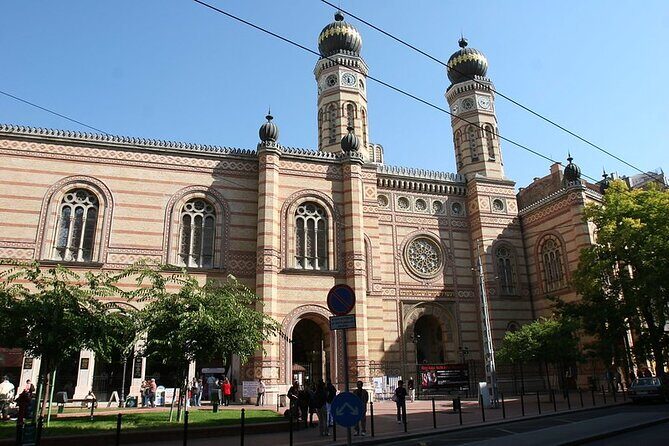
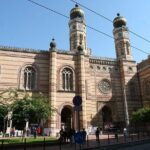
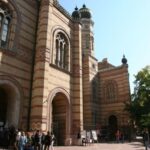
The standout first major stop is the Great / Central Synagogue, known as Nagy Zsinagoga. This is the Dohány Street Synagogue, and the tour sets you up for it by starting with the inside visit first. It’s described as the largest synagogue in Europe and the second largest in the world, so yes, the scale lands immediately. But what the guide does (and what you’ll remember later) is the meaning behind the scale.
Inside visits can feel like a whirlwind on some tours. Here, it’s timed in a way that gives you a chance to take in the space. You’re not rushed straight back onto the sidewalk. You also get narration that ties the building to the community’s life and history, rather than treating it like just another impressive façade.
One review mentioned Benji (also seen as Benjamin/Ben) as an excellent story-teller who keeps the group engaged and answers questions in a way that feels personal and grounded in place. That’s the main reason this stop works so well: you’re not only seeing what’s there. You’re understanding why people cared enough to build, preserve, and remember.
Jewish Museum and Archives: art, everyday life, and a Holocaust room
After the synagogue, the route moves into the Hungarian Jewish Museum and Archives. This is where the tour shifts from architecture to culture. You’ll get a guided walk inside that frames Jewish heritage through art from Hungary and Eastern Europe, along with the traditions and holidays that shaped everyday life.
The museum setup helps you connect dots that might otherwise feel disconnected. Instead of only hearing about WWII, you see how Jewish communities lived, made art, and practiced faith long before the tragedy. That makes the later memorial stops hit harder, because you’re not starting from a blank page.
There’s also a separate room commemorating the Hungarian Holocaust. That detail is important. It signals that the museum isn’t trying to be everything at once. It gives that heavy topic its own space, so the emotional tone doesn’t get mixed into lighter displays.
Time here is typically around three-quarters of an hour on the tour you’re considering. That’s enough to get oriented and feel your way through the guided highlights, especially if your guide paces well and lets people ask questions.
Walking the Jewish Quarter: the streets explain what textbooks can’t
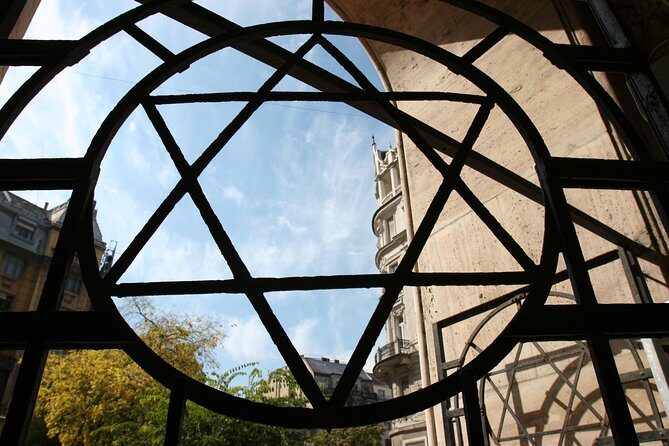
Once you’re done with the museum, you transition into a walk through the old Jewish Quarter. This part of the route is one of the most effective ways to learn, because you’re seeing history in the layout of the neighborhood rather than only in exhibits.
The tour explicitly references the area as the ghetto during the Second World War. And even if you know the basics already, seeing it tied to specific points in a guided route helps your brain map what happened where. It’s the difference between remembering a sentence and remembering a street corner.
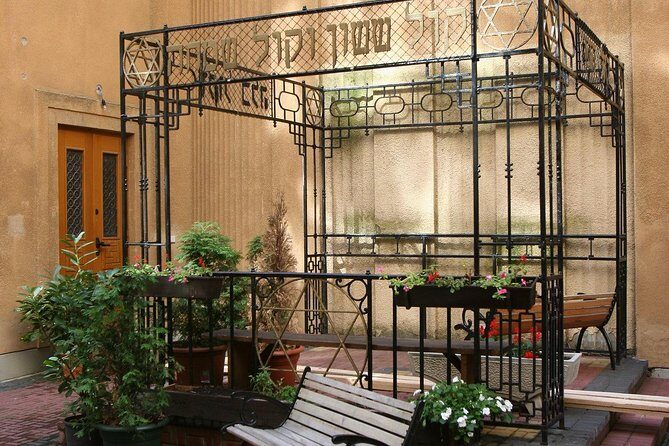
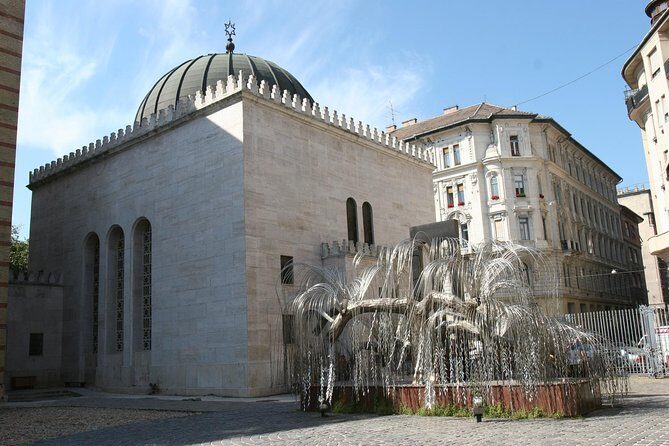
You’ll also pass by Heroes’ Temple, described as a memorial to lives lost during World War I. That’s a subtle but powerful touch. It reminds you that Jewish history in Budapest isn’t only about one conflict. It’s part of the city’s broader 20th-century trauma and survival.
In reviews, many people highlighted how guides made the ghetto context feel sobering and real, not abstract. That depends on your guide’s delivery, of course. But because this is a guided walking experience with a small group, you’re more likely to get the right balance between fact and reflection.
Raoul Wallenberg Holocaust Memorial Park: named remembrance with location power
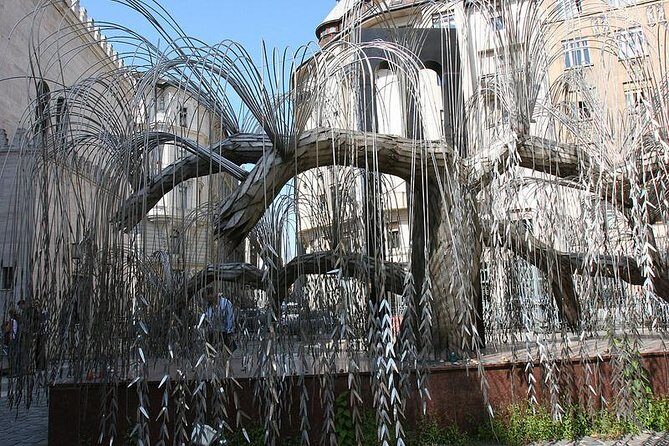
Next comes the Raoul Wallenberg Holocaust Memorial Park. This stop is named for Raoul Wallenberg, described on the tour as the man credited with saving the lives of thousands in the Jewish community.
What makes this memorial stop valuable is the way it shifts the story from “what happened” to “who acted.” You still face the weight of Holocaust memory, but you also leave the route understanding that some individuals fought back against the machinery of persecution.
Memorial parks can sometimes feel like a quick pause between bigger sights. Here, you get enough time to take in the space and the narration. Even if you’re not the type to linger in monuments, it’s worth treating this as a checkpoint. Stop. Look around. Let the names land before you move on.
You can also read our reviews of more historical tours in Budapest



Essential vs Grand: choosing the right amount of time in Budapest
Here’s how to think about the route choice so it fits your day.
Essential option (shorter route)
If your schedule is tight, the Essential timing makes sense. You visit the synagogue interior, the Jewish Museum and Archives with guided narration, and you get the memorial park stop plus the old Jewish Quarter walk. In practice, that means you spend your time on the heaviest context points rather than trying to do every synagogue angle in one go.
Some visitors said this route was still more than just a synagogue tour. That’s true because the museum and the WWII remembrance stops are part of the core experience, not optional add-ons.
Grand option (extended route)
If you can spare extra time, the Grand option adds more sights and depth. It continues after the Essential route finishes, taking in additional synagogues and memorial stops, plus a passage area.
For example, it includes Carl Lutz Memorial Park, honoring another WWII figure. Like Wallenberg, Lutz is presented as a credited rescuer for the Jewish community.
It also includes Gozsdu Udvar / Gozsdu passage time (in the form of passing by the area), which gives you a quick “where life is now” contrast against the memorial-heavy stops. It’s brief, but it helps your brain reset between heavy topics and architecture.
And then there’s Kazinczy Street Synagogue. The tour describes it as the main synagogue of the Hungarian Orthodox Jewry, built in art-nouveau style, and one of the largest operating orthodox synagogues in Europe. If you like seeing how different Jewish communities and styles show up in city architecture, this is the stop that makes the Grand option feel worth it.
Kazinczy Street Synagogue and orthodox life: style you can see, tradition you can hear
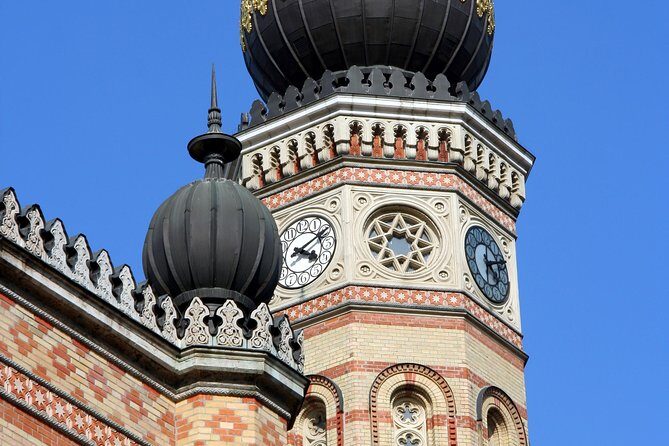
Kazinczy Street Synagogue is one of the most visually distinct additions in the Grand route. It’s tied to the Hungarian Orthodox community and described as art-nouveau in style. That matters because it helps you see the range of Jewish architectural expression in Budapest, not just one dominant style.
The guide’s narration is the key again. In the best moments, guides explain what the space is for and how Orthodox life shapes community routine. In one review, a guide praised for communicating ritual and history in an understanding way noted their own background and family experience with Orthodox Judaism. While you can’t count on the same personal story every time, it matches what many people look for here: respectful explanations that make ritual understandable instead of sounding like a script.
Your time at Kazinczy is about half an hour. It’s long enough for a focused look and a meaningful guided explanation, without dragging on.
At the end, you get two food-related options. You can accept an invitation to have cake at the glatt kosher Fröhlich confectionery, or receive a 10% discount to use at the glatt kosher Carmel restaurant later that evening.
The kosher stop: sweets now, dinner planning later
It’s easy to treat food as a tourist afterthought. Here, the kosher sweets stop is actually part of the flow. After walking through heavy WWII context, a small, warm break helps you come down from the emotional high and keep your energy up.
Fröhlich is the dessert/cake moment described on the tour. If you choose the Grand option, you’ll get that invitation during the final segment. The tour also includes a 10% discount for Carmel for you to enjoy later on your own.
I like that structure for two reasons. First, it gives you a built-in moment that doesn’t require searching. Second, it lets you plan your evening like an adult, not like someone stuck in a schedule. You’re free to keep exploring after the tour, and the discount becomes a small reward for time spent learning.
Some reviews also point out that guides may add practical extra stops like a Judaica shop. One example mentioned items like tefillin being hard to find at home and easier to track down in Budapest. If that’s the kind of souvenir you care about, ask your guide if there’s time for shopping during the route.
Price and value: what $83.44 buys you in real sightseeing hours
At about $83.44 per person, this isn’t a budget throwaway tour. But it’s also not priced like a private museum guide. The value comes from two things: you’re getting a guided route with admissions included for major sights, and the group size stays small (up to 15).
You should also consider the hidden value of timing. You start at a specific location and move efficiently from synagogue to museum to memorial sites. That saves you from piecing together admissions and travel breaks yourself.
If you enjoy guides who can answer questions, this helps the money stretch. Multiple feedback comments praised guides for being engaging, clear in English, and easy to talk with. That makes the tour feel like a learning conversation, not like you paid to be herded from door to door.
The one reason it may feel less like a bargain is pacing. If you’re the type who wants nonstop walking, you might feel the time inside the synagogue and museum takes up more of the tour than you expected. Still, for most people, that’s exactly why the experience works.
Pacing, comfort, and what to bring for a smoother walk
You’re out for about three hours on the Essential version, and longer on the Grand. The walking is part of the learning, but it’s not an all-miles hiking trek. You’ll also spend time seated inside major stops.
So plan for a day that includes both standing and sitting. Comfortable shoes are a must. The tour starts at 10:00 am, so if you’re sensitive to mornings, eat something light before you arrive.
Bring a camera if you like photos, but don’t let it steal your focus. Memorial sites and the museum’s Holocaust room deserve your attention more than your lens. If you want to capture anything, take quick shots and then re-engage with the guide.
Also, since the tour ends in a different location than where it starts, plan your next move nearby. You don’t want your schedule to rely on a complicated transfer at the exact finish moment.
Who this tour is best for (and who might want another option)
This is a strong choice if you want Jewish heritage in Budapest with structure: a synagogue interior, an art-and-life museum, and memorial stops tied to specific rescuers and WWII context.
It’s also a good fit if you like learning from a guide with perspective. A number of reviews specifically mentioned guides who personalized stories and answered questions beyond dates and facts. If you care about the human angle—how communities lived, how they were targeted, and what remembrance looks like now—you’ll likely enjoy it.
If you’re visiting for only a quick look at a famous synagogue from outside, you may find this too heavy. And if you strongly dislike sitting during tours, you might prefer a different style of sightseeing day. Still, even for those preferences, the museum and memorial park stops are hard to replace with self-guided wandering.
Should you book the Budapest Jewish Heritage Memorial Walking Tour?
If you want a focused, high-impact way to understand Budapest’s Jewish heritage, I’d book this. The admissions add real value, the route makes the city’s WWII narrative easier to follow, and the small-group format gives your questions a fair chance to get answered.
Choose Essential if you’re short on time and want the main pillars: synagogue interior, Jewish Museum and Archives, and the core memorial walk. Choose Grand if you want more synagogues, additional WWII remembrance stops, and the kosher sweets and discount at the end.
In short: this tour works when you want meaning along with monuments. If that’s your style, you’ll leave with far more than photos.