REVIEW · BUDAPEST
Communism in Budapest: Private Tour with House of Terror Museum
Book on Viator →Operated by Travel Curious · Bookable on Viator
Budapest turns political fast. This private walking tour connects Hungary’s 20th-century upheavals to real city landmarks, and I like that it keeps the story readable as you move block to block. I also like the included House of Terror museum time, so you’re not just hearing about the past—you’re seeing memorials and exhibits as the walk ends.
One consideration: you’re outdoors for much of the 3-hour route, and the House of Terror material is heavy, so plan for a sober, slower pace at the end.
In This Review
- Key highlights
- A private walk through Budapest’s communist-era story
- Bem József Memorial Square and the 1956 turning point
- Walking the central district: squares, retro scenes, and big ideas
- Falk Miksa Street and the Columbo statue
- Kossuth Lajos Square and the Parliament exterior
- House of Terror Museum: memorials, exhibits, and emotional weight
- Timing, pace, and how the 3 hours fit together
- Price and value: $180 for a private guide plus museum entry
- What to expect at the start and finish
- Best for who (and for what kind of traveler)
- A note on guides: Vera’s impact matters
- Should you book the Communism in Budapest private tour with House of Terror?
- FAQ
- How long is the Communism in Budapest tour?
- Is the House of Terror Museum ticket included?
- Do I need tickets for the Parliament visitor area?
- Where does the tour start and where does it end?
- Is this tour private or shared with other people?
- What kind of tickets does the tour use?
- Is food included during the tour?
- Is transportation or hotel pickup included?
- Is there a cancellation option?
Key highlights
- Bem József Memorial Square as a front-row start to the 1956 student protests
- Falk Miksa Street with the unexpected Columbo statue stop that adds comic relief
- Kossuth Lajos Square and the Parliament exterior for a clear sense of Hungarian power and symbolism
- Liberty Square and the Ronald Reagan statue as a real-world reminder that politics travels
- House of Terror Museum entry included for exhibits tied to fascist and communist regimes
- Private guide and plenty of photo time so the story sticks to what you’re seeing
A private walk through Budapest’s communist-era story
If you’ve ever wondered how politics shapes a city, Budapest gives you answers in plain sight. This tour is built for that. You walk through squares and streets tied to major breaks in Hungarian history—from the Nazi occupation era, through Soviet-backed rule and the rise and fall of Communism, and onward toward the birth of democracy.
The best part is the method: you’re not stuck in a lecture hall. You’re moving between places that people associate with power, protest, and repression. And because it’s private, you can ask questions without feeling rushed, especially when the guide points out details most people miss while scanning for photos.
You can also read our reviews of more private tours in Budapest



Bem József Memorial Square and the 1956 turning point
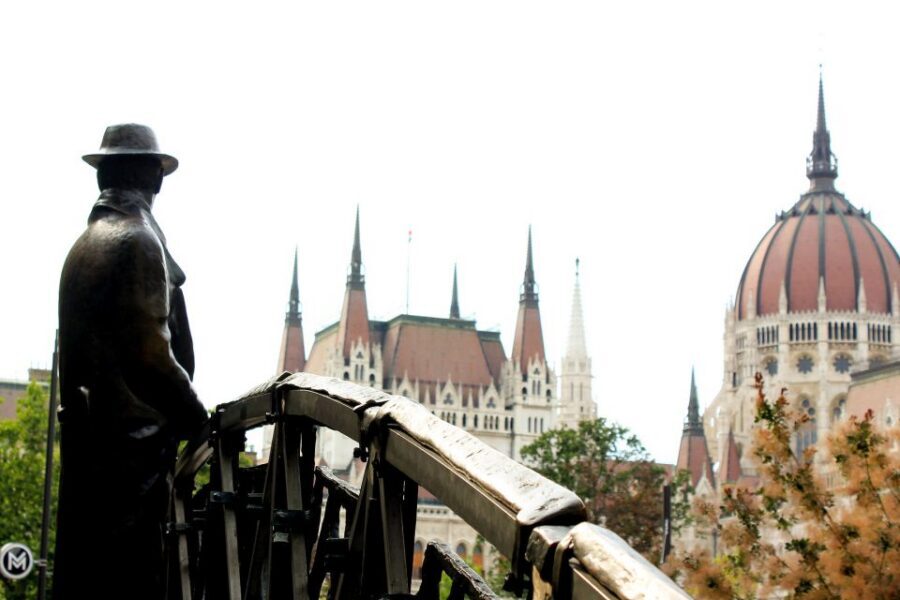
You start at Bem József tér 2, right at Bem József Memorial Square. This is not a random park stop. It’s tied to 1956, when Hungarian students protested against Soviet rule. The location sets the tone immediately: you get the sense that Budapest remembers, even when the street scene looks calm.
This first segment also works as a warm-up for your eyes. Your guide helps you connect what you see—monuments, public spaces, and the way a square is organized—to the political meaning attached to it. Admission here is free, and the stop is short, so it’s an easy start even if you’re trying to keep the whole day from getting too long.
Walking the central district: squares, retro scenes, and big ideas
From the memorial square, you continue into the central district. Expect a mix of what Budapest looks like today—streets with shops and nightlife spots—while your guide threads in what life could feel like under Communist rule.
One practical reason I like this part of the tour: it prevents the story from feeling stuck in the past. You’ll talk about ideology and control, but you’re also walking through normal streets. That contrast helps the history land in a way that doesn’t feel like a museum-only topic.
You’ll also see commemorations connected to later political symbolism, including a stop for the Ronald Reagan monument in Liberty Square. Seeing an American president’s name in Budapest’s public space is a reminder that Cold War politics didn’t stay behind closed doors. It shows up in stone, naming, and urban memory.
Falk Miksa Street and the Columbo statue
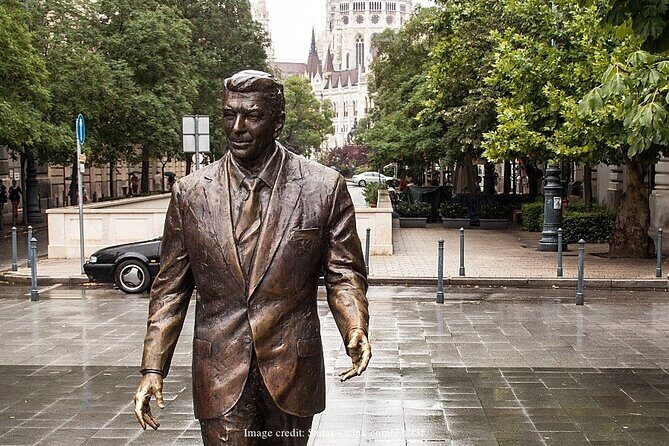
Then comes a fun detour that feels oddly perfect in a tour about dictatorship and truth-seeking. On Falk Miksa Street, you’ll spot an unlikely statue of Columbo, the famous fictional detective known for his scruffy look and stubborn focus on getting to the truth.
This is one of those moments where a guide’s selection matters. A statue like this could easily be skipped by people speed-walking for landmarks. Here, it becomes a contrast point: while 20th-century Hungary was shaped by propaganda and political narratives, the Columbo image points toward the human habit of questioning and investigating. It’s a small visual break, but it keeps you engaged when the topic grows heavy.
Kossuth Lajos Square and the Parliament exterior
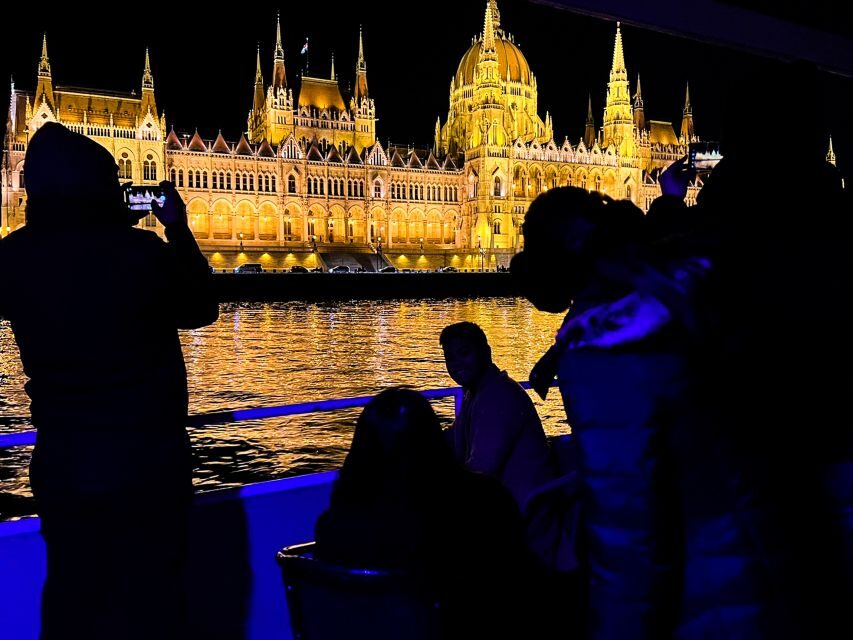
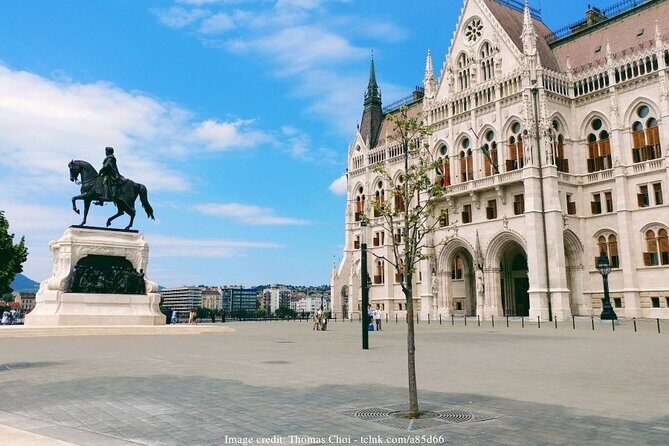
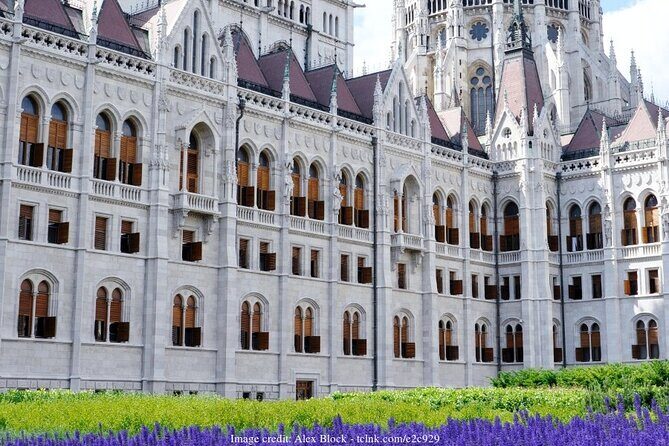
Next you’ll walk to Kossuth Lajos Square and stand outside Hungary’s Neo-Gothic Parliament building, one of the most dramatic political images in the city. This is the kind of place where the architecture does work for the story. It’s hard not to think about national assemblies, public authority, and how governments want to look when they’re presenting themselves.
There’s also a practical detail to know: time at the Hungarian Parliament Visitor Centre is part of the plan, but admission there is not included. So if you’re hoping to go inside, you may need to purchase tickets separately or adjust expectations. The tour still gives you the key idea—how Hungary’s political story stretches back toward the present—without forcing you into extra costs.
You can also read our reviews of more museum experiences in Budapest


House of Terror Museum: memorials, exhibits, and emotional weight
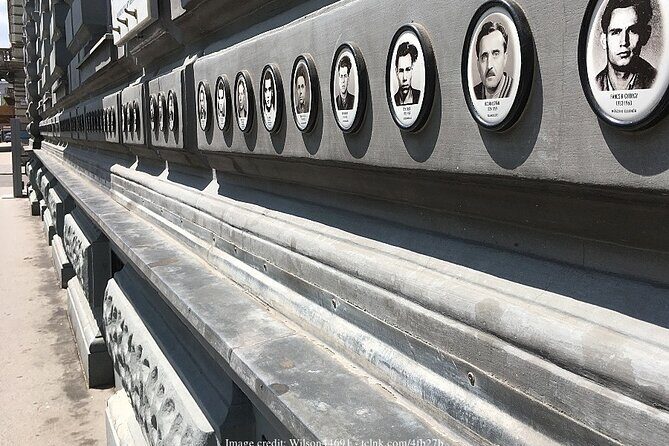
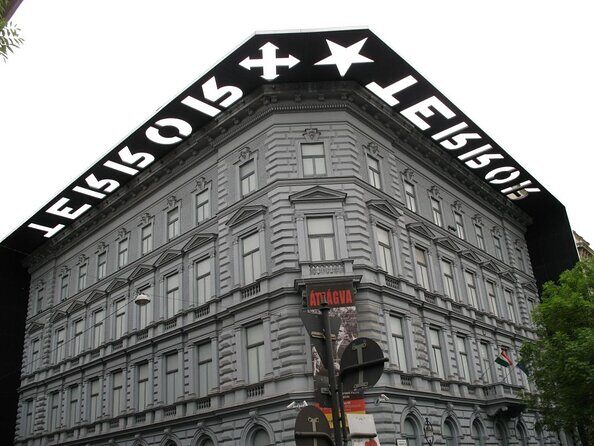
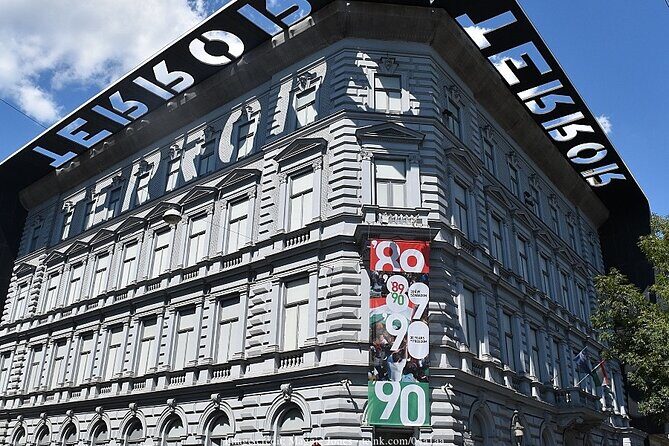
The final stop is the House of Terror Museum at Andrássy út 60, 1062. You’ll finish there, and the tour includes your entrance ticket. Your guide provides the tickets, then you’re free to explore afterward at your own pace.
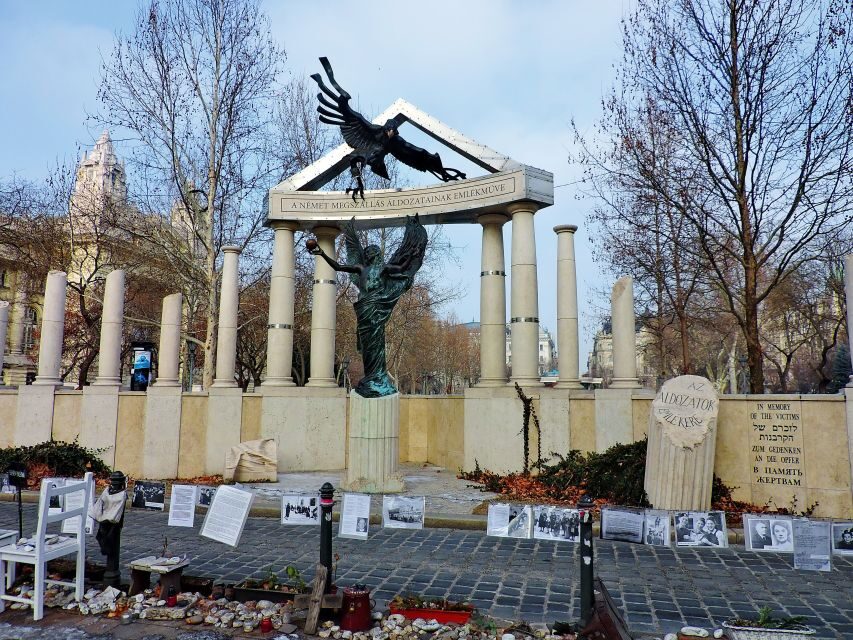
Here’s the tone shift you should expect: the House of Terror is a memorial to victims of past regimes. The museum covers atrocities connected with both fascist and communist rule in 20th-century Hungary, including people detained, tortured, and killed inside the building. The time on-site is about 30 minutes as part of the tour, which can feel short once you’re inside—but it’s also long enough to orient you and help you choose what to see first.
I like the way the museum closes the arc of the walk. Earlier stops give you context in squares and streets; the museum brings that context into direct human consequences. Even if you know the broad Cold War story, the memorial focus makes it harder to treat history as trivia.
Timing, pace, and how the 3 hours fit together
The total tour time is about 3 hours. That works well if you want a focused hit of political history without eating your whole day. It’s also a good length for a private group, since you’ll have time for photos and conversation rather than being pulled forward every few minutes.
Most of the walking happens outdoors, with stops that are either short (like Bem József Memorial Square) or more structured but brief (like the Parliament area). So wear comfortable shoes. You don’t need extreme fitness, but you do want to be ready for standing and walking through central Budapest.
Price and value: $180 for a private guide plus museum entry
At $180 per person, this isn’t a budget stroll. But it does offer clear value for what you’re buying: a private guide, a designed route through major political landmarks, and included entry to the House of Terror Museum.
Here’s how I think about it in real terms. If you tried to recreate this yourself, you’d spend time mapping the route, booking museum entry, and figuring out what details matter at each stop. With a private guide, you’re paying for interpretation—having someone connect Bem József tér, Kossuth Lajos Square, and the House of Terror into a single story you can follow without homework.
You’ll also get mobile tickets, which makes museum entry smoother. And the tour is described as having group discounts, which can make the price feel more reasonable if you’re traveling with friends or family in a small cluster.
What to expect at the start and finish
You meet in Budapest at Bem József tér 2, 1027, and the tour finishes at the House of Terror, Andrássy út 60, 1062. The tour finishes there, and you’ll visit the museum at your own leisure after your guide provides entry tickets.
Because the start point is near public transportation, it’s easier to fit into your day than tours that require a long taxi ride. Still, do yourself a favor: check how long it takes you to get to Bem József tér on the day you go, then arrive a few minutes early so you start calmly.
Best for who (and for what kind of traveler)
This tour fits best if you want political history tied to place, not just timelines. If you’re the kind of traveler who reads plaques, watches how a square is laid out, and enjoys connecting the dots between architecture and power, you’ll get a lot out of this.
It’s also a good match if you want a private experience. The route is designed so you can ask questions—especially when the guide points out details like the Columbo statue or the Reagan monument that otherwise might feel random.
One more match question: are you ready for heavy subject matter? If you’re sensitive to stories of torture and killings, take that seriously. The museum doesn’t soften the facts, and that’s part of its role as a memorial.
A note on guides: Vera’s impact matters
One detail I’m glad to include is that the guide can make a real difference in how this feels. A standout comment I saw was about Vera, described as knowledgeable and giving interesting insights about Budapest and its history. That’s exactly the kind of guiding that helps this tour work: you want context that feels human, not just dates and facts.
Since it’s private, you may still want to communicate your interests at the start—what you want to understand most, whether you prefer the Soviet-era focus or the broader shift toward democracy—so the story fits your curiosity.
Should you book the Communism in Budapest private tour with House of Terror?
I’d book it if you want a structured, place-based story of Hungary’s political swings, ending with museum entry that actually shows what the past did to real people. The included House of Terror ticket and the private guiding make it feel like more than a walk.
I’d skip—or at least adjust your expectations—if you’re hoping for something light, casual, or purely scenic. This is a political narrative with emotionally serious stops, and the best way to enjoy it is to slow down and let the history do its job.
If you’re balancing Budapest sights and you want one experience that gives real context, this is one of the more direct ways to get there—standing in the same city where protest, control, symbolism, and memory still show up in everyday streets.
FAQ
How long is the Communism in Budapest tour?
The tour runs for about 3 hours.
Is the House of Terror Museum ticket included?
Yes. Entrance to the House of Terror Museum is included, and your guide provides the tickets at the end of the tour.
Do I need tickets for the Parliament visitor area?
Admission for the Hungarian Parliament Visitor Centre is not included.
Where does the tour start and where does it end?
It starts at Bem József tér 2, 1027 Hungary, and ends at the House of Terror Museum at Andrássy út 60, 1062 Hungary.
Is this tour private or shared with other people?
It’s private. Only your group participates.
What kind of tickets does the tour use?
It uses a mobile ticket.
Is food included during the tour?
No. Food and drink are not included.
Is transportation or hotel pickup included?
No. Hotel pickup/drop-off and transportation throughout the tour are not included.
Is there a cancellation option?
Yes. Free cancellation is available up to 24 hours in advance for a full refund.