REVIEW · BUDAPEST
Budapest: Light Art Museum Skip-the-Line Entry Ticket
Book on GetYourGuide →Operated by Intersputnik Kft · Bookable on GetYourGuide
Light changes how you see rooms. At Budapest’s Light Art Museum, colorful light, optical tricks, and modern art turn a regular building into a walk-through experience with skip-the-line entry. You spend your time moving room to room, watching projections, light patterns, and installations react to where you stand.
I particularly love the standout installations, especially the big floating tent and the moment you step into the light sphere. The best part for me is how many pieces are built for close-up viewing, so you keep finding new details as your eyes adjust.
One thing to plan for: this museum can feel small. Many people are done in about 1 to 1.5 hours, and some sections can be closed at certain times, so you’ll want to go with the right expectation.
In This Review
- Key takeaways for your visit
- Budapest Light Art Museum Skip-the-Line: what you’re actually buying
- The building matters: a former market turned light lab
- A room-by-room light art walk: optical illusions, projections, and “stand here” moments
- The installations I’d prioritize: floating tent, blimp, airlock dome, and the light sphere
- The floating tent
- The blimp and other standouts
- The airlock dome
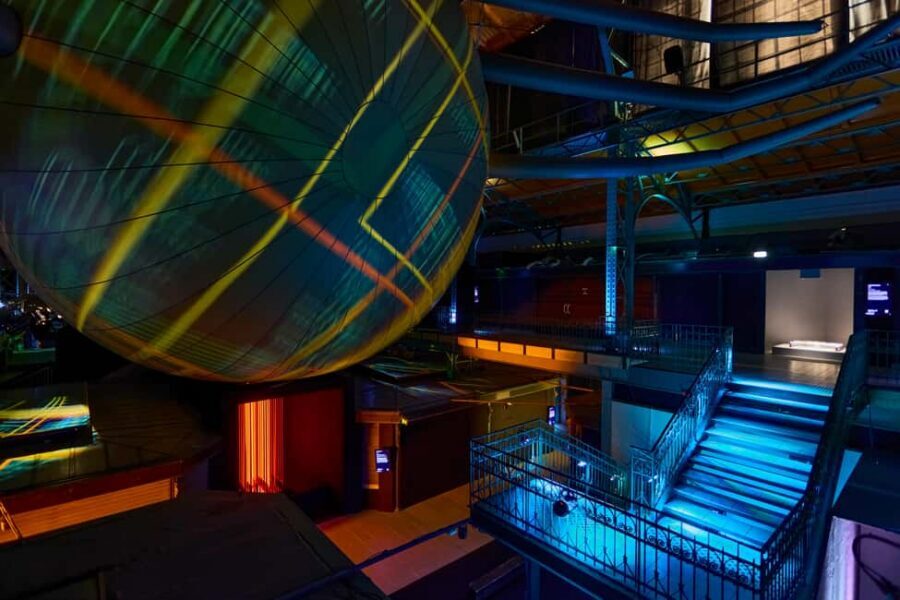
- The light sphere
- Upstairs vs downstairs: pace it so the best rooms land near the end
- Artists you can recognize: Moholy-Nagy and Vasarely cues
- Photo tips that actually help (and where to slow down)
- Families, teens, and the over-18 section you should know about
- Price and value: is $21 worth it?
- Who should book this Light Art Museum ticket
- Should you book? My practical recommendation
- FAQ
- How long is the Light Art Museum ticket valid for?
- Does this ticket include skip-the-line entry?
- Do I need a tour guide?
- What languages are available on-site?
- Is there free cancellation?
- Can I reserve now and pay later?
- Is the ticket valid for only one day?
Key takeaways for your visit
- Skip-the-line helps you start fast: You’re encouraged to tell the host you want the quicker entry.
- Former farmers market setting: The building itself adds character, and the rooms are designed around light effects.
- Downstairs tends to hit harder: If you can, pace it so your later time is in the stronger rooms.
- Bring your camera instincts: Some pieces beg for close photos and different angles.
- Read the room text if you want the meaning: Notes on installations connect the art to real optical ideas and artists.
- A small adult-only section exists: There’s an over-18 area, so families should check before entering.
Budapest Light Art Museum Skip-the-Line: what you’re actually buying
For $21, you’re not buying a long guided museum tour. You’re buying a timed ticket that gives you about 2 hours to explore at your own pace. There’s no tour guide included, so the experience depends on how you like art that explains itself through light, color, and interactive space rather than a lecture.
You also get the biggest practical win: skip the ticket line. That matters in busy cities, and it helps you use your limited time well if you’re stacking sights in Budapest. The museum is run with timed entry in mind, and that shows in reviews where people talk about it not being too crowded.
Language support is straightforward. Hosts or greeters speak English and Hungarian, which is useful if you have questions right before you go in. If you prefer a self-guided pace, this format fits you.
A few more Budapest tours and experiences worth a look



The building matters: a former market turned light lab
The Light Art Museum isn’t in a classic museum hall. It’s in a repurposed historic marketplace space, described as a former farmers’ market. That change of setting makes a difference. Instead of white walls and tidy frames, you get rooms shaped for light to bounce, stretch, and create optical illusions.
Practically, it also means the museum can feel like a gallery of themed zones. You’re moving through separate installations that change the mood fast. One room might feel futuristic, another more illusion-focused, and another built around a physical experience (like the space you walk into and the effect it creates).
A good tip from how people describe the visit: read the information panels when you can, but don’t force it. Some rooms make immediate sense visually, while others connect to art concepts like op art and early light experiments.
A room-by-room light art walk: optical illusions, projections, and “stand here” moments
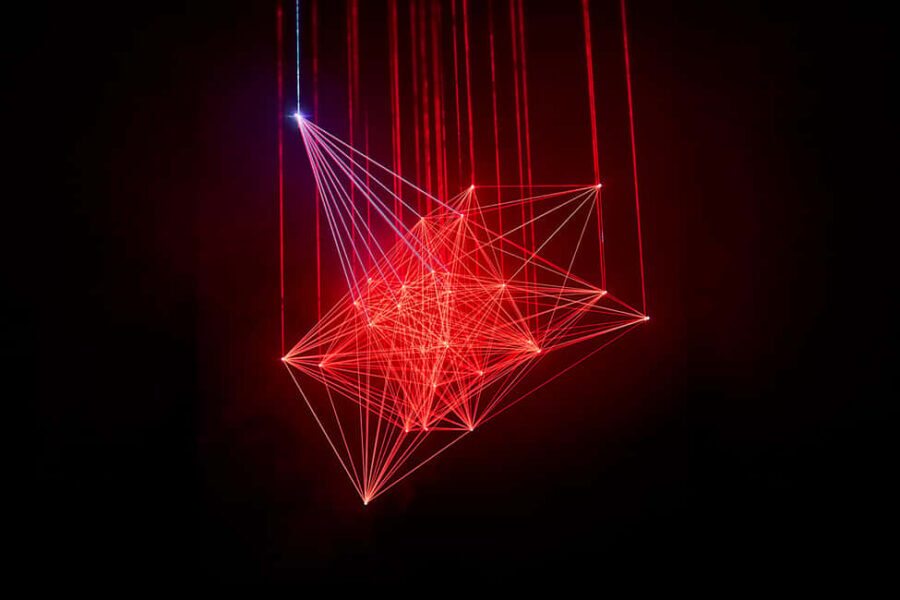
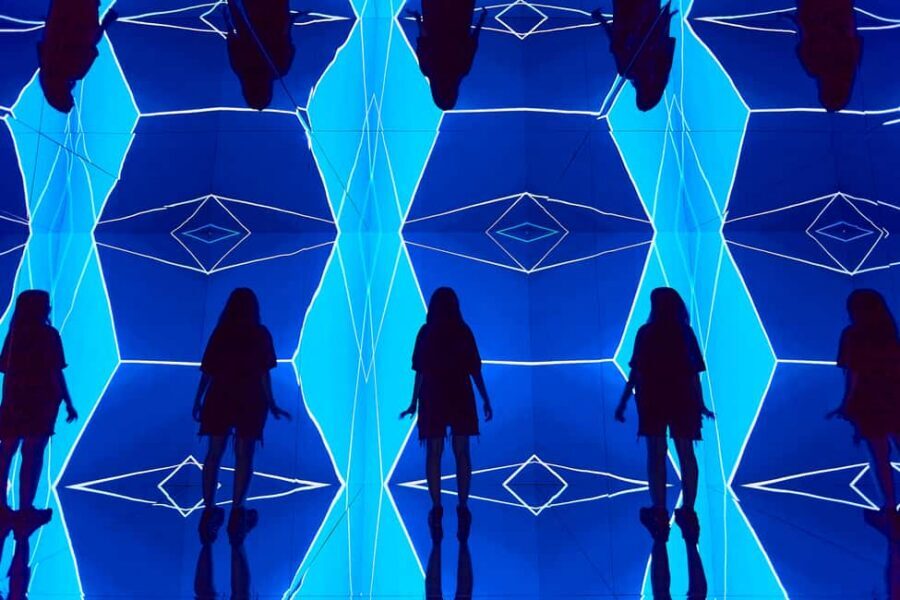
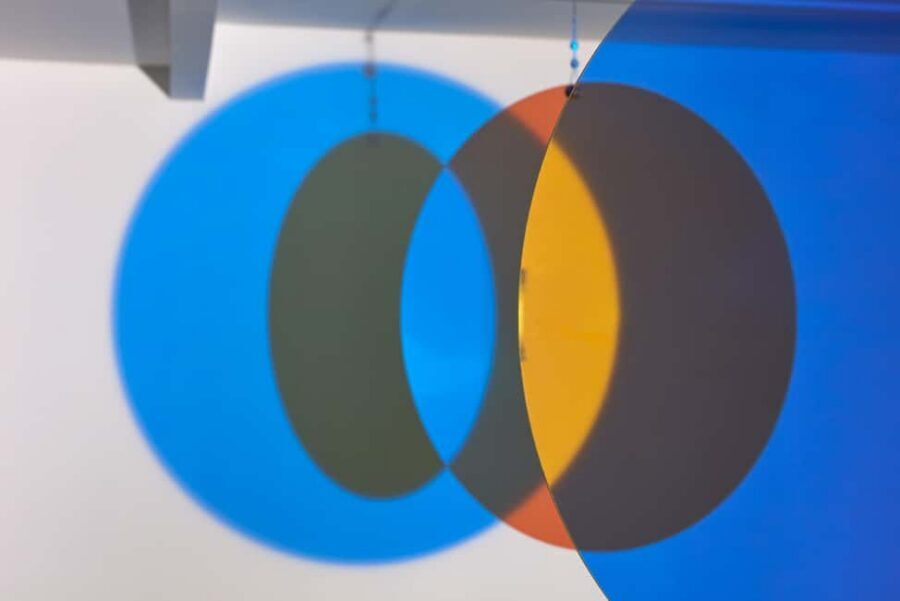
Think of this place as contemporary art plus physics lite. Many installations are based on simple rules—light angles, reflection, shadow, and perspective—then turned into something you can physically move around inside.
What you’ll likely see as you walk:
- projection mapping style effects that change how surfaces look
- optical illusion rooms that reward turning your head and changing your distance
- site-specific installations built to work with the room’s layout
- interactive elements where your position affects what you experience
Because you’re self-guided, the pacing is on you. If you’re the type who reads every label, you’ll enjoy the museum more. If you just want the show, you’ll still get plenty out of the visuals. Several reviews point out that the explanations help, but you can still enjoy it without getting everything.
The installations I’d prioritize: floating tent, blimp, airlock dome, and the light sphere
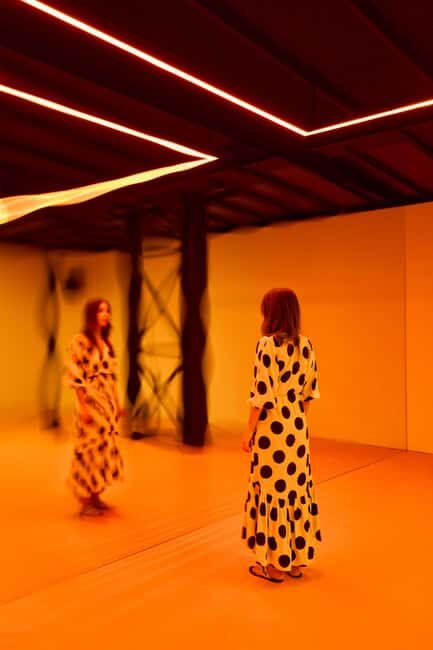
If you only have time to hit a few “must see” moments, these are the ones that come up again and again.
The floating tent
People highlight a big floating tent as an instant wow. It’s exactly the kind of installation that makes you stop, look for the trick, then look again and realize it’s all about how light is staged.
If you’re taking photos, give yourself time here. You’ll want different angles because the effect can shift depending on where the light hits the surfaces.
You can also read our reviews of more museum experiences in Budapest



The blimp and other standouts
Another frequently mentioned piece is a blimp installation. Reviews describe it as amazing, and it fits the museum’s theme: airy forms made of light and atmosphere rather than solid materials.
You’ll also see references to an airship effect. Even if you don’t know the art background, the visual idea is easy to appreciate: a floating “something” created through light and projection rather than traditional set design.
The airlock dome
One review calls out an airlocked dome as fantastic, with the best result coming when you lie down inside it. That’s a useful instruction for your body, not just your eyes. If your back is fine, this is where it can really click.
The light sphere
The immersive sphere (that’s what many people call it) is another repeat mention. This is where you step into the effect, so you’re not just looking at art; you’re inside the light.
If you’re visiting with kids or teens, this sphere tends to be the hit. It’s also a great “reset” stop in the middle of the visit when you want a physical experience rather than another room of visuals.
Upstairs vs downstairs: pace it so the best rooms land near the end
One of the most practical pieces of advice from reviews is about order. Multiple people say the downstairs rooms feel more exciting than upstairs.
So if you have only a day and you’re trying to make the most of your time, here’s how I’d pace it:
- start with the smaller rooms upstairs if you want an easy warm-up
- plan a gradual shift downward so you’re ending with your strongest impressions
Some people even recommend working from the more modest rooms to the better ones, so the final phase feels like a payoff instead of an afterthought.
Also, if you’re the type to linger, you can. That’s the point. But keep in mind the museum can be done faster than you expect. Several reviews suggest 1 hour may be enough, with 1.5 hours as a reasonable maximum for most people.
Artists you can recognize: Moholy-Nagy and Vasarely cues
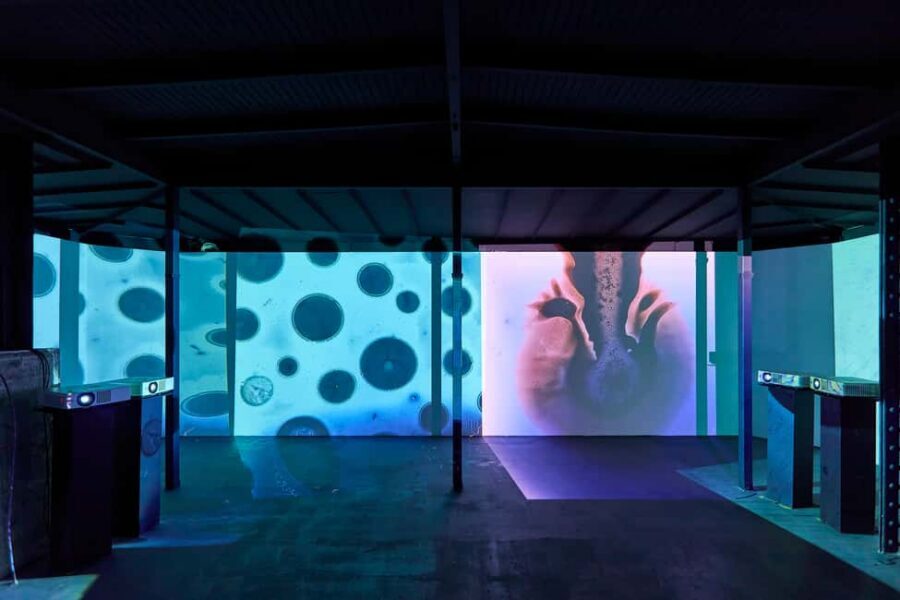
The museum isn’t trying to be a silent art-history test. But it does give you entry points into bigger names in light art and optical design, including László Moholy-Nagy and Victor Vasarely.
Why that matters for you: recognizing these names can turn a cool visual into a more meaningful one. Even if you don’t go deep, the panels help connect what you’re seeing to how these artists thought about light, movement, and perception.
If you’re traveling with someone who usually skips labels, this is a moment where labels can actually help. One review specifically mentions that once you read the background to each installation, they make more sense. That’s true here because the best moments aren’t random tricks. They’re built from art concepts and optical principles.
Photo tips that actually help (and where to slow down)
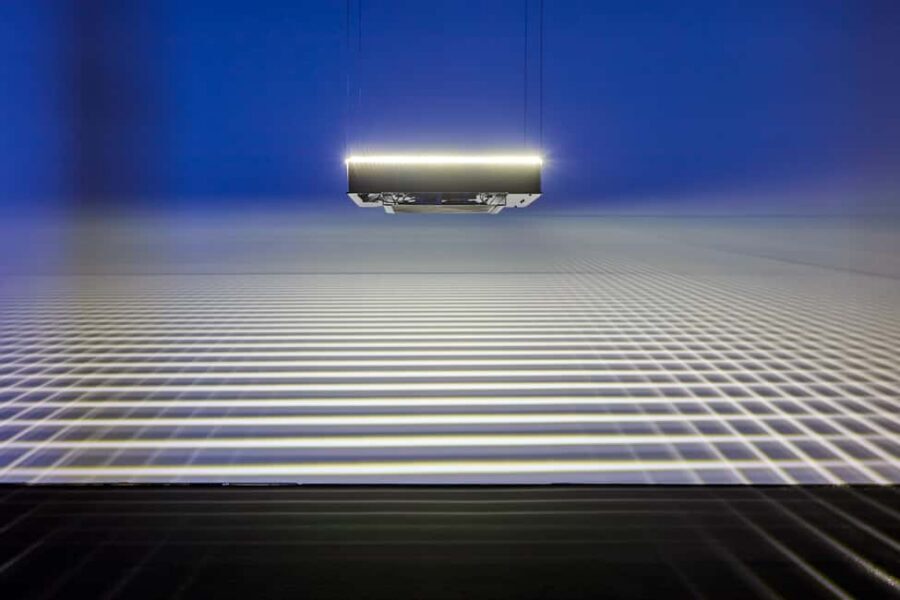
This is a photo-friendly museum, but the best photos aren’t automatic. Light art changes with the angle of viewing.
What helps most:
- Spend extra time in the installations with physical staging, like the dome and sphere.
- Try a second angle instead of moving on immediately. In light art, small changes create different effects.
- If something looks best from one body position (like lying down in the airlock dome), follow that instruction rather than forcing your usual stance.
Also, there’s value in moving steadily. Some pieces feel like they’re designed to be discovered in sequence, not seen in random order. If you jump around, you might miss how your eyes adjust from room to room.
Families, teens, and the over-18 section you should know about
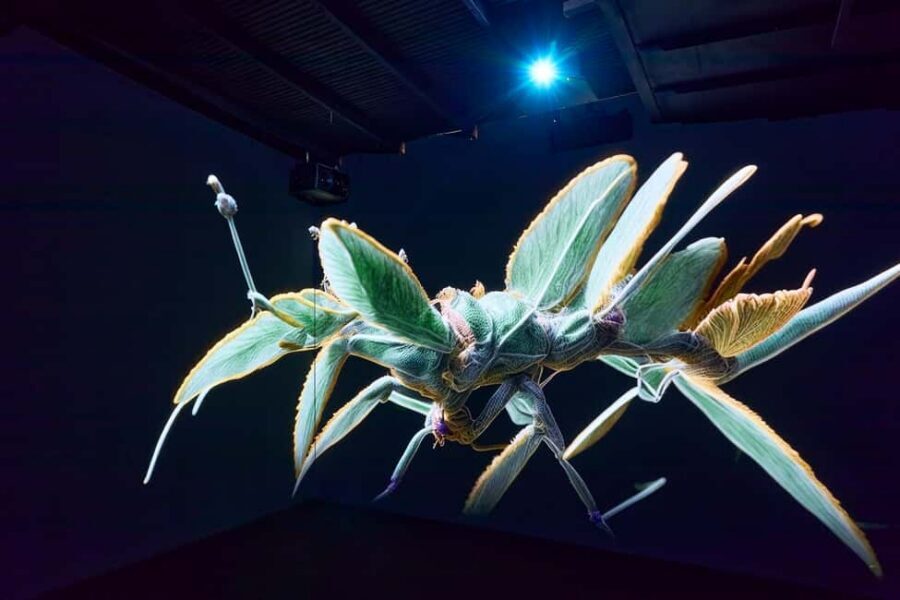
This museum is described as family-friendly in many ways. Reviews mention kids being delighted, including a 10-year-old who enjoyed the experience. There are also interactive elements that work well for younger visitors.
But there is a catch: reviews mention a section specifically labeled over 18. One person didn’t understand that closed exhibit section, while another suggests it isn’t ideal for small kids apart from certain balloon-type moments.
So here’s the practical approach:
- If you’re visiting with children, expect that not every room will be equally comfortable or appropriate.
- Let older kids read the panel context if they want the meaning. Younger kids may just enjoy the lighting and movement.
If you’re traveling with a mix of ages, you can still make it work. You just need to decide in advance who’s okay stepping past the adult-only area and who would rather stay in the general sections.
Price and value: is $21 worth it?
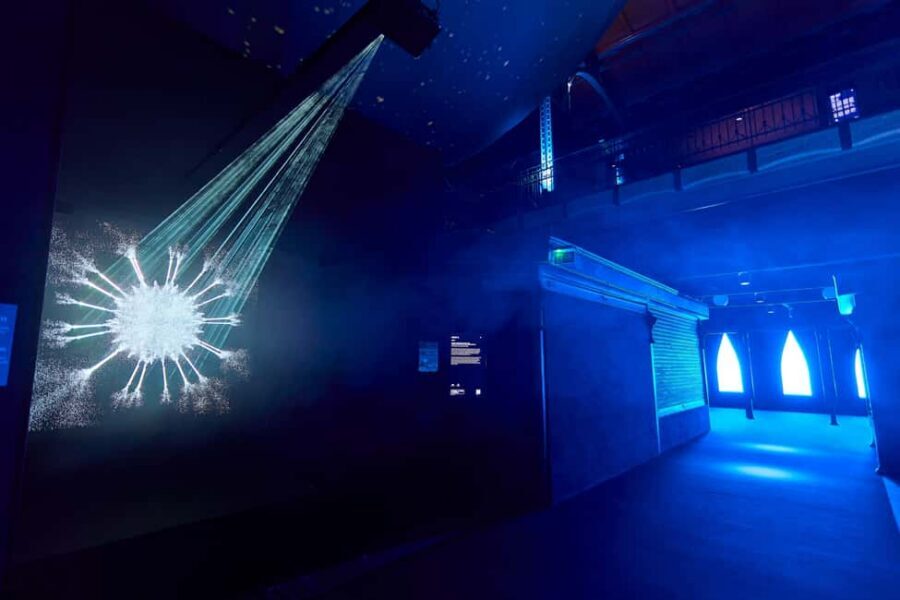
At $21 for about 2 hours, the value depends on what you want from museums.
It’s worth it if you:
- like contemporary art that’s more about perception and play than traditional galleries
- want great photo moments without spending a full day on one attraction
- prefer self-guided pacing and don’t need a lecturer
It might not be worth it if you:
- want a deep guided art explanation (since no tour guide is included)
- expect a large museum with lots of rooms that takes half a day or more
- need consistent availability of every installation (some people report that certain exhibits can be closed during their visit)
Given the rating of 3.9 with 1,531 reviews, and the repeated themes about strong visuals and good value, I’d say this ticket is a fair deal for most people. Just don’t plan it like a full-day museum.
Who should book this Light Art Museum ticket
I’d point you toward this experience if:
- you’re curious about optical illusions and how light changes perception
- you want a fun indoor activity on a day when you’d rather not chase a long walking route
- you enjoy modern art that doesn’t require prior knowledge
You might skip it if:
- you hate interactive, self-paced spaces and prefer guided storytelling
- you’re only interested in classic art museums or formal historical exhibitions
- you’re traveling with very small children and the over-18 area would complicate your visit
On the other hand, even adults who don’t usually care for this style can still enjoy it. Reviews make that clear. The visuals do a lot of the work.
Should you book? My practical recommendation
Book it if you want a quick, memorable Budapest stop that feels different from the usual museum routine. The skip-the-line entry helps, the ticket includes 2 hours, and the most praised highlights—the floating tent, the airlock dome, and the light sphere—are the kind of moments that stick with you.
I’d also book it if you like taking your time. Even when the museum is small, you can slow down, read a few panels, and enjoy the light from different angles. If you go in with the expectation of a compact, high-impact art walk, you’ll be in the sweet spot.
FAQ
How long is the Light Art Museum ticket valid for?
Your ticket includes about 2 hours of exploration.
Does this ticket include skip-the-line entry?
Yes, the ticket offers a skip-the-line option. You should let the hosts know you want to use it.
Do I need a tour guide?
No. A tour guide is not included, so you explore on your own.
What languages are available on-site?
Hosts or greeters are available in English and Hungarian.
Is there free cancellation?
Yes. You can cancel up to 24 hours in advance for a full refund.
Can I reserve now and pay later?
Yes. The option is available to reserve now & pay later.
Is the ticket valid for only one day?
Yes. It’s listed as valid 1 day, and you’ll want to check availability for starting times.