REVIEW · BUDAPEST
Budapest: 3-Hour Walking Tour About Communism (Small Group)
Book on GetYourGuide →Operated by Budapest Explorers · Bookable on GetYourGuide
Budapest keeps its politics on the sidewalk. In just three hours, you trace how Communism arrived, ruled, and left a long shadow over daily life in Pest, with stops tied to real places and real family memories. It’s small-group history on foot, not a lecture in a museum room.
Two things I love: the human stories (family anecdotes and lived details, not just slogans) and the practical “systems feel” of the included M2 subway ride. One thing to consider: this tour is focused on ideology and its impact in Hungary, so if you want purely visual sightseeing with zero politics, you may find it heavy.
In This Review
- Key highlights I’d plan around
- First steps: meeting on Erzsébet tér and starting in the right mood
- Walking Pest’s Communist-era clues, from WWII to 1989
- The best part: family stories that make politics feel real
- The red M2 subway ride: history you can feel in motion
- The retro café drink break: a bar with memory in the walls
- Price and value: is $57 worth three hours?
- Who should book this tour—and who might want to choose differently
- Quick practical tips so you get more out of it
- Should you book it?
- FAQ
- Where is the meeting point?
- How long is the tour?
- What language is the tour in?
- How big is the group?
- What’s included?
- Do you ride public transportation?
- Is it free to cancel?
- Can I reserve without paying today?
Key highlights I’d plan around
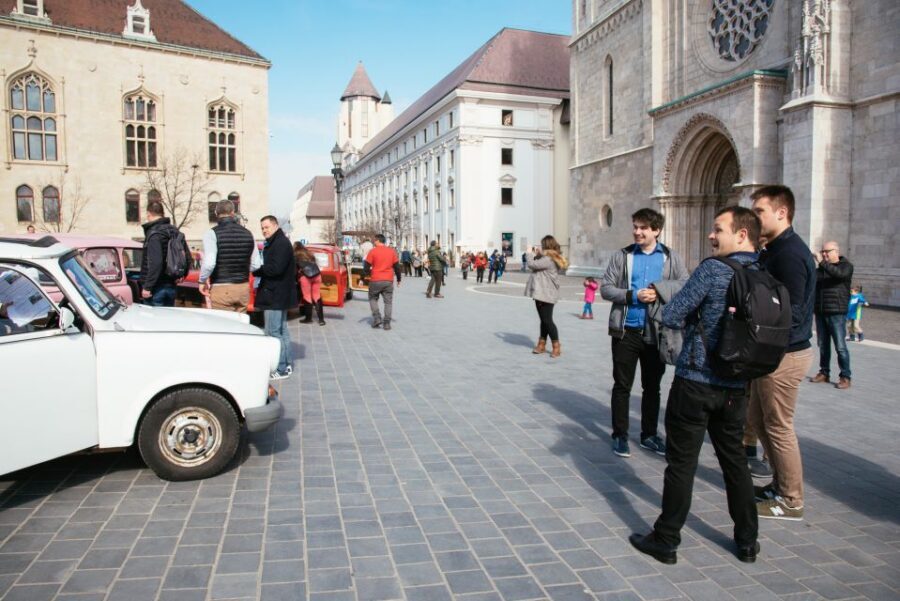
- Small group (up to 10), so you can actually ask questions and keep the conversation moving
- Historian guide-led commentary that connects Communism to broader events from WWII onward
- Pest walking route with visible reminders, including areas marked by conflict like bullet holes
- Ride the red M2 subway as part of the story, not just transit
- A drink break in a retro café, with the charm of a place that has barely changed since the early 1960s
First steps: meeting on Erzsébet tér and starting in the right mood
You start at Deák tér on the Pest side, after meeting near the Kempinski Hotel Corvinus Budapest on Erzsébet square, by the Ferris wheel. It’s an easy anchor point in a busy area, and once you find the group, everything moves quickly and clearly.
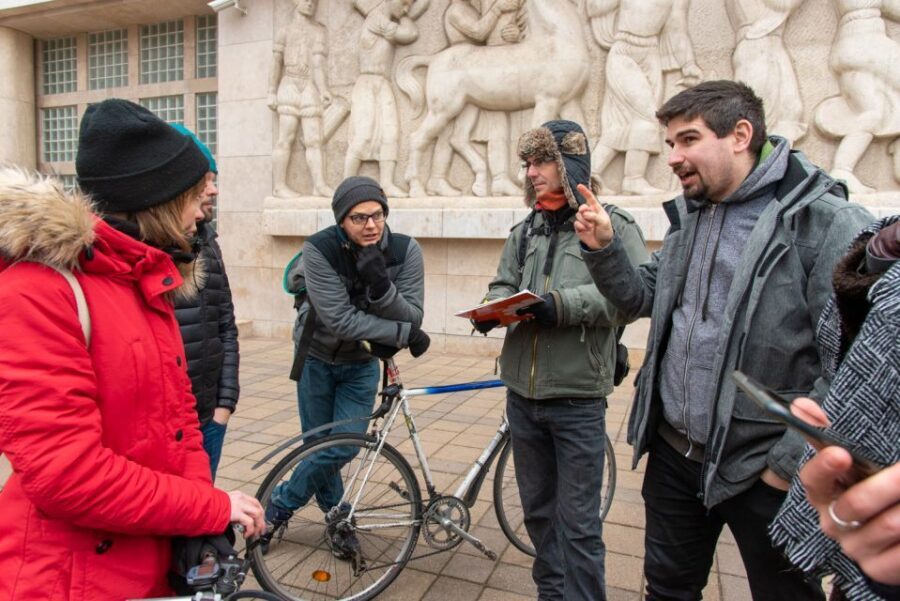
The vibe is part tour, part conversation. The guide sets the frame: not only what Communism promised, but how it landed in Hungary—through institutions, daily rules, and people’s choices. From the start, you’re encouraged to ask questions, and that matters because a lot of the best moments come when history meets the stuff you’re curious about.
If you like learning by walking—seeing streets, symbols, and context in the same breath—this format works well. And because it’s only three hours, it’s a manageable way to get a strong hit of context without burning an entire morning.
You can also read our reviews of more walking tours in Budapest



Walking Pest’s Communist-era clues, from WWII to 1989
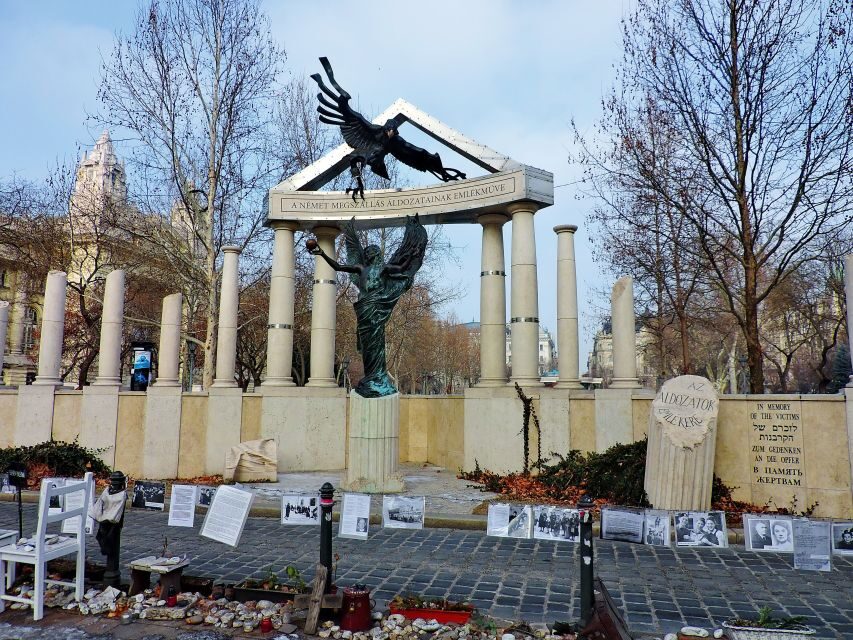
After you begin around Deák tér, you head through one of the more pleasant sections of central Pest, where the city still carries reminders of the twentieth century’s political shocks. The tour doesn’t treat the past like a sealed display case. It treats it like something you can still read in the streets, if you know what you’re looking at.
Expect stops that connect major chapters in Hungary’s timeline. The tour’s story runs from WWII, through the 1956 revolution, and forward to 1989 and the early 1990s. Along the way, you get reference points like the physical traces of conflict—yes, including the kind of marks you’ll hear described as bullet holes—but the guide also explains the wider meaning behind them.
What makes this part valuable for you is the cause-and-effect approach. Instead of just naming dates, the guide uses them to explain how ideology turns into policy, and policy turns into everyday life—who had power, what people could say, what people learned to avoid, and what they still managed to laugh about. And because the tour includes family stories, you’re not only tracking events. You’re tracking the human side of living through them.
The best part: family stories that make politics feel real
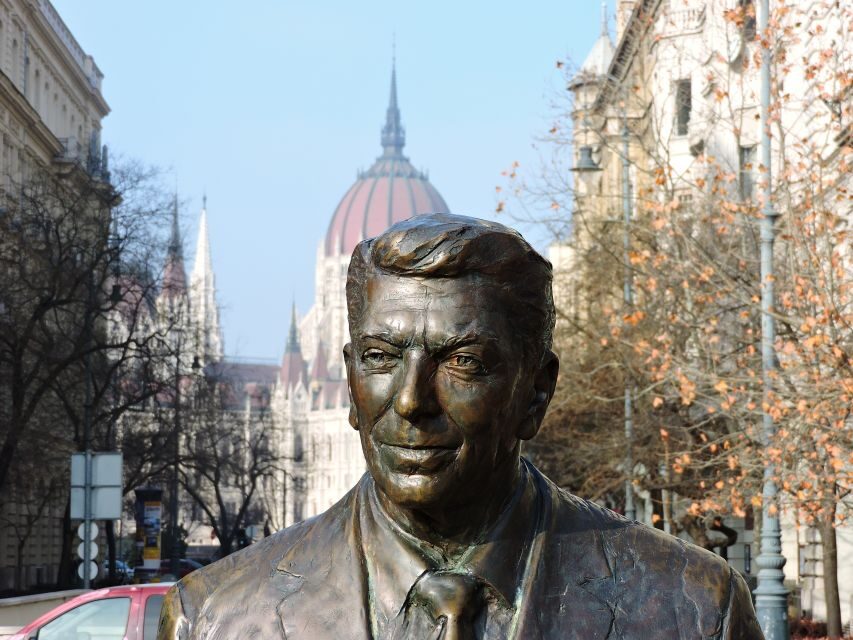
I like tours where the facts have a pulse. This one leans heavily on personal and family recollections from the period of Communism—stories that include hardships and also comic or surprising moments. It’s the difference between knowing what happened and understanding how it felt in a home, a school, a workplace, or on the street.
Guides on this tour often bring a personal connection. In past groups, you might be with guides such as Judit, Zsuzsanna, Monica, Greg, Gergely, Virág, or Dániel, and they’re consistently described as passionate about explaining not just what was happening, but why it mattered to ordinary people. You can also expect a lot of Q&A—people with curiosity tend to get room to ask, and the guide doesn’t rush answers.
This is where the “Communism ideology” focus pays off. You’ll hear how Communist ideology was meant to work, how it was applied in Hungary, and what the legacy looked like afterward. Then the family anecdotes add detail to the theory: the tiny choices, the social pressure, the workarounds, the jokes people used to survive, and the moments when resilience showed up in plain sight.
The red M2 subway ride: history you can feel in motion
One of the most practical, memorable inclusions is the ride on the red subway line (M2). This isn’t a random add-on for convenience. The guide uses the transit moment to connect the story to how systems move people—and control movement, information, and routines.
For you, it’s also a nice break from walking without turning the tour into a bus ride. After hours on foot and street-level context, you get a different sensory angle: the rhythm of the city and the feeling of using the infrastructure that still shapes modern Budapest.
The guide’s interpretation is what makes this segment worthwhile. Instead of treating the subway as just a mode of transport, you’ll hear it framed as part of the broader “how the state organized life” theme. Even if you already know Budapest transit is excellent, the commentary gives you something new to notice.
The retro café drink break: a bar with memory in the walls
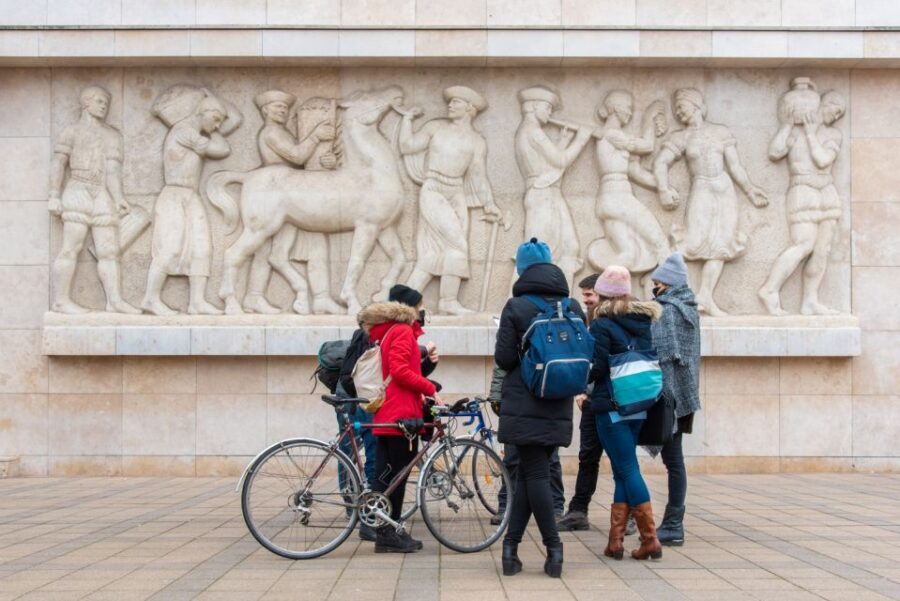
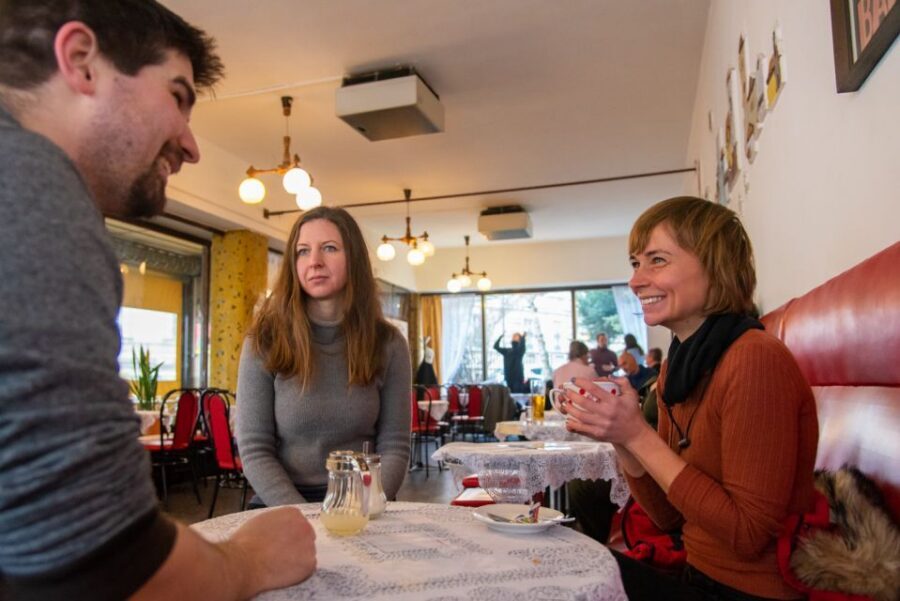
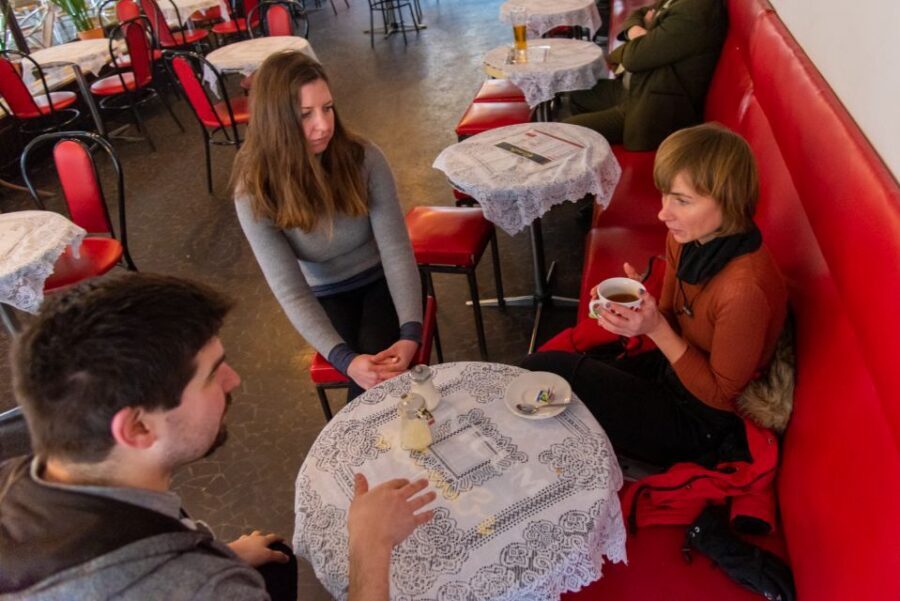
At the end of the tour, you stop for a drink in a retro café that has changed very little since the 1970s, and the bar format is described as dating to 1961. This is the kind of place where the setting does some of the emotional work for the guide.
The reason this part works isn’t just nostalgia. It’s the timing. By the time you reach the café, you’ve walked through a fast, connected timeline—WWII to 1956 to 1989—and now you can process it while chatting. It’s easier to ask follow-up questions here. It’s also easier to connect what you heard to what you’re seeing right now in Budapest.
I also like that it’s informal. You’re not finishing with another scripted stop. You end with conversation, and the guide is still there to answer questions and help you connect dots. If you enjoy a “sit, sip, think” moment during a tour, you’ll probably appreciate this one.
A few more Budapest tours and experiences worth a look




Price and value: is $57 worth three hours?
At $57 per person for a three-hour small group (max 10), this tour sits in the “serious but not too expensive” zone for Budapest. You’re paying for a historian-led guide, a structured walking route through central Pest, and two included perks: the M2 ticket and the drink at the retro café.
In practical terms, the value comes from three places:
- Time efficiency: You get a connected narrative in a short window.
- Small-group experience: With fewer people, you’re more likely to ask questions and get personal explanations rather than just listening.
- Included elements: The subway ride and café stop prevent you from piecing things together yourself.
If you’re a history-first visitor, you’ll likely feel the price is fair because the tour is designed to go beyond surface facts. If you’re only casually interested in politics, you may decide to spend less and pick a lighter walking route instead. But for anyone who wants context behind what Budapest shows today, this price generally makes sense.
Who should book this tour—and who might want to choose differently
This is a strong fit if you want:
- a Communism-focused explanation of Hungary’s modern history
- street-level context in Budapest, especially around Pest
- a guide who shares family stories and keeps room for questions
It’s also a great choice if you like tours that connect past ideology to present-day perspectives. Several guide styles on this route lean into discussion—how people interpret the era, how symbols and monuments can be misunderstood without context, and why Hungary’s twentieth century feels complicated even to people from outside the region.
You might rethink booking if you prefer history that’s purely chronological with minimal political theory. This tour’s goal is to understand ideology, how it arrived, how it operated, and what it left behind. You’ll cover major turning points, but the “why it worked and how it broke” angle is always there.
Quick practical tips so you get more out of it
- Wear comfortable shoes. You’re walking in central Pest for about three hours, and it’s easier when you can stay focused instead of thinking about your feet.
- Bring curiosity. The best moments come when you ask questions, not when you just listen.
- If you’re photographing, pay attention first. The guide points out meanings behind details, including political symbols you might otherwise skip.
- Plan for a relaxed ending. The café stop is part of the experience, so don’t schedule another demanding activity right afterward.
Should you book it?
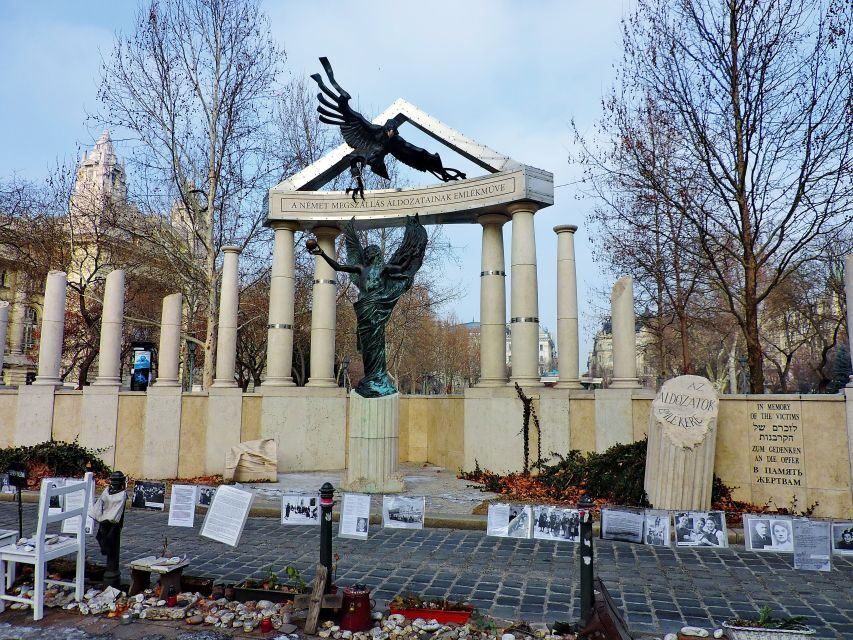
If you want a clear, story-driven way to understand Communism in Hungary—grounded in Budapest streets, supported by a historian guide, and wrapped up with a drink in a true retro setting—this tour is a smart choice. The small group size and the family-story approach are the difference-maker. For $57, you’re not just buying sightseeing; you’re buying context you can carry with you while you keep exploring Budapest.
FAQ
Where is the meeting point?
The meeting point is in front of Kempinski Hotel Corvinus Budapest, facing the Ferris wheel on Erzsébet square.
How long is the tour?
The tour lasts 3 hours.
What language is the tour in?
The tour is led in English.
How big is the group?
It’s a small group limited to 10 participants.
What’s included?
You get an expert guide, a drink in a retro café, and a transportation ticket for the included subway ride.
Do you ride public transportation?
Yes. The tour includes a ride on the red subway line (M2).
Is it free to cancel?
You can cancel up to 24 hours in advance for a full refund.
Can I reserve without paying today?
Yes. The option is reserve now & pay later (you can book your spot and pay nothing today).