REVIEW · BUDAPEST
Budapest 3-Hour Walking Tour in Italian
Book on GetYourGuide →Operated by Tourist Angel · Bookable on GetYourGuide
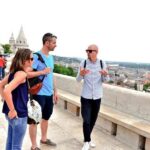
Three hours in Budapest can feel like a lifetime. This 3-hour walking tour focuses on the oldest parts of the city, with an Italian-speaking guide who connects what you see to what it meant—then you even use public transport to cross the Danube instead of wasting time.
I especially love how the route puts you right under the spotlight of St. Stephen’s Basilica and keeps the energy moving toward the castle hills. The second big win for me is the Buda Castle area, including Gothic Matthias Church and the views from Fishermen’s Bastion—perfect if you want drama without spending the whole day.
One thing to plan for: the tour price does not include transport tickets, and you’ll also need to follow the simple dress rules (no shorts or sleeveless shirts).
In This Review
- Quick hits before you go
- A Fast, Italian-Guided Sweep Through Pest and Buda
- Meeting by St. Stephen’s Basilica: Start Smarter
- St. Stephen’s Basilica and Pest’s Big-Statement Energy
- Crossing the Danube by Public Transport (and Why It’s a Good Move)
- Buda Castle Quarter: Fortified Walls and Royal-Level Views
- Matthias Church: Gothic Details That Click in Real Life
- Fishermen’s Bastion: Views With Meaning, Not Just Photos
- How the History Thread Connects 1,100 Years
- Price and Value: What $41 Buys You (and What to Budget Extra)
- What to Wear and Expect on a 3-Hour Walk
- Who This Tour Fits Best
- Should You Book This Tour?
- FAQ
- How long is the Budapest 3-Hour Walking Tour in Italian?
- Where is the meeting point?
- What language is the guide?
- What sites are included on the tour?
- Does the price include public transport tickets?
- How many public transport tickets do I need to buy?
- Is the tour mostly walking or does it include transit?
- What should I bring?
- Are there any clothing restrictions?
Quick hits before you go
- Italian-speaking guide: explanations you can actually follow
- St. Stephen’s Basilica: the walk starts at a real focal point
- Buda Castle Quarter: fortified walls and historic atmosphere on foot
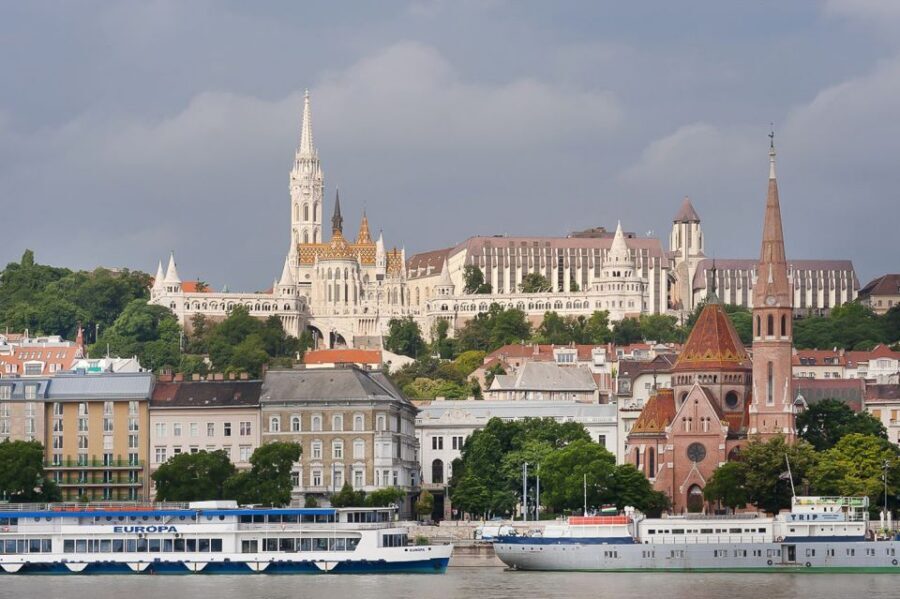
- Matthias Church: Gothic architecture you’ll learn how to look at
- Fishermen’s Bastion: viewpoints that make the climb worth it
- Public transport across the Danube: saves time on a short schedule
A Fast, Italian-Guided Sweep Through Pest and Buda
Budapest is one of those cities where “just seeing the highlights” can still feel meaningful—if you pick the right route. This one is built for a short stay: it strings together Pest’s center and the Buda Castle zone so you get a real sense of how the city grew on both sides of the Danube.
What makes this tour work is the pairing of walking with a quick transit crossing. On paper, 3 hours doesn’t sound like much, but it’s enough time to understand the city’s main story beats and still have moments where you can stop, look around, and take photos without feeling rushed.
The Italian language element matters too. If you’re traveling with limited local language skills, having a guide who can explain details in Italian turns sightseeing into understanding—especially around monuments that are easy to admire but hard to interpret on your own.
You can also read our reviews of more walking tours in Budapest



Meeting by St. Stephen’s Basilica: Start Smarter
You meet next to Saint Stephen’s Basilica, in front of California Coffee Company. That’s a smart starting choice because the tour begins with the kind of landmark that instantly anchors you in the city.
From there, you’re not just wandering around randomly. The walk is structured so you gradually move from Pest’s central energy toward the dramatic castle views. If you like tours where you never feel like you’re “getting from A to B,” this layout helps.
St. Stephen’s Basilica and Pest’s Big-Statement Energy
Your first major sight is St. Stephen’s Basilica. Even if you’ve seen photos, being there in person changes how it hits: it’s a landmark that makes you slow down because it looks like it belongs at the center of the story.
This is also the moment where your guide’s job really matters. An Italian-speaking guide can help you connect what you’re seeing to the history of a proud central European nation—so you’re not just collecting names. You’re learning why these places mattered and how they shaped the city’s identity across centuries.
Practically, this start point is helpful if you’re jet-lagged or short on time. You begin with a recognizable anchor, then the tour builds momentum as you move toward the Danube and the castle hill.
Crossing the Danube by Public Transport (and Why It’s a Good Move)
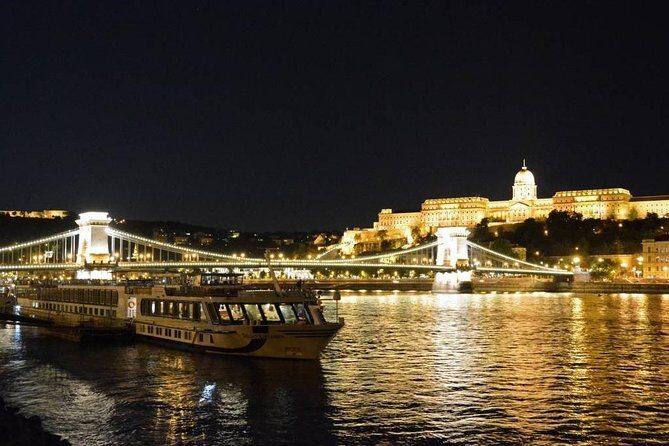
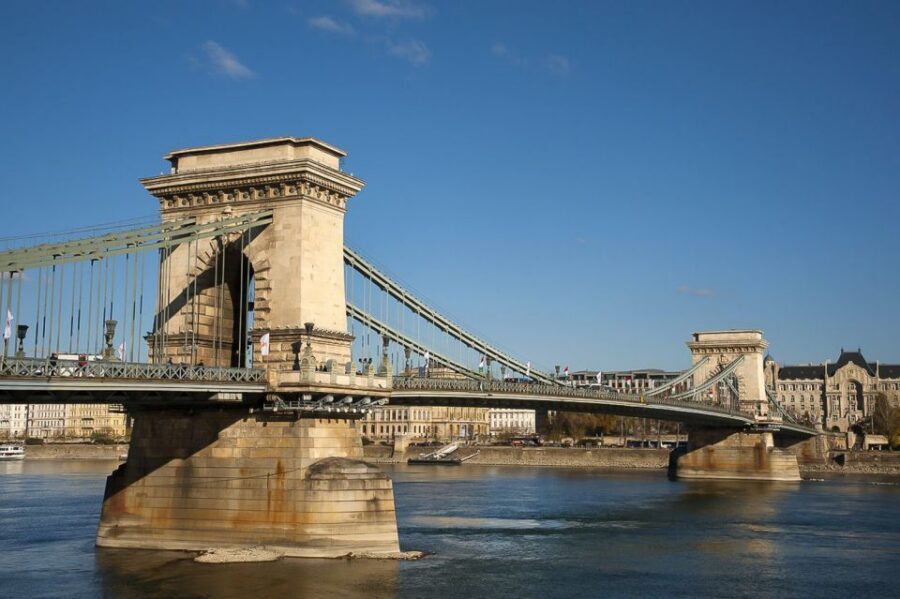
A key detail: while the tour is mainly on foot, you also use public transport to cross the Danube from Pest to the Buda side. For a 3-hour experience, this is a time-saver that makes the itinerary feel efficient instead of exhausting.
Plan for this part financially. Public transport isn’t included in the price. The tour information specifies 4 tickets per person at 1400 HUF. That’s not a deal-breaker, but it’s the one extra cost you should have in your pocket so you don’t end up mentally scrambling while you’re trying to enjoy the walk.
Also, think of the transit as part of the experience. Instead of only seeing Budapest from the street level, you get that quick “change of scene” feeling that the Danube naturally creates.
Buda Castle Quarter: Fortified Walls and Royal-Level Views
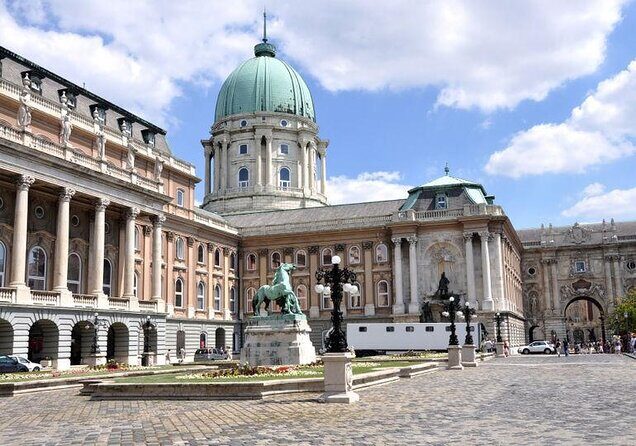
Once you’re on the Buda side, the tour focuses on the fortified Buda Castle area. This is where Budapest starts to feel different—more steep, more historic, and more panoramic.
You’ll also hear about the Royal Palace and the President’s Palace as part of the broader castle-quarter setting. Even if those specific buildings aren’t what you personally care about most, the context helps you understand why the castle hill became the political and symbolic heart of the city.
This is also the part of the tour where the walking pays off. The route is designed so you don’t just pass by points of interest—you get enough time in the castle quarter to absorb how the layout creates changing views as you move.
One small drawback of any castle-hill walking plan: it can feel like a lot of steps in a short timeframe, especially if you’re doing it in warmer weather. Comfortable shoes matter here more than anywhere else.
A few more Budapest tours and experiences worth a look

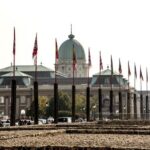



Matthias Church: Gothic Details That Click in Real Life
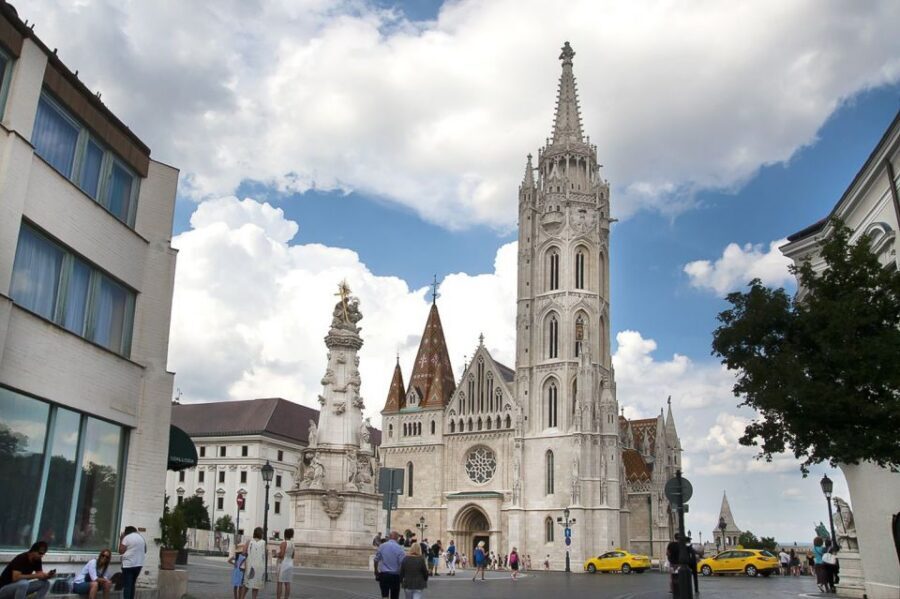
Next up is Matthias Church, known for its Gothic architecture. It’s the kind of building that can look impressive in a picture, but your enjoyment jumps when you know what to pay attention to.
Your guide’s explanations turn the building from a landmark into something you can actually read. You start spotting stylistic cues and understanding why this church is one of the cultural anchors of the castle district.
If you enjoy architecture even a little—columns, facades, how buildings communicate status—this stop is worth being fully present. I’d treat it as your “slow down” moment during the tour, because it’s the type of sight that benefits from a little extra looking.
Fishermen’s Bastion: Views With Meaning, Not Just Photos
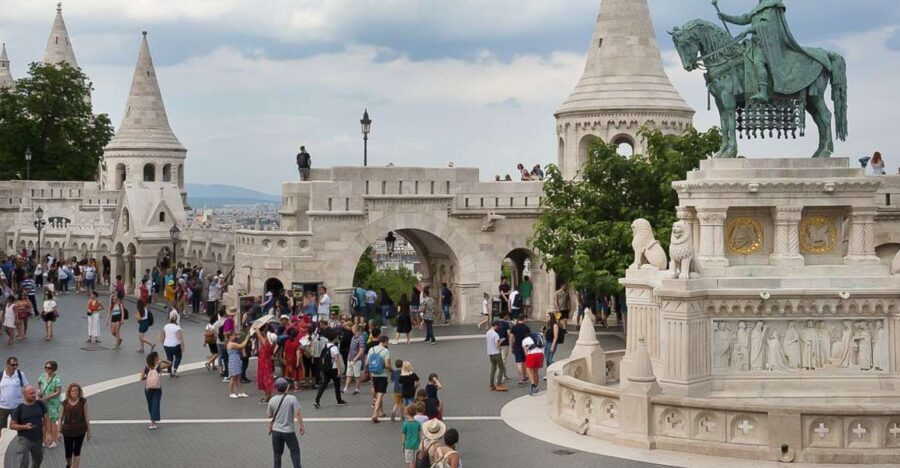
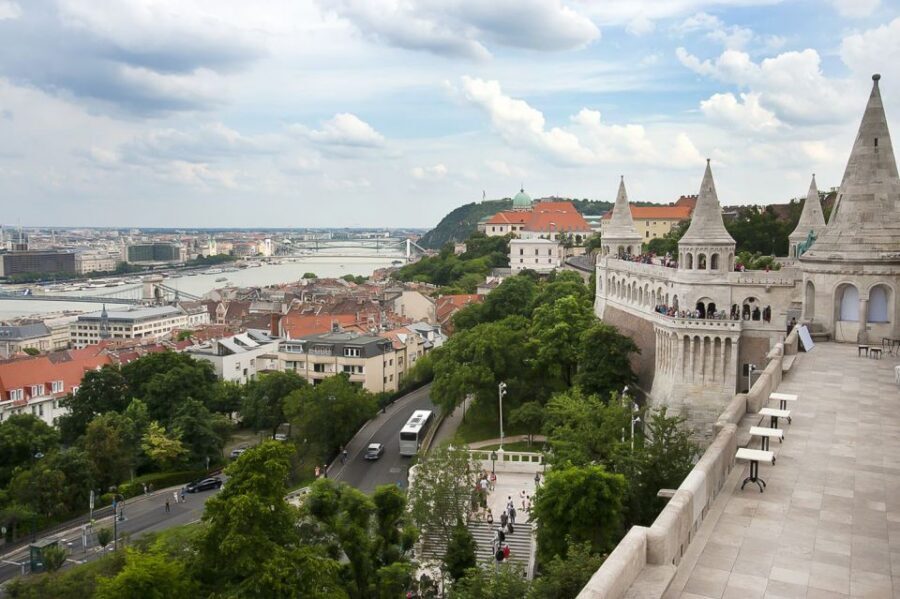
The tour wraps the castle-side experience at Fishermen’s Bastion, one of those places where the viewpoint does half the work for you. The reason it fits this itinerary is that it sits at the natural intersection of scenery and story.
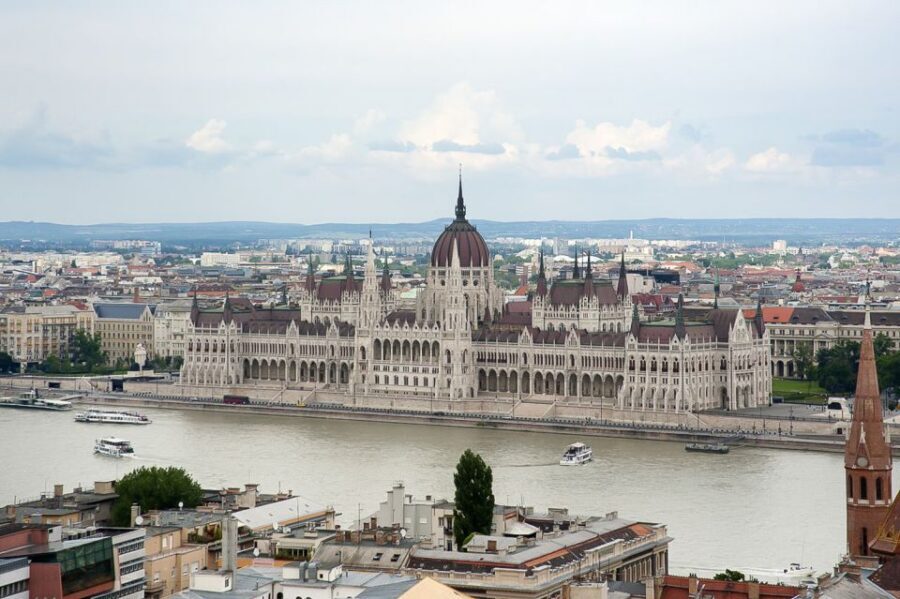
From here, you get the city “in one frame”: castle hill energy in front of you, the Danube’s presence nearby, and Pest’s historic geometry spreading out below. Even if you’re not a heavy photographer, you’ll likely feel like your brain finally maps the city correctly.
This stop also helps balance the tour. Earlier you’re focused on major monuments and architectural style. At Fishermen’s Bastion, the experience shifts into wide-angle understanding—how everything fits together.
How the History Thread Connects 1,100 Years
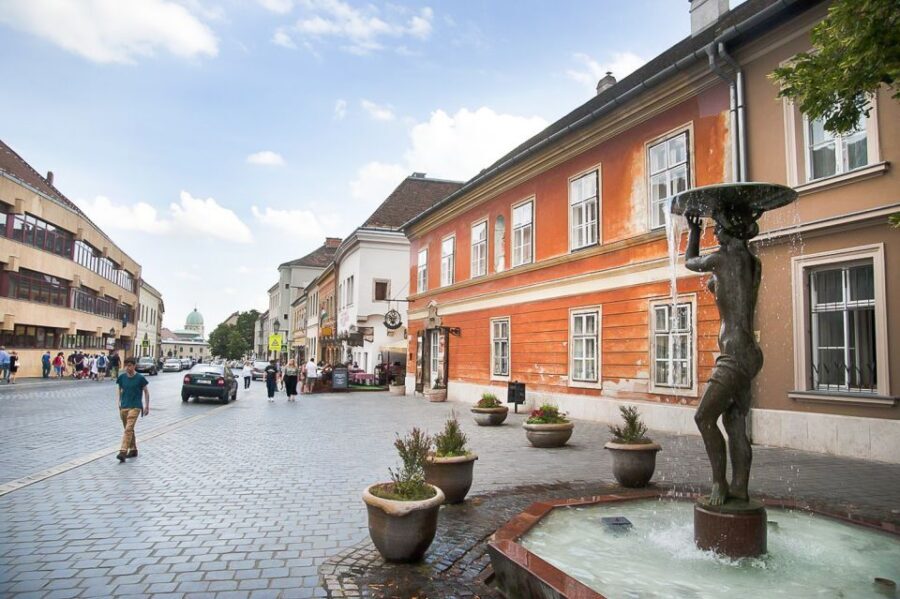
A standout element isn’t just that you see famous places. It’s that you get a guided explanation of Hungarian history spanning roughly 1,100 years—from early conquest-era foundations to much more recent democratic changes.
That timeline might sound heavy for a 3-hour walk, but the guide’s job is to keep it understandable and tied to what’s in front of you. When it’s done well, you stop thinking of history as a list and start treating it like a map.
The guide also becomes your translator of symbols. Monuments, palaces, and church architecture don’t just sit there—they signal power, faith, and identity. Once you hear the connections in real time, you’ll likely walk away with a clearer mental picture of Budapest’s “why.”
From the tour experience descriptions, guides like Caterina, Katalin, and Elisabetta are highlighted for being prepared and friendly, with Italian that makes the whole route easier to follow. If you get someone with that same teaching energy, the tour’s value goes way up.
Price and Value: What $41 Buys You (and What to Budget Extra)
At $41 per person for a 3-hour guided walk, this is priced like a solid city-orientation experience, not a long museum day. The main value is the combination of:
- a guide who speaks Italian,
- multiple major landmarks in both Pest and Buda, and
- a transit shortcut across the Danube.
The biggest “extra” is transport. You’re looking at 1400 HUF for 4 tickets per person. That cost is small, but it’s real. If you hate surprise expenses, you’ll be happier if you set aside those tickets cost ahead of time.
Another value factor is the group size. The tour offers private or small groups, which usually means less time waiting and more room for questions—especially useful if you want the guide to explain the history clearly rather than just race through highlights.
For short stays, this kind of tour can be the difference between wandering and understanding. If you have a busy itinerary, it’s a practical way to get your bearings fast.
What to Wear and Expect on a 3-Hour Walk
The tour is suitable for all types of ages, and it’s mainly on foot. That means you should plan your day around comfort.
Bring comfortable shoes. The route includes the Buda Castle area, which typically involves uneven surfaces and a bit of uphill movement. Even if you consider yourself “fine with walking,” this is one of those tours where footwear can make or break the experience.
Also note the dress restrictions: no shorts and no sleeveless shirts. These rules matter most for church and historic sites, so pack accordingly if you’re traveling in warm weather.
Who This Tour Fits Best
This is a great fit if you:
- want a short, high-impact introduction to Budapest,
- prefer guidance in Italian over self-guided wandering,
- like seeing major landmarks and understanding what they represent.
It’s especially good for first-timers because it hits both halves of the city: Pest’s central landmark energy and the castle hill’s fortified, historic mood.
If you’re the kind of traveler who wants only museums, you might feel it’s a bit monument-focused. And if you hate group pacing or dislike any walking at all, you may prefer a different format. But for most people, the 3-hour structure is a strong match.
Should You Book This Tour?
I’d book it if you want a clear overview in a short window—particularly if you’re traveling with Italian as your best communication option. The itinerary is efficient, the landmarks are genuinely major, and the guide element is the core reason it works.
Skip or consider another option if you’re trying to travel light with minimal walking, or if you really dislike paying extra for transit tickets. Otherwise, it’s a smart way to connect Budapest’s big visual hits with the story behind them—without turning your day into a full-day marathon.
FAQ
How long is the Budapest 3-Hour Walking Tour in Italian?
The tour lasts 3 hours.
Where is the meeting point?
You meet next to Saint Stephen’s Basilica, in front of the California Coffee Company coffee shop.
What language is the guide?
The guide speaks Italian.
What sites are included on the tour?
The tour includes St. Stephen’s Basilica, the Royal Palace, the President’s Palace, the Castle Quarter, Matthias Church, and the Fishermen’s Bastion.
Does the price include public transport tickets?
No. Public transport tickets are not included.
How many public transport tickets do I need to buy?
The information provided says 4 tickets per person, for a total of 1400 HUF.
Is the tour mostly walking or does it include transit?
It is mainly on foot, but you also use public transport to cross the Danube from Pest to the Buda side.
What should I bring?
You should bring comfortable shoes.
Are there any clothing restrictions?
Yes. Shorts and sleeveless shirts are not allowed.