REVIEW · BUDAPEST
Budapest: Street Art Tour
Book on GetYourGuide →Operated by Budapestflow.com · Bookable on GetYourGuide
Budapest’s walls do the talking. This 3-hour street art tour uses Budapest’s murals and graffiti—mostly in the Jewish Quarter—as a living map of culture and politics. I especially like how the guide explains what each piece is saying, and I like the small group size that makes questions feel normal, not rushed.
A possible drawback: this isn’t a classic sights-and-squares loop, so if you want uninterrupted viewpoints and monuments, you’ll be spending a lot of time looking at walls.
You’ll meet at the entrance of the coffee shop My Little Melbourne, grab a complimentary coffee, and then go walking. The tone stays friendly and practical, and guides such as Attila have a reputation for being both knowledgeable and easy to talk to—especially when you get curious about symbols, local artists, and the context behind the art. If it’s pouring rain, bring weather-proof layers; the walk still works, but you’ll want to be comfy.
In This Review
- Key things to know before you go
- Why street art in Budapest matters more than you expect
- Meeting at My Little Melbourne: the caffeine-and-walking setup
- How the 3-hour route really feels: stop, look, ask
- Jewish Quarter murals: how to spot the story in the paint
- Artists, ideas, and the politics you can read at street level
- The guide makes the difference: Attila and the Q&A friendly style
- Weather, pace, and what to bring
- Price and value: is $53 worth 3 hours of murals?
- Who should book this street art tour
- Should you book the Budapest street art tour?
- FAQ
- How long is the Budapest Street Art Tour?
- How much does it cost?
- Where is the meeting point?
- Is coffee included?
- What language is the tour guide?
- How big is the group?
- Is the tour wheelchair accessible?
- What parts of Budapest does the tour focus on?
- Can I cancel for a full refund?
Key things to know before you go
- Coffee first at My Little Melbourne so you start the walk settled, not frantic
- Jewish Quarter focus with murals and graffiti spread across street-level walls
- Meaning behind the art through piece-by-piece discussion of themes and context
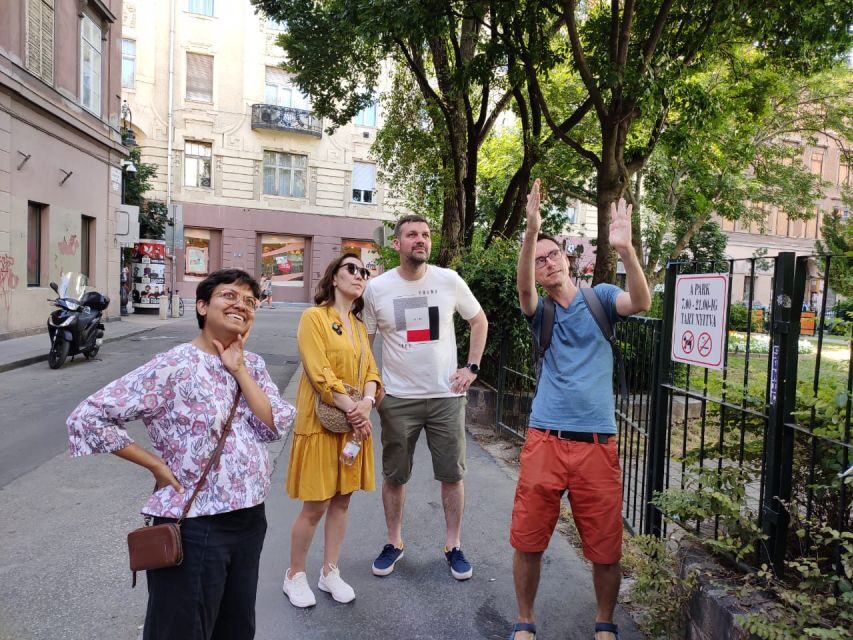
- Small group (limited to 6) for real Q&A and personalized tips
- Politics and culture in everyday form street art treated as commentary, not decoration
- English live guide that keeps the tour readable even if you’re new to the scene
Why street art in Budapest matters more than you expect
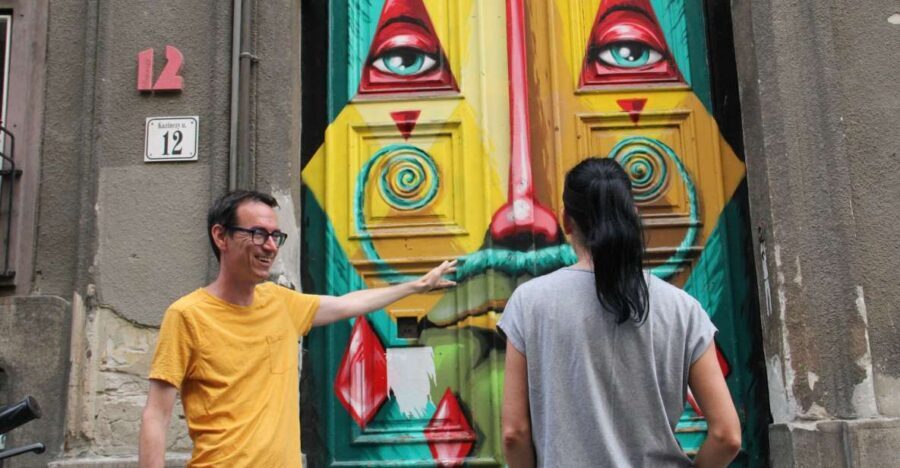
Street art in Budapest isn’t just a backdrop for photos. It’s a way to see how people talk about identity, memory, politics, and daily life—without waiting for museums or official statements. On this tour, you learn how murals and graffiti can act like public conversations, especially in neighborhoods where culture has layers.
The Jewish Quarter is a strong choice for this kind of walking tour. You get the sense that place matters: the streets carry history, and the art shows what locals are thinking now. When your guide connects themes to the city’s social mood, the walls start feeling like they have footnotes.
A few more Budapest tours and experiences worth a look

Meeting at My Little Melbourne: the caffeine-and-walking setup
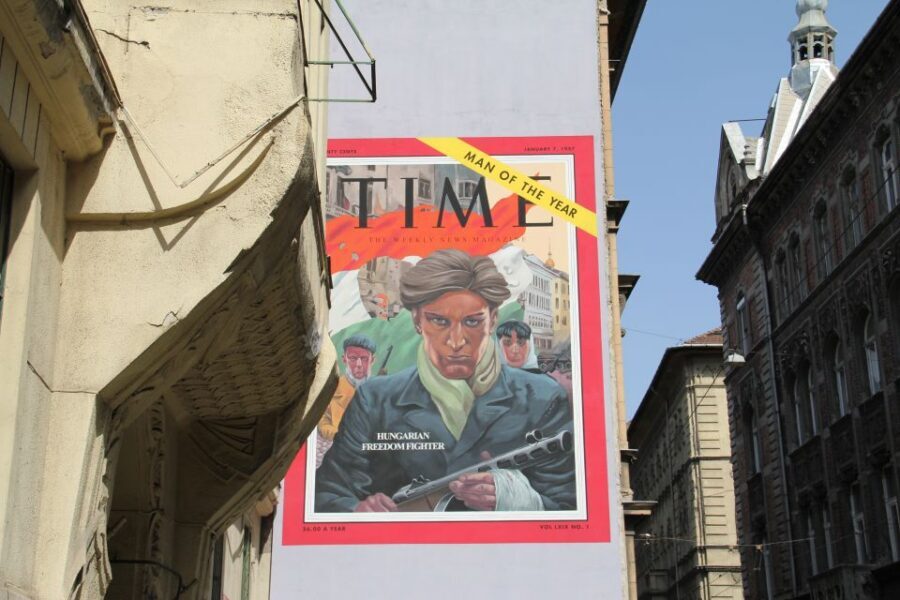
The meeting point is simple: the entrance of My Little Melbourne. I like this kind of start because it gives you one clear anchor in a city where trams can make you feel like you’re always one turn behind.
You get a complimentary cup of coffee, which matters more than it sounds. Three hours can feel longer if you’re cold, hungry, or distracted. With coffee handled, you can focus on noticing the small details—colors, lettering, portraits, and symbols you’d normally skate past.
How the 3-hour route really feels: stop, look, ask
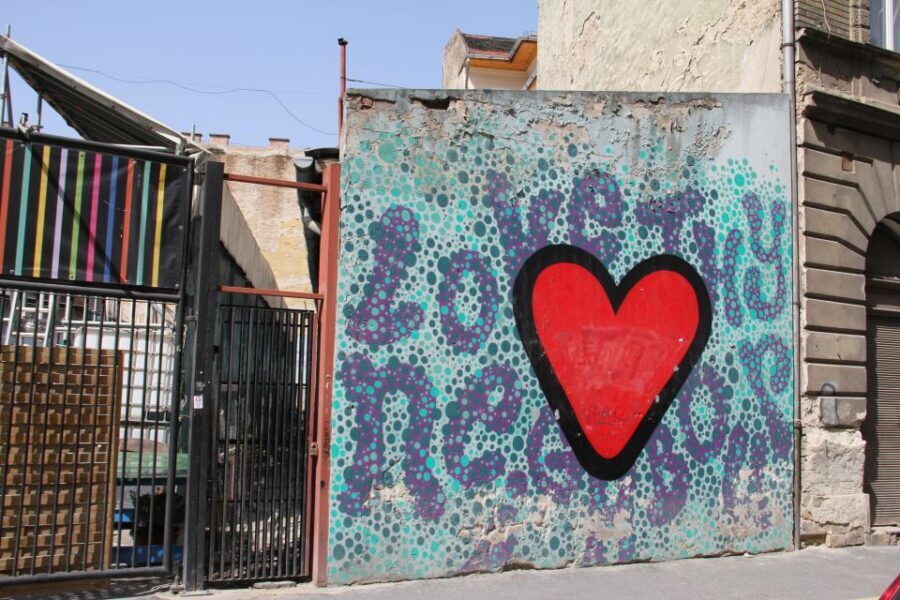
You should expect a walking experience built around frequent stops. The bulk of the time is spent viewing murals, graffiti, and other street art pieces, rather than moving quickly from one viewpoint to the next. Your guide slows you down on purpose, because the point isn’t to collect snapshots—it’s to understand what you’re looking at.
At each stop, you get a discussion of the piece you’re seeing. That includes the themes, the socio-political context, and the artists behind the work. I find that this turns street art from random visuals into something you can read, even if you don’t know the art world jargon.
A practical note: since much of the art is on exterior walls, your experience depends on visibility and weather. If it’s raining heavily, you’ll still cover ground, but you’ll want to keep your eyes on the art while also watching your footing. One reason people rate this tour highly is that the guide keeps the mood moving even when conditions are rough.
Jewish Quarter murals: how to spot the story in the paint
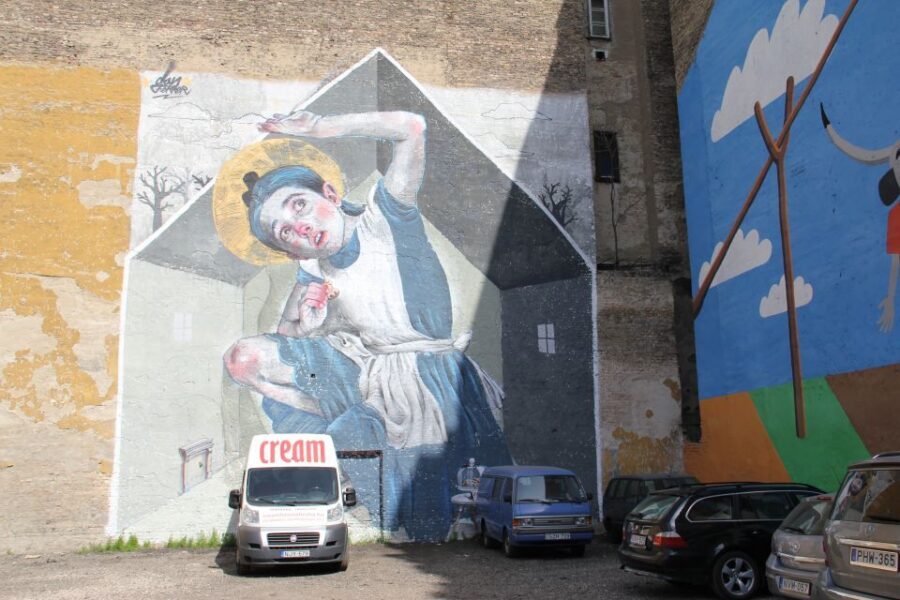
When you’re standing in front of a mural in the Jewish Quarter, the first trick is learning what to look for. Often, you can catch the obvious visual themes right away—portraits, bold shapes, political messaging, cultural references. But the deeper meaning usually lives in small choices: who is shown, what symbols appear, and what message is being pushed into public space.
On this tour, you’re guided to connect those details to wider conversations in Budapest. You’re not just told the “what,” you’re given the “why now.” That’s where street art becomes useful for understanding a city: it reflects current attitudes and debates, not just past architecture.
Also, the guide’s explanations help you notice how street art can be both personal and collective. The work isn’t only about one artist’s style. It’s about what locals care about and how they want their neighborhood to speak.
Artists, ideas, and the politics you can read at street level
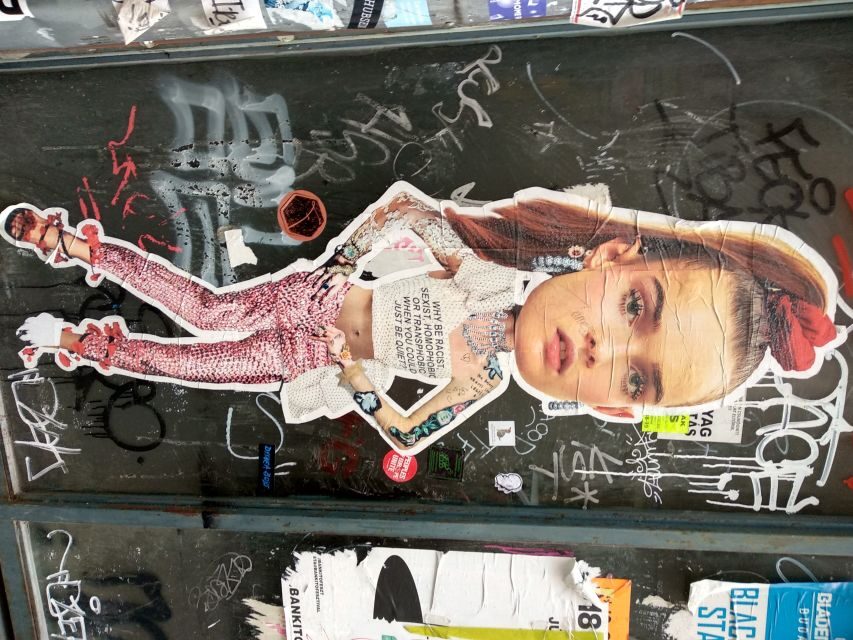
One of the strongest parts of this tour is the way it treats street art as cultural commentary. Local artists dominate the scene, and the tour frames their work around the ideas, values, and ways of life that people in Budapest are passionate about.
That approach is helpful because it doesn’t push you toward one interpretation. Instead, you learn what the piece is responding to—whether it’s social identity, public life, or political tension. Once you understand the context, the art feels less like a trend and more like an ongoing conversation.
If you’re the type who likes to understand a place beyond landmarks, this is where you’ll feel the “insider” value. You’re getting historical and cultural background, but delivered through contemporary work you can see right outside.





The guide makes the difference: Attila and the Q&A friendly style
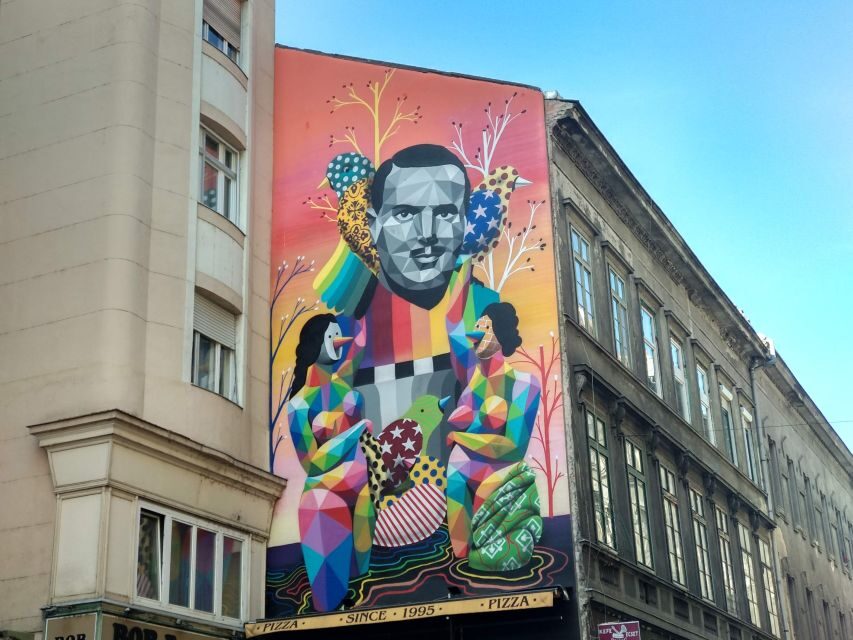
This is a small-group walk, limited to 6 participants, which is a big deal. You’re not trapped behind a crowd or stuck listening to a one-way talk. Instead, you can ask questions when something clicks—or when something doesn’t.
Guides like Attila (spelled Attila/Atilla in different bookings) are highlighted for being extremely knowledgeable and pleasant, with the ability to add personal insights. That kind of guide matters on a street art tour because you’ll inevitably notice things that aren’t in your guide’s script. When you can ask, you get a more satisfying answer than a quick photo caption.
If you like tours where the guide adapts to your interests—history questions, art meaning, or local culture—you’ll likely enjoy the back-and-forth style here.
Weather, pace, and what to bring
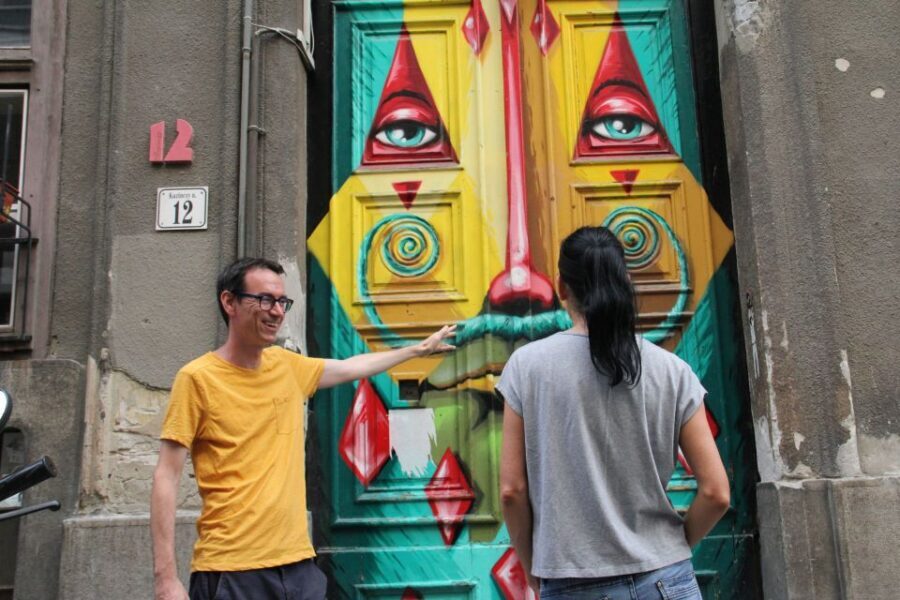
A street art tour is outdoors-focused, so plan like it’s a walk, not a museum visit. Wear shoes you trust on wet pavement, especially if the streets are slick. Bring a jacket that handles rain, because exterior-wall art isn’t going anywhere—and neither are you.
The pace is steady but not sprinting. You should be ready for “stop and look” moments, then movement again. On a heavy-rain day, the tour still moves quickly because the guide keeps explaining and pointing out details, but you’ll want to be comfortable enough to concentrate through the weather.
Practical tip: keep your phone charged and your camera handy, but don’t rely on photos to do the learning. The tour’s value is in the explanation while you’re standing in front of the work.
Price and value: is $53 worth 3 hours of murals?
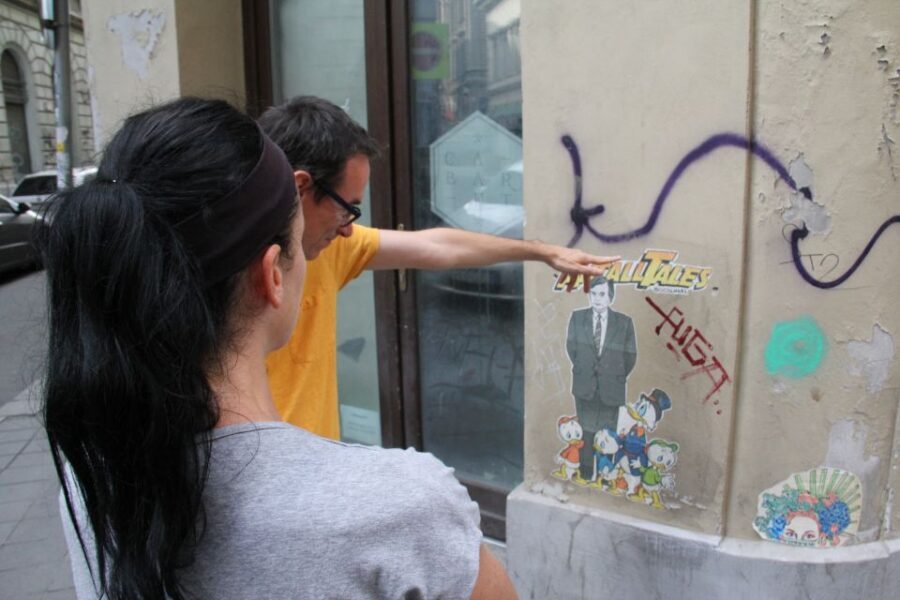
At $53 per person for a 3-hour small-group tour, you’re paying for three things: a live English guide, guided interpretation of the art, and the included coffee at the start.
If you were to DIY this neighborhood, you could find street art on your own. But you’d miss the piece-by-piece meaning, including socio-political context and the artists behind the works. That interpretive layer is the difference between looking at murals and actually understanding what you’re seeing.
It’s also good value because the group stays small. You’re not competing for attention, and you get time to ask questions. For me, that’s where the price starts to feel fair—this isn’t a long lecture, but it’s also not a quick drive-by.
And since food is not included, you can control your own budget for lunch or a snack afterward. The tour gives you coffee to start, then you handle the rest.
Who should book this street art tour
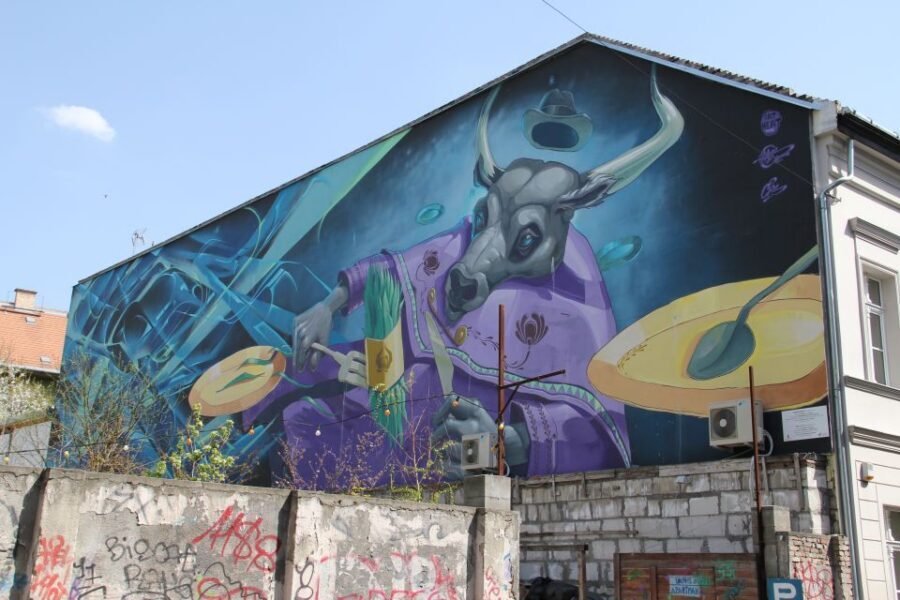
This tour fits you best if:
- You like modern art that connects to real life, not only art objects behind glass.
- You want a neighborhood-based experience, with the Jewish Quarter as your guide.
- You enjoy learning how politics and identity show up in everyday culture.
- You prefer small groups and interactive guides.
It may not be the best fit if you only want major landmarks and big scenic views. This is a wall-focused experience, and the reward is understanding and interpretation more than photo ops of famous buildings.
Should you book the Budapest street art tour?
Yes, if you want Budapest through the eyes of contemporary culture. The strongest reason to book is the way the guide links what you see on the walls to themes, artists, and socio-political context. If you’re curious and you like asking questions, the small-group setup makes this feel personal rather than generic.
I’d book especially if you’re spending limited time in the city and want one tour that gives you both cultural insight and practical neighborhood walking time. Start with My Little Melbourne, take the coffee, and let the art do the explaining.
FAQ
How long is the Budapest Street Art Tour?
The tour lasts 3 hours.
How much does it cost?
It costs $53 per person.
Where is the meeting point?
Meet at the entrance of the coffee shop My Little Melbourne.
Is coffee included?
Yes. A complimentary cup of coffee is included.
What language is the tour guide?
The tour guide is live in English.
How big is the group?
The tour is a small group limited to 6 participants.
Is the tour wheelchair accessible?
Yes, it is wheelchair accessible.
What parts of Budapest does the tour focus on?
The tour focuses on Budapest’s Jewish Quarter and its street art, including murals and graffiti.
Can I cancel for a full refund?
Yes. You can cancel up to 24 hours in advance for a full refund.