REVIEW · BUDAPEST
Private Sightseeing Tour using Electric Tuk Tuk Ride in Budapest
Book on Viator →Operated by e-TukTour · Bookable on Viator
Two hours and Budapest starts making sense fast. Riding in an electric tuk-tuk helps you cover big-name sights like Andrássy Avenue and the Danube side with far less walking, and you get 15-minute breaks at key viewpoints (so you can actually look, not just pass through). The only downside: several famous places are mostly seen from the vehicle, and admission tickets for stops are not included.
This is a private ride with an English-speaking guide, so you can ask questions and adjust your pace for better photos. On cold days, Daniel has been known to bring blankets, hot tea, and even heated layers, which turns the open-air ride from chilly to cozy.
In This Review
- Key Points You Should Know
- Electric Tuk-Tuk Meets Real Stops: How This Private Ride Plays Out
- Starting with Andrássy Avenue: UNESCO Boulevard Orientation for First-Time Visitors
- Heroes’ Square and the 15-Minute Break: See the Center Without Feeling Rushed
- Vajdahunyad Castle, the House of Terror, and Opera House Views from the Road
- Parliament Building Time: The Must-See Moment Gets Real Attention
- Jewish District Highlights: Great Synagogue and Tree of Life Memorial Photos
- National Museum, Market Hall from 1897, and Liberty Bridge Crossing
- Gellért and Rudas Baths Views: Thermal-Bath Budapest from Both Sides
- Buda Castle Hill: Buda Palace, Fisherman’s Bastion, and the Big-View Payoff
- Comfort and Timing: Why This Tour Works in Cold or Heat
- Price and Value: Is $102.80 a Good Deal for Two Hours?
- Who Should Book This Tuk-Tuk Tour, and Who Might Prefer Something Else?
- Quick Practical Tips Before You Go
- Should You Book This Private Electric Tuk-Tuk Tour?
- FAQ
- How long is the private electric tuk-tuk sightseeing tour in Budapest?
- Where does the tour start?
- How much does the tour cost?
- Is the tour private?
- What languages are offered?
- Is a mobile ticket included?
- Are admission tickets included for the stops?
- Does the tour run in all weather?
- What is the cancellation policy?
Key Points You Should Know

- Electric tuk-tuk, less walking: A fast way to connect Pest and Buda highlights without tiring legs.
- Plenty of stop time for photos: You get defined breaks at major sights like Heroes’ Square and Parliament.
- A smart route through UNESCO Andrássy Avenue: Early on, you get the classic Budapest boulevard experience.
- Slow passes for iconic views: Opera House and the biggest church get photo-friendly timing from the road.
- Comfort kit for cold weather: Blankets, warm drinks, and heated options show up with the guide.
- Local tips beyond the ride: Daniel has shared practical food/drink suggestions and even helped with small extras.
Electric Tuk-Tuk Meets Real Stops: How This Private Ride Plays Out
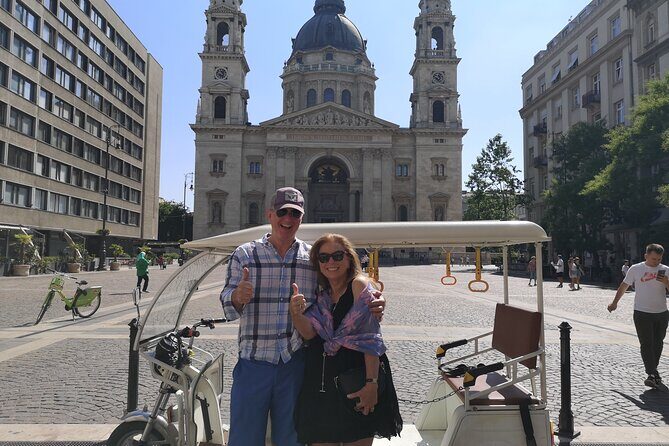
Budapest can be a lot on your feet. This tour is built for people who want the major sights, but don’t want the marathon of getting from one end of the city to the other. The electric tuk-tuk format also gives you a closer, more personal view than you’ll get from big buses, especially for statues, facades, and bridge angles.
The private setup matters more than you might think. Since it’s just your group, you can ask questions in plain language—about architecture, street history, or why certain neighborhoods look the way they do. You also control the flow a bit: you’re not stuck at the mercy of a strict group schedule.
The vibe stays relaxed. You’re moving often, but you’re not racing. The breaks are timed so you can step out, reorient, grab a photo, and then hop back in before you lose momentum.
You can also read our reviews of more private tours in Budapest



Starting with Andrássy Avenue: UNESCO Boulevard Orientation for First-Time Visitors
Your ride begins along Andrássy Avenue, part of the UNESCO World Heritage zone. Even if you only catch a portion of it, you’ll feel why this boulevard is so famous: the buildings line up in a grand, classic European way, and it sets the tone for what Budapest is going to show you in the next stretch.
This is a great early anchor. If it’s your first visit, you’ll start to recognize the city’s structure—where the formal boulevard view leads into squares, and where the big landmarks cluster on the Pest side. If you’re returning, it still helps you connect the dots so the rest of the day feels less random.
From a practical angle, starting with a major corridor is smart. It gets you into the main sightseeing rhythm quickly, without wasting your morning on long transit gaps.
Heroes’ Square and the 15-Minute Break: See the Center Without Feeling Rushed
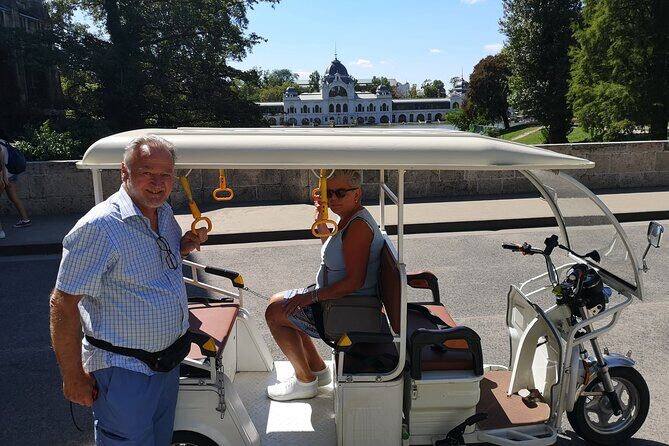
Heroes’ Square is the first real stop, and the timing is the kind that works for most people. You get about 15 minutes to look closely, snap photos, and take in the square’s lineup of kings and national leaders. It’s also pedestrian-friendly, so you can actually walk a bit and frame shots without feeling pushed.
What I like about this stop is the balance. You don’t just skim the monument from a distance. You get enough time to step around, find a better angle, and then continue without losing the tour’s energy.
A small consideration: 15 minutes sounds short until you’re standing there in the open. If you want long photo sessions or you’re comparing details for a travel blog, you’ll need to be selective about what you focus on.
Vajdahunyad Castle, the House of Terror, and Opera House Views from the Road
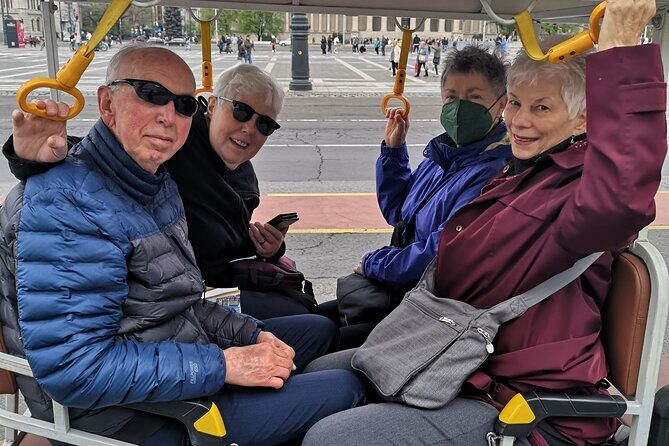
After Heroes’ Square, the route turns into a photo-and-story circuit. You’ll see Vajdahunyad Castle, and you’ll pass the House of Terror—an intense stop, even when it’s viewed from the street. This building has a dark past tied to Nazi headquarters, and the guide’s context helps you understand why people treat it with such seriousness.
Then comes one of the smartest parts of the pacing: you pass by the Opera House slowly so you can take photos while learning about its history. That slow-moving window is a big deal. In many cities, getting a clean exterior shot requires timing and luck. Here, you get a calmer chance to aim your camera.
The same idea shows up with the biggest church in Budapest. You’ll pass it slowly as well, which is ideal for capturing the exterior look without turning the day into an endless walk.
Parliament Building Time: The Must-See Moment Gets Real Attention
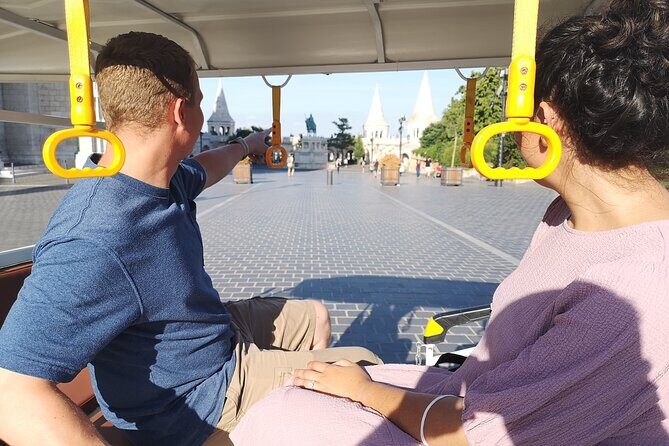
Next up is the Hungarian Parliament Building, and this is one of the highlights that usually justifies the whole tour. The building is considered the most beautiful in the city, and the guide shares stories that help you read the structure instead of just staring at it.
You get a second 15-minute break here, also focused on being able to walk around in the pedestrian area and get photos that don’t feel forced. This stop is valuable even if you already plan to come back later, because the tour helps you understand the building’s place in Budapest’s identity.
One thing to watch: the tour notes that admission tickets are not included at stops. So think of this as exterior viewing and context time, not as a full inside visit.






Jewish District Highlights: Great Synagogue and Tree of Life Memorial Photos
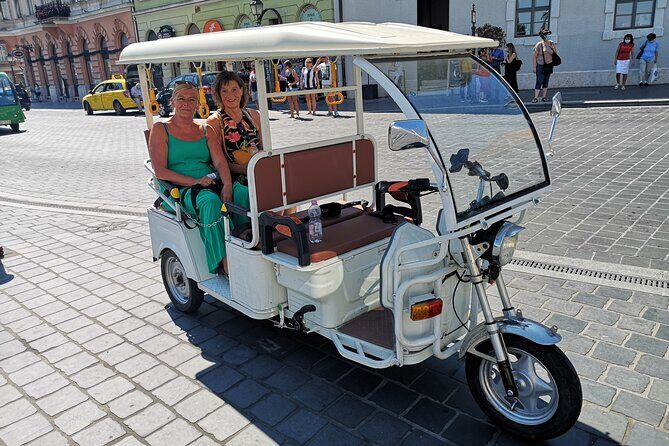
As you move into the Jewish district area, the tour brings you to one of Budapest’s top sights: the Great Synagogue. You’ll have time for photos of the synagogue itself and the Tree of Life Memorial.
This is a thoughtful pairing. The memorial connects the visual beauty of the area to the memory and meaning behind it. If you care about how cities carry both architecture and history side by side, this section does a good job keeping things human and not just scenic.
Also, don’t rush your shots here. The details matter, and you’ll get the most from a few careful photos instead of trying to capture everything in one burst.
National Museum, Market Hall from 1897, and Liberty Bridge Crossing

The route continues with slow, photo-friendly passes of major landmarks, including the National Museum. You’ll see the building and have time to photograph it, which helps you keep momentum without losing the sightseeing theme.
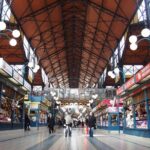
Then you’ll reach the Grand Market Hall, built in 1897. This stop gives you a taste of Budapest as a city of everyday life and old-world commerce, not just monuments and museums. Even if you don’t go inside, the exterior and the surrounding area help you ground what you’ve been learning all morning.
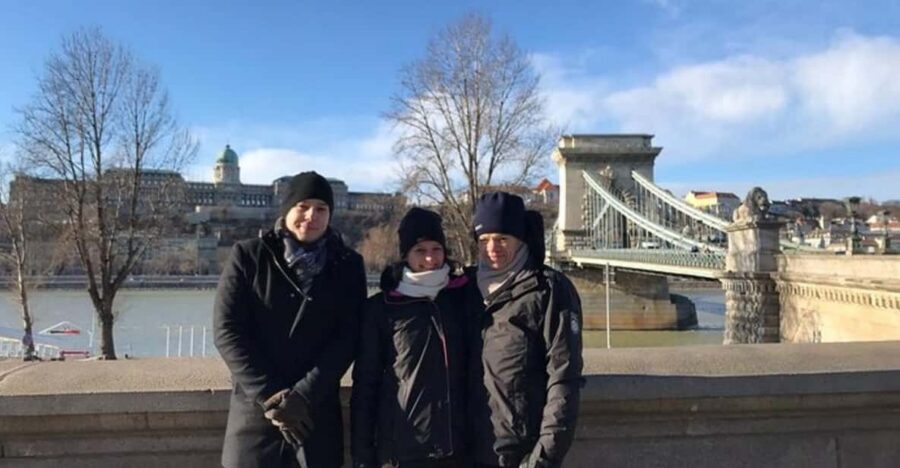
Crossing Liberty Bridge is the next turning point. It’s described as the third oldest bridge in Budapest, and the crossing works well as a breather between sightseeing-heavy moments. It also helps you shift viewpoints—so Buda starts to feel closer and more real.
Gellért and Rudas Baths Views: Thermal-Bath Budapest from Both Sides
From the bridge area, you’ll see Gellért, which is described as one of the best thermal baths in Budapest. Then you’ll also pass Rudas Bath on the Buda side near Elizabeth Bridge. Rudas is an original Turkish bath, and the contrast between these bathing traditions is one of those Budapest details that many visitors miss unless someone points it out.
This section is less about one short stop and more about context and viewpoint. You’re learning what the city’s bathing culture looks like on the map—then you can decide later if you want to spend a future day soaking in one of them.
If you’re the type who likes to plan ahead, it helps to think of this portion as your shortlist builder. You’ll finish the tour with a clearer idea of which bath fits the vibe you want.
Buda Castle Hill: Buda Palace, Fisherman’s Bastion, and the Big-View Payoff
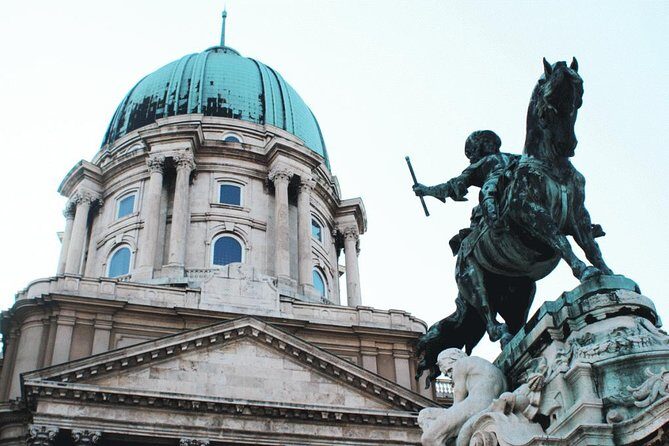
Once the tour reaches the Castle district, the scenery changes fast. You see the Buda Palace, described as the most historical building in Budapest, and you get another 15-minute break so you can wander a bit and take in the area.
Then the day points you toward one of Budapest’s most photographed panoramas: Fisherman’s Bastion. The tour gives you about 15 minutes here, and that time matters because the viewpoint is the reason you’re there. You can walk to a better angle, frame the Danube view, and keep your photos from turning into blurry guesses.
The final classic Castle-district stop is Matthias Church, known for its colorful tiles. The guide provides time here to look closely, photograph, and notice the details that make the church so distinct.
A possible drawback to plan for: Castle district walking can still add up, even with a tuk-tuk. Your stops give you short exploration time, but if you hate hills or uneven ground, you’ll want to pace yourself.
Comfort and Timing: Why This Tour Works in Cold or Heat
Budapest weather can swing. The good news is this tour is built with comfort in mind. In colder conditions, the guide setup can include blankets, hot tea, and warmed layers, which many people find changes the entire experience. Instead of cutting your sightseeing short, you’re more likely to stay out and enjoy the views at each stop.
In warmer weather, the benefit is still the same: you avoid the constant stop-and-start walking. You get the city’s highlights while your legs stay relatively fresh for the evening plans you’ll likely have.
Also, the pacing is intentionally photo-first. Many big-city tours use a schedule that prioritizes moving forward. Here, you get the moments where a photo is possible without needing to “act natural” while someone herds you along.
Price and Value: Is $102.80 a Good Deal for Two Hours?
At $102.80 per person for a private tour lasting about two hours, the value comes from what’s included beyond transport. You’re paying for:
- A private guide who can answer questions and give context on what you’re seeing
- An efficient route that links Pest and Buda highlights without long walking stretches
- Defined breaks at top photo and landmark areas
- Comfort extras in cold weather, like blankets and hot tea (reported by guide experiences)
Admission tickets are not included at stops, so you’re not paying for museum entries here. Think of the tour as an orientation plus photo-and-exterior experience with history built in. If your time in Budapest is limited, that’s usually where this style of tour earns its keep.
One more factor: the tour is often booked well ahead (an average booking window around 83 days). That’s a sign of real demand, especially for first-time visitors who want a confident overview without wasted hours.
Who Should Book This Tuk-Tuk Tour, and Who Might Prefer Something Else?
This tour is a great match if:
- You want the main Budapest sights but don’t want to spend your day walking between far-flung locations.
- You like history and stories, not just photos.
- You’re traveling as a small group and want a private, flexible pace.
- You care about comfort, especially if it’s chilly.
It might not be ideal if:
- You’re hoping for a long inside visit at every stop. This is focused on exterior views, photos, and context, with admission tickets not included.
- You need a highly detailed stop-by-stop museum plan.
If you have mobility needs, the private nature can help because the guide can support you during transitions and help with small issues like getting around from stop to stop. Still, it’s smart to message ahead with your needs so expectations are clear.
Quick Practical Tips Before You Go
- Dress for the weather. Even with blankets and hot tea in cold conditions, you’ll spend time outdoors.
- Bring your phone or camera gear charged and ready; this route gives lots of photo moments.
- If you’re sensitive to hills, plan to take it easy during Castle district exploration, since the walkable parts still exist.
- If you want food ideas for later, ask the guide. Daniel is known for sharing suggestions for Hungarian snacks and where to try them.
Should You Book This Private Electric Tuk-Tuk Tour?
Yes, if you want an efficient, comfortable way to see Budapest’s big highlights in a short window. The private format, the guided context, and the smart photo stops at places like Heroes’ Square, Parliament, Fisherman’s Bastion, and Matthias Church make it a strong first-or-second-day choice. It’s also a nice option when you’d rather be outside and viewing the city than trudging from one ticket line to the next.
If your main goal is inside access for museums and attractions, you’ll likely need a separate plan for ticketed entries. For everything else—getting your bearings fast, learning the story behind the sights, and leaving with great photos—this is an excellent bet.
FAQ
How long is the private electric tuk-tuk sightseeing tour in Budapest?
It runs for about 2 hours (approx.). Travel time may take approximately an hour.
Where does the tour start?
The start point is Budapest, Oktogon 2, 1067 Hungary, and the tour ends back at the meeting point.
How much does the tour cost?
The price is $102.80 per person.
Is the tour private?
Yes. It’s a private tour/activity, and only your group participates.
What languages are offered?
The tour is offered in English.
Is a mobile ticket included?
Yes. A mobile ticket is included.
Are admission tickets included for the stops?
Admission tickets are not included for the stops listed (for example, Heroes’ Square, Parliament, Castle district, and others).
Does the tour run in all weather?
This experience requires good weather. If it’s canceled due to poor weather, you’ll be offered a different date or a full refund.
What is the cancellation policy?
Cancellation is free up to 24 hours in advance for a full refund. If you cancel less than 24 hours before the start time, the amount paid will not be refunded.