REVIEW · BUDAPEST
Communist Budapest Walking Tour
Book on Viator →Operated by Insight Cities · Bookable on Viator
A few blocks can explain an entire era. This Communist Budapest Walking Tour threads 1956, the Cold War, and Soviet-era power into a clear, walkable story. You’ll see the visible monuments and hear what they meant in daily life, not just in textbooks. I also like the small-group feel, with an historian guiding the discussion at each stop. One drawback to know up front: this is history and politics first, sightseeing second.
What makes it practical is the pace: around three hours, mixed walking plus a short subway ride, and very specific stops you can later revisit on your own. The tour also helps you connect the dots between different parts of the city by placing landmarks in a timeline you can actually remember.
And if you want only photo ops, you might feel like the tour is doing its homework more than its wrapping paper. Still, the focus is exactly why the reviews run so positive—especially when the guide brings the story to life.
In This Review
- Key things to know before you go
- Where the story starts: Parliament, Kossuth Square, and 1956 memory
- Freedom Square: US Embassy nearby, Soviet War Memorial nearby, and Reagan in the mix
- House of Terror: powerful outside views, without museum ticket pressure
- Puskás Stadium area: socialist realist statues and propaganda in public space
- The Ronald Reagan statue: Hungary’s Cold War memory explained through gratitude
- Bem József Square and Kossuth Lajos Square: 1956 protest energy and a 1960s coffee break
- How the guides shape the whole experience (András, Kata, and the historian format)
- Price and value: what $126.50 buys you (and what it doesn’t)
- Getting around: subway plus walking, and why tram/metro tickets matter
- Pacing: how the stops work within three hours
- Who should book this Communist Budapest walking tour
- Book it or skip it: my honest take
- FAQ
- FAQ
- How long is the Communist Budapest walking tour?
- What language is the tour offered in?
- Where do I meet for the tour?
- Where does the tour end?
- Is admission included for the House of Terror Museum?
- Are there admission fees for the other stops?
- How large is the group?
- Can I choose a morning or afternoon departure?
- Does the guide help with public transport tickets?
- What is the cancellation policy?
Key things to know before you go
- A historian-led, discussion-heavy route focused on communism and the Cold War in Budapest
- Small group format (limited to six, capped at eight) for more questions and back-and-forth
- Freedom Square stops with real political symbolism like the Soviet Army monument and US Embassy area
- House of Terror Museum as a powerful outside visit (the exhibit inside is not included)
- Puskás Stadium zone with socialist realist statuary still in place
- Comfy-but-active city walking plus a short subway segment and suggested tram/metro ticket help
Where the story starts: Parliament, Kossuth Square, and 1956 memory
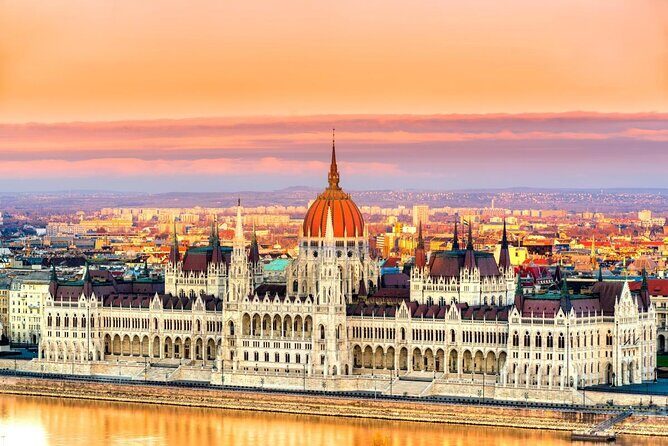
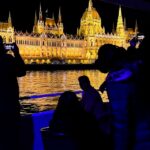
If you’re even a little curious about how Budapest remembers the 20th century, starting near the Hungarian Parliament Building works fast. The tour moves by subway to Kossuth Square in front of Parliament, then builds from there. The first thread is the 1956 revolution—not as vague background, but as a set of monuments and public spaces you can stand in and look at.
This part matters because 1956 is the hinge point between hope and crackdown. You’ll walk through areas tied to that revolution before the route shifts toward the Cold War era. The guide doesn’t just point at stone and plaques. They help you understand why certain symbols were placed where they are, and what they signaled to locals.
Practical note: this segment is scheduled with free admission on the tour plan. That’s helpful because the value here isn’t paying for indoor museums at every turn. It’s learning how to read the city itself.
You can also read our reviews of more walking tours in Budapest


Freedom Square: US Embassy nearby, Soviet War Memorial nearby, and Reagan in the mix
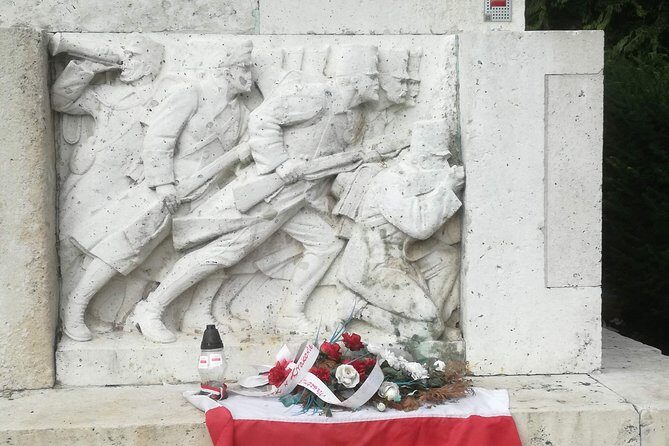
From Parliament area sites, the walk continues toward Liberty Square and the surrounding Freedom Square zone. This is one of the tour’s strongest sections because it shows how Budapest kept multiple world powers in view at once. You’ll hear about the Cold War through landmarks like the US Embassy area, the monument to the Soviet Army, and a Ronald Reagan statue, plus an atomic shelter tied to that era’s fear and planning.
This is the kind of stop where context changes everything. On your own, you might see monuments as scenery. With a historian guiding you, you learn the logic: what was emphasized, what was ignored, and how public spaces communicated pressure and allegiance.
Also, timing works here. The stop is designed so you can actually absorb what you’re seeing while the group is still together and moving as a unit. That means you’re not left wandering through a big plaza trying to guess which corner matters for the story.
Expect a mix of walking and standing, with the guide using the space around you like a timeline. Freedom Square is essentially the tour’s classroom outdoors.
House of Terror: powerful outside views, without museum ticket pressure
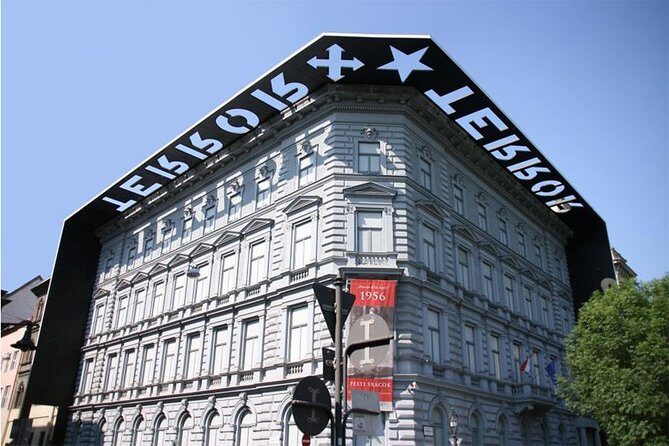
The route ends outside the House of Terror Museum, housed in what was the former headquarters of Hungary’s communist secret services. Even if you skip the exhibit inside (it’s not included on this tour), you still get a meaningful, sobering finish.
Look for the museum’s intimidating presence and the slab of the Berlin Wall placed in front. That wall piece isn’t just an educational prop. It connects Budapest to a wider European story about surveillance, border control, and the idea that the Iron Curtain was both physical and psychological.
Here’s the key value: you’re not forced to pay for another indoor ticket to get a strong ending. The tour plan keeps this stop as a reflective endpoint, and it’s a smart option if you’re trying to keep the walking tour focused while still getting a strong Cold War message.
If you later want to go inside, you’ll be starting with context instead of walking in cold. (And yes, that exhibit is the next step for people who want more detail.)
Puskás Stadium area: socialist realist statues and propaganda in public space
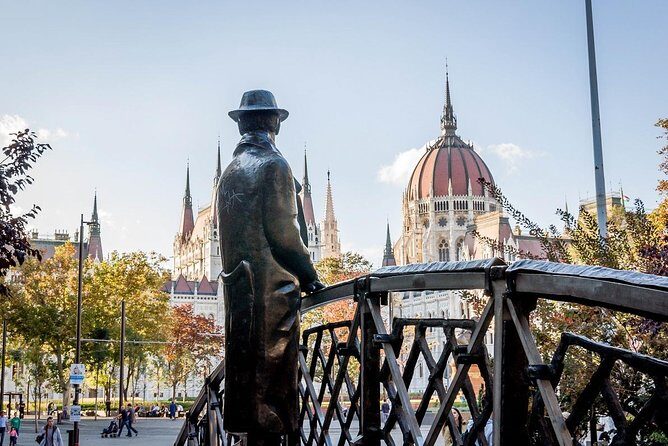
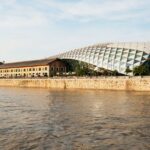
Next up is the former People’s Stadium, now known as Puskás Soccer Stadium. This stop is short but meaningful because it shows propaganda in a more human scale. The tour notes classic socialist realist statues still standing around the area.
This is a good reminder that communist-era messaging wasn’t only in grim buildings. It was also in leisure zones and athletic spaces—places where people gathered for events, public pride, and collective identity.
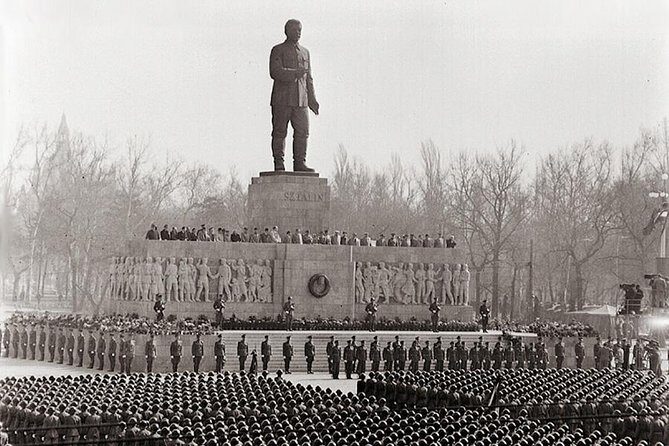
You’ll get time to look around and consider how design and sculpture worked like persuasion. Socialist realism was meant to be unmistakable: idealized figures, grand gestures, and a sense that the regime’s worldview was the only rational one. The guide helps you connect that style to what the regime wanted ordinary people to feel.
Admission isn’t the hurdle here; the tour schedule has this as a free stop. So the payoff comes from interpretation, not ticket math.
The Ronald Reagan statue: Hungary’s Cold War memory explained through gratitude
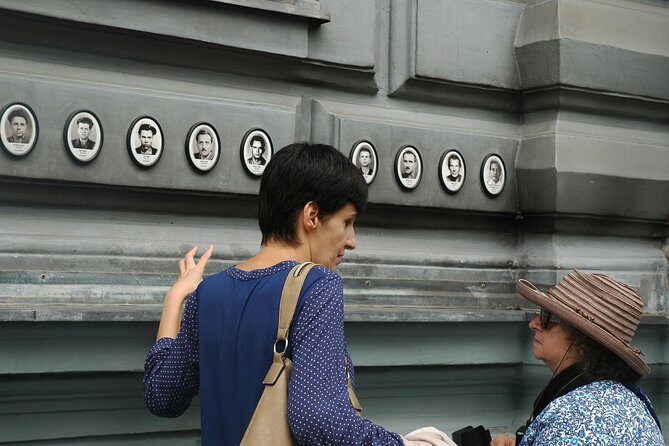
Yes, you’ll encounter a Ronald Reagan statue again in the route. Even if you already spotted it earlier in the Liberty Square/Freedom Square discussion, this is where the tour slows down the meaning for the group.
The framing is specifically about Hungary’s sense of obligation to Reagan for his efforts to help bring down the Iron Curtain. That’s an important nuance. Cold War history can get told as one-sided heroics or purely ideological conflict. Here, you’ll hear how public memory in Hungary shaped which foreign leaders are remembered and why.
This stop is also helpful if you’re the kind of traveler who likes something concrete you can point to later. It’s easy to remember a statue. It’s harder to remember an abstract timeline. The guide bridges that gap for you.
Expect a brief window here—scheduled around ten minutes—so it works best when you ask questions while everyone is still together and the guide is setting the context.




Bem József Square and Kossuth Lajos Square: 1956 protest energy and a 1960s coffee break
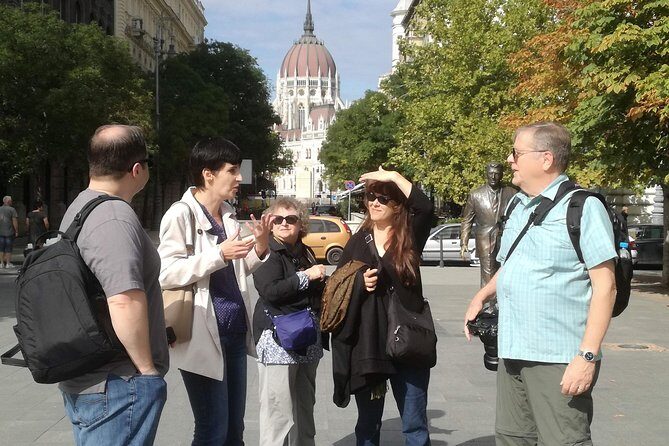
To round out the story, the tour turns toward Bem József Square, part of the Kossuth Lajos Square area. This is linked directly to the 1956 uprising, since it includes the space where the first major demonstration began.
Again, this is the tour’s strength: it keeps returning to the same question. How does a city store political memory? In this case, the space is not just historical. It’s tied to the opening spark of a rebellion.
One delightful practical detail: there’s a coffeehouse on the square that has reportedly retained its original interior from the 1960s. That’s a fantastic bonus because it anchors the story in everyday life. You can almost imagine the contrast—grand speeches and street protests next to the small comfort of a familiar interior.
This stop runs about twenty-five minutes, with time to absorb the symbolism and take in the feel of the square before wrapping up.
How the guides shape the whole experience (András, Kata, and the historian format)
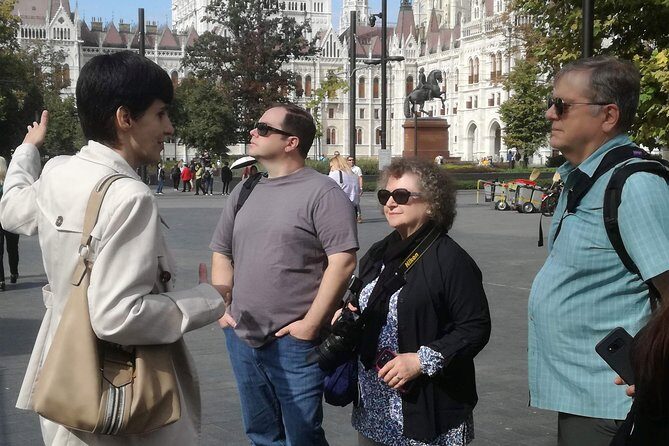
This tour lives or dies by the guide. The structure is built for it: a historian leads you for about three hours, and the route is designed around discussion points, not just a checklist of famous buildings.
In the reviews, I saw guides like András and Kata credited for strong explanation and thoughtful conversation. That matters because communist-era history often has layers—political slogans, shifting control, and lived reality that doesn’t always match what posters promised.
From that kind of feedback pattern, you can reasonably expect the tour to do more than recite dates. You’ll likely get guided back-and-forth, plus help making sense of why certain choices were made by regimes and how they impacted everyday life.
And yes, there’s a clear message in the feedback: this is for people who want context. If your plan is mostly to snap pictures and move on, you’ll probably feel the weight of the topic.
But if you want to understand what it felt like to live under communism, the guide style is exactly the point.
Price and value: what $126.50 buys you (and what it doesn’t)
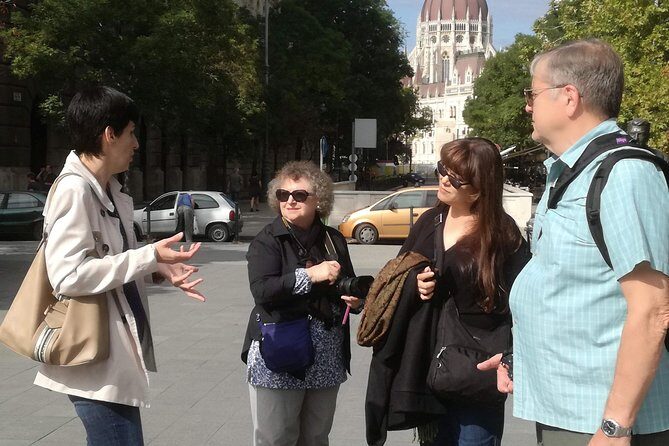
At $126.50 per person for about three hours, this is not a budget “walk past things” tour. What you’re paying for is the historian-led interpretation plus the city logistics that connect multiple Cold War sites in one coherent route.
Here’s how I think about value on this one:
- Most stops are free on the tour plan (no admission ticket required for the scheduled exterior/area visits).
- The big museum stop at House of Terror is set up as an outside endpoint, so you avoid being forced into an indoor ticket if your priority is walking context.
- The group size is capped at eight and described as a small-group experience limited to six, which usually means better interaction and fewer people to compete with.
Also, the tour uses a mobile ticket, and the provider notes group discounts. If you’re traveling with friends or family, that can make the price feel more reasonable fast.
One timing tip: it’s often booked around 27 days in advance on average, so if you want a specific departure window, don’t wait until the last minute.
Getting around: subway plus walking, and why tram/metro tickets matter
This tour isn’t car-based. It uses public transit as part of the experience. You’ll travel by subway to reach the Parliament/Kossuth Square area, and the rest is walking between major landmarks.
That’s a plus if you want to feel like you’re using the city rather than being driven past it. It’s also where preparation matters. The tour information says the guide will help you purchase Budapest Tram and Metro tickets if you don’t already have a visitor pass.
So if you’re the kind of traveler who likes to know exactly what to do before you do it, plan for that. If you already have a visitor pass, you can avoid extra steps. If not, you’ll have a clear assist rather than getting stuck trying to figure out ticket options mid-tour.
Finally, because this is a walking tour, wear shoes you trust. The reviews strongly point you to bring good walking shoes and some water. You’ll thank yourself on the longer stretches.
Pacing: how the stops work within three hours
The itinerary is designed to keep momentum without rushing the meaning. Here’s the rhythm you can expect:
- Start at Parliament/Kossuth Square area, then move toward Liberty Square/Freedom Square (time to see monuments and talk about 1956 and Cold War framing).
- Outside House of Terror as a longer emotional endpoint (short, about fifteen minutes, but heavy in impact).
- Puskás Stadium area to see socialist realist remains (about twenty minutes).
- Ronald Reagan statue to focus the story (about ten minutes).
- Bem József/Kossuth Lajos Square to connect the 1956 uprising with a more everyday pause (about twenty-five minutes).
Admission costs are listed per stop on the tour plan. You’ll find several scheduled stops as free areas/times, while the House of Terror exhibit inside is not included.
The result is a tour that feels structured, not scattered. You’ll end at a place that makes sense for the topic, not just where it’s convenient.
Who should book this Communist Budapest walking tour
Book it if you want:
- A clear, guided explanation of communism and the Cold War in Budapest, tied to real landmarks
- A tour led by a local historian who can answer questions and explain why symbols were built
- A route that includes 1956 revolution sites, Soviet-era memorial symbolism, and public propaganda design
Skip it (or at least reconsider) if:
- Your main goal is general sightseeing with minimal political context
- You don’t want discussion-heavy history while walking
- You prefer museums inside as the core of the experience rather than exterior monuments and city spaces
This tour is not trying to be neutral in the sense of ignoring meaning. It’s trying to be neutral in the sense of giving you context so you can understand what you’re seeing.
Book it or skip it: my honest take
I’d book this tour if you’re the kind of traveler who likes your city with a backbone. Budapest is gorgeous, sure—but this is how you learn why certain places hit hard. The best part is the mix of Freedom Square symbolism, Puskás Stadium propaganda cues, and a strong endpoint at the House of Terror Museum area, all held together by a historian.
I’d skip it if your day plan is mostly about light strolling and quick photos. This tour asks you to slow down and think. That’s a deal-breaker for some, a bargain for others.
FAQ
FAQ
How long is the Communist Budapest walking tour?
It runs for about 3 hours.
What language is the tour offered in?
The tour is offered in English.
Where do I meet for the tour?
The start point is Frankel Leó út 2-4, 1027 Hungary.
Where does the tour end?
The tour ends outside the House of Terror Museum at Andrássy út 60, 1062 Hungary.
Is admission included for the House of Terror Museum?
No. The tour ends outside the museum, and the exhibit inside is not included.
Are there admission fees for the other stops?
The tour plan lists several stops as free on the schedule, including the Parliament area, People’s Stadium/Puskás Stadium, the Ronald Reagan statue, and the squares described.
How large is the group?
It is described as a small-group experience limited to six people, and the maximum size is listed as eight travelers.
Can I choose a morning or afternoon departure?
Yes. You can choose between morning or afternoon departures.
Does the guide help with public transport tickets?
Yes. If you don’t already have a Budapest visitor pass, the guide can help you purchase tram and metro tickets.
What is the cancellation policy?
Free cancellation is available up to 24 hours before the experience starts. If you cancel less than 24 hours before, the amount paid is not refunded.