REVIEW · BUDAPEST
Alternative Budapest Walking Tour
Book on Viator →Operated by Absolute Tours · Bookable on Viator
Forget postcards; follow the art instead. This small-group walk shows you Budapest’s alternative culture up close, from the Jewish Quarter synagogues to the street-art side of town.
What I liked most: the tour gives real context, not just photos. You’ll spend real time on street art and graffiti, and you also get inside a local artist studio and gallery setup where the work feels tied to daily life.
One thing to consider: this isn’t a classic museum-style art tour. If you want lots of established exhibitions, you may find the day runs more toward street art and graffiti than polished galleries, and the exact venues can shift based on what’s current.
In This Review
- Key things to know before you go
- Alternative Budapest: what you really get for your money
- Meeting at Deák Ferenc tér: start smart, start easy
- Rumbach Street Synagogue and the Jewish Quarter: seeing the “off-frame” details
- Józsefváros (the 8th district): where art got practical during hard times
- Street art and graffiti: how the guide turns walls into stories
- Coffee, books, and a photo stop: the breaks that make the story stick
- Guides you might meet: the names that show up again and again
- Logistics that matter: timing, walking pace, and group size
- Who should book this instead of a standard “Top Sights” route
- Should you book the Alternative Budapest Walking Tour?
- FAQ
- How long is the Alternative Budapest Walking Tour?
- What is the price per person?
- What language is the tour offered in?
- Where does the tour start?
- Where does the tour end?
- Is a mobile ticket provided?
- Are entry fees included?
- Is the tour walking-heavy?
- Does the tour run in bad weather?
- Can I cancel for a full refund?
Key things to know before you go
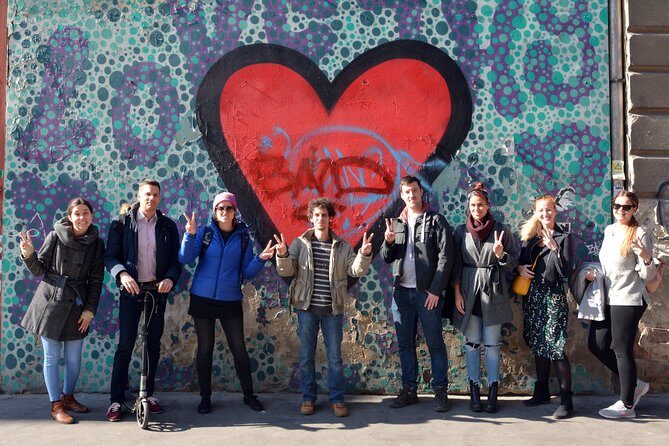
- Max 10 people means you actually get questions answered and a more personal pace.
- Jewish Quarter synagogues are part of the story, including a look at the Rumbach Street Synagogue area.
- Districts beyond the usual route take you through places like the 8th district (Józsefváros).
- Artist studio + small galleries help you see how people make and share art right now.
- Street art and graffiti taught with meaning rather than just a sightseeing walk.
- Itinerary can change to reach the most up-to-date venues the guide is working with.
Alternative Budapest: what you really get for your money
This tour is built for people who like their cities with a pulse, not a checklist. In about 2.5 hours, you move from the Jewish Quarter’s quieter, slightly hidden corners to the look-and-feel of contemporary underground art culture. It feels aimed at helping you understand Budapest as a living place where politics, identity, and creativity keep bumping into each other.
For the price, the value isn’t just the walking. It’s the access and the interpretation. You’re not only seeing street art; you’re learning the why behind it—how artists operate, what the visuals are reacting to, and how the city’s creative scene has persisted through changing regimes. In a city full of guided tours that stop at landmarks, this one tries to show you the art world as a neighborhood habit.
Another value point: the group size. With a maximum of 10 people, you’re less likely to feel herded. I’ve also noticed that when tours stay small, guides can tailor their explanations as questions come up—one review even described a guide adjusting the walk when they were the only participant. That kind of attention matters on a topic as specific as alternative street art culture.
The main trade-off is what kind of art you’re here for. This is not about ticketed museum masterpieces and quiet white-wall galleries. It’s more about art you can see on walls, in studio spaces, and in the places where people meet, read, drink coffee, and trade ideas.
You can also read our reviews of more walking tours in Budapest



Meeting at Deák Ferenc tér: start smart, start easy
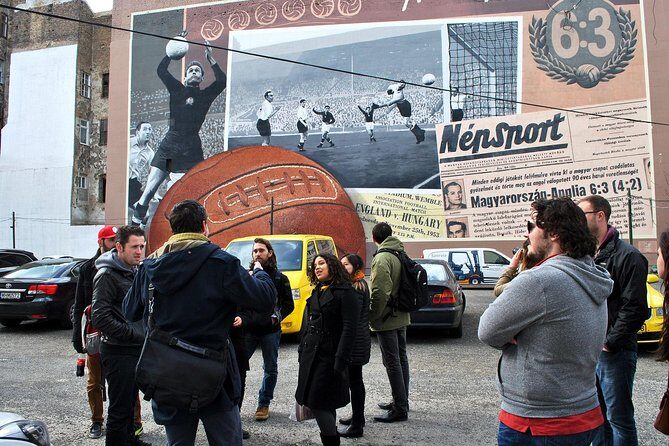
The tour begins at Deák Ferenc tér 4, 1052 (Budapest). That’s a good start because the area is central and well connected by public transport. If you’re basing yourself in Pest, you’ll likely find it simple to get there without a complicated plan.
Start time is 3:00 pm. That timing helps because you can still do earlier sightseeing at your own pace, then switch into the neighborhood-focused walk before evening activities ramp up. The tour also ends back in downtown, close to transport links, so you’re not stranded in a far-off part of the city with no way home.
Bring comfortable shoes. You need to be fit for light continuous walking for up to about 2.5 hours. Most of the time is manageable, but it’s not a sit-down tour with frequent long breaks.
Also plan for weather. The tour runs in all conditions, so dress like a person who expects to keep moving.
Rumbach Street Synagogue and the Jewish Quarter: seeing the “off-frame” details
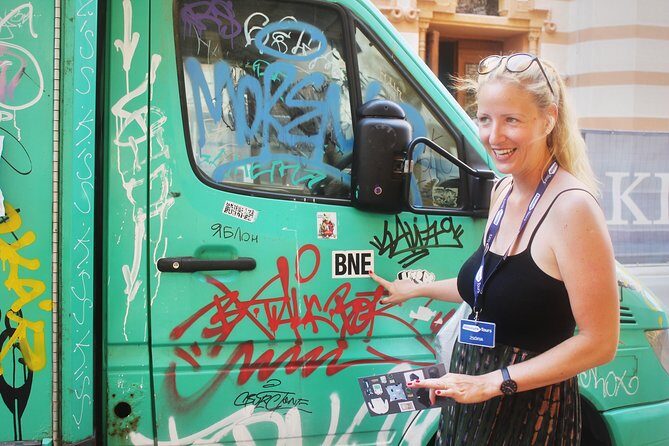
The route starts with a short introduction, then you head into the Jewish Quarter for the longer segment (about 1 hour 40 minutes of walking through the area). One early stop is the Rumbach Street Synagogue area, where you get a look at the synagogue as part of the wider street-level story.
Here’s why I think that matters. In many Budapest visits, the Jewish Quarter gets treated like a sightseeing zone with a single narrative: history, memorials, and major structures. This tour treats it more like a living neighborhood—where religion, community, and later cultural movements sit in the same city space. Even when the stop is short, it sets the tone: you’re learning how to notice what’s slightly out of frame, including places that don’t dominate the skyline but shape the street.
You’ll also be walking through streets that are less “tour-busy” than the postcard highlights. That’s the payoff for people who get tired of repeating the same views everyone else posts.
Drawback to keep in mind: some people expect more formal art venues in this part of the day. If that’s you, set expectations that the Jewish Quarter segment is about context—architecture and neighborhood story—then it turns into street art culture.
Józsefváros (the 8th district): where art got practical during hard times
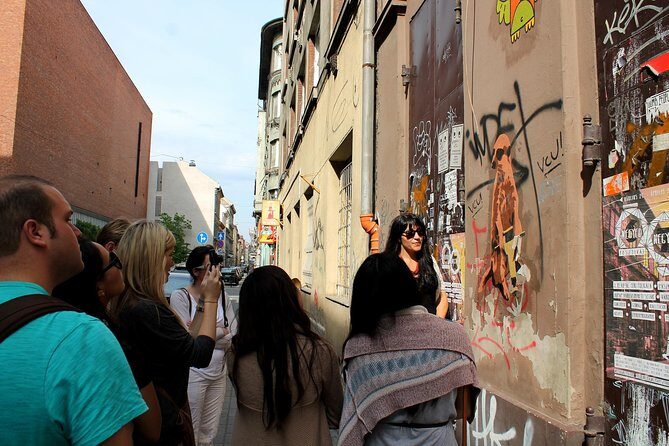
After the Jewish Quarter, the walk shifts into Józsefváros, the 8th district, for about 30 minutes. This is one of those places where the city’s shifts are easy to feel. Over time, working-class areas that once carried a different day-to-day reality became a magnet for art and culture.
What I like about this stop is the angle. The tour doesn’t just point at walls. It explains why underground creativity stayed alive through communist leadership and how the art scene kept moving even when cultural life was constrained. That historical framing gives you something to hold onto while you look at modern street art and gallery spaces.
This is also where the “alternative” part of the title starts to make sense. You’re no longer just viewing art; you’re seeing how communities use art to claim space—socially, politically, and emotionally.
If you’re the type of person who likes to connect current visuals to past pressures, you’ll probably enjoy this part more than the average sightseeing hop.
Street art and graffiti: how the guide turns walls into stories
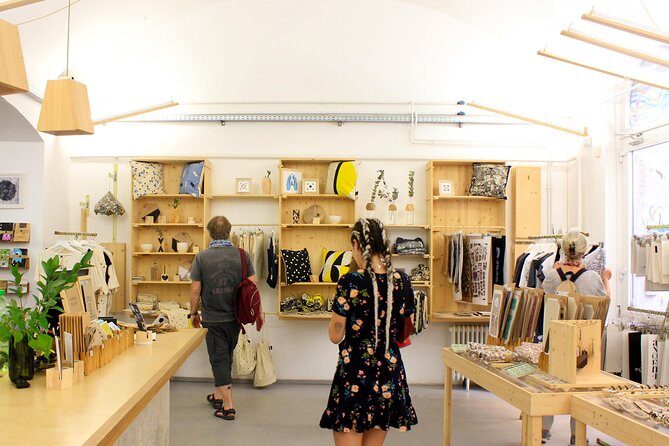
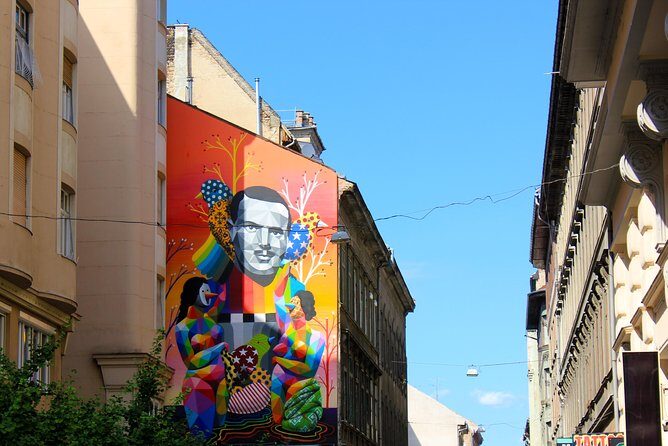
The heart of this tour is the street art and graffiti scene, taught as more than decoration. The tour highlights include learning about Budapest’s street art and graffiti culture, and that shows up in how the guide talks about what you’re seeing.
What I like here is that the tour aims to make you read the city differently after you finish. One review described how the walk changed the way they looked at graffiti and street art, especially after learning how artists create and think. That’s the big difference between seeing graffiti as random marks versus seeing it as communication.
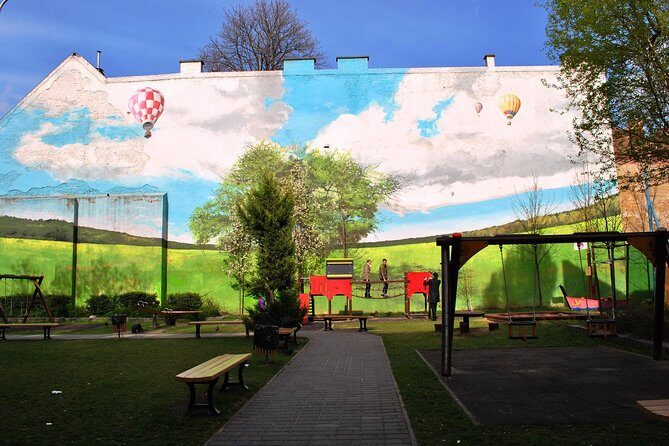
You may also find you notice details you’d otherwise miss: the placement, the layering, and how certain visuals connect to neighborhood identity. The route also aims to visit impressive street art galleries, plus an artist studio and gallery time, so it’s not only exterior street scenes.
That said, this is also where the criticism shows up. A couple of people felt the content leaned too heavily toward graffiti and not enough toward broader culture, or that the number of street-art examples didn’t match their expectations. If you’re hoping for lots of famous contemporary exhibition halls, you might want to pair this with a museum visit on a different day.





Coffee, books, and a photo stop: the breaks that make the story stick
The tour includes a quick stop at a coffeehouse (own expense) and also a photo gallery stop. Even if you don’t buy anything, this kind of break is useful. When you’re walking and learning neighborhood context, a short pause helps you reset so the city doesn’t blur into one long stretch of streets.
One reason people seem to love the tour: the guides often include places that feel like part of the culture, not just refreshment stops. For example, one review called out Massolit book store and café as a highlight, and another mentioned Szimpla Pub as part of the day’s end experience. Those details are especially helpful because bookshops and ruin bars are often where locals actually talk about art and events—so they fit the “alternative culture” theme beyond sightseeing.
If you’re a photo fan, the photo gallery stop is a good moment to slow down. Street art is one kind of visual language; photography can show you the scene through another lens—how artists, communities, and street culture are being documented.
Practical tip: since coffee is own expense, carry a bit of cash or have payment ready so you don’t feel rushed at the one moment you might want a drink to warm up or cool down.
Guides you might meet: the names that show up again and again
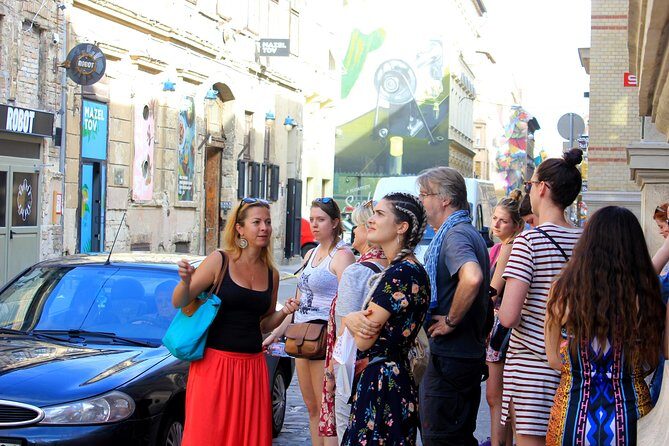
One of the best ways to judge this kind of tour is by the guides people remember. Several names popped up in the feedback: Anita Kurti, Darius (also spelled Dareios in one message), Bogata, Antonia, and Agnes. Different guides, same theme: art scene knowledge plus real enthusiasm.
You’ll notice a pattern in the comments. People praised guides for being engaging, friendly, and willing to answer questions. One review also emphasized personal stories and tailoring the route to interests. That’s a good sign for you if you like a tour where you can steer the conversation—especially around how street art intersects with politics and design in Hungary.
If you want to get the most out of the tour, bring one or two questions of your own. For example: what does a certain style communicate, or how did underground art survive when culture was tightly controlled? A good guide can turn your question into a mini lesson on the streets in front of you.
Logistics that matter: timing, walking pace, and group size
- Duration: about 2 hours 30 minutes
- Group size: maximum of 10
- Language: English
- Ticket: mobile ticket
- Meeting point: Deák Ferenc tér 4, 1052
- Start time: 3:00 pm
- End point: Józsefváros, back near downtown transport links
This is one of those tours that fits well as a mid-trip activity. You start in a central area, walk into neighborhoods, and finish where it’s easy to continue on your own. That makes it easier to build a day around it without scrambling for late dinner reservations.
It’s also a tour with decent demand: on average, it’s booked about 40 days in advance. If your trip dates are set, don’t wait until the last week.
Who should book this instead of a standard “Top Sights” route
Book this if you:
- Like street art, design, or how art connects to politics and daily life
- Want to spend time in neighborhoods you might not pick on your own
- Enjoy small-group guiding with room for questions
- Want a Budapest orientation that feels modern rather than postcard-only
Skip or think twice if you:
- Mainly want famous museum exhibitions and a heavily curated gallery day
- Prefer a tour that minimizes graffiti and urban art visuals
- Don’t enjoy walking through slightly rougher streets and back corners (the route goes off the classic track)
And one more “fit” note from the tour requirements: you should be okay with light continuous walking for up to about 2.5 hours.
Should you book the Alternative Budapest Walking Tour?
Yes, if you want Budapest to feel like a real city where art is part of the conversation. The combination of Jewish Quarter context, Józsefváros neighborhood history, and the street-art focus is exactly the kind of tour that changes how you notice a place once you’re back on your own.
I’d book it especially if you’re curious about contemporary culture in Hungary—how people express ideas under pressure—and you don’t mind that the itinerary can shift to reach what’s current that day. The small group size also makes the experience feel more personal than the big-bus style alternatives.
If you want maximum time inside established galleries and you’re not interested in graffiti culture, you’ll likely feel underwhelmed. In that case, pair a different museum-focused plan with a separate street-art wander on your own schedule.
Either way, this tour is a strong match for people who like their history and art to live where people actually go.
FAQ
How long is the Alternative Budapest Walking Tour?
It runs for about 2 hours 30 minutes.
What is the price per person?
The price is $86.89 per person.
What language is the tour offered in?
It is offered in English.
Where does the tour start?
The meeting point is Budapest, Deák Ferenc tér 4, 1052 Hungary.
Where does the tour end?
It ends in Budapest, Józsefváros, and returns near downtown close to transport links.
Is a mobile ticket provided?
Yes, the tour includes a mobile ticket.
Are entry fees included?
No. Entry fees to sights and museums are not included.
Is the tour walking-heavy?
Yes. You need to be fit for light continuous walking for up to about 2.5 hours.
Does the tour run in bad weather?
Yes, it goes in all weather conditions, so dress appropriately.
Can I cancel for a full refund?
You can cancel for a full refund up to 24 hours in advance of the experience start time.