REVIEW · BUDAPEST
Budapest: Hammer & Sickle Communism Walking Tour
Book on GetYourGuide →Operated by Absolute Tours · Bookable on GetYourGuide
Communism still feels real when you walk. This tour brings Hungary’s communist era to street level, with stops tied to the 1956 Revolution and the last Soviet monument at Liberty Square. I liked two things most: the way the guide links big events to everyday routines, and the solid, hands-on context you get from the small 1956 exhibition and the walks to major political landmarks. One caution: it’s serious, it includes about two hours of continuous walking, and it isn’t a fit for kids under 14 or anyone who needs mobility support.
You also get something many history tours skip: practical human details. Expect talk about daily life under the Iron Curtain, like how people navigated passports, what school life looked like, and what working under the system really felt like. The walk is in English, and the included coffee/tea/soft drink gives you a breather without turning the tour into a café crawl.
If you want a light, funny stroll, this isn’t it. It’s more about understanding how the regime worked and how people pushed back, and the tone can feel flat if your particular guide keeps it strictly informational. Still, when you match the right expectations, it’s a memorable way to read Budapest differently.
In This Review
- 6 Key Reasons This Walk Works
- Starting in Deák Ferenc Square: Where the Tour Gets Grounded
- 1956 on the Map: The Small Exhibition That Makes the Story Stick
- Walking Pest’s Communist-Era Streets: How Everyday Life Worked
- Liberty Square Soviet Memorial: Reading Power in Stone
- Parliament and the Political Spine of the City
- The Human Stories Behind the Hammer and Sickle
- Who Leads It Matters: The Role of the Guide
- Value at $72 for 2.5 Hours: What You’re Paying For
- Practical Tips So You Enjoy Every Square (Not Just the End)
- Should You Book This Budapest Communism Walking Tour?
- FAQ
- Where is the meeting point for the tour?
- How long is the Budapest Hammer and Sickle Communism Walking Tour?
- Is the tour in English?
- How much walking is involved?
- Is the tour offered in all weather?
- Is coffee or a drink included?
- Is food included?
- Is pickup available?
- Is This the Right Tour for Your Budapest Trip?
6 Key Reasons This Walk Works
- The 1956 Revolution exhibition gives you a concrete moment in time, not just dates on a wall
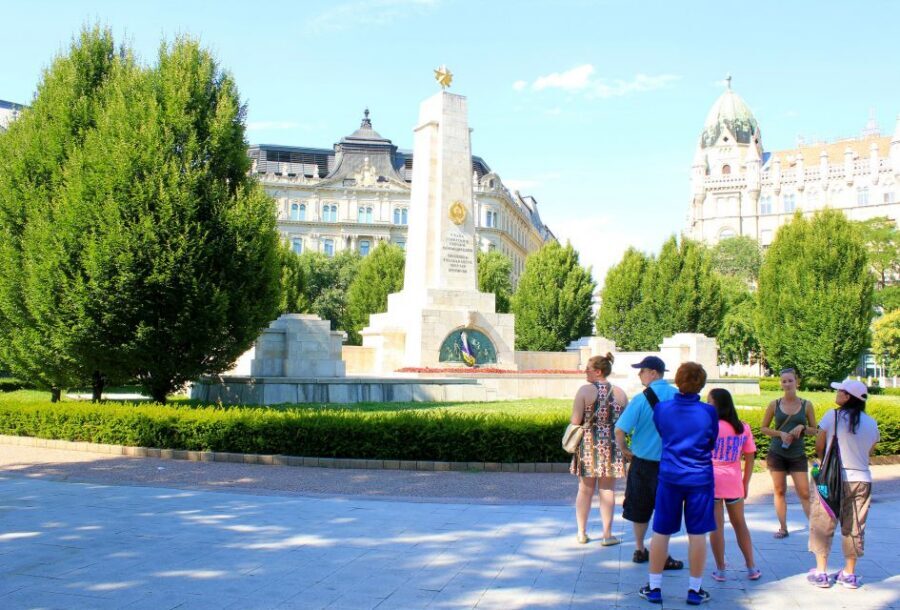
- Liberty Square Soviet Memorial shows how the Cold War left physical traces in the city
- Parliament-area walking helps you connect communist-era pressure to what Hungary became next
- Everyday-life stories cover passports, school routines, and how people handled daily friction
- Trabant-era details and workplace life make the system feel personal, not abstract
- Short comfort break with coffee, tea, or a soft drink, so you can keep moving
Starting in Deák Ferenc Square: Where the Tour Gets Grounded
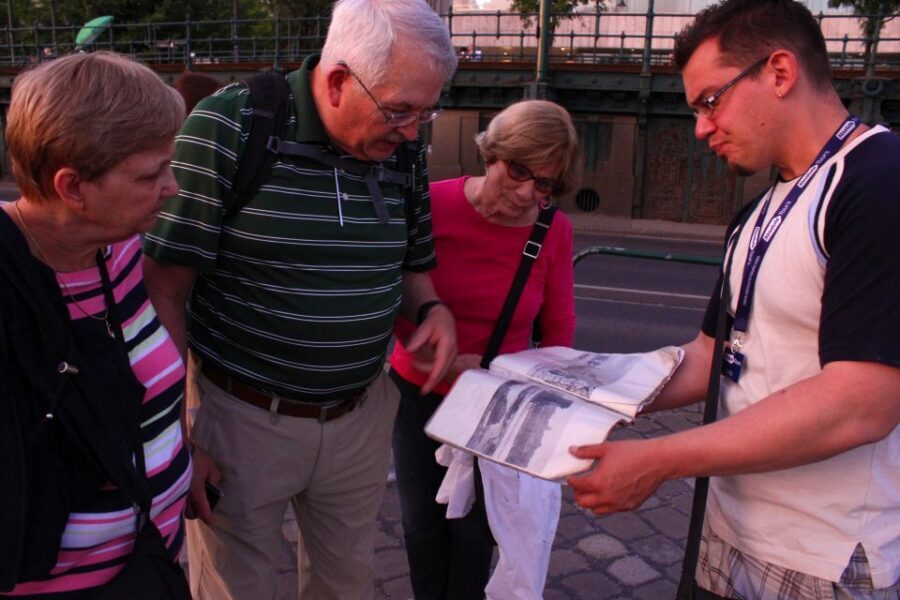
Your tour begins at 1052 Budapest, Deák Ferenc tér 4, right in front of the Lutheran Church (the pale yellow one), meeting your guide on the church steps. The location is central, which matters because you’ll be spending your time walking through Pest’s downtown streets rather than spending it getting there.
The pacing is the first thing to plan for. The experience totals 2.5 hours, with about 2 hours of continuous walking. That’s not a problem if you’re used to city exploring, but it does mean you’ll want to wear shoes that don’t punish your feet by hour two. Dress for weather too. The tour runs in all conditions, so bring a light rain layer if the forecast looks even slightly dramatic.
What I like about this start: you’re already near major sights, but the guide quickly redirects your attention. Instead of treating Budapest’s politics like a distant textbook topic, they frame it as something people dealt with every day—crossing the street, getting documents, going to school, and trying to live normally under a system that controlled normal.
You can also read our reviews of more walking tours in Budapest



1956 on the Map: The Small Exhibition That Makes the Story Stick
One of the highlights is a stop at an exhibition focused on the 1956 revolution. Even if you’ve heard the headline version of 1956 before, the value here is the way you see the revolution as a lived turning point rather than a single moment.
You’ll also hear about the first waves of protests and how people moved from dissatisfaction to action when they felt the regime crossed ethical lines. The tour’s language around these events centers on cause and effect: what people demanded, what they risked, and how the communist system responded.
A practical note: this isn’t a long museum detour. It’s a guided visit designed to keep the walking flow and the story momentum. If you’re the kind of person who likes to read everything slowly, you might feel a bit rushed—but the trade-off is you’ll leave with a clearer narrative thread for the city stops that come next.
Walking Pest’s Communist-Era Streets: How Everyday Life Worked
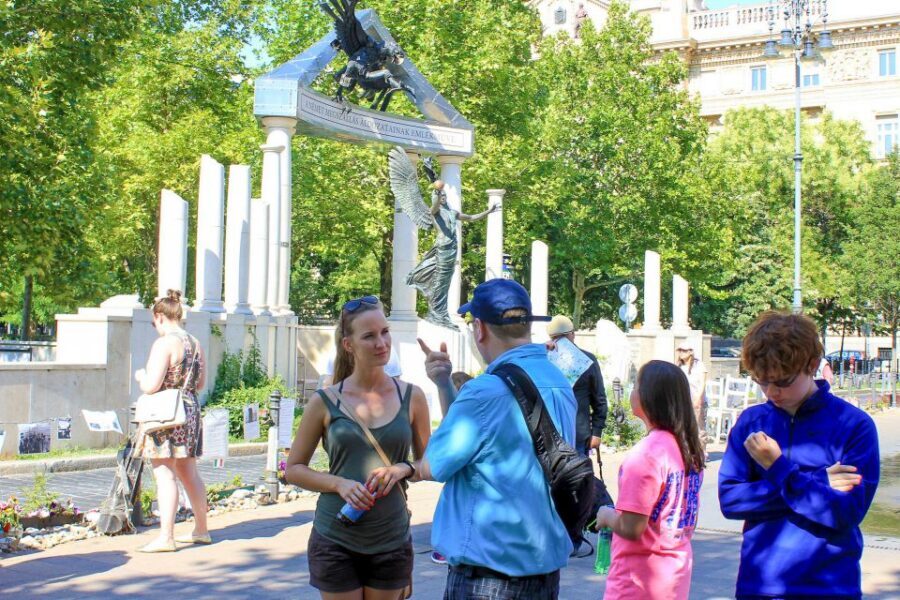
This is where the tour earns its name beyond the symbolism. You won’t just hear about political theory. You’ll hear what daily life looked like under communist rule—how people negotiated routine tasks and lived within restrictions that were sometimes obvious and sometimes disguised in paperwork and bureaucracy.
Expect details like:
- how residents approached the process of getting a passport
- what school life could look like
- how workdays included social rituals, including mention of drinking spirits at work
- the idea of driving Trabant cars, an icon that shows how the era shaped everything from technology to culture
Why this matters: history gets more believable when it includes friction. It’s one thing to learn that regimes controlled information. It’s another to hear how people handled something as ordinary as getting the right document to travel or how daily schedules shaped a child’s experience of authority.
Also, this part helps you notice Budapest differently. As you walk through downtown streets, you start spotting where power sits—near important institutions, near public squares, near the places where crowds gathered and where authorities responded.
Liberty Square Soviet Memorial: Reading Power in Stone
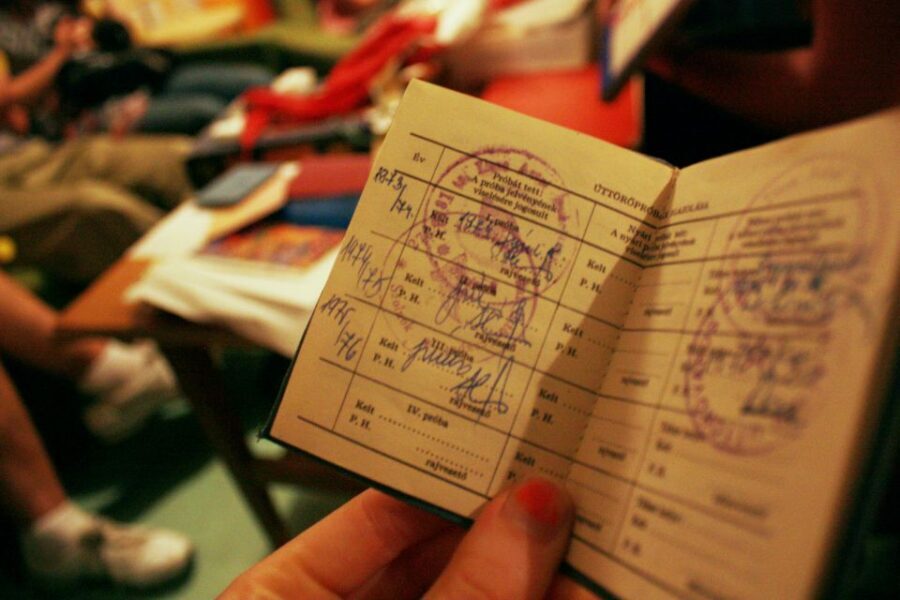
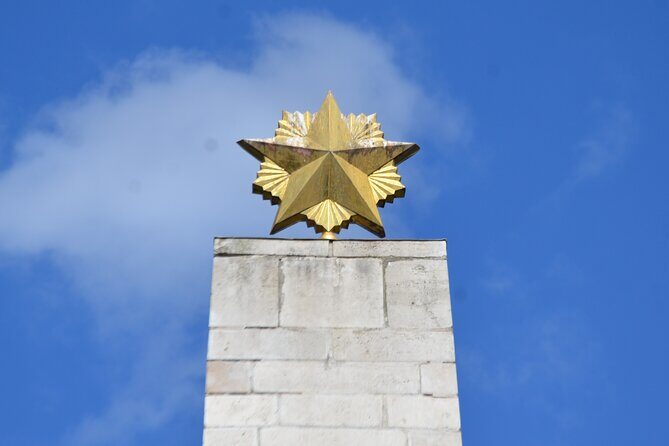
One of the most striking stops is Liberty Square, tied to the last Soviet monument. The tour takes you there specifically because the Soviet presence wasn’t just political; it was visual. The city carries those messages in permanent form, and this stop helps you understand why monuments and memorial spaces are never neutral.
You’ll get guided context on what the monument represents and how the square fits into the broader story of Hungary’s relationship with Soviet influence. The effect is surprisingly practical: after this stop, you’ll be able to look at other post-communist memorials across Budapest and ask better questions about who built them, who benefited, and how later generations interpreted them.
If you’re sensitive to heavy themes, plan your emotions. This stop doesn’t sugarcoat what the monument stands for. Still, that directness is part of the tour’s value. You walk away with a clearer sense of why places of remembrance can feel like argument in physical form.
Parliament and the Political Spine of the City
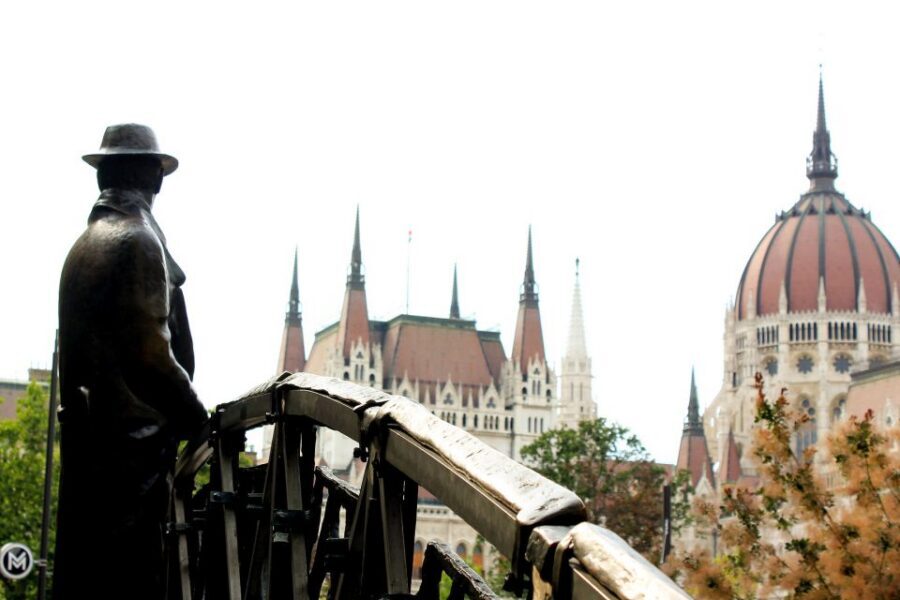
From the Liberty Square area, the tour also includes a walk toward the Parliament and the wider political landscape around those key squares. Even without stopping at every interior detail, the route is meant to give you context: how Hungary’s national identity and political direction were shaped in the shadow of communist rule.
What works here is the storytelling structure. The guide uses the streets as a timeline. Instead of listing events, they connect the revolution and resistance energy with later shifts, so you can see how the city layout reflects power centers.
This stop also helps you understand what Budapest is doing today. Parliament and its surroundings aren’t just architectural scenery; they’re the stage where Hungary’s post-communist life tries to define itself. The tour doesn’t turn that into a lecture about the present—it gives you the historical backstory so the present makes more sense.





The Human Stories Behind the Hammer and Sickle
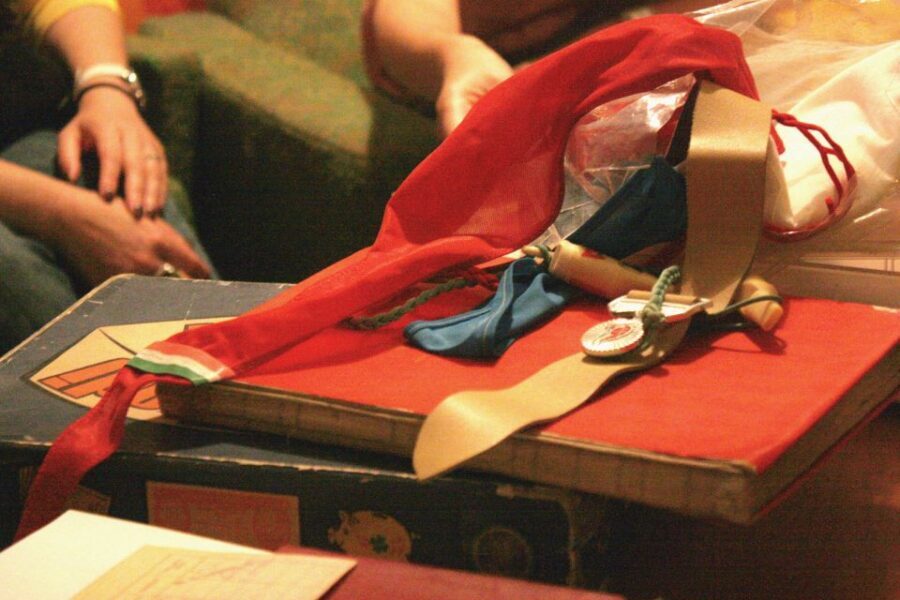
The tour’s core promise is learning Hungary’s communist era through everyday stories, and that’s exactly how the experience feels on the ground.
You’re likely to hear a mix of:
- ordinary life routines under the system
- the way people navigated authority without always confronting it head-on
- how families experienced schooling and youth under the regime
- the tension between public conformity and private thinking
The emotional tone is honest but not chaotic. You’re not being asked to feel shocked every second. Instead, you’re guided to understand the slow pressure: how rules, expectations, and official narratives shape what people can safely do, say, or plan.
And you get little cultural hooks that keep the story from becoming too heavy. The tour references things like Trabant cars and workplace spirits for a reason: these details show that communist life touched everything, from what you drove to what you drank at work. Even if those details weren’t your first association with the era, they help you picture it.
Who Leads It Matters: The Role of the Guide
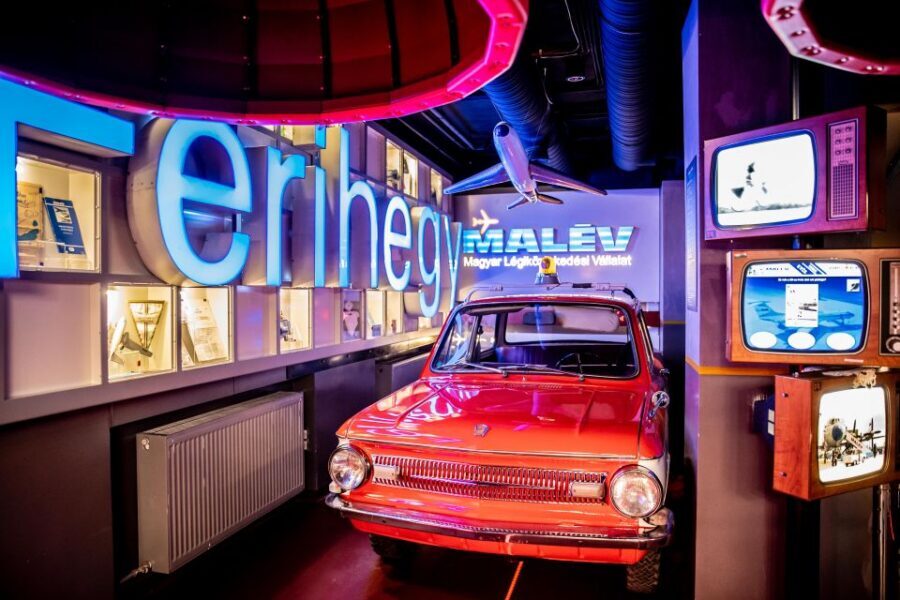
A big part of the quality here is the guide. One guide name that’s shown up in strong feedback is George with Absolute Tours, praised for a personable, informative style and an engaging walk through communist Budapest.
That said, not every tour experience will match your preferred teaching style. If you’re the type who wants lots of animated enthusiasm, keep that expectation in mind. The tour is built around serious history, and some guides may stick more closely to factual sequencing than to high-energy storytelling.
If you want the best fit, look for a guide description that signals how they handle tone—do they explain clearly with conversational pacing? When that clicks, this walk becomes more than facts. It becomes a story you carry with you into the rest of your trip.
Value at $72 for 2.5 Hours: What You’re Paying For
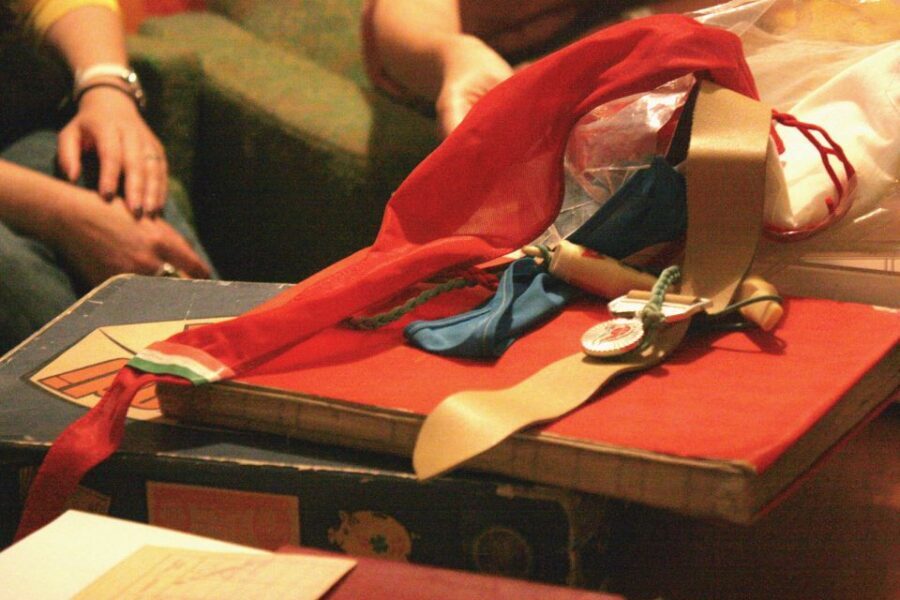
At $72 per person for 2.5 hours, this sits in the mid-range for guided walking tours in central Budapest. The honest question is whether you’re getting more than a basic orientation.
You are paying for three things:
- A licensed expert guide who ties Hungary’s communist-era timeline to what you see in the city
- Meaningful stops, including the 1956-focused exhibition, Liberty Square, and the Parliament area
- A real-life framing of daily life—passports, school routines, and workplace culture—so it sticks beyond the walk
You also get a small included comfort item: coffee, tea, or a soft drink. It’s not a meal, but it’s enough to make the middle of the route feel less like endurance walking.
What you should budget separately: food isn’t included, and gratuity is optional. If you’re pairing this with other sightseeing, plan a meal either before or after, not during.
If $72 feels steep, here’s the reality check that helps: you’re buying time with a guide who can translate political history into city context. If you like your history hands-on and your walking steady, it’s a fair value. If you only want a quick overview and don’t like serious themes, you might feel the cost more sharply.
Practical Tips So You Enjoy Every Square (Not Just the End)
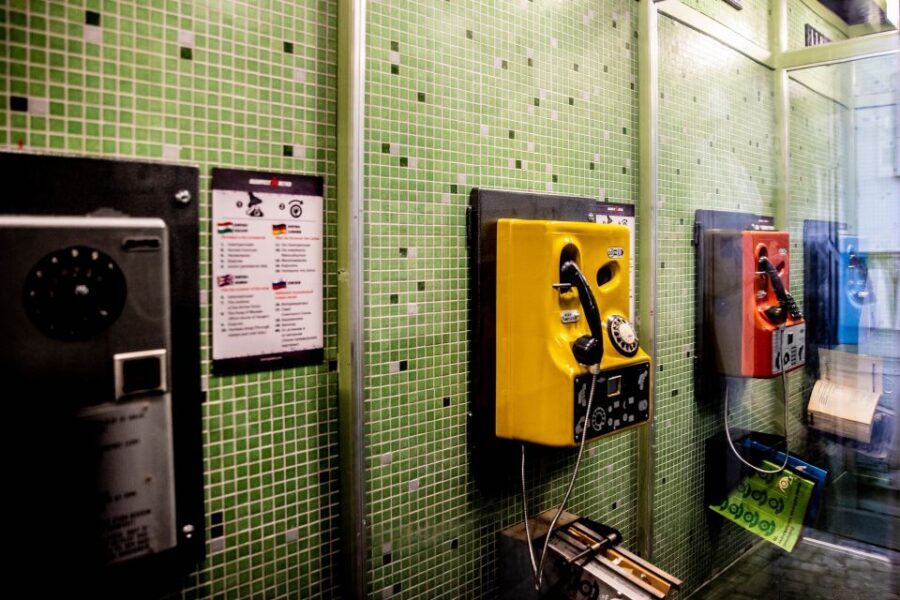
Because the tour includes 2 hours of continuous walking, small planning choices make a big difference.
Bring:
- comfortable shoes
- weather-appropriate clothing
- a layer you can adjust if the day swings between sun and wind
Plan around:
- meeting at Deák Ferenc tér 4 and starting downtown on foot
- staying present during the exhibition stop, since it sets up the rest of the route
- keeping your pace steady. It’s designed to be walked, not slowly wandered
Also, keep your expectations realistic about subject matter. This tour isn’t aimed at young kids, and people with mobility impairments may find the walking tough.
Should You Book This Budapest Communism Walking Tour?
Book it if you:
- want to understand Hungary’s communist era in human terms, not just a timeline
- like walking tours that connect history to specific city locations
- appreciate the 1956 revolution context and how Soviet-era power shows up in public spaces
Skip it (or think twice) if you:
- need a low-walking experience. The continuous walking can be tiring.
- prefer lighter entertainment over serious political storytelling
- are traveling with children under 14, since it isn’t recommended for that age group
FAQ
Where is the meeting point for the tour?
Meet your guide at 1052 Budapest, Deák Ferenc tér 4, in front of the pale yellow Lutheran Church, on the church steps.
How long is the Budapest Hammer and Sickle Communism Walking Tour?
The tour lasts 2.5 hours.
Is the tour in English?
Yes. The live tour guide speaks English.
How much walking is involved?
You should expect 2 hours of continuous walking.
Is the tour offered in all weather?
Yes. The tour operates in all weather conditions.
Is coffee or a drink included?
Yes. The tour includes refreshment (coffee, tea or soft drink).
Is food included?
No. Food is not included.
Is pickup available?
Pickup is optional. You can enter pickup details at booking, or meet the guide at Deák Ferenc Square.
Is This the Right Tour for Your Budapest Trip?
If you want Budapest history that actually explains the city—why monuments stand where they do and how daily life worked under a restrictive regime—this tour is a strong choice. The best outcomes come when you show up ready for steady walking, serious themes, and story-driven history. If that sounds like your kind of travel, you’ll likely come away with a sharper sense of Hungary before and after the communist era.