REVIEW · BUDAPEST
Budapest Private 3-Hour Jewish Heritage Tour
Book on GetYourGuide →Operated by Cityrama Budapest Travel Agency · Bookable on GetYourGuide
That first look at the synagogue hits hard.
This private 3-hour Jewish Heritage tour gives you the big “must-see” sites in Budapest’s Jewish Quarter with a guide to connect the dots: you’ll visit the Dohány Street Synagogue interior, then keep walking through the neighborhood that shaped Jewish life in the city. I also like that it stays practical and time-smart instead of turning into a long lecture.
My favorite moments came after the synagogue. You’ll also tour the Jewish Museum interior and then see the famous outdoor landmarks in the Jewish Garden, including the Tree of Life, the Temple of Heroes, and the cemetery. It’s the kind of route where the buildings and memorials start talking to each other.
One thing to keep in mind: this tour is monument-focused. If you’re hoping for a heavy, day-to-day deep dive into life during the Nazi era and the harsh anti-Jewish laws, you might want to ask your guide more targeted questions so you don’t leave with just highlights. And for the best experience, it helps to get a guide who can pace it well; one standout mentioned in feedback is Elisabeth, praised for making the material clear and even funny.
In This Review
- Key takeaways before you go
- Why the 3-hour Jewish Quarter format is smart (and worth the money)
- Dohány Street Synagogue interior: when the architecture does the explaining
- Former Jewish ghetto streets: seeing history at walking speed
- Jewish Museum interior: turning monuments into real names and timelines
- Jewish Garden landmarks: Tree of Life, Temple of Heroes, and the cemetery
- Coffee and cake pause: a small reset that keeps the tone human
- Private guide quality: what made the best versions of this tour work
- Price and budgeting: what’s included, what isn’t, and what that means for you
- Who should book this tour (and who might want something else)
- Should you book? My practical take
- FAQ
- How long is the Budapest Private 3-Hour Jewish Heritage Tour?
- Is this tour private?
- What sights will I see during the tour?
- Does the tour include entrance fees?
- Are meals or drinks included?
- Is hotel pickup included?
- What languages are offered?
- Is the tour only in one place, or does it involve walking?
- Are there multiple start times?
- What’s the cancellation policy?
Key takeaways before you go
- Dohány Street Synagogue interior: you’re not just looking from the outside.
- Jewish Museum time inside: better context for what you see on the streets.
- Former ghetto route on foot: street-level perspective you can’t get from a bus stop.
- Jewish Garden monuments: Tree of Life, Temple of Heroes, and the cemetery in one focused walk.
- A guided coffee-and-cake pause: a small reset so the tour doesn’t feel rushed.
- Private format with pickup: you start from where you are in Budapest, not from a random meetup point.
Why the 3-hour Jewish Quarter format is smart (and worth the money)
Budapest’s Jewish Quarter can be a lot to take in on your own. Streets are close together, but the stories are layered: community life, hardship, survival, and memory all sit side by side. This 3-hour private walking tour is built for that reality. You get a tight route across the most important landmarks without spending your whole day bouncing around.
The price is $150 per person. For a private tour, that’s not “cheap,” but it’s also not wildly out of scale if you consider what you’re buying: a live guide for the full walk and access to interior visits (synagogue and museum). Entrance fees and any meals are listed separately, so the real cost depends on those add-ons, but the structure is where the value is.
Pickup is included from accommodations within Budapest. That matters. When you’re in a place like Budapest, saving the stress of figuring out transit to a meeting point is real money in your head, even if it’s not on the receipt. It also helps if you’re short on time and want to start your exploration right away.
And because it’s private, you can shape the pacing. If you want more time at a memorial or you want your guide to explain a symbol you’re seeing, you’re in control. That flexibility is one of the main reasons to choose a private option over a busier group tour.
You can also read our reviews of more private tours in Budapest



Dohány Street Synagogue interior: when the architecture does the explaining
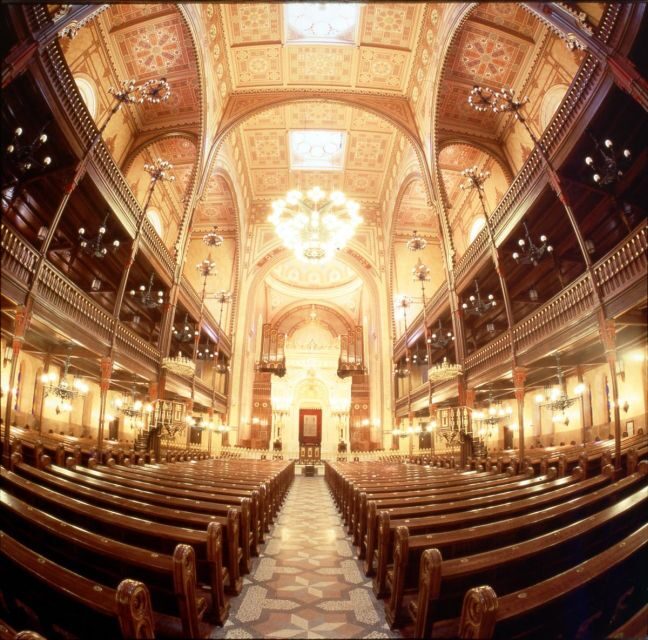
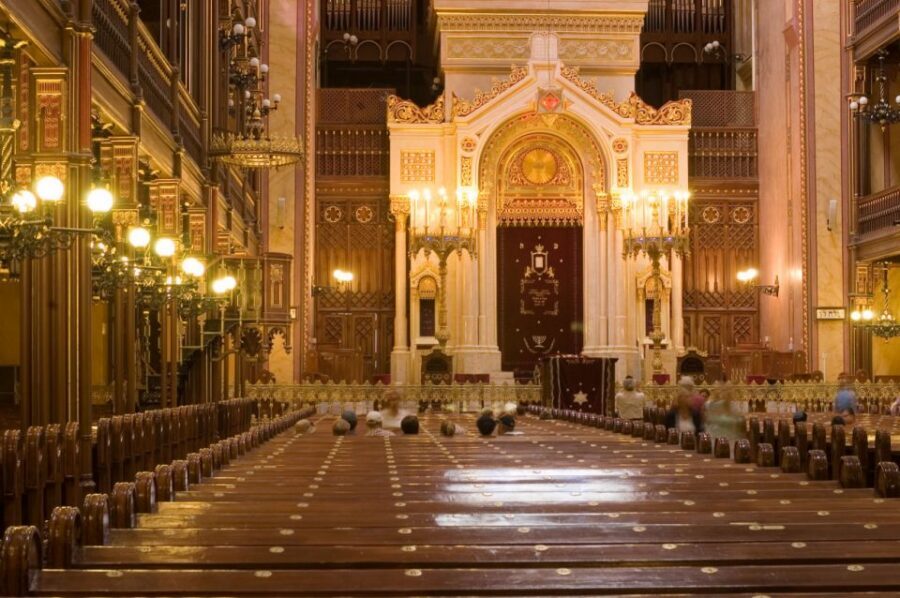
The star stop is the Dohány Street Synagogue. This isn’t a quick peek. Your guide takes you inside, and you get the chance to understand why this building carries such weight in Jewish Budapest.
What I like about an interior visit is that it changes your perspective instantly. From the street, you can admire the scale. Inside, you start noticing how the spaces are designed for gathering, worship, and community presence. Your guide’s job here isn’t just to point at features. It’s to connect the synagogue to the city’s Jewish story—so you don’t treat it like a photo backdrop.
A private guide also helps you avoid the common problem of “looking without context.” With a few well-timed explanations, you’ll start recognizing what you’re seeing and why it mattered. Ask your guide what makes this synagogue so significant in the broader story of Jewish life in Budapest, then follow up with a question about how the synagogue’s role changed over time. You’ll get more from the walls than from the photos.
Former Jewish ghetto streets: seeing history at walking speed
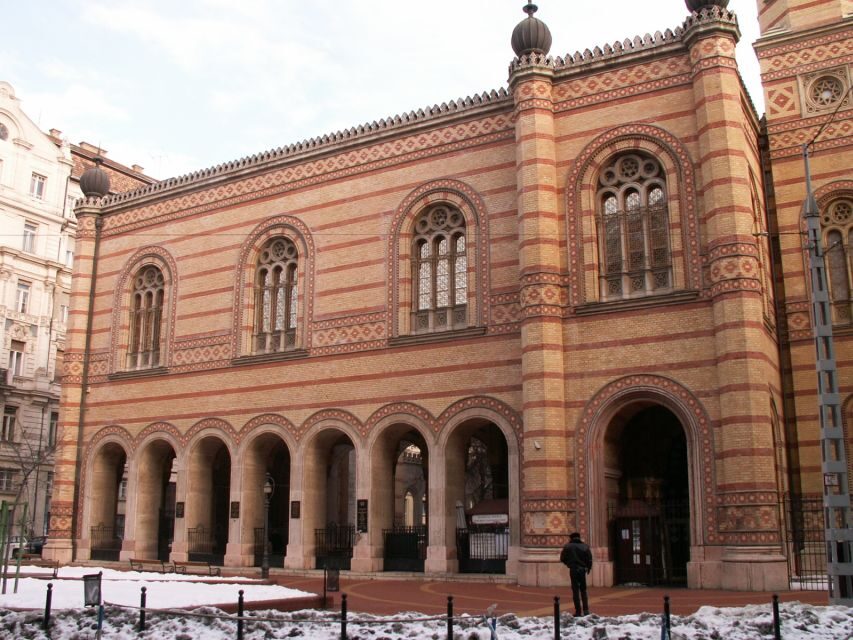
After the synagogue, the tour shifts into the neighborhood story. You’ll walk through Budapest’s former Jewish ghetto area with a guide.
Street-level walking is where this tour becomes more than sightseeing. It forces your brain to slow down and relate the story to actual streets and distances. Even without getting too technical, you’ll come away with a better sense of where community life clustered and where suffering and displacement later struck.
Because this is a guide-led route, you can ask for the details that matter most to you. If you care about daily life, ask how the neighborhood worked and what changed as repression increased. If you’re more focused on memory and commemoration, ask how later generations chose to memorialize what happened here.
One consideration: this format is designed to cover key monuments, not to recreate every chapter of the era in minute detail. That can be a positive if you want an efficient overview. If you want more depth on the darkest period, don’t be shy about requesting more context during the walk.
Jewish Museum interior: turning monuments into real names and timelines
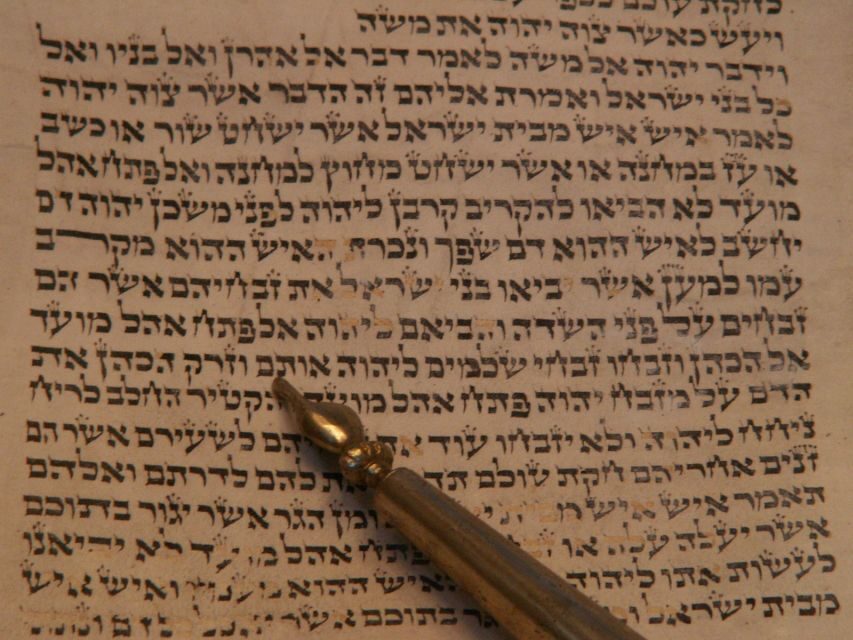
Next comes the Jewish Museum, with a guided interior tour. This stop is important because it adds structure to what you’ve been seeing.
Monuments and memorials are powerful, but they can also feel abstract if you don’t have a frame for them. A museum visit gives you that frame. It’s where you learn how Budapest’s Jewish community developed, the challenges it faced, and what was preserved or remembered through time.
I like the way this tour balances the outside and the inside. You walk the neighborhood, then you step into a place where stories are organized. That rhythm helps you absorb more without feeling mentally exhausted.
If you’re the type who likes to connect what you see to larger historical themes, this is where your guide can make the tour click. Bring one or two questions like: What does the museum focus on most strongly? Which parts of the exhibits help explain what you just walked past? Even a short Q&A can change how you remember the stop later.
Jewish Garden landmarks: Tree of Life, Temple of Heroes, and the cemetery
After the museum, you’ll head to the Jewish Garden area for the famous outdoor memorials. This is where the tour becomes visually unforgettable.
You’ll see the Tree of Life, the Temple of Heroes, and the Cemetery in the Jewish Garden. Together, these stops turn remembrance into physical space. A guided explanation helps you notice the symbolism and the design choices you might otherwise miss.
Here’s how to make the most of this segment: slow down and let your guide talk for a full minute before taking photos. These sites reward attention. If you race through, you lose the meanings that make them more than impressive objects.
You might also find it helpful to ask your guide what visitors often misunderstand about these memorials. Guides spend their days working with people who come in with different levels of background, so they can steer you toward the details that are easiest to miss.
You can also read our reviews of more historical tours in Budapest





Coffee and cake pause: a small reset that keeps the tone human
At the end of the walk, there’s a stop at a local pastry shop for coffee and cake. This sounds simple, but it’s a smart pacing choice. After indoor time and heavy subject matter, you need a reset.
One note: meals and beverages are listed as not included. So treat this coffee-and-cake stop as part of the experience flow, but plan to pay separately. I think that’s actually a good trade. You get the comfort of a break without being forced into an expensive packaged “tour meal.”
Use this moment to ask follow-up questions. In my experience, that’s when guides give the most useful, conversational answers—because you’re no longer rushing between fixed stops. Also, you can ask what else in the Jewish Quarter is worth seeing on your own afterward.
Private guide quality: what made the best versions of this tour work
Private tours rise and fall on the guide. That’s not a complaint, it’s just reality. The good version is where the guide turns a list of monuments into a coherent walk. The weaker version can feel like a slow series of stops with too much reading from info sheets.
In feedback you can spot both ends. Some people praised a guide named Elisabeth, highlighting her competence and humor—exactly the mix that helps with a tour that covers serious topics. Others pointed out pacing issues and said they wanted more interesting, less brochure-like explanations.
So how do you protect yourself? Ask your guide what the tour narrative will focus on during the first minutes. If you feel the pace dragging, speak up. You’re on a private tour, so you can request a more focused explanation at the next stop.
Also, choose your expectations. This is built around major sights: synagogue, museum, and landmark memorials. If your goal is a deep, detailed account of everything that happened in the ghetto across decades, you may want to supplement with another visit or ask for extra context at each stop.
Price and budgeting: what’s included, what isn’t, and what that means for you
Let’s make the money part clear.
Included:
- Guide service
- Hotel pickup within Budapest
- Interior time at the synagogue and museum (guided visits are part of the tour experience)
Not included:
- Entrance fees
- Meals and beverages
That means your $150 per person is the guided portion, but you should budget extra for tickets at the synagogue and museum. Since entrance fees vary by site and rules can change, I recommend setting aside a bit of buffer so you’re not doing math mid-tour.
Also remember the coffee-and-cake stop is likely a pay-your-own treat, since beverages and meals aren’t included. The upside is that you can choose what you want rather than being locked into a fixed menu.
If you’re comparing prices, think about what you’d pay for:
- transportation to each stop,
- separate tickets and timing,
- and a guide who can explain what you’re seeing inside.
For many people, the private format plus pickup is what justifies the cost. You’re paying for time-saving and context, not just for a walk.
Who should book this tour (and who might want something else)
This tour is a great match if you want:
- a first visit to Budapest’s Jewish Quarter,
- the major monuments in a short window,
- and guided context that helps you understand what you’re looking at.
It’s also a good fit for people who prefer walking with a plan. The route covers major points without turning into a marathon.
It may be less ideal if your main goal is:
- extremely detailed historical storytelling focused on the full range of events in the ghetto period,
- or if you strongly prefer a museum-first experience rather than a walking monument route.
If that’s you, still consider booking—but go in with a strategy: bring questions, ask for more detail when you can, and plan to do additional independent reading or another guided stop afterward.
Should you book? My practical take
I’d book this tour if you want an efficient, guided introduction to Budapest’s Jewish landmarks, especially because it includes the synagogue interior plus a museum interior and then the key memorial sights in the Jewish Garden.
I’d be cautious if you’re expecting a fully comprehensive account of every period of hardship and daily life, with deep narrative continuity across decades. This is a strong “highlights with meaning” format, not a single all-encompassing lecture.
My best advice: message or ask your guide one or two questions early—about how the ghetto relates to what you’re seeing now, and what symbolism matters at the Jewish Garden sites. With that approach, the tour becomes more than a checklist. It becomes a clear, memorable walk through how Budapest remembers.
FAQ
How long is the Budapest Private 3-Hour Jewish Heritage Tour?
It lasts 3 hours.
Is this tour private?
Yes, it’s a private group tour.
What sights will I see during the tour?
You’ll walk through the former Jewish ghetto, visit the Dohány Street Synagogue (inside), tour the interior of the Jewish Museum, and see the Tree of Life, the Temple of Heroes, and the Cemetery in the Jewish Garden.
Does the tour include entrance fees?
No. Entrance fees are not included.
Are meals or drinks included?
No. Meals and beverages are not included, even though there is a coffee-and-cake stop during the tour.
Is hotel pickup included?
Yes. Hotel pickup is provided from accommodations within Budapest, including hotels, apartments, Airbnbs, and private addresses.
What languages are offered?
The live tour guide is available in Spanish, English, French, German, and Italian.
Is the tour only in one place, or does it involve walking?
It involves walking between key sites in Budapest’s Jewish Quarter and the surrounding area.
Are there multiple start times?
Yes. You’ll need to check availability to see starting times.
What’s the cancellation policy?
Free cancellation is available up to 24 hours in advance for a full refund.