REVIEW · BUDAPEST
German tour in the Market Hall of Budapest with tastings
Book on GetYourGuide →Operated by Gábor Glasner · Bookable on GetYourGuide
You can eat your way through Budapest’s most famous market hall. This Central Market Hall tour keeps things practical: you walk stall to stall, taste the typical foods, and get a clear explanation of what you’re eating. I especially liked how fast it gets you oriented in the market so you don’t just wander.
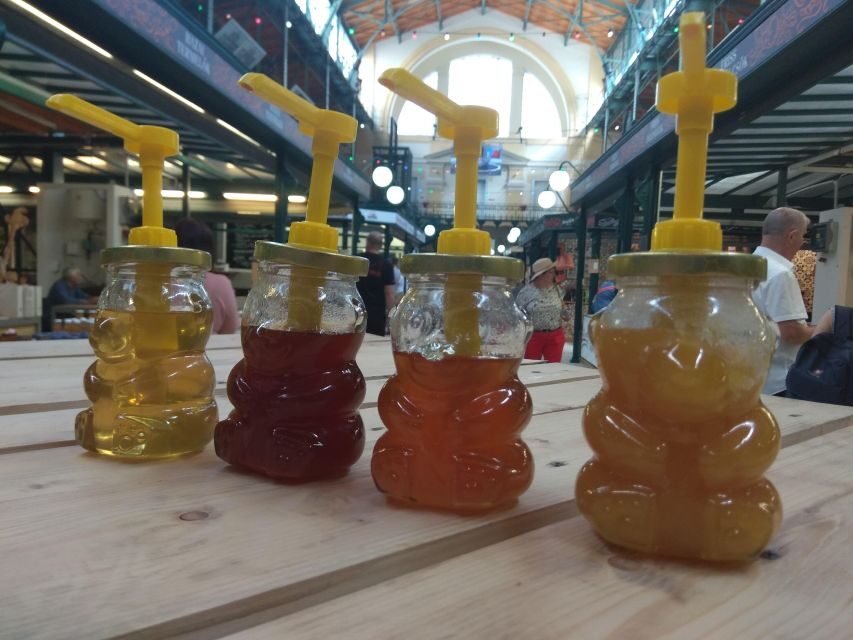
What really works is the focus on flavor basics you’ll use later. I enjoyed the paprika lessons with tastings and the three different local honeys, because they make Hungarian pantry staples feel tangible, not abstract. And yes, it’s German-led with a real guide, Gábor Glasner, which helps you pick up the local names fast when you’re shopping.
One consideration: meat is a big part of Hungarian cuisine, so this is only partially suitable for vegans/vegetarians, and it’s not wheelchair-friendly. Also, warm dishes and wines aren’t included—so plan for food tastings, not a full meal or wine flight.
In This Review
- Key things I’d highlight before you go
- Central Market Hall as a food map for Budapest
- The 1-hour plan in plain terms (and where to meet)
- Tastings you can expect: salami, sausage, cheese, paprika, and honey
- Paprika tastings: learning by flavor, not by package
- Wine education without wines served
- The take-home goodies: restaurant guide, receipt book, WineGuide
- Insider tips you can use right away
- Who this tour suits best (and who should consider alternatives)
- Price and value: $17 for a focused hour with multiple tastings
- Should you book this German Market Hall tasting tour?
- FAQ
- Is this tour in German?
- How long is the tour?
- Where do I meet the guide?
- How do I recognize the guide?
- What foods are included in the tastings?
- Are wines included?
- Are warm Hungarian dishes included?
- Is this tour suitable for vegetarians or vegans?
- Is the tour wheelchair accessible?
- Is there free cancellation?
Key things I’d highlight before you go
- A 1895 food landmark as your classroom: Central Market Hall turns shopping into a guided tasting route
- Stall-to-stall sampling of classic Hungarian items like salamis and sausages
- Paprika tastings so you can understand differences by flavor, not labels
- Three honeys that show how Hungarian sweetness can range from subtle to intense
- Wine regions, pálinka, and fröccs explained using a big 3D map, even though wines aren’t served
- Digital take-home guides: restaurant guide, receipt book, and WineGuide for follow-up meals
Central Market Hall as a food map for Budapest
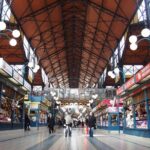
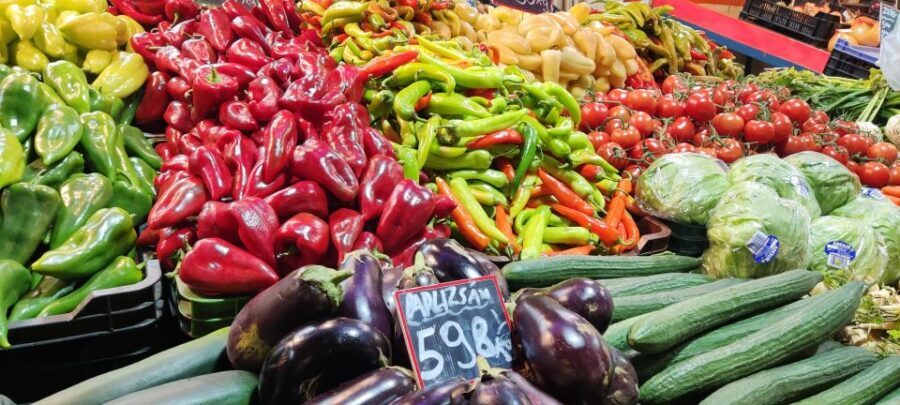
The Central Market Hall in Budapest is one of those places that looks like a postcard but functions like a working marketplace. It was built in 1895, and walking inside it feels like stepping into a timeline. High ceilings, dense stall life, and that steady rhythm of people comparing packages and labels—this is where you understand what locals actually stock.
On this tour, the market isn’t just scenery. It becomes your route. You’re guided from store to store across the hall, so you don’t waste time trying to guess which stall sells the real stuff versus the tourist-friendly stuff. You also learn the why behind common products—how they fit into Hungarian eating habits—so your shopping afterward makes sense.
You can also read our reviews of more shopping tours in Budapest
The 1-hour plan in plain terms (and where to meet)
This is a 1-hour walking tour with small to medium-sized groups, led in German. The meeting point is the side entrance of the Market Hall at Sóház utca 2. Your guide has a red sticker that reads GastroGuides Budapest, so you can find them without playing market-hall detective for too long.
The structure is straightforward: you start at the hall entrance, then spend about 45 minutes on guided market visiting and tasting as you move through different shops. The pace is designed for a fast food-education hit. You’re not going to slow-walk like a romantic grocery tour; you’ll be moving, tasting, and learning in short bursts.
Tastings you can expect: salami, sausage, cheese, paprika, and honey
The big promise here is that you’ll try typical Hungarian products while the guide explains what makes them Hungarian. The tastings are cold dishes only, and that matters. You’re getting flavor and texture, not a hot, sit-down meal like goulash or stew.
Here’s what you can plan around:
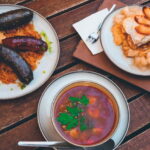
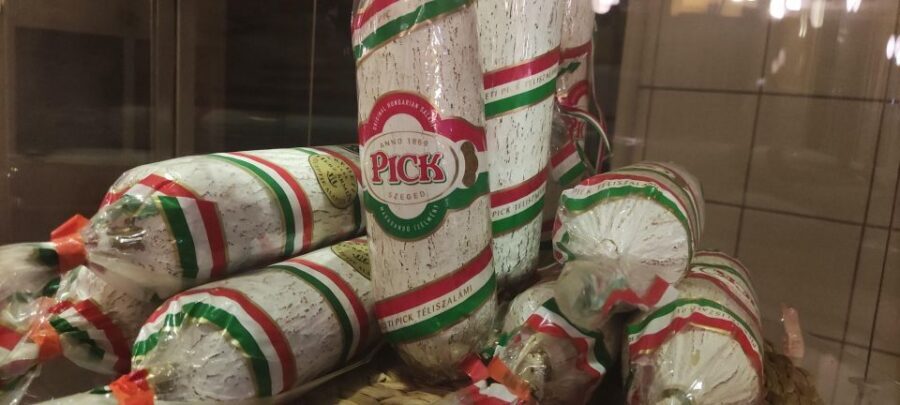
- Hungarian salamis and sausages: You’ll taste examples of the country’s cured-meat tradition, and you’ll hear how this food shows up in everyday eating.
- Typical Hungarian cheese: The tour includes cheese tasting, which is a good move because Hungarian cuisine isn’t only about meat and paprika.
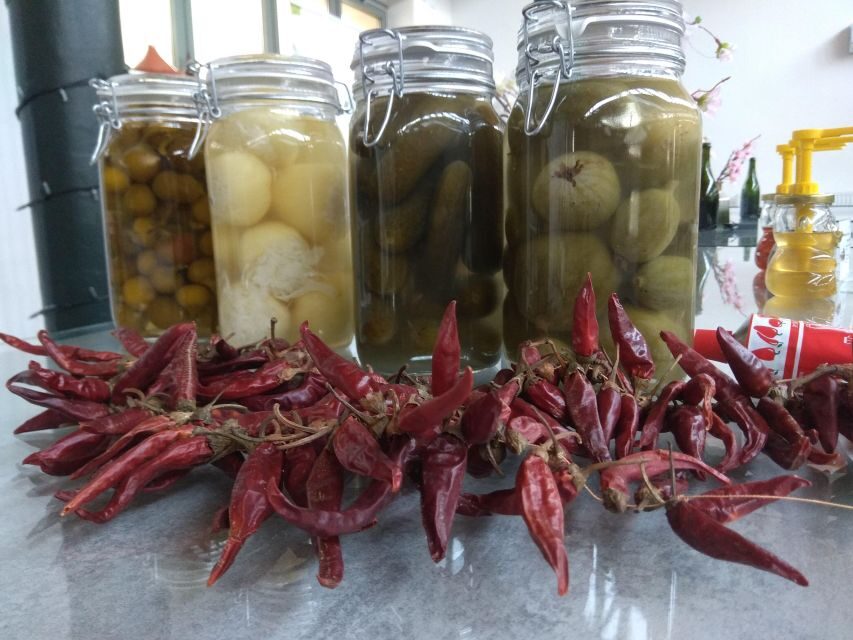
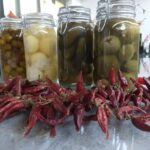
- Different types of paprika, with tastings: This is a standout part of the tour. Paprika is everywhere in Hungarian cooking, but it’s also easy to misunderstand until you taste variations side by side.
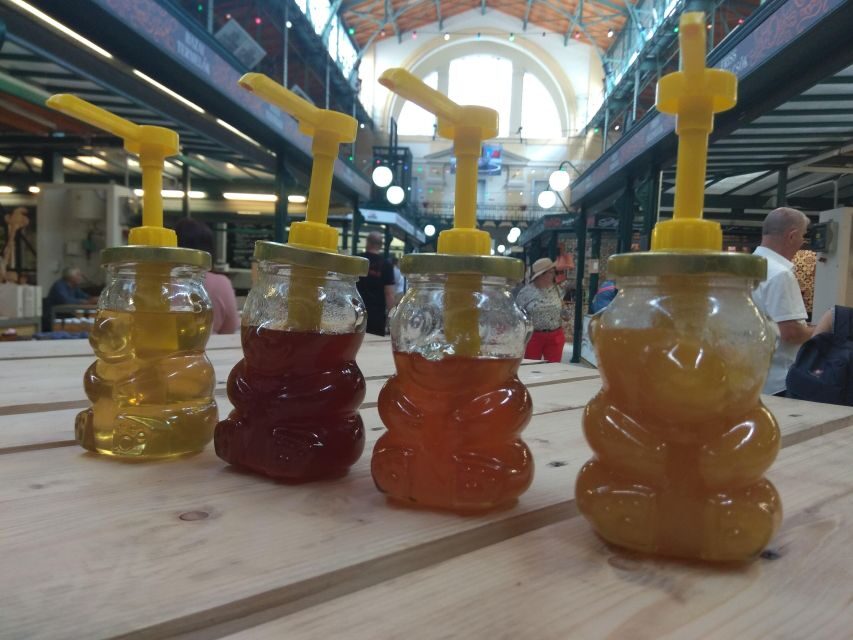
- Three different local honeys: This adds a sweet counterpoint. You’re not just learning savory flavors; you’re learning how Hungarian honey can taste different depending on the source.
A small practical note: several tastings are likely to be quick samples rather than large portions. That can feel limiting if you expect a heavy snack. But it also means you get variety—more chances to taste, compare, and decide what you actually want to buy.
Paprika tastings: learning by flavor, not by package
Paprika is one of those ingredients that sounds simple until you face the reality of options. On this tour, the guide walks you through different types of paprika and you taste them. That approach is worth it, because in a shop you’ll often see multiple versions with similar packaging and different claims. Flavor knowledge helps you buy with confidence.
What I liked about this portion is that it turns paprika into a decision tool. You start tasting and thinking about what you’ll cook later, or how you’ll use it as a seasoning. Even if you’re not the kind of person who cooks a lot abroad, knowing which paprika is sweeter, deeper, or more intense helps you spot the right jar when you’re back in your kitchen.
If you tend to buy spice souvenirs and then never use them, this part fixes that. You’ll leave with a better sense of what will work in real Hungarian-style cooking.
Wine education without wines served
This is not a wine-tasting tour. Wines aren’t included, and warm dishes aren’t included either. But the trade-off is that you get strong wine education without paying the extra cost for pouring.
You’ll learn about Hungary’s wine regions and wines using a large 3D map of Hungary. That visual tool is important because Hungary’s wine geography can feel confusing if you’re only reading a label. A map-based explanation makes it easier to understand where flavors might come from and why certain regions matter.
You’ll also hear about two Hungarian drink legends:
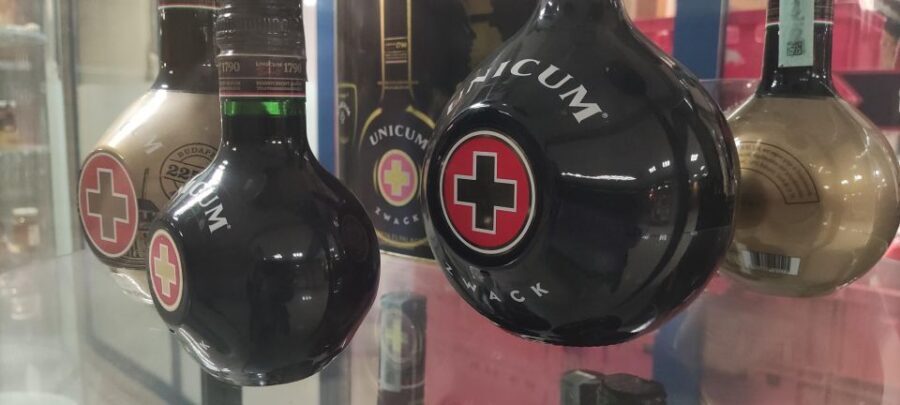
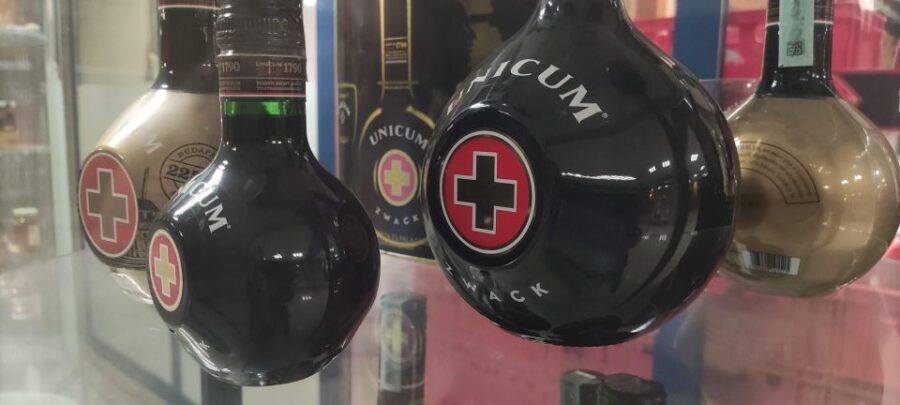
- pálinka, a Hungarian fruit brandy
- fröccs, the classic wine with soda water idea
Even without tasting wine, this kind of context is useful. It helps you order intelligently later—when you’re staring at a menu and trying to translate local categories into something you’ll enjoy. If you want to come away understanding more than just the food counter, this is your section.
A few more Budapest tours and experiences worth a look



The take-home goodies: restaurant guide, receipt book, WineGuide
One of the best value angles here is what you get after the tasting. At the end, you receive digital materials:
- a Budapest restaurant guide (digital version)
- a Hungarian receipt book (digital version)
- a WineGuide (digital version)
These aren’t just souvenirs. They’re practical. A restaurant guide helps you plan your next meal instead of guessing. A receipt book can be handy if you want help interpreting common Hungarian food terms or building confidence with what you’re ordering. And a WineGuide gives you a reference point if you want to act on the wine-region info you learned during the tour.
If you’re the kind of traveler who hates reinventing the wheel every night, these downloads are a real benefit. It turns a short tour into longer-term planning.
Insider tips you can use right away
At the end, you get insider tips on what’s worth eating in Budapest, including the best Hungarian specialties. This is where the guided logic pays off: you’re not only tasting items; you’re learning what to prioritize when you’re hunting for a meal later.
I like this approach because you avoid the common trap of buying random market items without a plan. Once you know which specialties matter, you can shop with purpose and then eat with confidence. The digital restaurant guide also helps you connect the dots between what you tasted and where to eat similar flavors.
Who this tour suits best (and who should consider alternatives)
This experience fits best if you’re:
- comfortable doing a food-focused tour rather than a museum-style walking tour
- happy with German-language guiding
- interested in learning what to buy and what to order after you leave the market
It’s less ideal if:
- you need fully vegan/vegetarian options. Meat plays an important role here, so it’s only partially suitable.
- you use a wheelchair. The tour is not suitable for wheelchair users.
- you’re looking for a big meal or wine tasting. Warm dishes and wines aren’t included, so your expectations should match a tasting-style experience.
Price and value: $17 for a focused hour with multiple tastings
At about $17 per person for a 1-hour German tour, the value comes from three things: guidance, variety, and the take-home resources.
You’re paying for:
- a guided route through the market hall (so you don’t spend the hour wandering)
- multiple tastings that cover savory, sweet, and spice (not just one category)
- structured explanations, including the wine-region map learning
- digital add-ons that help you keep eating and shopping strategically afterward
The lower price makes sense given what’s not included—no warm dishes, no wines served. If you expected a full lunch or wine flight, you’ll feel the gap. But if you want a solid taste-and-learn session that helps you shop and order better, it’s a very reasonable deal.
Should you book this German Market Hall tasting tour?
I’d book it if you want a short, efficient way to understand Hungarian flavors in the one place where they’re easy to compare: Central Market Hall. The combination of paprika tastings, three honeys, and cured-meat sampling gives you variety fast. Add Gábor Glasner’s food explanations and the wine-region learning, and you get more than a quick snack.
Skip it (or look for another option) if you need fully vegan/vegetarian-friendly choices, want wheelchair accessibility, or you’re specifically hunting for wine pours and warm Hungarian dishes.
FAQ
Is this tour in German?
Yes. The tour guidance is in German.
How long is the tour?
It lasts 1 hour.
Where do I meet the guide?
Meet at the side entrance of the Central Market Hall at Sóház utca 2.
How do I recognize the guide?
Your guide has a red sticker with the text GastroGuides Budapest.
What foods are included in the tastings?
The tasting includes cold dishes only, such as Hungarian salamis and sausages, Hungarian cheese, paprika tastings, and three different local honeys.
Are wines included?
No. Wines are not included.
Are warm Hungarian dishes included?
No. Warm dishes are not included.
Is this tour suitable for vegetarians or vegans?
It’s only partially suitable for vegans/vegetarians because meat plays an important role in Hungarian cuisine.
Is the tour wheelchair accessible?
No. This tour is not suitable for wheelchair users.
Is there free cancellation?
Yes. You can cancel up to 24 hours in advance for a full refund. Reserve now and pay later is also offered.