REVIEW · BUDAPEST
Hungarian Cooking and optional Local Market Tour
Book on Viator →Operated by Chefparade Cooking School · Bookable on Viator
A Hungarian cooking class beats another museum day. You’ll shop in the market vibe, then cook a three-course meal from scratch fast enough for a great afternoon plan. The “small group” setup means questions actually get answered, and you’re not just watching from the corner.
I especially like the way the menu is built around Hungarian classics you can reproduce at home: chicken paprikash with nokedli/spaetzle and a real apple strudel. I also like that the class doesn’t treat food like trivia—it comes with storytelling about gastronomy and traditions while you cook and taste wines.
One consideration: the optional market portion is time-limited, so if your ticket includes special add-ons like transport back or extra items, double-check what’s in your exact booking. Otherwise, you might feel slightly rushed.
In This Review
- Key Points You’ll Care About
- A 3-Course Hungarian Cooking Class You Can Recreate
- Market Hall Morning: Páva Street to Central Market Hall
- Your Menu, Step by Step: Goulash, Paprikash, and Apple Strudel
- Starter: Goulash Soup
- Main: Chicken Paprikash with Nokedli or Fresh Spaetzle
- Main Option: Mushroom Paprikash with Spaetzle
- Dessert: Apple Strudel
- Wine, Palinka, and the Food-and-Story Connection
- Small Group Size: Why It Changes the Whole Day
- Logistics: Meeting at Central Market Hall and Finishing at the School
- Price and Value: Does $126.98 Make Sense?
- Who Should Book This Budapest Cooking Day?
- Should You Book Hungarian Cooking with an Optional Market Tour?
- FAQ
- How long is the Hungarian cooking and optional market tour?
- Where do I meet for the tour?
- What dishes will I cook and eat?
- Is the market tour included, or is it optional?
- What drinks are part of the experience?
- Is there a vegetarian menu?
- Can the cooking class accommodate allergies or religious dietary restrictions?
- How big is the group?
- Where does the cooking part end?
- What’s the cancellation window for a full refund?
Key Points You’ll Care About
- Three courses, from scratch: Goulash soup, paprikash with noodles, and apple strudel
- Optional market tour is the fun setup: Páva Street + Central Market Hall for local shopping energy
- Small group, more hands-on time: Up to 15 travelers, with extra attention from your instructor
- Hungarian drinks included: Wines while you cook, plus a little palinka tasting in the flow
- You’ll likely leave with recipes: Multiple instructors note take-home recipe copies
- Dietary options are limited but possible: Vegetarian menu available on request; allergy handling may be restricted
A 3-Course Hungarian Cooking Class You Can Recreate
This is a Budapest food experience built for real results. In about 3–4 hours, you go from ingredients to a full lunch you can plate and eat—Hungarian style. That speed matters. You don’t wander around for half a day just to taste a crumb.
The class centers on a practical idea: learn the method, then learn the choices behind it. Hungarian cooking relies on a few big flavor drivers—paprika depth, slow-simmer comfort, and noodles that soak up sauce. You’ll work those in a menu that stays classic but still feels hands-on.
You can expect a structured kitchen rhythm. First comes the prep, then the cooking turns, then baking for dessert. Even if you’re not a confident cook, the format is designed so you can keep up. The reviews make a theme out of this: instructors like Vesna, Brigitte, Bernadette, Betty/Bridget, Adrienne, and Sylvia are repeatedly praised for clear instruction and patience.
You can also read our reviews of more shopping tours in Budapest
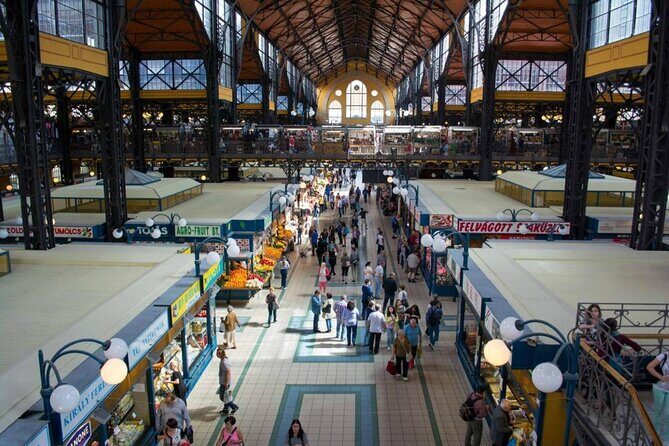
Market Hall Morning: Páva Street to Central Market Hall
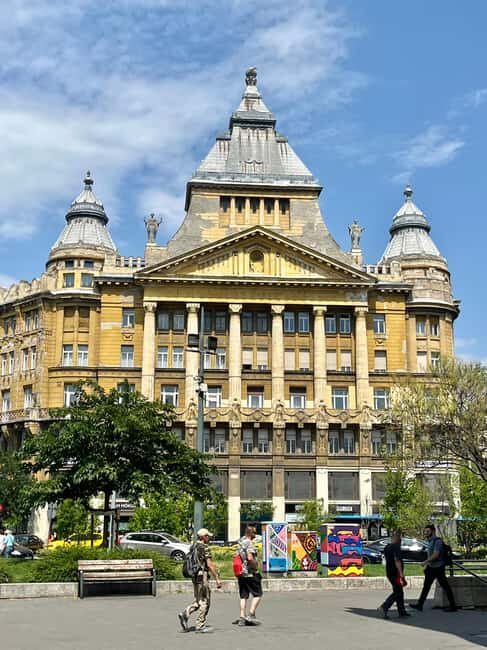
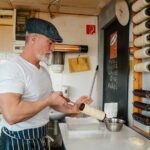
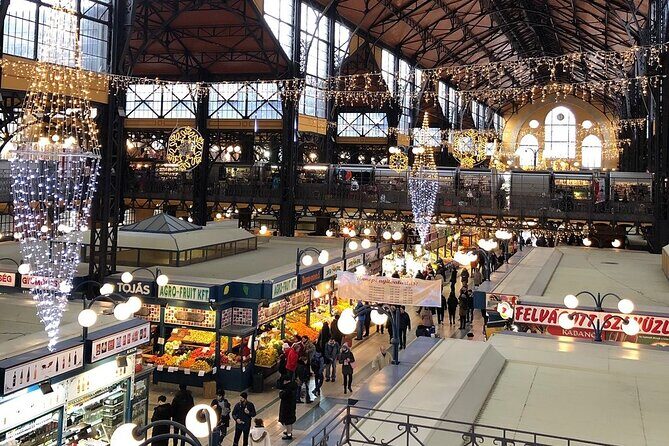
If you choose the optional market tour, the experience starts with walking—Hungarian-style. The route is tied to Páva Street and the Central Market Hall area, where the atmosphere is part of the lesson. You’re not just buying items. You’re seeing how locals browse, snack, compare, and pick quality.
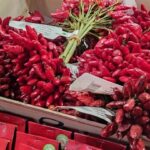
The market component is where you’ll understand why Hungarian dishes taste the way they do. You’ll get guidance on local produce, common ingredients, and the types of products worth noticing—cheeses, meats, pastries, and the peppers that define so much of the flavor. One review even notes that you can smell the difference between Hungarian peppers and what people often find back home.
A quick reality check: the market tour is designed as an overview, not a slow shopping expedition. If you want to buy gifts, spices, or specialty pantry items, go with a clear list in mind and be ready to move. One lower-rating review complained the market time felt rushed and shopping felt limited, so I’d treat this as a guided tasting-and-intel walk, not a full personal grocery marathon.
Still, when it works, it’s a great “now I get it” moment—because you’ll cook with items you learned to recognize.
Your Menu, Step by Step: Goulash, Paprikash, and Apple Strudel
The cooking portion is built around three dishes that show off Hungarian comfort food without getting weird.
Starter: Goulash Soup
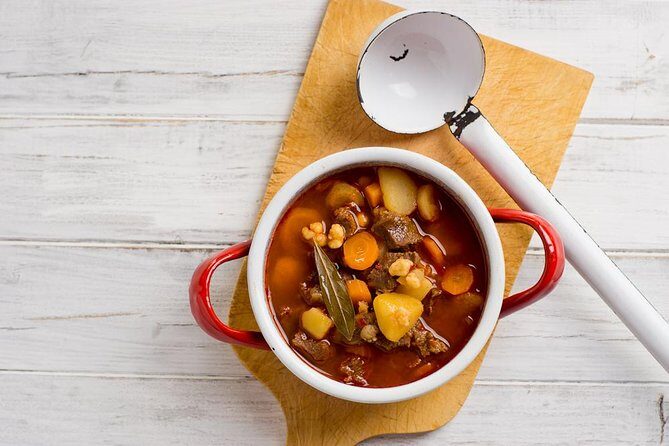
You start with goulash soup, a hearty beef-and-vegetable style soup. Expect chopping and building flavor through simmering, not just tossing ingredients together. This is the dish that teaches you how Hungarian-style soup gets depth—through patience and the right base flavors.
Main: Chicken Paprikash with Nokedli or Fresh Spaetzle
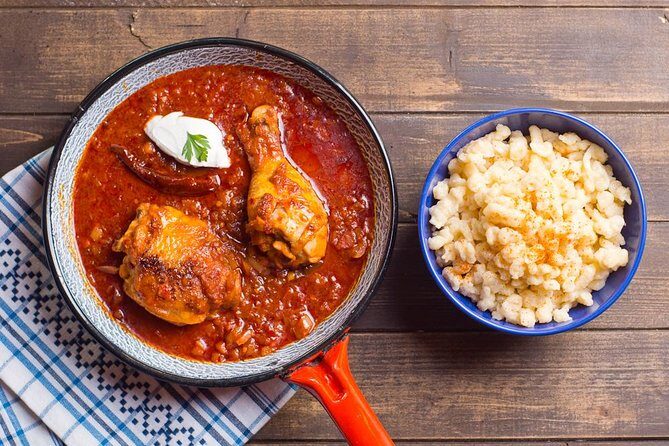
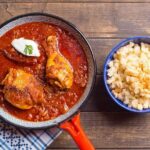
Next is chicken paprikash, often paired with nokedli or freshly made spaetzle. This is where the class gets satisfying. Paprikash is creamy, paprika-forward, and meant to hug the noodles.
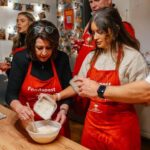
You’ll be doing real prep work: cutting, timing, and stirring so the sauce comes out right. Multiple reviews highlight how instructors walk you through the steps with calm focus. One detailed comment notes the careful turning/stirring process to avoid overcooking, which tells you the class is more than “follow the recipe”—it’s technique.
A few more Budapest tours and experiences worth a look

Main Option: Mushroom Paprikash with Spaetzle
There’s also an alternative main: mushroom paprikash, again creamy and served with freshly made spaetzle. This is a nice variation because it shifts the flavor focus while keeping the same Hungarian comfort framework.
If you’re vegetarian, you should plan ahead. The provided info says vegetarian menu is available upon request, but it also notes allergy and religious dietary restrictions may be limited. So if you have specific needs, put them in at booking time.
Dessert: Apple Strudel
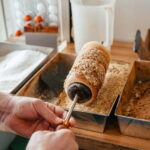
For dessert, you’ll make apple strudel—thin pastry with a cinnamon-sweet apple filling. Strudel is a crowd-pleaser for a reason: it’s part baking skill, part assembly, and the payoff is instant when you slice into warm layers.
Reviews repeatedly mention bringing strudel home as an extra, so you’ll likely get some take-away satisfaction. Even if you don’t, you’re still finishing with a Hungarian classic you can replicate later.
Wine, Palinka, and the Food-and-Story Connection
Hungary’s food is tied to culture. This class treats that as part of the meal, not an afterthought.
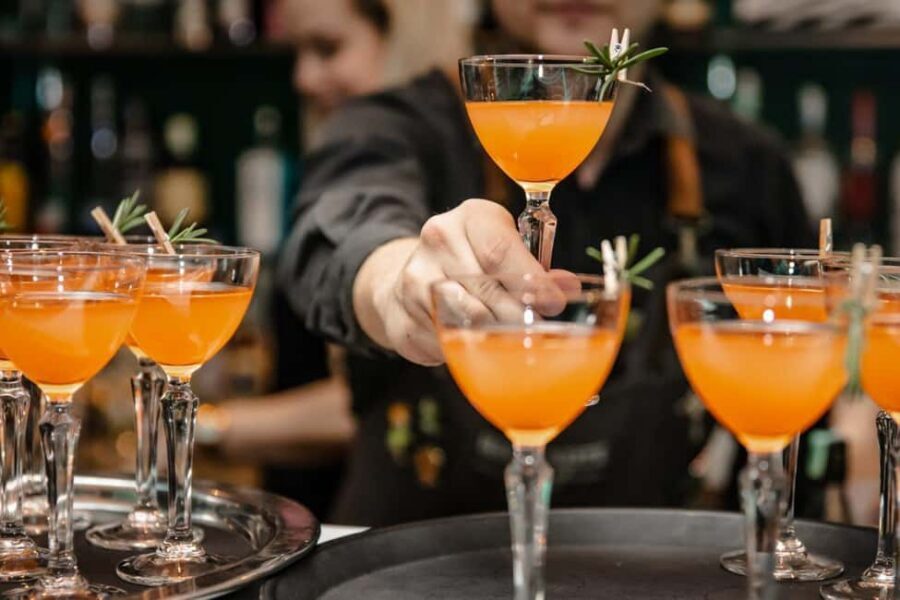
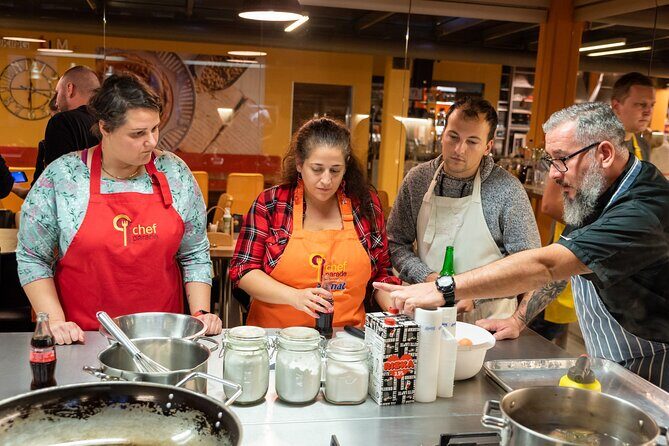
As you cook, you’ll enjoy Hungarian wines. And the flow includes a little palinka tasting. That matters because palinka—Hungarian fruit brandy—isn’t just a drink. It’s a sensory cue for how locals connect flavors and hospitality.
In many cooking classes, the “story” is a few facts and then back to chopping. Here, instructors are praised for combining storytelling with technique. You’ll hear about gastronomy and traditions while you work, eat, and taste. That mix makes the day feel like a real slice of Budapest rather than a staged demo.
One extra note from a review: people may be served a digest like Unicum after dinner in some situations. Since that’s not clearly listed as a guaranteed standard, treat it as a possible bonus rather than a promise.
Small Group Size: Why It Changes the Whole Day
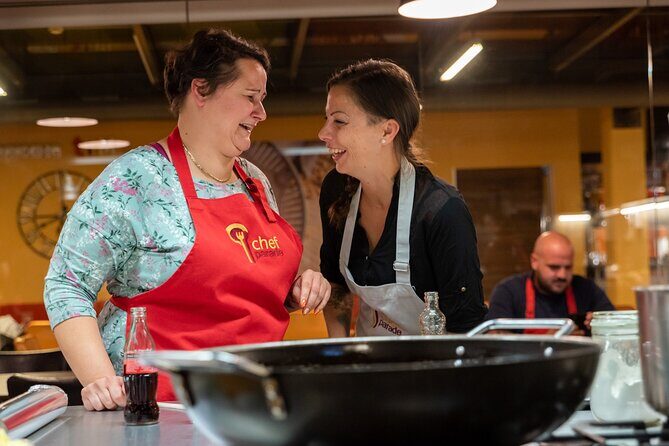
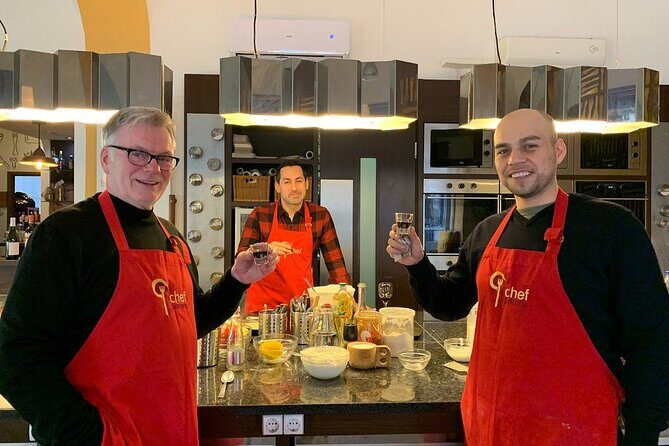
This experience caps at 15 travelers. That number isn’t just marketing. In a cooking school kitchen, it affects everything: how much you get hands-on, how often someone checks your work, and whether questions get answered right away.
Reviews consistently call out this attention factor. People mention instructors being patient, easy to follow, and genuinely helpful—especially for beginners. If you’ve ever taken a cooking class where you spend most of your time waiting for the instructor to circle back, this format is designed to avoid that.
Also, you’ll eat what you help make. That sounds obvious, but class flow matters. When the timing is good, you don’t leave hungry and you don’t feel like lunch is rushed. A lot of the high marks in the feedback are exactly about the delicious results and the fun, casual group energy during the meal.
Logistics: Meeting at Central Market Hall and Finishing at the School
The start point is Central Market Hall (Budapest, 1093). You’ll also see Páva Street mentioned in the plan, which is why the market tour feels like a guided walk rather than a random meetup.
The class finishes back around the starting area, but the exact ending point depends on where the cooking school is operating:
- Bécsi Street 27 (Buda)
- Páva Street 13 (Pest)
That means you should plan your schedule with a little flexibility. In practical terms: keep your next booking at least a couple hours later if you can, and give yourself buffer time to move between neighborhoods.
One more practical point: the experience is near public transportation, which is useful if your timing runs tight.
Price and Value: Does $126.98 Make Sense?
At $126.98 per person for roughly 4 hours, this price lands in the “do it once, do it right” category. Here’s why it can be good value:
- You’re not just tasting. You’re cooking three dishes and eating them.
- The class includes wine and a small palinka component, which adds to the meal value.
- You’re learning technique for dishes you’ll actually want to repeat: goulash soup, paprikash with noodles, and apple strudel.
- The group limit (max 15) supports more direct instruction than big bus-style food tours.
But do be smart about the optional market piece. One lower-rating experience pointed to a mismatch between what was expected versus what happened in their specific booking. That doesn’t mean it’s common, but it does mean you should confirm what your selected option includes—especially if your plan depends on getting back to a specific place.
If you want the market vibe and the kitchen lesson, it’s a strong pairing. If you don’t care about shopping at all, you might prefer a cooking-only day to avoid time pressure.
Who Should Book This Budapest Cooking Day?
Book it if you:
- want a hands-on Hungarian meal rather than a sit-down lecture
- enjoy paprika-forward comfort food and want technique you can repeat at home
- like the Central Market Hall area and want a guided feel for where ingredients come from
- travel with a partner or small group and prefer personal instruction
Skip or reconsider if you:
- have very specific allergy needs and haven’t confirmed accommodations
- hate rushing around markets and want long free shopping time
- need guaranteed transport back included in the base price (optional add-ons may exist)
Should You Book Hungarian Cooking with an Optional Market Tour?
I’d say yes—if you go in knowing it’s a focused, time-boxed experience. For most people, the payoff is big: you end up eating three real Hungarian dishes, tasting wines and a little palinka, and leaving with recipes and skills you can use long after you’re home.
Choose the market tour if you want the extra context. It helps the cooking make sense, especially for ingredients like Hungarian peppers and the pastry game around apple strudel.
My final advice is simple: when you book, check your exact option and what it includes. If you want market shopping time or extra logistics help, don’t leave that to guesswork. Once that’s clear, this is one of the best ways to turn Budapest into something you can taste for years.
FAQ
How long is the Hungarian cooking and optional market tour?
The experience is listed as about 4 hours.
Where do I meet for the tour?
The start point is Central Market Hall in Budapest.
What dishes will I cook and eat?
The menu includes goulash soup, chicken paprikash with nokedli or fresh spaetzle, an option for mushroom paprikash, and apple strudel.
Is the market tour included, or is it optional?
The local market tour is optional. The highlight option adds a guided market-walking experience.
What drinks are part of the experience?
You’ll enjoy Hungarian wines while you cook, and the program includes a little palinka tasting.
Is there a vegetarian menu?
A vegetarian menu is available upon request.
Can the cooking class accommodate allergies or religious dietary restrictions?
Dietary requirements should be specified at booking. The info notes options for allergies and religious dietary restrictions may be limited.
How big is the group?
The experience has a maximum of 15 travelers.
Where does the cooking part end?
It ends at the cooking school, at either Bécsi street 27 (Buda) or Páva street 13 (Pest), depending on the session.
What’s the cancellation window for a full refund?
You can cancel up to 24 hours in advance for a full refund. Cancellation less than 24 hours before the start time isn’t refundable.