REVIEW · BUDAPEST
Budapest: Hungarian Home Cooking Class with Chef Marti
Book on GetYourGuide →Operated by Cooking Hungary - Culinary Experiences · Bookable on GetYourGuide
Hungary tastes better when you cook it. This small-group class with Chef Marti turns famous comfort food into something you can actually make at home. Expect hands-on Hungarian cooking plus bites, drinks, and real cultural stories as you work.
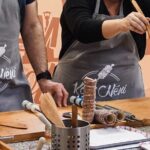
I especially like the practical kitchen teaching. You’re not just watching—you’re chopping, mixing, and learning how Hungarian staples should taste and feel while Marti explains what matters. Second, I like the cozy central studio setup—it feels like you’ve stepped into a neighbor’s kitchen for dinner prep, not a crowded event space.
One thing to consider: you only cook one main dish from the menu options in the 2.5-hour session. If you’re hoping for a huge buffet of multiple full entrees, this format is more about depth than variety.
In This Review
- Key points that make this class a standout
- Cooking with Chef Marti in Budapest’s central studio
- Your menu choices: goulash, chicken paprikash, stuffed cabbage, Hortobágy-style crêpe
- What happens during the 2.5 hours (and why it works)
- Hungarian bites, wine, and homemade drinks that set the tone
- The cultural stories you’ll remember when you’re cooking later
- Value check: why $104 can make sense for this kind of night
- Who this cooking class suits best (and who might skip it)
- Quick practical tips before you go
- Should you book this Chef Marti class?
- FAQ
- How long is the cooking class in Budapest?
- How many people are in the group?
- What Hungarian dishes can I choose to cook?
- What’s included with the meal and drinks?
- Can the class accommodate dietary needs?
- Where do I meet for the experience?
Key points that make this class a standout
- Central Budapest studio kitchen that’s quiet, cozy, and set up for cooking classes
- Cook one iconic dish from four choices: goulash soup, chicken paprikash, stuffed cabbage, or Hortobágy-style meat crêpe
- Chef Marti’s teaching style: patient guidance, clear steps, and lots of technique talk
- Hungarian bites and drinks included during the session, including wine and homemade soft drinks
- Recipes and useful kitchen tips to take home, so you can repeat the meal later
- Small group (up to 10), which makes questions and adjustments easier
Cooking with Chef Marti in Budapest’s central studio
This experience is built around a simple idea: learn Hungarian food by doing Hungarian food. Chef Marti leads you through a hands-on cooking session in a cozy studio apartment right in central Budapest. It has that calm, lived-in feel you want for a dinner-style class—space to work, not just stand around.
The meeting point is Flavors of Budapest, Király u. 77, 1077 Hungary. From there, you’ll get to the cooking setup in the city center. Marti runs it in a studio space designed for visitors, not as her everyday home, which helps it feel welcoming and organized while still staying personal.
In a good cooking class, the chef doesn’t just recite recipes. They show you where people usually go wrong. Marti’s approach is the kind that makes you trust the process—because she explains why you’re doing each step. That’s how you get from following instructions to cooking like you know the dish.
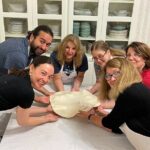
The small group size matters here. With up to 10 people, you get enough attention to keep moving and to fix mistakes before they snowball. It’s also less chaotic than larger “food tour” formats, and that makes it easier to focus on learning.
You can also read our reviews of more cooking classes in Budapest



Your menu choices: goulash, chicken paprikash, stuffed cabbage, Hortobágy-style crêpe
The menu is straightforward: you pick one dish to cook from four Hungarian favorites. All ingredients and kitchen tools are provided, so you’re not hunting for specialty paprika or missing a measuring spoon at the worst time.
Here are your options:
- Goulash soup (beef, celery)
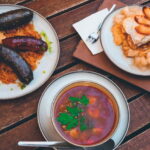
If you want the classic, spoonable Hungarian comfort food, goulash soup is the move. You’ll get to work with the flavors that make Hungarian goulash famous—hearty meat, warming seasonings, and a soup base you can learn to repeat.
- Chicken paprikash with small dumplings (dairy, egg, flour)
This is the most iconic “Hungarian home cooking” choice for many people. You’ll cook a creamy, paprika-forward chicken dish and add small dumplings, which is where technique matters. The dumpling part is great because you can take that method home and use it on other variations too.
- Stuffed cabbage (pork, dairy, egg)
Stuffed cabbage teaches patience. You’re working with flavors that develop through slow cooking and assembly-style prep. If you like meals that taste better the next day, this one fits that vibe.
- Savoury meat crêpe – Hortobágy style (dairy, egg, flour)
This option is for people who want something a bit different from the usual soup-and-stew rhythm. You’ll learn a savory crêpe approach and connect it to the Hortobágy style, which gives the lesson extra cultural texture.
Which should you choose? Pick based on what you want to be able to cook for friends later. If you want an impressive, teachable crowd-pleaser, go for chicken paprikash. If you want something hearty and straightforward for a home weeknight, goulash soup is usually the easiest to repeat. Stuffed cabbage is best if you like hands-on, slower meals. Hortobágy-style crêpe is for the “I want to learn something special” cook.
What happens during the 2.5 hours (and why it works)
The session lasts 2.5 hours, and it’s built around real progress. You start with preparation and ingredient work, then you cook, taste, and finish with a full meal. It’s not a rushed sprint, and it’s not a long lecture either.
Here’s the shape of the experience you can expect:
First, you’re welcomed into the kitchen and get going with the dish you selected. Since everything is provided—ingredients, tools, equipment—you can focus on learning technique rather than logistics. Marti’s guidance is hands-on: she’ll help you hit the right consistency, seasonings, and steps so the final dish matches what Hungarian home cooks expect.
As you cook, you also get cooking practice and tricks. That wording matters, because the goal isn’t only to finish your pot. It’s to learn the shortcuts and decision points that keep you from overcooking or under-seasoning later.
While food simmers, you’ll also enjoy Hungarian bites and drinks during the session. This keeps things sociable and gives you a chance to taste while you work, which makes the final meal more satisfying. It also helps you connect what you’re making with the flavors that belong on the same table.
Then, you eat what you cooked. The class includes a delicious homemade Hungarian dish, plus additional bites as part of the overall meal flow. You also get take-home recipes and kitchen tips so you can reproduce your results, not just remember the taste.
One small detail that makes a difference: you’re cooking in a compact studio kitchen. That means you’re close to the action. You’re not waiting for your turn in a distant classroom or line-style demo. You’re in it, right where the smells and textures are forming.
Hungarian bites, wine, and homemade drinks that set the tone
Food classes can turn into “just enough tasting” to keep you going. Here, you get proper enjoyment along the way. During the session, you’ll have Hungarian bites and drinks, not just water and vibes.
Drinks included are:
- Wine (white and/or red)
- Mineral water (still and/or sparkling)
- Two types of homemade soft drinks
This matters for your experience because it shifts the pace. You’re not stuck in cooking mode the whole time. You get pauses where you taste, chat, and compare notes on flavors you’re learning. It also turns the meal into something like a home dinner rather than a classroom exercise.
Marti also brings a solid wine knowledge to the table. People appreciate that she talks about Hungarian wine in a grounded way, tied to where she grew up in wine country. You’ll get enough context to understand what you like, even if you’re not a wine expert.
And yes, there’s a farmer’s plate included. You should expect additional bite-style food that supports the main dish. That helps if you want more than one flavor lane during your evening.
The cultural stories you’ll remember when you’re cooking later
Cooking classes are often heavy on recipes and light on meaning. This one treats food as part of daily life, not a museum display.
Marti shares stories about Hungarian customs, culture, and history while you cook. The point isn’t to overwhelm you with dates. The stories are tied to the dishes and the way people eat—seasonings, family routines, and why certain ingredients matter in a home kitchen.
There’s also a personal layer. Marti talks about Hungarian traditions and the Jewish community in the area, which gives the night more texture than a standard “this is paprika, this is soup” lesson. It comes across as lived knowledge rather than script.
This matters because food learning sticks better when you understand why it’s made the way it is. When you cook later, you’re not just guessing. You remember the reasoning behind the flavor.
If you’re visiting Budapest and want more than the big-ticket sights, this is a smart angle. You get a cultural education that happens on your cutting board and in your bowl, not just on a walking route.
A few more Budapest tours and experiences worth a look



Value check: why $104 can make sense for this kind of night
Let’s talk money in plain terms. $104 per person sounds like more than a casual meal. It is. But this class includes more than dinner.
You’re paying for:
- A professional chef guide (Marti) who teaches technique
- A hands-on session where you cook and not just watch
- All ingredients and kitchen equipment
- Wine and drinks plus homemade soft drinks
- Hungarian bites and a meal experience (including a farmer’s plate)
- Take-home recipes and practical kitchen tips
In other words, you’re not just buying food. You’re buying instruction and ingredients, which are the two biggest costs in cooking at home. Many people come to Budapest for restaurants and walk-away meals. This class gives you something that keeps paying you back after you return.
Is it “worth it” for you? If you like to cook, yes. If you don’t cook, it can still be fun as a food-and-culture evening, but the value gets thinner because the take-home recipes won’t matter as much.
Also, the small group size helps. With up to 10 participants, you’re more likely to get real teaching instead of a crowded, seat-and-hope format.
Who this cooking class suits best (and who might skip it)
This is ideal if:
- You want Hungarian home cooking, not only restaurant versions
- You enjoy cooking and want repeatable skills
- You like a smaller, more personal experience in central Budapest
- You want cultural stories tied directly to what you eat
It might be less ideal if:
- You want multiple full dishes in one sitting
- You prefer street-food wandering over staying in one kitchen
- You’re very sensitive to timing and prefer fast, casual experiences
One more fit note: the class can be a great date or couple option, but it’s also perfect solo. With the group size capped, you’ll still feel involved without being lost in a crowd.
If you have dietary needs, tell the host when you book. The class notes support for vegetarian, plus gluten-free, lactose-free, and nut allergy requests. The important word here is “just ask,” because you’ll want the chef to guide what can change while keeping the dish true.
Quick practical tips before you go
A few small things help you get the most out of the evening:
- Choose your dish based on repeatability, not only on what sounds tasty. You’ll be more motivated to cook it again at home if it matches your home cooking style.
- Be ready to taste while you cook. The session includes bites and drinks during the process, so it’s normal to nibble and sip as flavors develop.
- Save the recipes when you get them. Take-home recipes are part of the value, and having them makes the night more than a memory.
Should you book this Chef Marti class?
I’d recommend booking if you want a Budapest evening that mixes real cooking skill with genuine cultural context. You’re in a central studio kitchen, working in a small group, cooking one iconic Hungarian dish with professional guidance, and enjoying Hungarian bites and drinks along the way. The take-home recipes and kitchen tips are what turn this from a one-night activity into something you can use again and again.
If you’re on a tight schedule and only have time for a quick food stop, this may feel long. If you want variety across many dishes, you might prefer a market-and-tasting style experience. But if you’re the type who likes learning and eating at the same time, this is a very solid pick.
FAQ
How long is the cooking class in Budapest?
The class runs for 2.5 hours.
How many people are in the group?
It’s a small group, limited to 10 participants.
What Hungarian dishes can I choose to cook?
You can choose one of these: goulash soup, chicken paprikash with small dumplings, stuffed cabbage, or savoury meat crêpe (Hortobágy style).
What’s included with the meal and drinks?
You get Hungarian bites during the session, wine (white and/or red), mineral water (still and/or sparkling), and two types of homemade soft drinks.
Can the class accommodate dietary needs?
The class says dietary needs are possible: vegetarian, and requests like gluten-free, lactose-free, or nut allergy can be accommodated if you let the chef know.
Where do I meet for the experience?
The meeting point is Flavors of Budapest, Király u. 77, 1077 Hungary.