REVIEW · BUDAPEST
Chimney Cake Workshop Budapest Downtown – Kürtőskalács Class
Book on Viator →Operated by Hungarian Horizons · Bookable on Viator
Hungarian chimney cakes are pure street-food joy. This workshop makes the famous kürtőskalác feel doable, not mysterious, and you’ll actually roll and bake your own cakes right in the shop. What I like most is the hands-on pace and the fact you leave with three finished chimney cakes, plus a printed recipe and a certificate.
The session is short and practical, so you’re not getting a museum-style lecture. One possible drawback: it’s held in the shop area downstairs, and the class can feel a bit fast if you want lots of history or extra hangout time.
In This Review
- Key Takeaways Before You Go
- Finding the Kürtőskalác Workshop Under the Shop
- What Actually Happens During the 1 Hour 15 Minutes
- Kürtőskalác 101: Dough Handling and the Tricks That Make It
- Rolling in Cinnamon, Coconut, or Sugar (Yes, You Get Flavor Choice)
- Making Three Kürtőskalác: Where Skill Improves Fast
- The Shop Setup: Basement Classroom, Real Bakery Energy
- Coffee and a Quick Bite Afterward
- Price and Value: What $38.71 Buys You in Budapest
- Who Should Book This (And Who Might Want to Skip)
- Food Allergies: One Big Thing to Confirm Directly
- Should You Book This Chimney Cake Workshop?
- FAQ
- How long is the chimney cake workshop?
- Where do I meet the guide?
- Is the class offered in English?
- How many people are in the group?
- What will I make in the class?
- Do I get to choose toppings or flavors?
- What do I get to take home?
- Can I eat your chimney cakes onsite after the workshop?
- Is this workshop near public transportation?
- Is it suitable for children or babies?
- What should I do if I have a food allergy?
Key Takeaways Before You Go
- 3 cakes, real technique: you’ll make enough to test flavors and see improvement across batches.
- Choose your coatings: cinnamon, coconut, or sugar give you clear, different results.
- Take-away is built in: you’ll get paper bags, so you can stroll off with your pastries.
- Small-group feel: maximum 12 people makes it easier to get help when you need it.
- Downstairs workshop setup: it’s in the shop’s lower level, so plan for stairs and limited space.
Finding the Kürtőskalác Workshop Under the Shop

I like food workshops that start with zero fuss, and this one does. You meet at Kató Néni Finomságai Downtown Budapest at Október 6. u. 6 (1051). It’s a central spot, and the shop location is convenient if you’re also sightseeing around St. Stephen’s Basilica.
From the moment you arrive, it feels like you’re stepping into the real world of chimney cake making—not a demo kitchen far from the action. The organizers encourage you to come ready to participate, since you’re not allowed into the workshop area unless you booked.
The class runs about 1 hour 15 minutes, and that matters. It’s long enough to learn the process and finish your cakes, but it’s not the kind of experience where you settle in for a slow meal and chat for an extra hour. If you’re the type who likes quick, concrete instruction, this timing is your friend.
A few more Budapest tours and experiences worth a look


What Actually Happens During the 1 Hour 15 Minutes
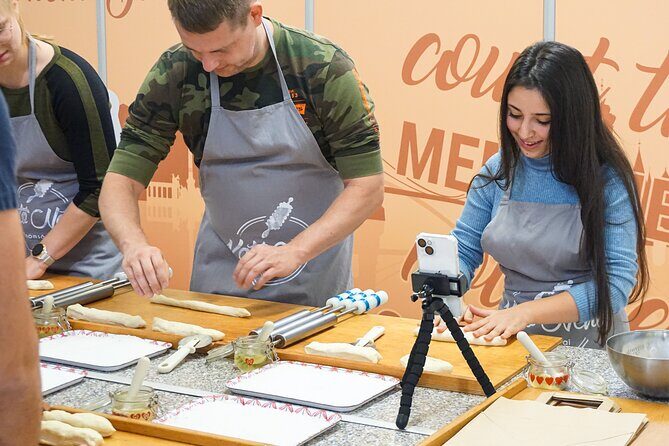
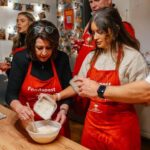
This isn’t just a “watch and taste” situation. You’re guided step by step by workshop leaders who have years of experience making Hungarian chimney cakes. The format is simple: you learn how the dough is handled, you practice the key steps, and you bake.
A helpful detail: you’ll be working with dough that’s already prepared for you. That keeps the class from turning into an all-day bread project and also helps the group stay on schedule. You’re not being set loose on raw ingredients without support; you’re being trained to do the technique correctly.
Here’s the flow you can expect:
- you meet and get instructions
- you work your way through the dough-handling steps
- you shape/prepare the chimney cakes for baking
- you bake your batch while others are working
- once your cakes are ready, you roll them into your chosen toppings
The pace is “do it now, learn as you go.” It’s fun, but it also means you should pay attention early, because the later steps build on the earlier ones.
Kürtőskalác 101: Dough Handling and the Tricks That Make It
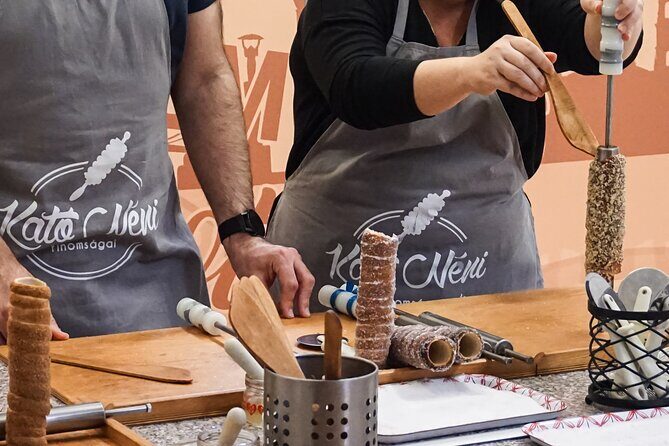
The workshop’s real value is teaching you what to do with the dough. Chimney cakes look easy online, but the magic is in the technique: how the dough is worked, how it’s placed, and how you get consistent results when you’re not doing it every day.
The leaders explain how the dough is made and how to work it, then they walk you through a traditional Hungarian chimney cake method. You’ll pick up practical “do this, not that” tips—exactly the kind you need if you want to try it again later at home.
One thing I appreciated is that the class doesn’t overload you with extras. There’s no unnecessary side quest. The focus stays on chimney cakes: how they’re formed, how the process works, and how to finish with the right texture and flavor.
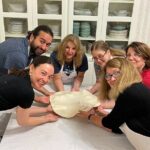
Also, the group stays small (maximum 12 travelers), which helps a lot. If you get stuck, you’re more likely to get direct attention rather than waiting for someone to loop back after helping the whole room.
Rolling in Cinnamon, Coconut, or Sugar (Yes, You Get Flavor Choice)
After your cakes are baked, you get to personalize them. This is one of the best parts of the experience because it turns your work into an experiment.
You can usually roll your cakes into:
- cinnamon
- coconut
- simple sugar
The effect is clear and immediate. Each topping changes the way the cake tastes and feels in your first bite. It’s also a smart way to compare outcomes across your three cakes—since you’ll be repeating the process and can choose different flavors for each one.
I also like that this isn’t an add-on upcharge situation. The flavors are part of the workshop plan, so you can focus on enjoying the steps instead of doing math in your head.
Making Three Kürtőskalác: Where Skill Improves Fast
You’ll make 3 kürtőskalác total. That’s not just more food to take home—it’s an advantage for learning.
With three cakes, you get:
- one learning attempt
- one correction attempt
- one “I’ve got this” attempt
If the first one isn’t perfect, you’re not left feeling like you wasted your time. You still have more cakes to apply what you just learned. Several people say their cakes improved as they went, and honestly, that makes sense in a short workshop. You don’t need to be a baker to get better quickly.
When the cakes are ready, you’re given paper bags so you can carry them away. That’s a huge convenience if you’re planning to keep moving around Budapest right after the class.
A few more Budapest tours and experiences worth a look


The Shop Setup: Basement Classroom, Real Bakery Energy
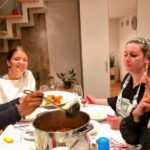
The workshop is located just under the chimney cake shop, in what the organizers call the kürtőskalác laboratory. Translation: it’s inside an actual shop environment, not a separate cooking school with soft lighting and comfy seating.
That can be a plus. You feel like you’re learning from people who do this every day. One review even describes the setup in the basement, with a staircase behind the counter that you go down for the workshop.
The practical consideration: the space is downstairs, and if you have mobility limitations, you’ll want to think through the stairs and standing time. One review notes there aren’t seats available for someone who can’t stand for the full hour, so don’t assume this is a “sit and watch” situation.
In addition, the shop is small and the class is structured, so it’s not set up for lingering after the workshop in a big group meal scenario. If you want a relaxed sit-down moment, you’ll probably do that afterward at your own pace.
Coffee and a Quick Bite Afterward
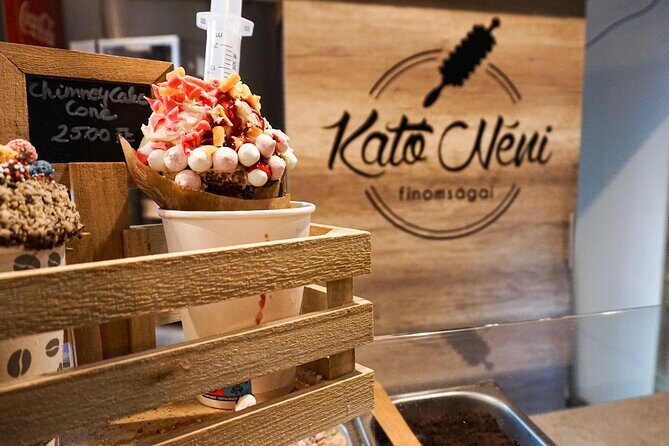
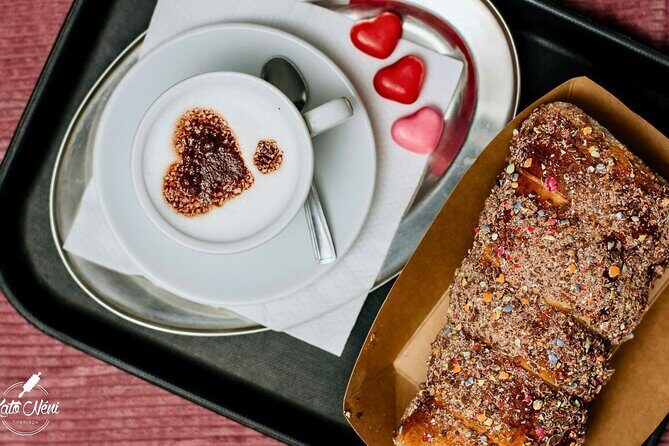
After you finish, you can order coffee or tea and enjoy your kürtőskalác at the shop tables. This is a simple “endcap” that helps the experience feel complete.
It’s also a nice moment to compare your three cakes. You can take a bite of each topping and decide which coating you actually like best. Cinnamon fans often have a clear preference, but coconut and sugar can surprise you depending on how the coatings toast.
Price and Value: What $38.71 Buys You in Budapest
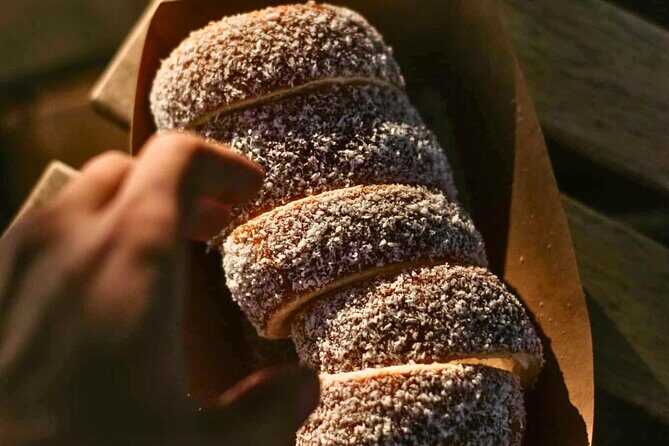
At $38.71 per person, this workshop sits in the “reasonable for a hands-on class” range rather than the “cheap snack activity” category. Here’s why I think it’s good value—when it works smoothly:
- You make three cakes, not one.
- You learn the process step-by-step, not just how they taste.
- You receive a printed recipe and a certificate, which helps you recreate it later.
- The workshop is small-group, so instruction is more personal than big tours.
But there’s also a value trade-off. Because the experience is tightly timed, you’re not paying for a long story hour. If you go in hoping for a deep dive into the cultural history of chimney cakes and lots of extra tasting options, you might feel the session is too fast.
At the same time, the short format can be a benefit. You get a satisfying, productive food activity without spending half a day stuck indoors.
Who Should Book This (And Who Might Want to Skip)
This workshop is best for:
- people who want a practical cooking skill, not just a snack
- groups of friends who like making something together
- anyone who’s already eaten chimney cakes in Budapest and wants to understand how they’re done
It’s also a solid fit for travelers who like structure. The process is organized, and the class keeps moving so you’ll likely finish without feeling dragged.
I’d think twice if:
- you’re traveling with very young kids (the workshop is not recommended for babies and not recommended for children under 7)
- you need lots of seating or a very gentle pace due to the downstairs setup
- you’re expecting a long, history-heavy lesson, because the focus is on doing the craft
Food Allergies: One Big Thing to Confirm Directly
If you have food allergies, don’t treat this as a “safe by default” situation. One participant with a nut allergy reports that staff told them to inform the chef on arrival, but there was also uncertainty about how safe it was to consume products. In other words: allergy handling can vary, and you should ask hard questions.
My advice: if you have an allergy, plan to clearly tell the chef at the start and ask what you can safely eat. Even if you only participate in the making portion, you need clear guidance on whether the final product is safe for you to consume.
Should You Book This Chimney Cake Workshop?
Book it if you want a fun, hands-on way to learn Hungarian street-food baking in a compact session. The core payoff is strong: you make three kürtőskalác, roll them in cinnamon/coconut/sugar, and take them away in paper bags with a recipe sheet and certificate.
Skip it or rethink it if you need a long sit-down class, lots of downtime, or a very low-stress environment with seating and minimal movement. Also, if allergies are a concern, you’ll want to confirm details directly with staff.
If your goal is skill plus delicious results—this is one of the most straightforward ways to get both in central Budapest.
FAQ
How long is the chimney cake workshop?
It’s about 1 hour 15 minutes (approx.).
Where do I meet the guide?
Meet at Kató Néni Finomságai Downtown Budapest, Október 6. u. 6, 1051 Hungary.
Is the class offered in English?
Yes. The workshop is offered in English.
How many people are in the group?
The class has a maximum of 12 travelers.
What will I make in the class?
You’ll make 3 chimney cakes (kürtőskalác) and have them baked during the workshop.
Do I get to choose toppings or flavors?
Yes. You can roll your cakes in flavors such as cinnamon, coconut, or sugar.
What do I get to take home?
You’ll receive paper bags to take your chimney cakes away, along with a printed recipe and a certificate.
Can I eat your chimney cakes onsite after the workshop?
Yes. You can order coffee or tea and enjoy your kürtőskalác at the shop tables.
Is this workshop near public transportation?
Yes, it’s near public transportation.
Is it suitable for children or babies?
It’s not recommended for families with babies (there’s no secure place to leave the baby) and not recommended for kids under 7 years.
What should I do if I have a food allergy?
You should inform the chef when you arrive and ask what’s safe. Allergy safety details may not be straightforward, so get clear answers before eating anything.