REVIEW · BUDAPEST
Budapest Great Market Hall Chef‑Led Private Tasting Tour
Book on Viator →Bookable on Viator
A market tour beats museum time when you want to eat like locals. This one pairs a former chef guide with real tastings at Budapest’s Central Market Hall, plus explanations that make Hungarian ingredients click fast. I love the hands-on food sampling and the way the guide turns everyday items into stories you can actually remember. One thing to consider: since tastings include items like meats, dairy, and pastries, you’ll want to think ahead if you have strict dietary needs.
You’ll walk at a relaxed pace through sections where locals shop for produce, cured meats, spices, pastries, and pantry staples. You’ll also get plenty of room to ask questions, because this is private and not scripted. The result is simple: you leave knowing what you just ate, what it’s used for, and why it matters in Hungarian daily life.
In This Review
- Market Hall First: Where Hungarian Food Lives
- Why the Central Market Hall stop works
- Tastings That Teach: Langos, Strudel, Turo Rudi, and More
- The real value of taste + explanation
- How the Paprika and Cured-Meat Stories Fit Together
- Palinka Option: Alcohol That Isn’t Just a Side Note
- Private, Chef-Led, and Pacing-First
- It Feels Like a Morning Errand, Not a Staged Performance
- Price and Value: What $78.60 Buys You Here
- Who Should Book This Market Hall Tasting Tour?
- Should You Book It? My Practical Take
- FAQ
- How long is the Budapest Great Market Hall Chef-Led Private Tasting Tour?
- Where does the tour start and end?
- What language is the tour offered in?
- What’s included in the tasting?
- What does the sample menu include?
- Is this tour private?
- Do I need to arrange transportation?
- Is a mobile ticket used?
- Is there free cancellation?
Market Hall First: Where Hungarian Food Lives
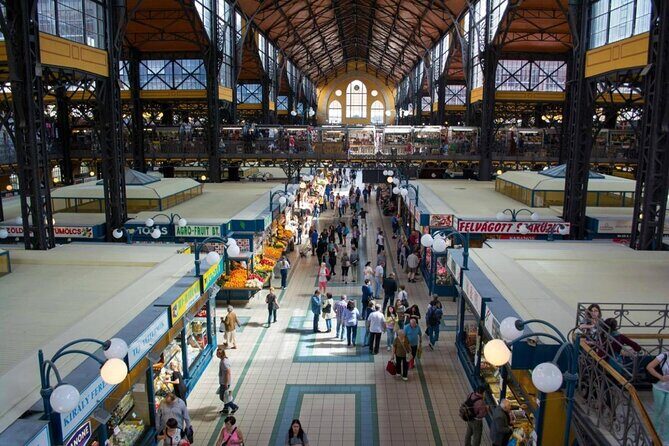
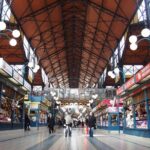
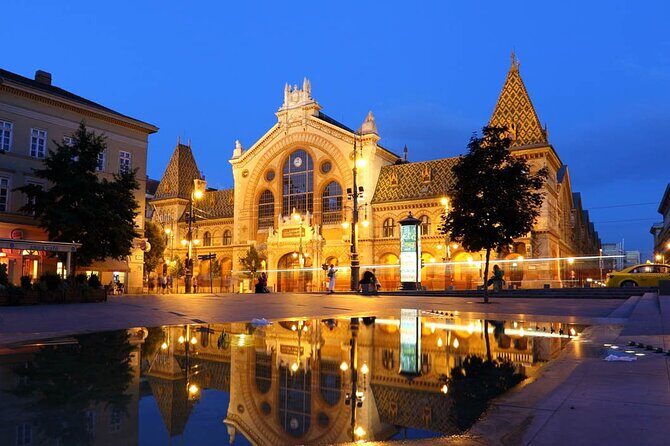
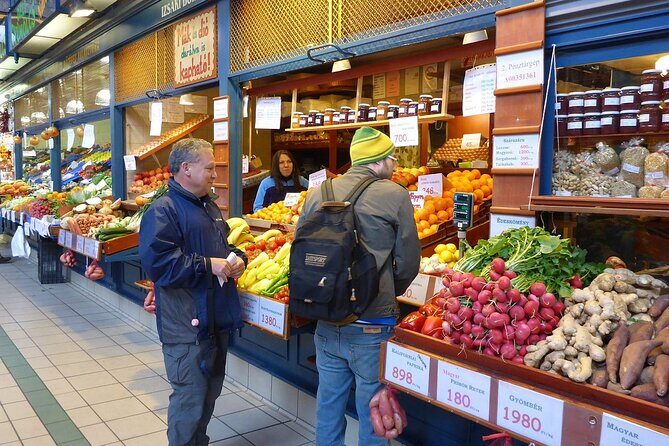
Central Market Hall is the kind of place that looks like a landmark from the outside and feels practical on the inside. It’s not about fancy tasting menus. It’s about the ingredients Hungarians reach for again and again, from breakfast to holiday spreads.
Here’s what this chef-led format does for you. You don’t just see paprika towers and cured meat displays. You learn what those things are for, what makes them different, and how to read the labels and case signs without feeling lost. A lot of food travel goes wrong when you only get one perspective. This tour keeps the focus where it should be: at the stalls, with context as you go.
Why the Central Market Hall stop works
The tour’s entire time is spent at Central Market Hall, so you’re not bouncing around town. In about two hours, you can cover more ground than most people manage in an hour of wandering. You also get bottled water during the walk, which helps when you’re tasting several items back-to-back.
And because it’s private, your pace is the pace. If you want to spend extra time looking at pickles or asking about spices, you can. If you’d rather keep it moving and focus on sweets, you can do that too.
You can also read our reviews of more food & drink experiences in Budapest
Tastings That Teach: Langos, Strudel, Turo Rudi, and More
This is a tasting tour, not a snack parade that leaves you with food crumbs and zero understanding. Each stop in the market comes with samples, and the guide explains what you’re eating and how Hungarians typically use those ingredients.
Your tasting menu includes items like these:
- Langos: deep-fried bread dough topped with sour cream and cheese
This is one of those foods that makes sense immediately. Crispy outside, soft inside, and the toppings do the heavy lifting. It’s also a good intro to why Hungarians love tangy dairy and bold flavors.
- Strudel: phyllo baked fresh on premises, with choice of filling based on what’s available
Strudel is a pastry lesson. Phyllo isn’t just dough here—it’s technique. When the filling choice depends on availability, you learn that the market drives what’s possible that day, not some fixed menu.
- Turo Rudi: cottage cheese with a hint of lemon, covered in dark chocolate
Sweet and savory-adjacent at the same time. It’s the kind of combo that sounds odd until you taste it and realize Hungarians are good at balancing flavors.
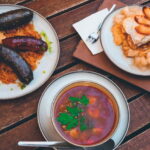
- Cured sausages
Not just one type, but a variety. You’ll get a sense for how cured meats show up in everyday meals and gatherings.
- Konyakmeggy: dark chocolate filled Cognac and sour cherry
This one is pure Hungarian dessert storytelling. The sour cherry keeps it from becoming flat sweetness, and the chocolate wraps it all up.
- Pogácsa (savory scone/biscuit): cheese, potato, and pork crackling versions
Great for understanding comfort-food shapes. Also, it helps you see how savory baked goods fit into a culture that likes hearty snacks.
- Pork crackling
Crunch teaches you fast. If you’ve never had it, it’s a perfect “what is this and why do people love it” moment.
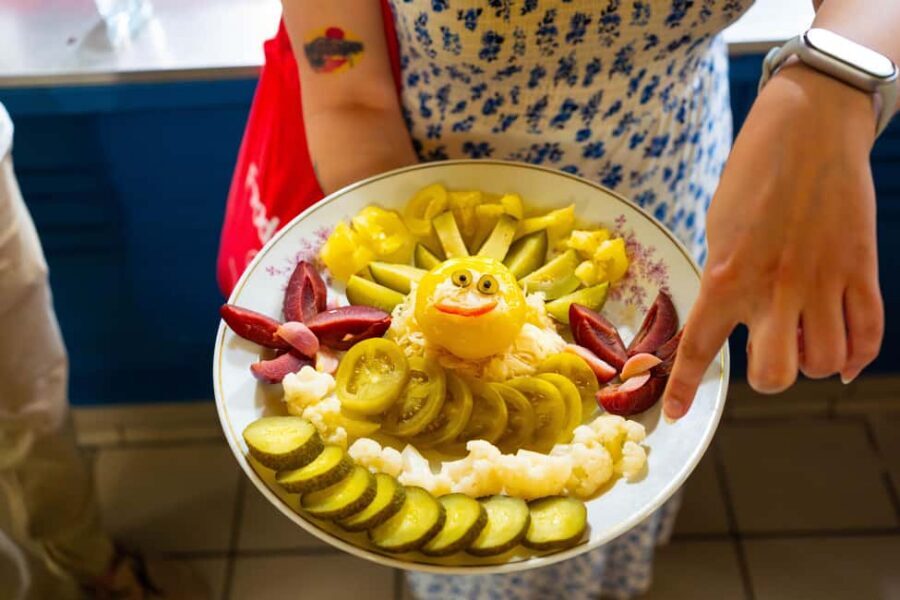
- Assortment of pickles
Pickles are a bridge between market shopping and actual eating habits. They show up alongside meats, sandwiches, and longer meals in a way that feels practical, not fancy.
The real value of taste + explanation
Food tastings can be fun and still be useless if you don’t understand what you just ate. Here, the tastings come with practical explanation: what ingredients do, how dishes developed, and how to make sense of items that might look unfamiliar on your first visit. That’s why people walk away feeling they learned something they can reuse.
How the Paprika and Cured-Meat Stories Fit Together
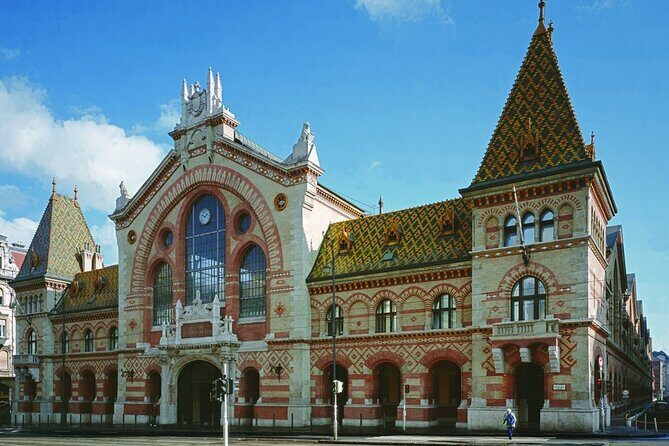
One of the best parts of this tour is the way it turns ingredient shopping into a cultural map. Hungarian food isn’t random. It’s built from choices that make sense with local agriculture, regional tastes, and history.
You’ll hear explanations about things like the paprika story—why it became so central and how it shows up in everyday cooking patterns. Even if you already know paprika exists, you’ll likely learn how to think about it: not just as a powder, but as an ingredient with a backstory and a job.
The tour also helps you interpret the market’s everyday items. If you see cured meats, spiced products, or pantry staples and think, I have no idea where this goes in a meal, that’s exactly the problem the guide is there to solve. You get clear, real-world examples, so the market stops feeling like a maze of unknowns.
And you’ll get to ask questions, which matters because markets are full of small details. Why one pickle looks different from another. Why one sausage has a certain character. Why a pastry is shaped this way. These are the questions that make your next meal smarter.
Palinka Option: Alcohol That Isn’t Just a Side Note
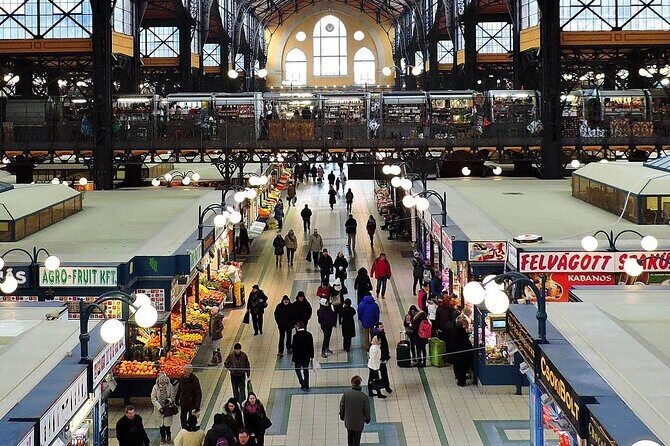
You may also get an optional alcoholic drink: a shot of homemade palinka. Palinka is one of those Hungarian staples that people talk about a lot, so it’s nice to have it framed simply, rather than as an afterthought.
Two practical tips here:
- If you take the shot, keep it as a small taste, not a full pour. You’re walking and sampling several foods over the next couple of hours.
- If you’d rather skip alcohol, you still get the same food tastings and the same market education. The guide’s focus is the ingredients and the market culture.
You can also read our reviews of more private tours in Budapest






Private, Chef-Led, and Pacing-First
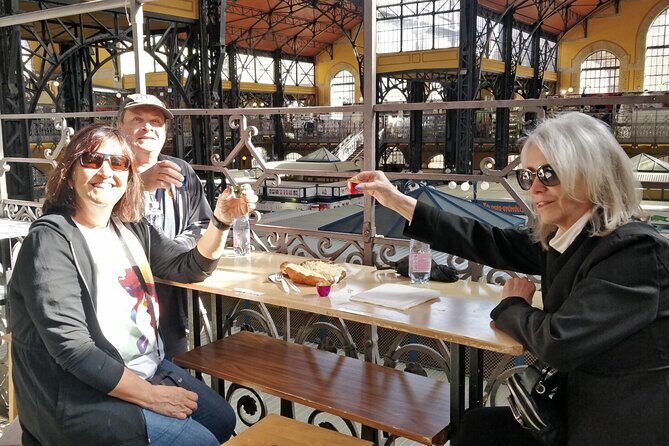
This is a private experience, meaning only your group participates. That changes everything about how the tour feels. You’re not waiting for a crowd. You’re not watching someone else take up the question time. You can ask what you actually want to know and adjust the tempo to your own comfort.
The guide is a local former chef with perfect English. In the feedback I’m seeing, the guide is often identified as Andrew, which lines up with the same vibe: friendly, sharp, and very comfortable explaining both food and the history behind it. You should expect a guide who talks like a person, not like a scriptwriter.
One more practical angle: a tour like this is also useful if you want help shopping for take-home items. The guide can point you toward options like paprika for gifts and offer tips for choosing what’s worth buying. Even if you’re only going to take home a small bag of spices, you’ll feel more confident doing it.
It Feels Like a Morning Errand, Not a Staged Performance
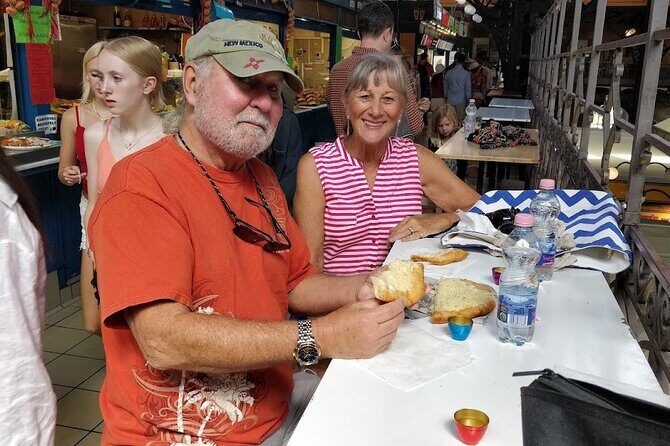
This tour starts at 9:00 am and runs about 2 hours. It ends back at the meeting point, so you don’t need to plan a second arrival spot or coordinate your day around a transfer.
That timing matters. Morning is when market energy is easier to handle, and you can taste without feeling rushed. Also, if you’re using the rest of the day for sights, you’ll still feel mobile and focused afterward.
Transport to and from the market isn’t included, so plan your route like you would for any Central Market visit. The site is near public transportation, which helps. Also, you’ll use a mobile ticket, which means less ticket-hunting and fewer last-minute hassles.
Price and Value: What $78.60 Buys You Here
At $78.60 per person, this isn’t the cheapest way to eat in Budapest. But it also isn’t overpriced for what you get.
You’re paying for:
- A private chef-led guide who can explain ingredients and cooking context while you walk
- Food tastings (multiple savory and sweet items, not just one sample)
- Bottled water
- Optional palinka (if you want it)
The big value isn’t the number of bites. It’s the translation. You’re learning how to shop and how to cook with Hungarian staples. That can save you money later because you’ll know what to look for and what to skip when buying souvenirs like paprika or other market goods.
If you’ve ever bought a food gift overseas and realized later you chose badly, this format helps prevent that. The guide can guide you toward better options and even help you avoid questionable purchases.
Who Should Book This Market Hall Tasting Tour?
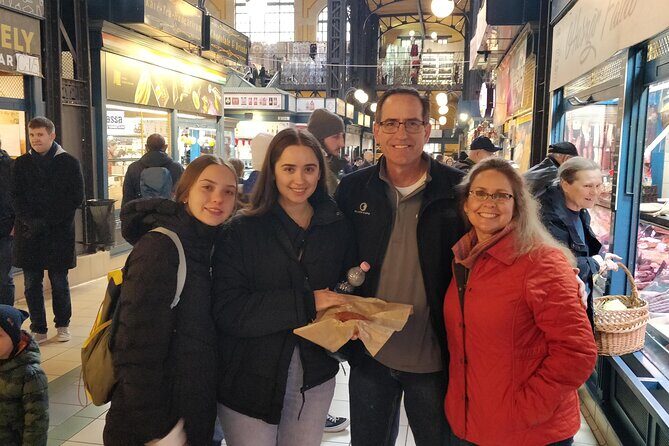
This tour is a strong fit if you:
- Want a food-and-culture experience in about two hours
- Like eating while learning, not learning while eating around you
- Want a guide to help you navigate cured meats, pastries, pickles, and spices you might not recognize
- Prefer a private pace so you can ask questions
You might want to think twice (or message the operator ahead) if you have strict dietary restrictions, since the tastings include items like cured sausages, pork crackling, sour cream/cheese, and chocolate desserts with Cognac.
Should You Book It? My Practical Take
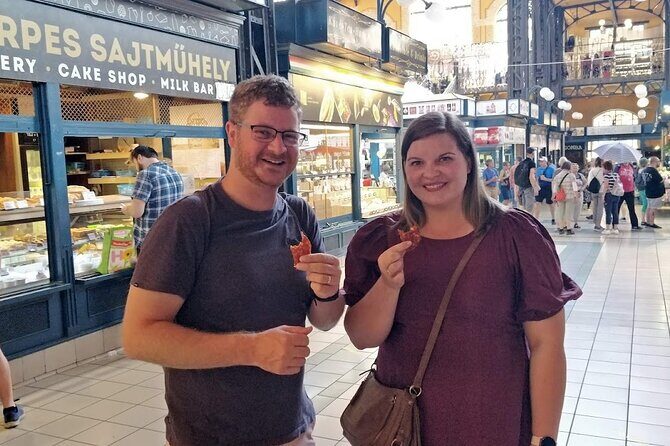
Book it if you want Budapest food that feels real, not packaged. A chef-led market walk is one of the fastest ways to understand Hungarian ingredients without needing a cookbook and three evenings of research.
Skip it only if you’re mainly interested in long sightseeing stops. This is a market experience first. It’s about learning what people actually buy and eat, then tasting your way through that logic.
If you’re already planning a visit to Central Market Hall, doing it with a guide is the difference between browsing and understanding. You’ll leave with a clearer sense of what to buy, what to try next, and how Hungarian flavors connect to daily life.
FAQ
How long is the Budapest Great Market Hall Chef-Led Private Tasting Tour?
It lasts about 2 hours.
Where does the tour start and end?
The tour starts and ends back at Central Market Hall, 1093 Budapest, Hungary.
What language is the tour offered in?
The tour is offered in English.
What’s included in the tasting?
Food tastings are included, along with bottled water. Alcohol is optional with a shot of homemade palinka.
What does the sample menu include?
The tastings include items such as langos, strudel, turo rudi, cured sausages, konyakmeggy, pogácsa, pork crackling, and an assortment of pickles.
Is this tour private?
Yes. It’s a private experience, and only your group will participate.
Do I need to arrange transportation?
Transportation to and from the market is not included.
Is a mobile ticket used?
Yes, the tour uses a mobile ticket.
Is there free cancellation?
Yes. Free cancellation is available up to 24 hours in advance for a full refund.