REVIEW · BUDAPEST
Communist History Evening Walking Tour of Budapest
Book on Viator →Operated by Perfect European Tours - Budapest FREE Walking Tours. · Bookable on Viator
Communism shows up in small details. This 2-hour evening walk through Budapest turns familiar streets into a clear story about communist rule and its afterlife. You’ll move through key landmarks with a guide who explains not just what happened, but what changed in daily life.
I especially like two things: the way the guide connects ideology to visible places (churches, squares, government buildings), and the practical setup for an easy-going walk—bottled water included and a maximum group size of 15. Even the tour’s structure feels thought out for seeing the city on foot without dragging you around for hours.
One consideration: the subject matter isn’t light. You’ll hear about bloody protests and the 1956 uprising, so if you prefer only cheerful sightseeing, this tour may feel intense rather than relaxing.
In This Review
- Key things to look forward to
- Why 6:00 pm makes sense for Budapest’s communist story
- Start at Blaha Lujza tér, then find the city’s political spine
- Andrassy Avenue: where “city looks” meet “city politics”
- St. Stephen’s Basilica: religion under communism, plus a football twist
- Liberty Square: the closed stock exchange and protests that turned bloody
- Hungarian Parliament: 1956 isn’t an idea here
- Price and logistics: what $36.01 really buys you
- Who leads this tour, and why the tone matters
- What you’ll feel on the ground: heavy theme, human details
- Mobility, weather, and how to prep for a smooth 3 km evening walk
- Pair it with something darker or lighter—depending on your mood
- Should you book this Budapest communist walking tour?
- FAQ
- How long is the Communist History Evening Walking Tour of Budapest?
- How much does the tour cost?
- What time does the tour start, and where does it end?
- Is the tour offered in English?
- Is bottled water included?
- What walking distance should I be prepared for?
- Are there admission fees for the stops?
Key things to look forward to
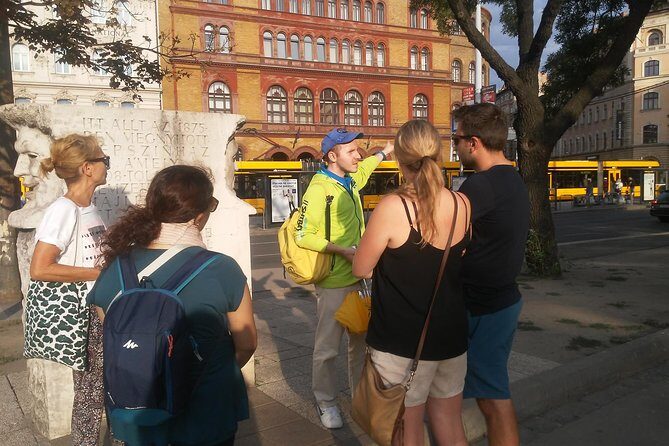
- Small-group attention with room to ask questions
- Night-time pacing that helps you cover ground without rushing
- St. Stephen’s Basilica storylines that connect faith, politics, and one surprising football detail
- Liberty Square context where economic power shifted and street protests turned deadly
- Parliament Square tied to 1956, with the communist showdown made real
- Bottled water included, plus a manageable 3 km walk requirement
Why 6:00 pm makes sense for Budapest’s communist story
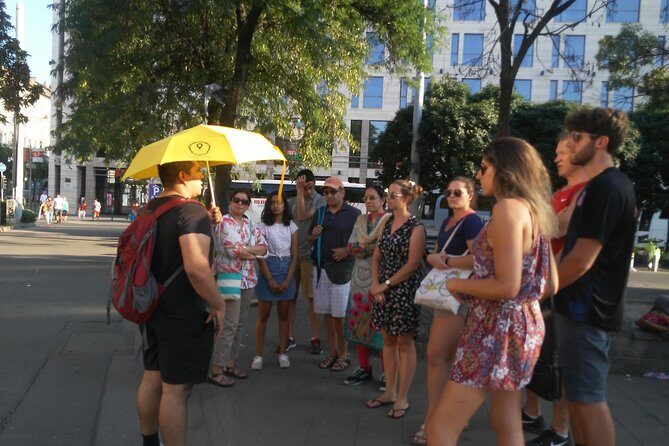
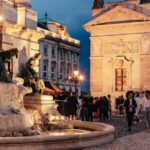
This tour starts at 6:00 pm, and that timing is a big part of its charm. Budapest’s main sights look good in daylight, sure—but at dusk you’re more likely to slow down. You can actually take in the buildings while your guide is explaining how the communist era reshaped the city.
The format also helps you learn. Instead of jumping between rooms like a museum marathon, you get a moving timeline. You’re walking along the city’s spine—Andrassy Avenue and then into central landmark areas—so the story lands as something urban and real, not just a set of dates.
If you like your history with context—how politics affected daily habits, public spaces, and even religion—this evening setup tends to work well. It’s also only about 2 hours, so you still have time for dinner afterward without feeling like you lost your whole day.
You can also read our reviews of more walking tours in Budapest
Start at Blaha Lujza tér, then find the city’s political spine
The meeting point is Budapest, Blaha Lujza tér (1085 Hungary), and the tour ends near Kossuth Lajos tér (1055 Hungary), by Parliament Square. The route is built for you to get your bearings fast. You start in a central area with good public-transport access, then move into the grand, formal avenues and squares where history shows up in architecture.
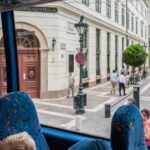
One early highlight is the walk along Andrassy Avenue. This is where the guide lays out the “before and after” idea: how areas changed, and what happened to former monuments. Even if you’ve passed these streets on your own, this section can give you a framework. You start noticing what’s been repurposed, what’s been reinterpreted, and what kind of message a place is meant to send.
At the practical level, the tour is active but manageable. You’ll need to walk (or wheel) yourself about 3 km. That’s a common distance for a city walking tour, but it still matters. Wear proper shoes, and plan for a steady pace rather than sprinting for photos.
Andrassy Avenue: where “city looks” meet “city politics”
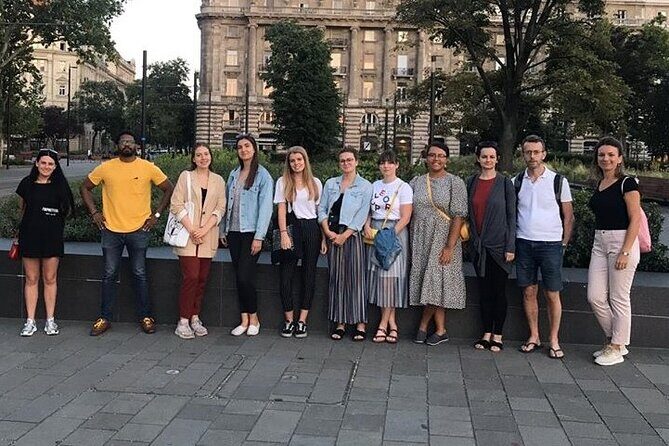
The Andrassy Avenue segment is the tour’s warm-up, but it’s not fluff. When a guide points out shifts in the built environment—changes to areas and former monuments—you start seeing how power likes to advertise itself. Communist governments did not only control institutions. They also controlled the story the city told.
This matters because Budapest isn’t just “pretty buildings.” It’s layered. The guide’s job here is to help you read those layers without needing a textbook open on your phone.
You’ll also get a good sense of scale. Budapest’s central boulevards can feel big and imposing, and that’s part of the point. When you later hear about protests and political struggle, you’ll better understand how public space becomes a stage.
St. Stephen’s Basilica: religion under communism, plus a football twist
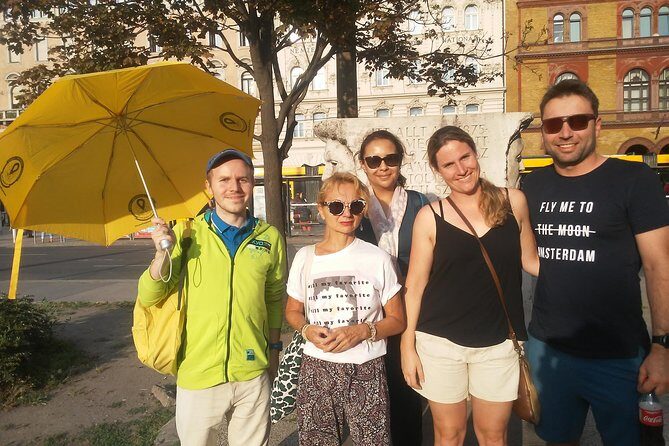
Stop 1 is St. Stephen’s Basilica (Szent Istvan Bazilika), and it’s listed as free admission. This is one of the most striking buildings you’ll encounter on the walk, which makes it a smart place to start the story about religion and communist pressure.
The tour focuses on how Hungarian communism impacted the church and religion. You’re not just looking at marble and domes—you’re being asked to connect the building to what it represented, and how political control can target belief.
What makes this stop memorable is the guide’s inclusion of a surprising cultural detail: the mention of a famous Hungarian football player who fled the communist system and later ended up buried at the basilica. It’s the kind of human story that turns a political topic into something you can actually picture. You can almost see how personal choices and public institutions collide in the same place.
Tip for you: when you’re at the basilica, pay attention to why the guide calls out certain themes. The goal is not to memorize facts. It’s to leave with a sense of how religion survived and adapted in an era built to control society.
Liberty Square: the closed stock exchange and protests that turned bloody
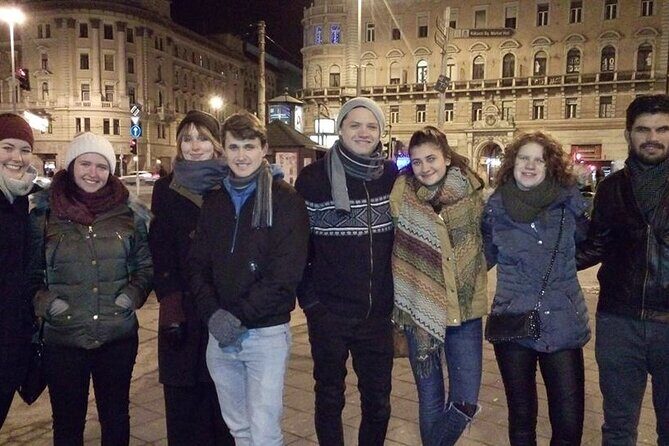
Next is Liberty Square. Like the basilica, it’s marked as free admission. This stop is where the tour leans hard into how communism changed power—especially economic power and public dissent.
The guide explains that the stock exchange was located here and that it shut down at the start of communism. That detail hits harder than it sounds. It’s not only about ideology or leaders. It’s about systems—trade, investment, and the everyday mechanics of how a city functions.
Liberty Square is also tied to protests. The tour highlights that it became a site of many bloody protests. So while you’re looking at a recognizable square, you’re also being guided through a darker meaning behind the open space.
Practical advice: this is a good moment to let your brain slow down. Squares like this are easy to treat like photo stops. With the guide’s framing, you’ll notice the square as a place where crowds could form—and where the state’s response mattered.
If you prefer your history clean and tidy, this is where you’ll feel the edges of reality.
You can also read our reviews of more historical tours in Budapest



Hungarian Parliament: 1956 isn’t an idea here
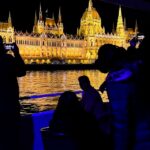
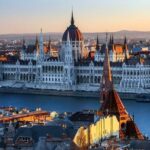
Stop 3 is the Hungarian Parliament Building area. It’s also listed as free admission for the tour stop. This is the most direct emotional anchor of the whole experience.
The guide connects the site to the 1956 uprising against the ruling communist party, including mention of considerable bloodshed. Even if you’ve heard of 1956 before, hearing it tied to this specific place helps the story feel less like a lesson and more like something that happened to real streets and real people.
This is also where your earlier walking context pays off. The tour started with changes along Andrássy Avenue and the re-shaped city message. Then it moved into religious impact and economic shutdowns. By the time you reach Parliament, the pieces connect: institutions, belief, public order, resistance.
Worth noting for you: because the topic is intense, your guide’s tone and pace matter. The guide’s ability to keep explanations clear—especially in English—can make the difference between “information dump” and a story that sticks.
Price and logistics: what $36.01 really buys you
The price is $36.01 per person for about 2 hours. That’s not “cheap,” but it can be fair value for a guided walking tour built around a specialized theme.
Here’s why. You’re paying mainly for the guide’s time and expertise. And crucially, the stops listed on the route are marked as free of admission. So you’re not stacking museum fees on top. You’re funding the storytelling and the city reading.
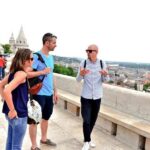
Also, you’re not doing this solo. The group size caps at 15 travelers, which usually means you can actually ask questions and get answers without feeling lost in a crowd.
The tour includes bottled water, which sounds minor until you’re halfway into an evening walk and you’re grateful you don’t have to track down a shop. You’ll also get a mobile ticket, so the whole process stays lightweight.
If you’re budget-minded, compare this to longer tours that cost more but don’t give you much more. This one stays short, focused, and landable.
Who leads this tour, and why the tone matters
English language is offered, and the experience is run by Perfect European Tours – Budapest FREE Walking Tours. Based on the guide details you’ll likely encounter, you’ll want to pay attention to the “professor energy.”
One guide named Victoria is described as having a university-level teaching background and bringing lots of detail and stories about present-day Budapest, not just historical facts. That kind of framing helps you connect past events to what Hungary looks like now.
Another plus that matters on a tour like this: humor and clear speech. When a guide can explain heavy topics without turning them into lectures, you stay engaged. And because this walk happens in the evening with lots of moving parts, clarity isn’t optional.
What you’ll feel on the ground: heavy theme, human details
This is a walking history tour, but it’s not neutral in tone. The communist period in Hungary includes resistance, repression, and real violence. You’ll hear about bloody protests and the 1956 uprising. You’ll also hear about how communism impacted religion and social life.
The upside is that the tour doesn’t treat politics like a distant chapter. It ties the topic to recognizable, walkable places. You’re learning how systems affect everyday culture—whether that’s the church, public squares, or institutions of power.
The human details are what make it work. That football player buried at St. Stephen’s Basilica is one example of how the guide turns policy into something personal. Another example is the way Liberty Square is explained not just as a landmark, but as a place where economic control and public anger collided.
Just be aware of the emotional weight. This tour is best for you if you like history that doesn’t sugarcoat.
Mobility, weather, and how to prep for a smooth 3 km evening walk
The requirement is simple: you must be able to walk (or wheel) yourself about 3 km. So plan on steady, comfortable movement. Bring good shoes. Budapest evenings can be chilly depending on the season, and the tour is weather-dependent.
The tour needs good weather, and if it’s canceled due to poor weather, you’ll be offered a different date or a full refund. So it’s a smart idea to keep an eye on conditions the same day, especially if you’re also doing other outdoor plans.
Bottled water is included, but I still suggest bringing your own small backup if you tend to run thirsty—old habits die hard. The tour is only around 2 hours, so you’re unlikely to overheat, but hydration always helps your brain absorb the story.
Service animals are allowed, and the tour is near public transportation. That’s useful if your evening schedule is flexible or you want to jump on transit quickly after Parliament Square.
Pair it with something darker or lighter—depending on your mood
If this topic hooks you, you might want to keep going in the same direction. One suggestion tied to the theme is the Museum of Terror. If you’re the type who wants specific stories and deeper detail after hearing the big picture on a walk, that museum pairing can make sense.
On the other hand, if you’d rather keep the rest of your night light, you can do exactly that. The walk ends at Parliament Square area, which is central enough to help you shift gears quickly—grab dinner, stroll casually, or just decompress.
The key is to match follow-up plans to your energy. This is a focused, sometimes heavy walk. It works best when you give yourself an easy landing afterward.
Should you book this Budapest communist walking tour?
Book it if you want history you can see in Budapest. I think it’s a strong choice for anyone who likes political history explained through places, not just dates. You’ll get a clear walkable route that includes Andrassy Avenue, St. Stephen’s Basilica, Liberty Square, and Parliament area, with a guide who connects the communist era to present-day life.
Skip it if you hate uncomfortable topics. This tour doesn’t avoid the darker side—protests, bloodshed, and the strain on institutions. If you want only cheerful architecture photos and nothing heavy, you’ll probably feel out of place.
One more deciding tip: if you value small-group interaction, this one fits. The cap of 15 means you’re less likely to feel invisible.
If your schedule allows, this is one of the best ways to understand Budapest beyond postcards—by walking through the city’s political memory, step by step.
FAQ
How long is the Communist History Evening Walking Tour of Budapest?
It’s about 2 hours.
How much does the tour cost?
The price is $36.01 per person.
What time does the tour start, and where does it end?
It starts at 6:00 pm. It ends at Kossuth Lajos tér 1-3, 1055 Hungary, near Kossuth (red line) metro station or tram 2.
Is the tour offered in English?
Yes, it’s offered in English.
Is bottled water included?
Yes. Bottled water is included.
What walking distance should I be prepared for?
You must be able to walk (or wheel) yourself about 3 km.
Are there admission fees for the stops?
The stops described are marked as admission free, including St. Stephen’s Basilica, Liberty Square, and the Hungarian Parliament Building area.