REVIEW · BUDAPEST
Budapest: Stretch & Bake Hungarian Strudel with Two Fillings
Book on GetYourGuide →Operated by Cooking Hungary - Culinary Experiences · Bookable on GetYourGuide
Strudel is more work than it looks. In Budapest, I love the hands-on stretching with chef Marta, and I love that you’re not just making dessert—you’re learning the Hungarian wedding-table traditions behind it. One thing to factor in: it’s in a private apartment and there’s no hotel pickup, so you’ll need to get yourself to Király u. 77, 1077.
You’ll make two different strudels from start to finish in about 2.5 hours, then sit down and eat what you baked. The group stays small, and the chef teaches in English, which makes the technique easier to follow. The main drawback is that it’s not set up for kids under 10, so plan accordingly.
In This Review
- Key things to know before you stretch the dough
- Budapest strudel isn’t just dessert, it’s food culture
- The private apartment setup: why Király u. 77 feels local
- The dough story the chef shares before you touch it
- Stretching the pastry: the real skill you’ll remember
- Choosing fillings: two strudels, two ways to taste Hungary
- Baking and tasting: when the kitchen turns into a meal
- What you take home: family recipes that actually help
- Value and price: is $93 per person worth it?
- Should you book this Budapest strudel class?
- FAQ
- How long is the Budapest strudel class?
- How much does the experience cost?
- Where do I meet for the class?
- How many people are in the group?
- Is there a minimum number of participants required?
- How many strudels will I make?
- What kinds of fillings can I expect?
- What’s included for drinks and food?
- Is hotel pickup included?
- Is the class suitable for children?
Key things to know before you stretch the dough
- Small-group class in a private apartment near the center of Budapest (Király u. 77)
- Two strudels, two fillings baked and eaten together
- Chef-led technique focused on stretching thin, elastic dough the traditional way
- Cultural context included: where strudel fits in Hungarian and Habsburg-era food history
- Included tastings and drinks like Hungarian wine, snacks, coffee, mineral water
- Family recipes to take home so you can practice after you get back
Budapest strudel isn’t just dessert, it’s food culture
Strudel has a way of showing up wherever Hungarian food gets serious—family gatherings, countryside wedding dinners, and the kind of “we make it this way because that’s how it’s done” cooking that doesn’t need a marketing team. In this class, you’re not asked to treat strudel like a trendy pastry. You learn it as a transfer-of-technique story: stretched dough, rolled thin, filled, baked, and served as a proper event.
The chef also connects the dish to the wider region’s history, including the Turkish influence in Hungary and the way strudel became a known dessert in the Habsburg-era food world. That matters because it helps you understand why the dough technique is treated like a skill, not a shortcut. When you’re stretching pastry by hand, you start to get what people mean when they say the dough should feel elastic and forgiving.
I also like that the class links strudel to everyday Hungarian eating. While you’re waiting for the oven, you’ll taste other typical Hungarian bites, not just stand around watching dough become dinner.
You can also read our reviews of more tours and experiences in Budapest.



The private apartment setup: why Király u. 77 feels local

This class meets in a private apartment in central Budapest, not in a big commercial kitchen. The address is Király u. 77, 1077 Hungary. Getting there on your own is the tradeoff, but you also get something better than a factory-like experience: a calmer, more personal space where everyone can work at the same time.
It’s also practical. A small kitchen setup means you’ll likely be close to your chef, which makes it easier to correct the stretching technique before the dough gets too thick or tears. In cooking classes, that feedback loop is everything. When you’re learning a skill like stretched strudel dough, you want hands-on coaching, not a demo from across the room.
One more note: the class is not suitable for children under 10, so it’s best for adults and older teens who can handle standing, working dough, and focusing through the full 2.5 hours.
The dough story the chef shares before you touch it
Before you get flour on your hands, you’ll get a guided explanation of strudel’s background and role in Hungarian tradition. The chef frames strudel as a Habsburg Empire dessert that found its way into Hungarian food culture, with Turkish influence helping shape the wider pastry landscape.
You’ll also learn why strudel shows up in countryside wedding dinners. That detail isn’t trivia. It’s why the class treats the technique with respect. Strudel isn’t something you slap together at the last minute. It’s made to be shared, and the shaping matters because the final texture depends on how thin you stretch the dough.
Then comes the mother-recipe angle. You’ll learn a stretched version of the strudel from the chef’s mother’s recipe, which gives you a sense of continuity: this isn’t just a modern class format. It’s a family method being passed down.
Stretching the pastry: the real skill you’ll remember
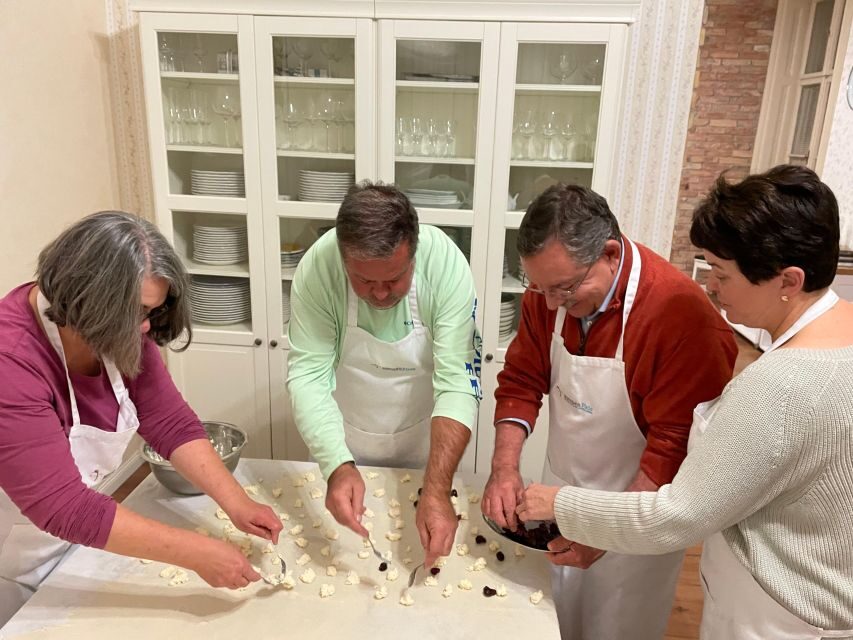
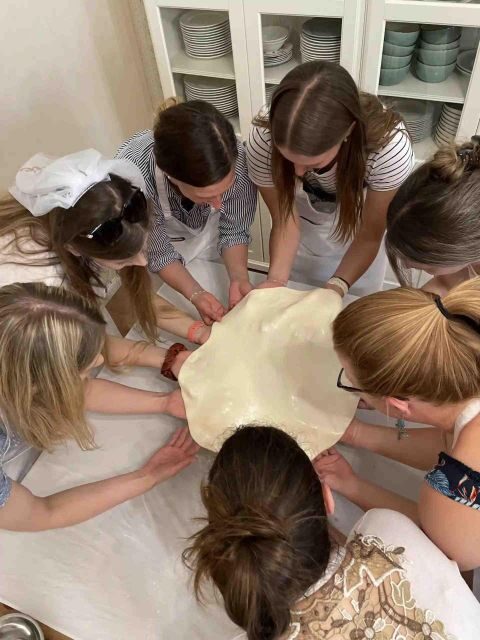
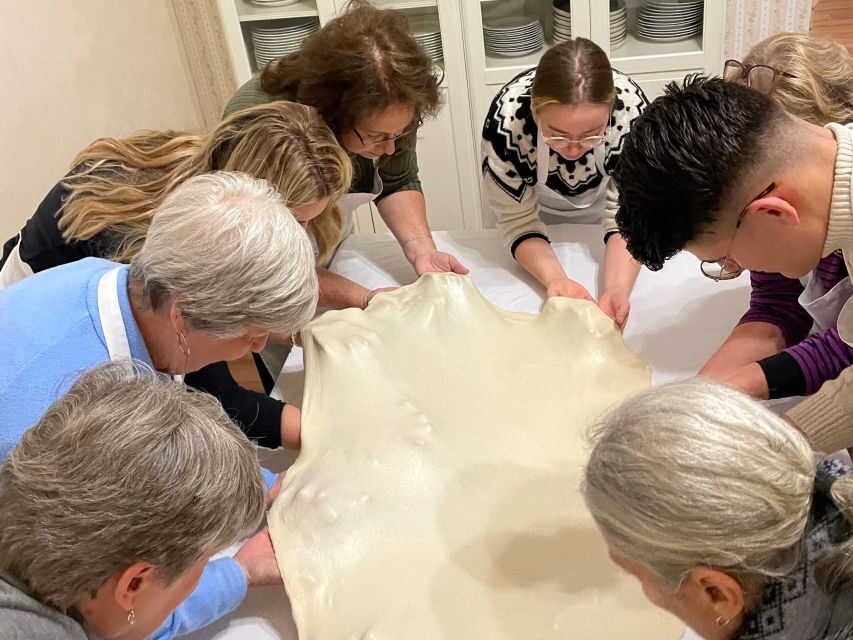
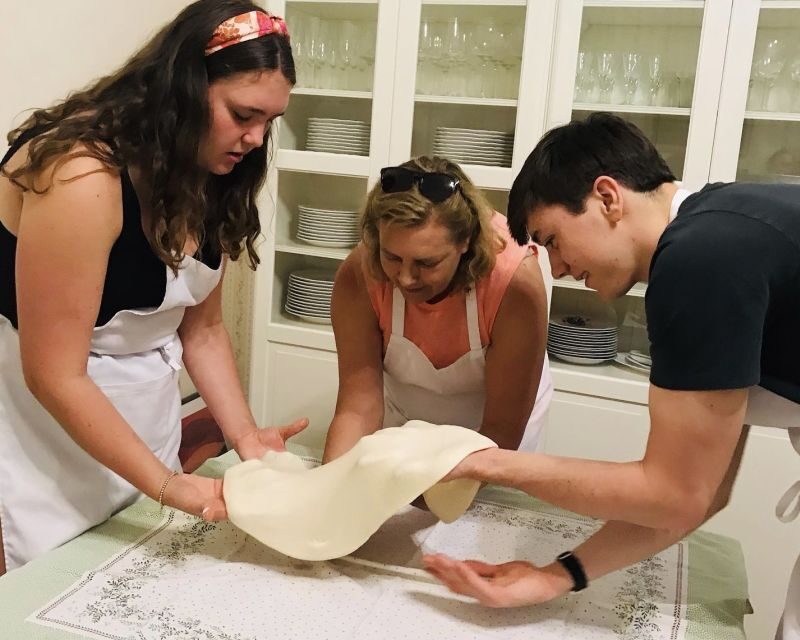
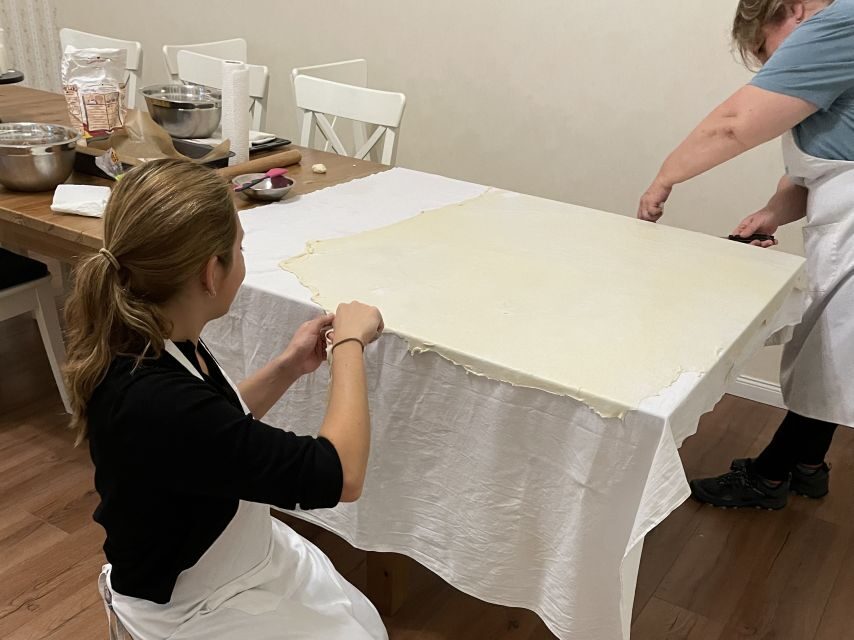
Here’s what makes this class worth your time: you’re not only learning recipes—you’re learning technique. The chef guides you while you stretch the elastic pastry until it’s very thin. That thinness is the whole point of strudel’s texture, and it takes careful handling.
In plain terms, stretching thin means you’re relying on the dough’s elasticity instead of rolling it like pie crust. Rolling can compress and toughen pastry. Stretching encourages the dough to become delicate and evenly thin, so the strudel bakes with that classic structure: layers that are tender, not gummy.
Your chef also covers the little “do this, not that” habits that experienced home cooks use. That’s where your results start improving fast. With strudel, small differences show up in the baked pastry. Too thick in one spot? You’ll notice. Too dry? It won’t fold the same way. Too wet? You risk tearing while you shape it.
This is also why the class is limited to a small group (up to 10). You need that attention to keep the dough on track.
Choosing fillings: two strudels, two ways to taste Hungary
You’ll fill and bake two different strudels, and the chef covers typical Hungarian fillings so you can choose what you like. The class gives clear examples of what’s available, including:
- Poppy-seed with pumpkin (sweet, aromatic, very classic in feel)
- Sweet or salty cabbage (comforting and very Hungarian in personality)
- Sweet cottage cheese cream (soft, rich, and dessert-like without being heavy)
The best part for your wallet and your taste buds: you’re making both sweet and savory-leaning options, depending on what you choose. That turns the class into a tasting menu you control, instead of one single flavor baked twice.
Think about how you’ll use this later. If you’re building your own “Hungarian dessert rotation” at home, you’ll want options. Two strudels means you’ll walk away with a clearer sense of what works for your palate, and the chef’s guidance makes it easier to reproduce your favorite at home.



Baking and tasting: when the kitchen turns into a meal
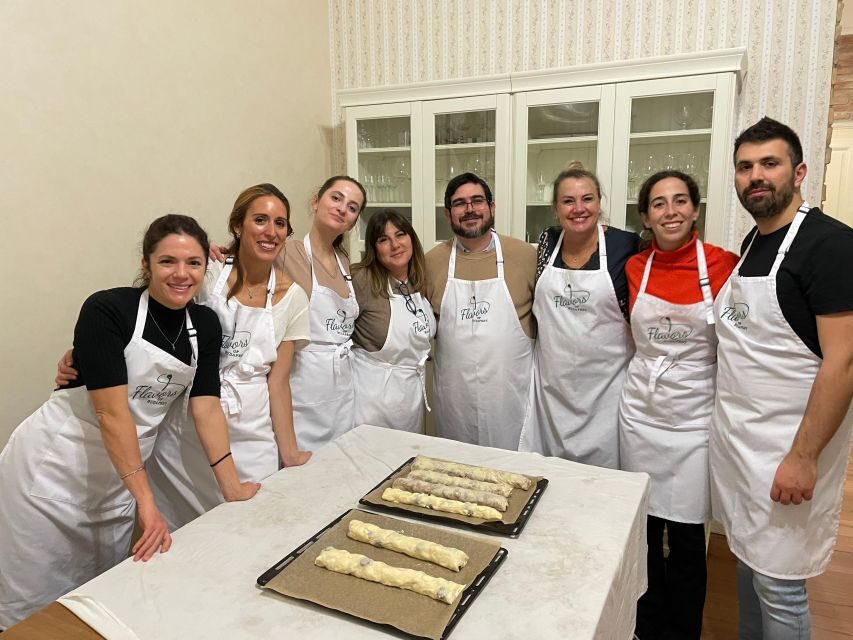
Once your strudels are shaped and filled, they go into the oven. While you wait, you’ll taste other typical Hungarian bites plus Hungarian wine, soft drinks, mineral water, and coffee. This isn’t just a distraction. It gives you time to relax and enjoy the flavors of Hungary beyond the main project.
When the strudels come out, you sit down with your group and eat what you made. That matters. With bread and pastry classes, the biggest learning moment is not the shaping. It’s the moment you taste the finished result. You’ll see how your stretching and filling balance out in texture and flavor.
If you’re the type who forgets details after the fact, watching the oven-to-table process helps you remember. You start thinking like a home cook: How did it smell? Was the pastry crisp or tender? How did the filling behave after baking?
What you take home: family recipes that actually help
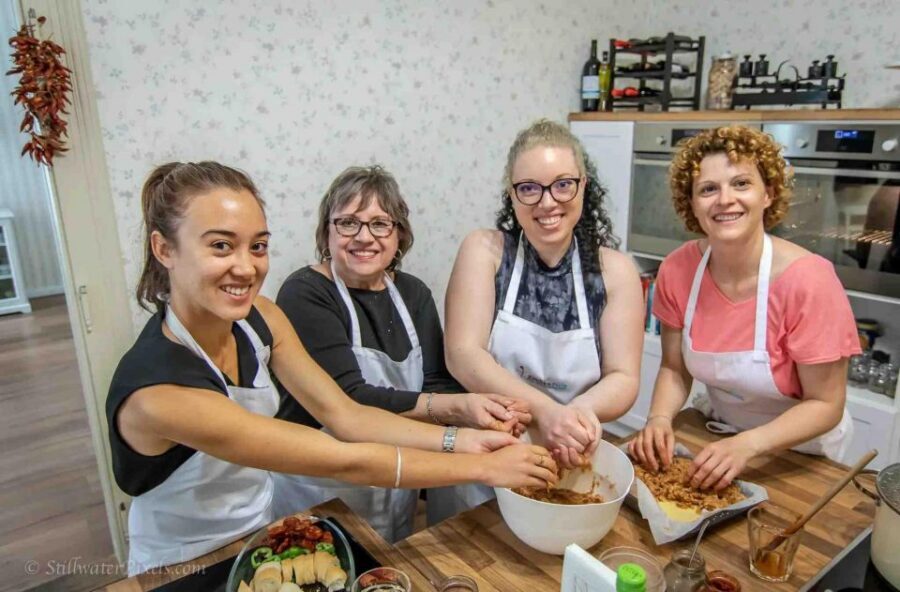
A lot of food classes hand you a generic card. This one gives you family recipes. That’s different, because strudel is one of those desserts where tiny handling details matter. A written recipe alone can’t teach you the feel of stretching thin dough, but it can help you repeat the shape and filling ratio once you’re practicing.
The class also includes the ingredients, kitchen pots, and equipment. So you’re not stuck with missing items after class or wondering how much of what to buy to match what you made in the apartment kitchen.
If you want to recreate the strudel at home, your best move is to pick one of the two fillings and practice that one first. You’ll likely learn the technique faster with fewer variables. Then, when you feel confident with the dough, you can branch out to the second filling.
Value and price: is $93 per person worth it?
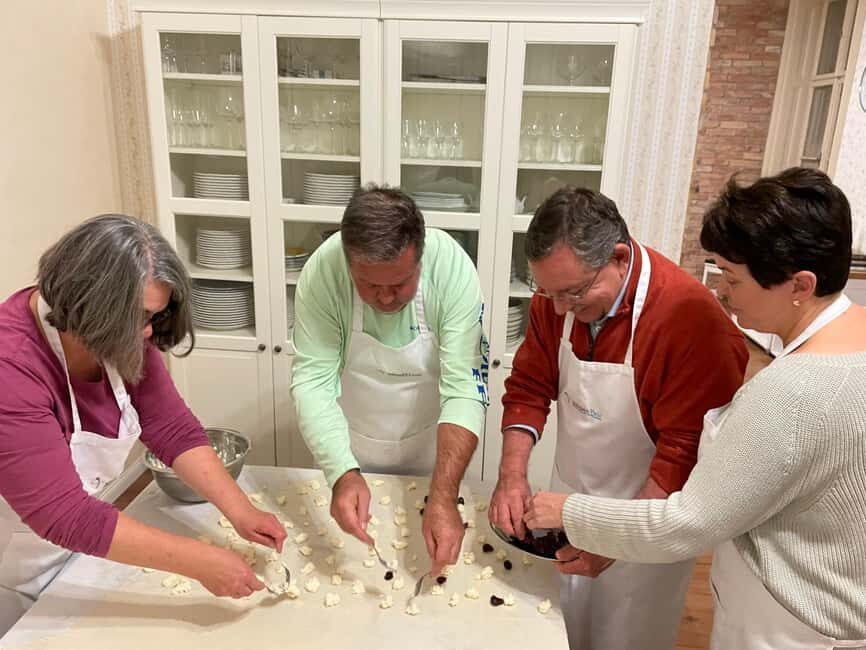
At $93 per person, this class isn’t a cheap snack craft. But it’s also not a touristy “watch and eat” event. You’re paying for:
- A real hands-on baking course where you make two strudels end to end
- Coaching from a professional chef during a technique-heavy step (stretching thin dough)
- Included ingredients plus kitchen equipment
- Included tastings: typical Hungarian bites
- Drinks, including 2 dl Hungarian wine, plus coffee, soft drinks, and mineral water
- Family recipes to take home
For me, the best value piece is the coaching during stretching. That’s the part you can’t easily learn from a recipe video. If you’ve ever tried to make strudel at home and ended up with thick dough or uneven folding, you already know why this skill-focused time matters.
Also, since the class runs in a small group, you’re less likely to get ignored. When the technique is hard, group size is part of the value.
Should you book this Budapest strudel class?
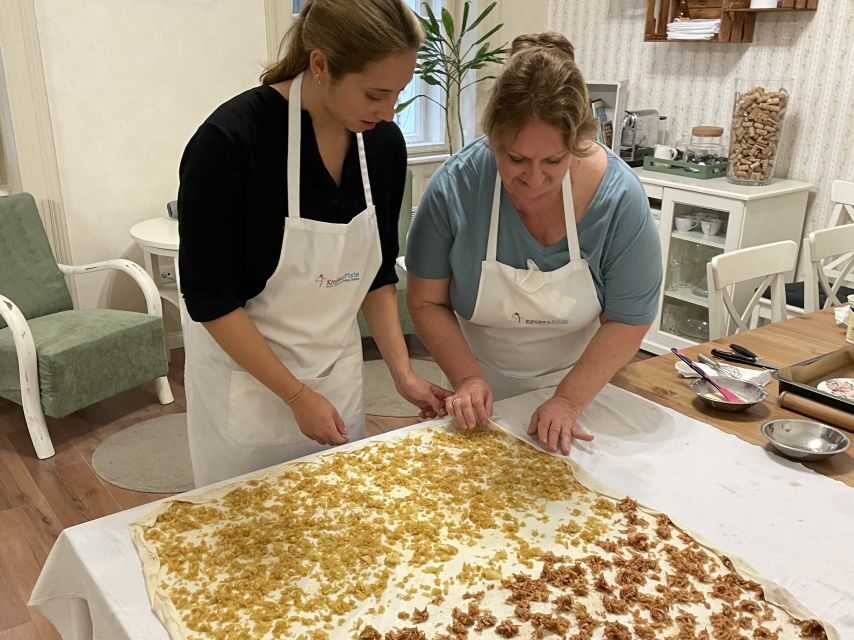
If you like hands-on cooking, want to eat something you made immediately, and enjoy learning how food connects to local life, I think you’ll enjoy this. The combination of stretching technique, cultural context (including the Turkish influence thread and Habsburg-era framing), and the fact that you bake and eat two strudels makes it feel like more than a one-flavor demo.
Skip it if you want hotel convenience, because there’s no pickup and you’ll need to reach Király u. 77 yourself. Also skip if you’re traveling with kids under 10, since it’s not suitable.
If you book, go hungry, wear clothes you don’t mind getting flour on, and plan to take your notes seriously during the stretching step. That’s the learning moment that turns this from a fun meal into a skill you can use at home.
FAQ
How long is the Budapest strudel class?
The duration is 2.5 hours.
How much does the experience cost?
The price is $93 per person.
Where do I meet for the class?
You meet at Király u. 77, 1077 Hungary.
How many people are in the group?
It’s a small group limited to 10 participants.
Is there a minimum number of participants required?
Yes. A minimum of 6 participants is required for the class to run.
How many strudels will I make?
You’ll make 2 strudels from beginning to end.
What kinds of fillings can I expect?
Typical fillings include poppy-seed with pumpkin, sweet or salty cabbage, and sweet cottage cheese cream. You choose your filling options.
What’s included for drinks and food?
You’ll enjoy typical Hungarian snacks, and drinks include 2 dl Hungarian wine, soft drinks, mineral water, and coffee.
Is hotel pickup included?
No, hotel pickup and drop-off are not included.
Is the class suitable for children?
It is not suitable for children under 10 years old.