REVIEW · BUDAPEST
Budapest: Private 4-Hour Walking Tour with a Local
Book on GetYourGuide →Operated by Sweet Travel Private Tours in Hungary · Bookable on GetYourGuide
Budapest makes sense fast with a local. What I like about this private half-day is the flexible route you can steer toward what you care about—antique hunting, architecture, or food—while still hitting major landmarks like Heroes’ Square. One thing to keep in mind: four hours moves quickly, and hills plus optional stops mean you’ll usually have to choose a few “must-sees” rather than trying to do everything.
I also like the way the guide strings the city together with smart transport choices—there’s even a stop connected to the first subway line in continental Europe, plus bus rides for views. You’ll get a clear overview of Hungarian history and how Budapest works as two cities (Pest and Buda), not just a checklist of photos.
Key highlights to watch for
- Hotel pickup and a truly private format: your guide meets you at your hotel reception and tailors the pace
- Heroes’ Square plus major architecture: from St. Stephen’s Basilica to the State Opera House
- Castle Hill highlights: Matthias Church and the viewpoints at Fisherman’s Bastion
- Gellért Hill panorama: Citadel history and the Statue of Liberty with a legend in the mix
- Bath-and-market variety: Szechenyi Baths area, Gellért baths architecture, and the Great Market Hall
- Public transit included in the experience: subway + bus stops so you understand the city’s layout
In This Review
- Meeting Your Guide and Picking Your Budapest Mood
- Heroes’ Square, the Opera, and a Fast History Primer in 4 Hours
- St. Stephen’s Basilica to Castle Hill: Big Views, Big Decisions
- Fisherman’s Bastion and the 7 Towers That Make the Photos Work
- Riding Up Gellért Hill: Legend, Citadel History, and the Best Panoramas
- Bath Architecture and the Great Market Hall: Budapest’s Everyday Side
- Transport, Timing, and Value: Is $330 Worth It?
- Who This Private Tour Fits Best (and Who Might Not Love It)
- Should You Book This Private 4-Hour Walking Tour?
- FAQ
- How long is the tour?
- Is this tour private?
- Where will the guide meet us?
- What’s included, and what isn’t?
- What languages are available?
- Is free cancellation available?
Meeting Your Guide and Picking Your Budapest Mood
This is a private walking tour built around your interests. Your guide meets you at your Budapest hotel reception area at an agreed time, and from there you shape the day: you might want an architecture-focused route, a cuisine route, or time set aside for antique browsing. If you’re the type who hates rigid group tours, this format is a big deal. You can ask for “show me the parts most people skip” or “optimize for the big sights,” and the guide can steer the balance.
Budapest also makes sense when it’s explained in plain human terms. You’ll hear about Hungarian history and the city’s shifts over time while walking through spaces that still carry that weight. That context matters because a lot of Budapest’s landmarks look dramatic on their own, but they’re even more interesting once you know what changed and why.
Practical note: wear comfortable shoes. This is a half-day, not a casual stroll, and you’ll be on your feet for viewpoints and uphill sections.
Heroes’ Square, the Opera, and a Fast History Primer in 4 Hours
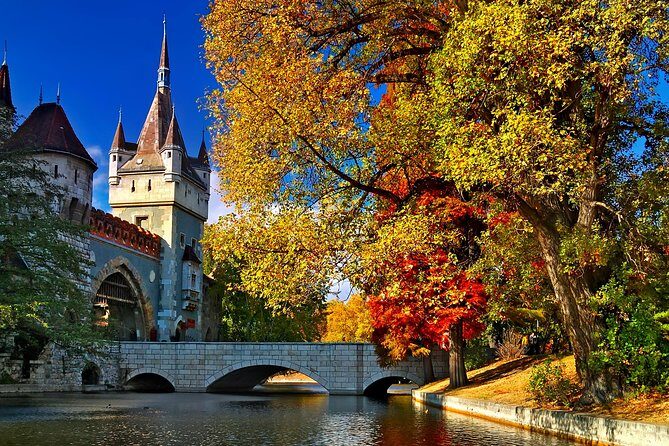
You can expect big-city orientation right away, including Heroes’ Square. It’s one of the quickest ways to understand Budapest’s scale and ambition. The guide uses moments like this to set the historical tone—helping you connect the monuments you’re seeing with the story of Hungary and its capital.
From there, the route leans into architecture and culture. One standout is the stop at the State Opera House, where you’ll get facts and stories about the building. Even if you’re not an opera person, this is a good moment to appreciate how much design and politics intersected in the city’s golden era.
Then comes a fun practical surprise: a connection to the first subway line in continental Europe. This isn’t just a trivia flex. It helps you understand why Budapest’s transit matters—how people actually move between districts and why certain sight clusters are easier (or harder) to reach on foot.
If your priority is “see the major sights and learn enough to feel confident,” this early sequence is designed to get you there without wasting your limited time.
You can also read our reviews of more walking tours in Budapest



St. Stephen’s Basilica to Castle Hill: Big Views, Big Decisions
Next up is St. Stephen’s Basilica. It’s the kind of church you can’t ignore—grand on the outside and visually commanding in the surrounding area. The guide’s narration here helps you read the building as more than impressive stone, tying it into Hungary’s identity and the role of religion in public life.
After that, the tour turns toward Castle Hill. This is where you’ll start feeling the “Buda” side of the city—older, higher, and built for viewpoints. On Castle Hill, you’ll see Matthias Church, described as 700 years old, and you’ll also get to Castle District sights in the area.
The practical catch with Castle Hill is simple: it’s fantastic, and it costs energy. If you’re short on fitness or traveling with anyone who hates stairs or steep sidewalks, plan for slower pacing. Still, the effort is worth it because these spots reward you with a sense of history that you can’t replicate on a quick photo stop.
Fisherman’s Bastion and the 7 Towers That Make the Photos Work
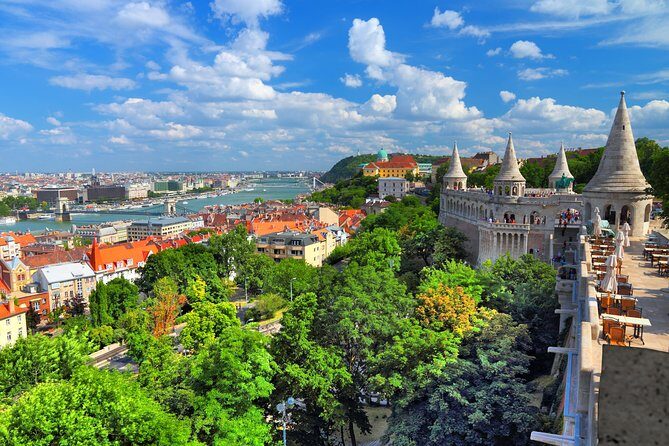
One of the clearest “why Budapest is famous” moments is Fisherman’s Bastion, including its seven towers and terrace viewpoints overlooking Pest. Even if you’ve seen pictures before, the perspective hits differently when you’re standing there with the city unfolding below you.
What the guide adds is the meaning behind what you’re looking at—how the bastion fits into the Castle Hill story and why the views are oriented the way they are. You’re not just looking; you’re learning where to look next and how the city’s layout explains what you see.
This is also a good moment to ask your guide a smart question: do you want the panorama to be your main goal, or do you want to use that time to cover more walking routes? Because on a four-hour private tour, a “photo break” can easily become a “photo hour” if you’re not intentional. The flexible planning helps you avoid that.
Riding Up Gellért Hill: Legend, Citadel History, and the Best Panoramas
After walking down from the Castle District, the tour adds a smart shift: you’ll take a public bus with your guide up Gellért Hill. This is a great way to get elevation without burning all your time on uphill walking.
From the top, you’ll enjoy a spectacular panorama of the city. You’ll also hear the legend of Bishop Gellért, plus context about the Citadel and the Statue of Liberty there. That combination—story, fortifications, and views—works better than just “look at the city.” It gives the viewpoint a narrative spine.
Then you’ll head back down the hill. If you love scenery, keep your camera ready, but don’t forget to also take mental notes: after Gellért Hill, you start to understand how Pest and Buda relate to each other, and why certain landmarks line up the way they do.
Bath Architecture and the Great Market Hall: Budapest’s Everyday Side
Budapest isn’t only monuments. This tour brings in daily-life energy through baths and markets.
First, you’ll see Art Nouveau architecture at the Gellért baths as you move through the area after Gellért Hill. If you’ve always pictured Budapest as all grand churches and palaces, this is the reminder that the city also built comfort and public health into its identity. Even with limited time, it’s a strong visual contrast.
Then comes Great Market Hall, described as the largest indoor market in the city. This stop is a practical win: it gives you a compact sample of what the local food world looks like, and it’s a great place to understand Hungarian ingredients even if you don’t do a full meal on the spot. (Food and drinks are not included, so you can go at your own pace—snack, browse, or simply absorb the atmosphere.)
If your main interest is food, this final stretch helps you end with something tangible and memorable rather than just another viewpoint.
You can also read our reviews of more private tours in Budapest






Transport, Timing, and Value: Is $330 Worth It?
This tour costs $330 per group (up to 20 people) for 4 hours, with a professional personal guide. That price sounds steep at first glance, but you’re not paying just for a walk. You’re paying for:
- a guide who can tailor the route to your interests (which is hard to replicate with a DIY itinerary),
- expert storytelling that turns landmarks into context,
- and smart use of transit so you get more city in less time.
Your actual value depends on your group size. If you’re traveling as a small family or a pair, per-person cost can be higher. If you’re traveling with a larger group and you can split the cost, it often becomes much more reasonable. Either way, the biggest “value driver” is whether you’ll use the flexibility. If you already know your exact interests—architecture, history, baths, markets, antiques—you’ll get more out of the guide’s steering than if you’re undecided.
Timing is the other value issue. Four hours can feel short once you’re on Castle Hill or at terraces. The good news: because the tour is flexible, the guide can adjust the balance if you’re running out of time or if one sight grabs your attention more than expected.
Who This Private Tour Fits Best (and Who Might Not Love It)

I think this tour works best for you if:
- you want a half-day overview with real context, not just sightseeing,
- you like flexible planning (antique hunting, architecture, or a food stop can take priority),
- you want to use public transit in a guided way so the city’s layout makes sense fast,
- and you’re okay with walking that includes some elevated areas.
It might feel less ideal if:
- you want an everything-in-one-day marathon,
- your group has limited mobility or struggles with hills and uneven walking,
- or you expect a long, unhurried time inside multiple paid attractions.
Since entrance fees and optional site tickets are not included, you’ll also want to decide ahead of time which “optional add-ons” you truly care about.
Should You Book This Private 4-Hour Walking Tour?

If you want Budapest to feel organized and meaningful within a short time, I’d say this tour is a strong bet. The private setup matters here: you’re not stuck with a rigid path, and you can shift toward the parts you actually care about—whether that’s Castle Hill, the Gellért Hill panorama, the Market Hall, or the architecture stops like the Opera House and basilica.
Book it if your group is comfortable with walking and you’ll actively use the flexibility. Skip it (or adjust expectations) if you want a slow, fully indulgent day where you can linger for hours in paid attractions. For a focused half-day with a real narrative thread through the city, this is exactly the kind of guided experience that helps Budapest click.
FAQ
How long is the tour?
The tour lasts 4 hours.
Is this tour private?
Yes. It’s listed as a private group experience.
Where will the guide meet us?
Your guide meets you at your Budapest hotel reception area at an agreed time. Pickup is included.
What’s included, and what isn’t?
Included is a professional personal guide. Not included are entrance fees to optional sites, plus food and drinks.
What languages are available?
The live guide is available in English, Spanish, French, German, and Italian.
Is free cancellation available?
Yes. You can cancel up to 24 hours in advance for a full refund.
—
If you tell me your group size and your top 2 priorities (history vs. architecture vs. baths vs. food vs. antiques), I can suggest how to shape the 4 hours so you don’t waste a minute.