REVIEW · BUDAPEST
Art Nouveau Tour in Budapest: 3-Hour Private Tour
Book on GetYourGuide →Operated by FUNGARIAN · Bookable on GetYourGuide
Art Nouveau on foot beats museum time. This 3-hour private tour sends you back to Pest’s late-1890s and early-1900s heyday, where the city’s Secession (szecesszió) style shows up on everyday streets and façades. I like that it’s not just photos and facts; it’s built around asking questions and getting direct, human answers.
You’ll also love the way the guide connects design details to Budapest history and culture, from decorative late-19th-century façades to folk motifs and the symbolism you can spot on public buildings. One consideration: this is a walking tour and it’s not suitable for people with mobility impairments.
In This Review
- Key Highlights Worth Your Time
- Budapest Secession Style: Why This Tour Feels Like a Time Machine
- How the 3-Hour Private Format Works (and Why It’s Better Than Group Tours)
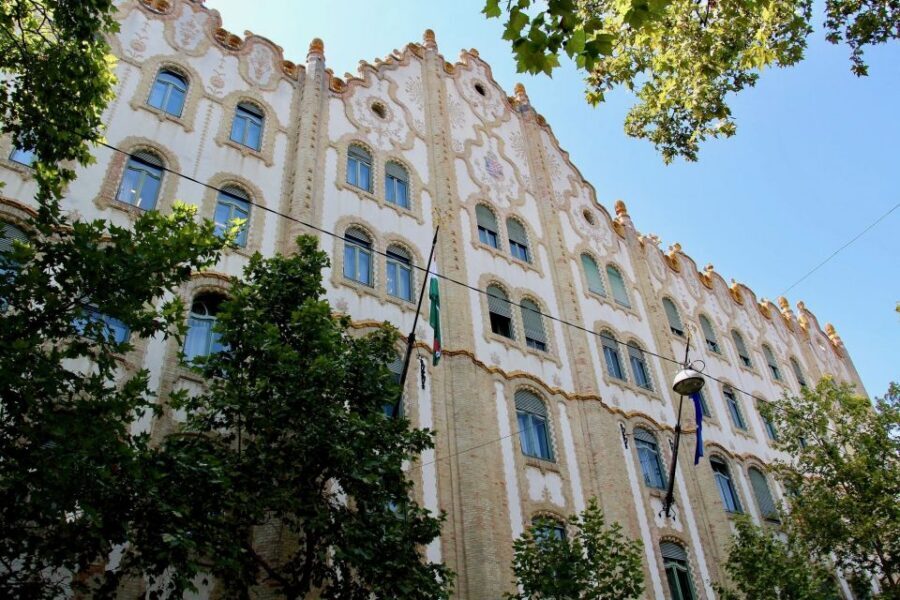
- Secession Facades and Ornate Late-19th-Century Details
- Hungarian Folk Motifs: Identity Built Into the City’s Style
- Beehives, Public Buildings, and Symbolism You’ll Actually Remember
- Architects, Stories, and Why Budapest’s Look Has a Cause
- A Smart Bonus: Underground and Tram System Tips While You Walk
- What You Actually Get for the Price
- Pace, Comfort, and Who Should Skip This One
- So, Should You Book the Art Nouveau Tour in Budapest?
- FAQ
- How long is the Art Nouveau tour in Budapest?
- Is this tour private?
- What languages are the live guides?
- Where does the tour start?
- What’s included in the tour price?
- Is food or transportation included?
- Is the tour refundable if plans change?
Key Highlights Worth Your Time
- Secession (szecesszió) explained: why Budapest labels its Art Nouveau this way, in context
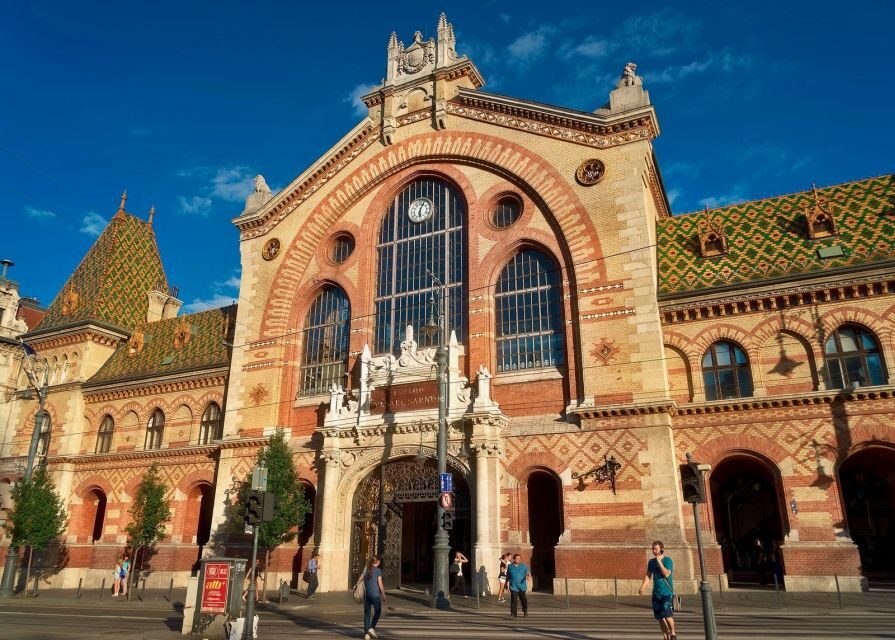
- Why façades look so ornate: not just style talk, but what it meant for the era
- Hungarian folk motifs in architecture: how local identity got built into the details
- Beehives and symbolism: public-building details you’ll start noticing right away
- Architect stories: the people behind the look, not only the buildings
- A practical reset for Budapest walking: pickup, a clear route, and tips you can reuse after
Budapest Secession Style: Why This Tour Feels Like a Time Machine
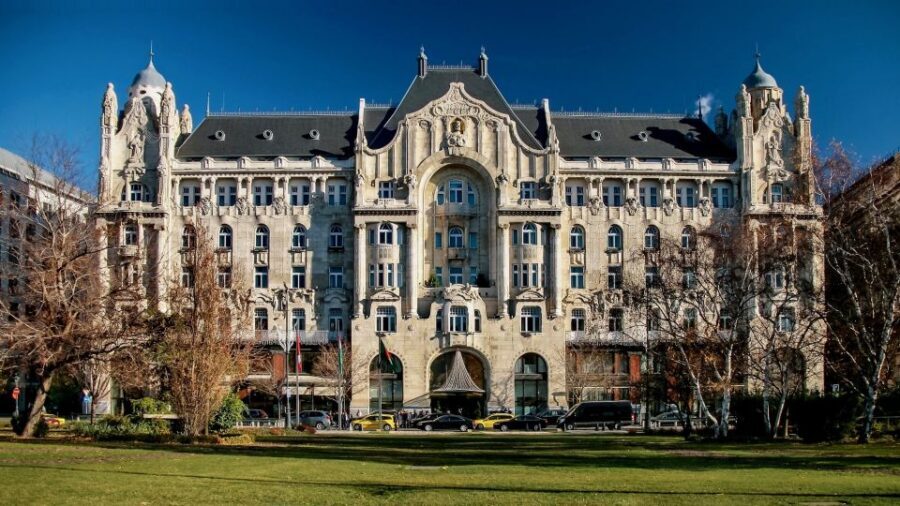
Budapest’s Art Nouveau isn’t locked behind museum glass. It’s right there in the street scene, on façades you pass without thinking—until someone points out what’s going on. This tour is built around that shift: you stop seeing ornament as decoration and start seeing it as a message from the late 19th and early 20th centuries.
The guide frames the movement in a very Budapest way: Art Nouveau is called Secession (szecesszió) in Hungarian. That detail matters because it reflects the local attitude of the era—people pushing back against older rules and choosing a new visual language.
You’ll also get the “big picture” connections the best architecture walks offer. The tour doesn’t just name styles. It helps you understand how design choices fit into Budapest culture and why the city looks the way it does—down to the guide’s explanation of why there are no skyscrapers in Budapest.
You can also read our reviews of more private tours in Budapest



How the 3-Hour Private Format Works (and Why It’s Better Than Group Tours)
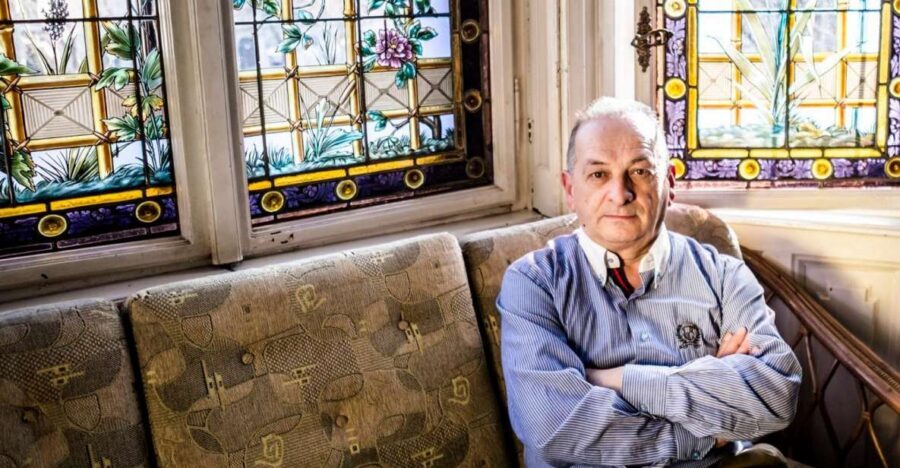
This is a private group, and that’s the quiet advantage. In three hours, the guide can tailor pacing to what you care about—architecture details, history, or simply learning how to read the city. You don’t have to “keep up” or guess whether your question is worth raising.
Pickup is included. Your guide meets you at your accommodation in Budapest and then you all head to the first stop together. That means you start with momentum instead of spending time figuring out where to go and what to look for first.
You’ll be walking, though—so think in comfortable-shoes terms. The tour is also intentionally focused at 3 hours, which is long enough to see multiple façades and patterns, but short enough that you can still enjoy the rest of the day on your own.
If you’re doing Budapest for the first time, you’ll like that this tour gives you a mental map fast: you learn what to look for, what terms matter, and what details pay off on repeat visits.
Secession Facades and Ornate Late-19th-Century Details
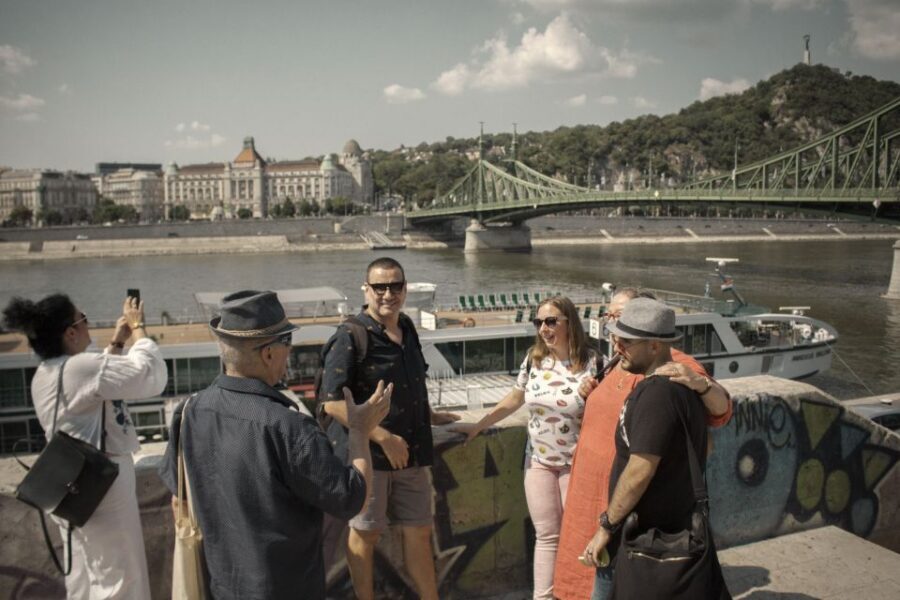
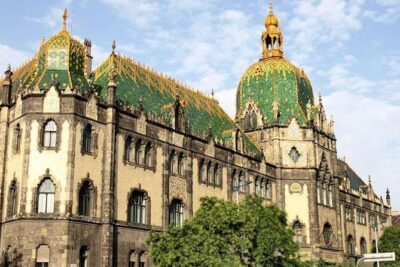
A lot of Budapest architecture from the late 1800s looks almost too decorated to be practical. The guide tackles the question you might be thinking: why are so many façades so ornamented? Instead of leaving you with a vague answer, you’ll connect the decoration to the era’s values—how buildings announced status, taste, and modern identity.
You’ll learn what to notice on those façades, including the kinds of motifs that show up repeatedly in Art Nouveau / Secession design. Expect the guide to teach you how the ornament functions: not random decoration, but a system of choices that makes buildings visually coherent from a distance and rewarding up close.
This is also where you get the tour’s “architecture detective” feel. You’ll stand in front of buildings and learn how to interpret the front of a structure like a story—materials, curves, ornament placement, and the way the façade frames the street.
One of the tour’s key takeaways is perspective. After the walk, you should be able to look at another Secession façade on your own and say more than “that looks pretty.”
Hungarian Folk Motifs: Identity Built Into the City’s Style
If you’ve ever wondered how a global art style can still feel local, this part is for you. The guide explains how Hungarian folk motifs were built into Art Nouveau designs. That’s a fascinating concept because it shows a deliberate choice: modern architecture didn’t have to erase local culture.
You’ll see how the designs borrow from folk imagery and translate it into architectural ornament. It’s not just about copying patterns. It’s about using cultural symbols to give the new style a Hungarian voice.
This is where the tour becomes more than aesthetic sightseeing. You start understanding that the buildings weren’t made in isolation. They were part of a period when people were negotiating tradition and modernity in public view.
And since the tour stays focused on what you can spot in the street, you’ll leave with a practical skill: identifying motifs at a glance, even when you’re not sure what you’re looking at yet.
Beehives, Public Buildings, and Symbolism You’ll Actually Remember
Some architectural details are meant to be read slowly. Other details are loud enough that they call attention even if you don’t know the story. This tour includes symbolism—specifically, the guide explains what beehives symbolize on Budapest’s public buildings.
The value here isn’t just the trivia. It’s learning that Secession-era ornament often carried meaning beyond decoration. Once you hear one explanation, you’ll start asking better questions as you walk: What else in this design is signaling something?
A good guide helps you avoid the common trap of seeing buildings as static objects. Instead, you’ll treat them like communication: a city speaking through form, pattern, and symbolism.
This part also supports your “history and culture” goal. The tour is framed to give you a greater understanding of Hungarian and Budapest history and culture, and symbolism is one of the easiest ways to make that connection tangible.
A few more Budapest tours and experiences worth a look




Architects, Stories, and Why Budapest’s Look Has a Cause
Architecture tours can get stuck in a name-and-date routine. This one leans more toward stories—especially tales about the architects behind the buildings.
That matters for your understanding. When you learn what shaped an architect’s choices—taste, ideas, the era’s thinking—you’re less likely to forget the buildings afterward. The guide’s focus on the people behind the designs turns the façades into outcomes, not just objects.
You’ll also hear what makes Budapest’s Art Nouveau tick from a practical standpoint. For example, the tour covers why there are no skyscrapers in Budapest. Even without going into a technical explanation here, the point is clear: Budapest’s built identity didn’t chase height the way some cities did. That choice shaped the urban feel, street scale, and the dominance of façades you can actually study by foot.
If you like your history tied to visible evidence, this is a strong match.
A Smart Bonus: Underground and Tram System Tips While You Walk
One of the most practical perks of this tour shows up in how the guide teaches you to move around. You don’t just get an architecture lesson; you also get guidance that helps you navigate the city’s transportation system.
A guide named Miklos was specifically praised for introducing people to the underground and the tram system as part of the tour, along with covering several Art Nouveau buildings. That’s useful because Budapest can feel confusing at first—until you understand which transit choices make sense for getting from point A to point B.
Even if you don’t rely on transit during the tour itself, this kind of context pays off later. You’ll likely leave with a clearer sense of how neighborhoods connect and how to keep exploring without wasting time.
What You Actually Get for the Price
The price is $127 per person for a 3-hour private tour. That’s not the budget end, but it’s also not trying to be a mass-market product.
Here’s what you’re paying for, based on what’s included and how the experience is designed:
- Private guide time, not a crowded group where you can’t ask questions
- Printed material plus notebooks and pens, which signals that the tour is meant to be more interactive and take-home
- A guided focus on Budapest history and culture, specifically tied to architectural details
- Pickup included from your accommodation, which saves you planning time
If you’re traveling with someone and splitting the cost of private attention, the value often looks better than you’d expect—especially if you’re the type who asks follow-up questions. The tour also offers multiple languages for the guide (English, German, Albanian), which makes communication smoother for many visitors.
If you’re mainly hoping to snap a few photos and move on, you might feel like you could do this cheaper on your own. But if you want to leave with context and a list of what to notice next time you walk by Secession façades, this price is easier to justify.
Pace, Comfort, and Who Should Skip This One
This tour runs for 3 hours. That’s a sweet spot for architecture walking: long enough to see patterns and understand meaning, short enough to avoid feeling like a full-day commitment.
Wear comfortable shoes and plan for outdoor time. The tour isn’t described as a sightseeing-from-a-café style activity. It’s about standing close to buildings, looking up, and learning the visual language.
It’s also not suitable for people with mobility impairments. If that’s your situation, don’t force it—your comfort matters, and this experience is designed around walking and access to street-level viewing.
One extra practical consideration: pickup matters. There’s at least one reported issue where someone wasn’t met at the agreed time and couldn’t reach the provider by phone. You can protect yourself by confirming the pickup details clearly ahead of time and making sure you’re easy to find from your accommodation address.
So, Should You Book the Art Nouveau Tour in Budapest?
If you want a Budapest experience that’s visual but also grounded—history, culture, symbolism, and practical takeaways—this tour is a great fit. I especially like that it teaches you how to read the city: why the ornament exists, what local identity looks like in a global style, and what symbols (like beehives) mean in context.
Book it if:
- You care about architecture and want help seeing details you’d miss
- You like asking questions and getting direct explanations
- You want a focused 3-hour plan with pickup and guided context
- You’re interested in Secession (szecesszió) and Hungarian folk motifs in design
Skip it if:
- You need a low-walking pace or mobility-friendly route
- You only want quick photo stops with no deeper context
If you’re in Budapest for just a few days, this is the kind of tour that can upgrade every other neighborhood walk you do after—because once you learn the visual vocabulary, the city starts speaking back.
FAQ
How long is the Art Nouveau tour in Budapest?
It lasts 3 hours.
Is this tour private?
Yes, it’s a private group experience.
What languages are the live guides?
The live guide is available in English, German, and Albanian.
Where does the tour start?
Pickup is included. Your guide meets you at your accommodation in Budapest, and you then travel together to the first stop.
What’s included in the tour price?
Included items are notebooks, pens, and printed material.
Is food or transportation included?
No. Food and drink are not included, and transportation is not included.
Is the tour refundable if plans change?
Free cancellation is available up to 24 hours in advance for a full refund.