REVIEW · BUDAPEST
Budapest: Memento Park and Icons of Communism Guided Tour
Book on GetYourGuide →Operated by Licensed guide & driver · Bookable on GetYourGuide
Propaganda isn’t just a word here—it’s right in front of you. I love how the tour turns oversized monuments into clear cause-and-effect history, and how Victor makes the symbolism easy to follow from Marx and Engels all the way to the Boots of Stalin. The only real drawback: the subject matter is heavy, and you’re outside for a good chunk of the time, so it’s not a great match if you want carefree sightseeing.
After we meet at Batthyány Square by the Danube, you ride out in a private car and step into an open-air museum built to preserve—and confront—the communist past. This is the kind of tour that gives you context fast. You’ll walk away seeing how the imagery was designed to control people, not just decorate space.
In This Review
- Key things that make this tour worth your time
- Why Memento Park works better with a live guide than alone
- From Batthyány tér to the open-air museum in a private car
- Inside Memento Park: reading 41 communist icons like a message system
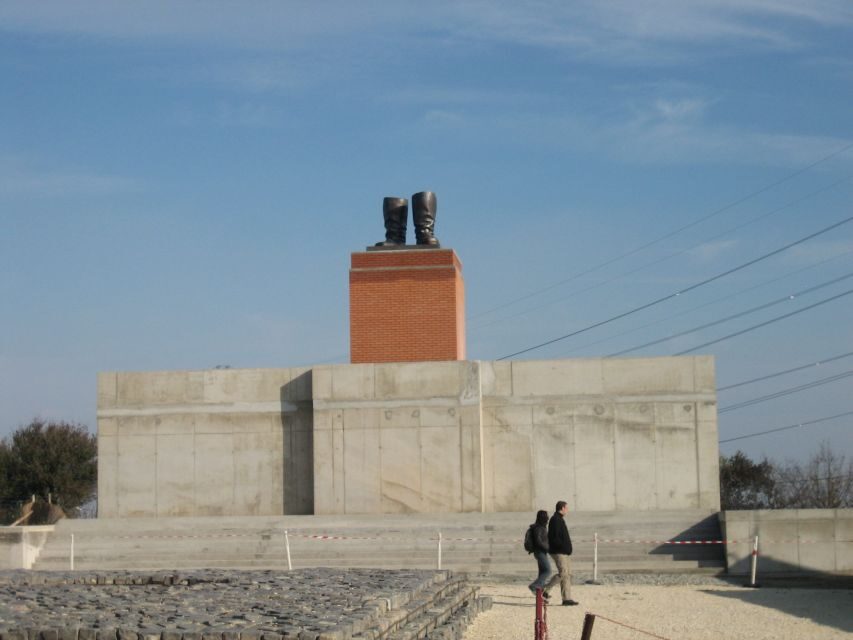
- Stalin’s Grandstand and the Boots of Stalin: the emotional core of the park
- How the tour explains control, intimidation, and escape
- Photos, walking time, and how to pace yourself
- Price and value: what you’re paying for at $68
- Who this tour suits (and who should think twice)
- Should you book the Budapest Memento Park icons tour?
- FAQ
- How long is the Memento Park and Icons of Communism guided tour?
- Where do we meet for the tour?
- How do we get to Batthyány tér?
- What transportation is included?
- Is the entrance fee included?
- Is there a guide, and what language do they speak?
- How big is the group?
- Is food included?
Key things that make this tour worth your time
- Small group size (max 7) keeps the pace human and questions welcome
- Victor’s prep helps you read the statues with laminated photo context during the walk
- Stalin’s Grandstand story comes with the why, not just the what
- Boots of Stalin becomes a symbol of longing for freedom, not a random photo spot
- Propaganda mechanics, explained in plain language, including intimidation and the secret police
- Photo help is part of the experience, with the guide happy to get you in the frame
Why Memento Park works better with a live guide than alone
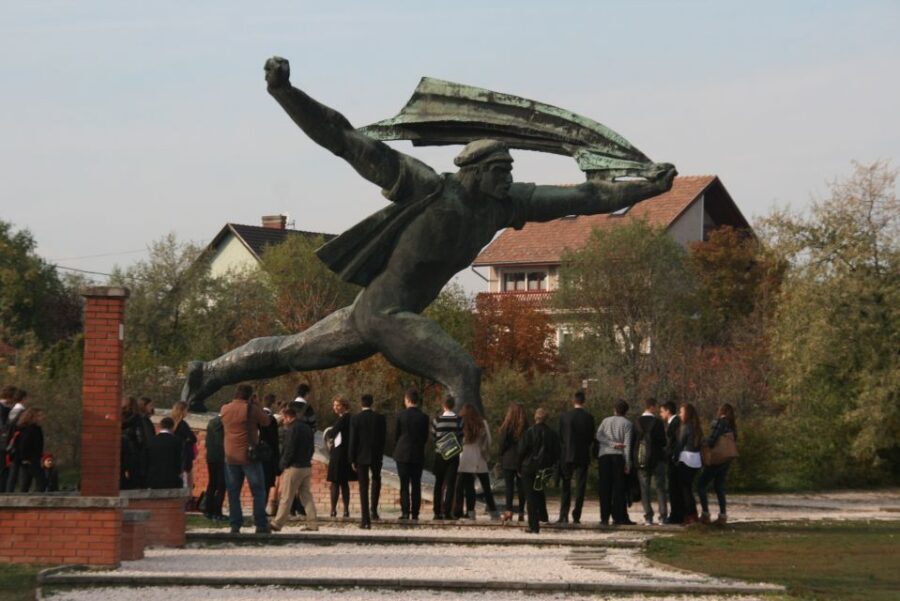
Memento Park is powerful on its own. You walk among giant communist statues that were installed after the system fell, so the setting feels like an edited version of history—one where the old messages are frozen in concrete. With a guide, the park stops being just striking sculpture and becomes a lesson in how power talks to people.
I like that the tour keeps it practical. You’re not just handed names. You’re shown how the ideology was packaged into symbols, and then how that messaging shaped daily life in Hungary for decades. Victor’s approach, based on what you’ll see on the ground, makes the logic of propaganda easier to recognize when you encounter similar political art in other places.
One more reason I’m a fan: the tour connects big events to everyday fear. You hear how law and public life changed under communist rule and how intimidation could be used quietly, not only through violence you’d immediately recognize.
You can also read our reviews of more guided tours in Budapest


From Batthyány tér to the open-air museum in a private car
Your tour day starts at Batthyány tér, a well-known square by the Danube. It’s easy to find: you can reach it via Metro line 2 or trams 19 or 41, and there’s St. Anne Church with its two towers right nearby. Meeting there matters because you’re already in the city’s mainstream rhythm before you head out.
Then you’re picked up and taken to the park by private car. The drive is about 10 miles (16 km) and roughly 45 minutes each way. That’s a real comfort factor. You’re not spending your sightseeing time figuring out buses and transfers for a site that’s more meaningful when you arrive ready to listen.
This format also helps the guide set expectations. On the way, Victor can frame what you’ll see so that, once you reach the museum grounds, you’re not standing in front of statues trying to guess what you’re supposed to notice.
Inside Memento Park: reading 41 communist icons like a message system
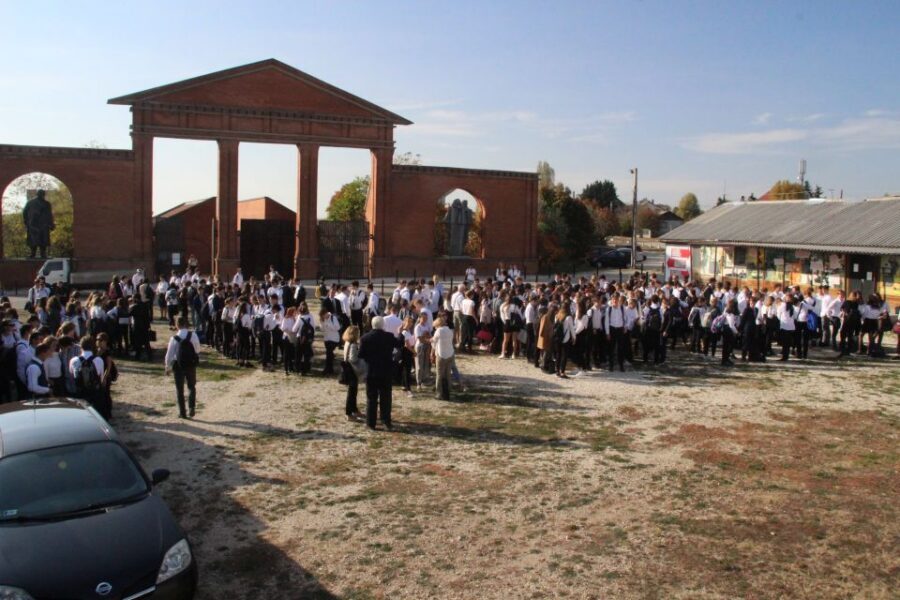
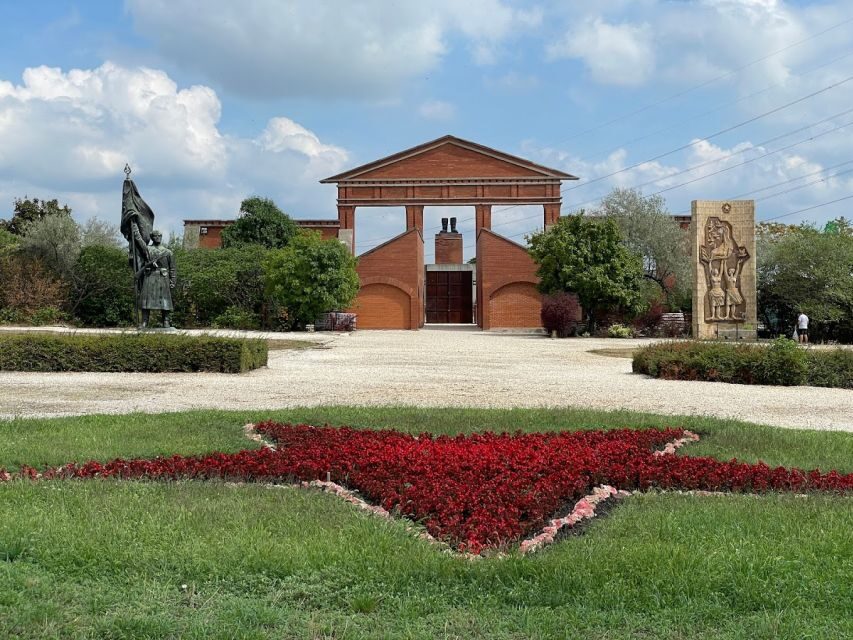
Memento Park is an open-air museum, and it’s built around 41 statues and icons from the communist era—figures like Marx, Engels, Lenin, and other leaders whose images were meant to project authority. These pieces were placed after the fall of the system, which means the park is not just preserving art. It’s preserving propaganda in a way that invites critique.
During the guided part, the story moves in a logical arc. You start with the ideology, then you connect it to how the rule of law and social reality were reshaped once communists took power in Hungary after World War II. The tour also explains how Marx’s ideas were turned into a political system that, in practice, became a nightmare for millions.
That’s where the park gets interesting fast: the statues are gigantic, but the point is how they were used to influence people. You’ll learn how the propaganda machine worked—how it shaped what people were allowed to admire, fear, or believe in. In other words, you’re not only seeing historical figures. You’re seeing historical messaging strategies.
There’s also time built in for guided touring plus walking and sightseeing, followed by free time. This matters because once you understand the symbolism, you’ll want a few minutes to stand back and look again—this time with your brain turned on.
Stalin’s Grandstand and the Boots of Stalin: the emotional core of the park
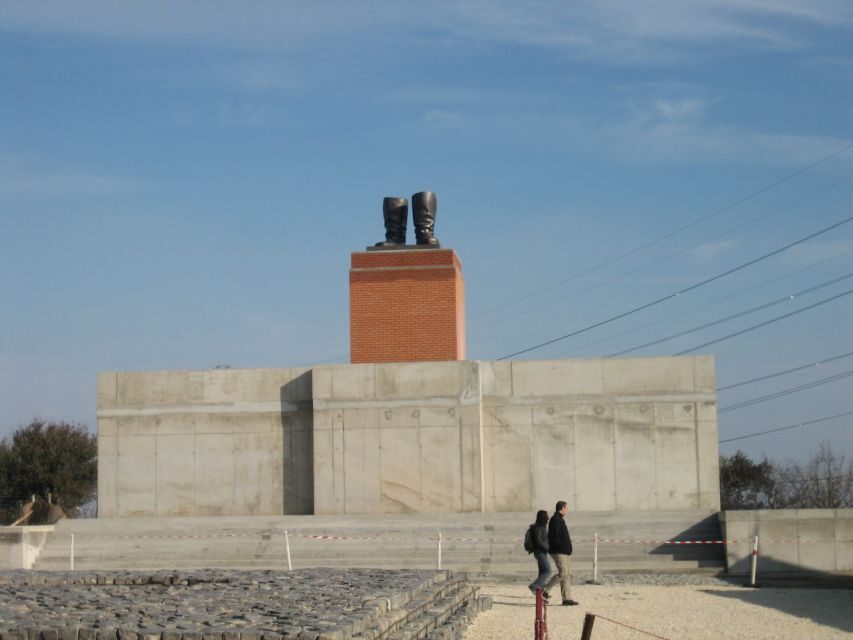
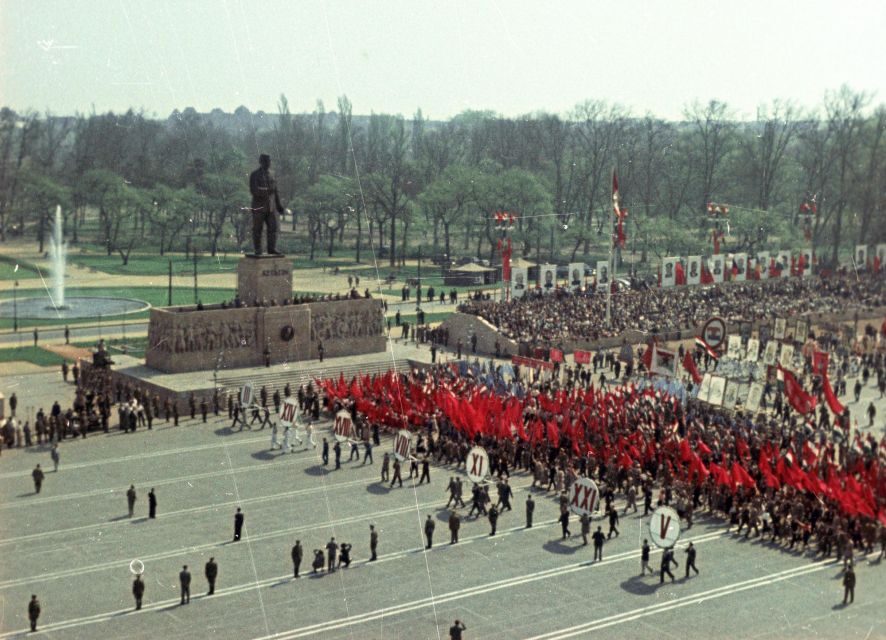
One of the most memorable sections is the area linked to Stalin. You’ll be placed in front of Stalin’s Grandstand, where the guide helps you imagine what it would have meant to a crowd—how anger could build, and why the huge statue of the hated dictator was eventually pulled down by angry Hungarians.
Even if you’ve heard bits of communist history before, the park makes the story physical. You can’t just read about power from a book. You’re standing near the scale of it, and that scale is the point. The symbolism is designed to dominate sight lines and emotional response.
Then you move to the Boots of Stalin, which remain as a lasting symbol of people’s longing for freedom. It’s a strange-feeling way to remember a dictator: not the full figure, but the footwear—reduced, fragmented, and reinterpreted. With a good guide, you understand why this detail hits so hard: it’s a visual downgrade from total authority to something discarded.
And yes, it’s also a great photo moment. The guide will gladly help take pictures so you can get yourself in front of the monuments too. That doesn’t mean it turns into a goofy Instagram stop—if anything, it can help you feel how close these messages are to the real person in front of the statue.
How the tour explains control, intimidation, and escape
The tour doesn’t treat communism as just a list of leaders. It focuses on mechanisms: how control shows up, how it spreads, and how people respond.
You’ll hear how the communist system changed the rule of law when it gained power, and how propaganda was used not only to promote leaders but also to shape reality. The guide also talks about the secret police under Soviet rule—how they recruited new members and how ordinary people could be intimidated.
This is the part of the experience that can feel uncomfortable, because it’s about human pressure, not just statues. Still, it’s valuable. If you want to understand why Hungary lived under communist power for about 40 years, you need more than dates. You need to know how fear and messaging worked together.
There’s also a story thread about manipulation and escape—how some brave people found ways out even when the system tried to close doors. That adds balance. It keeps the narrative from becoming only bleak. You see that the story isn’t just oppression; it’s also resistance and survival.






Photos, walking time, and how to pace yourself
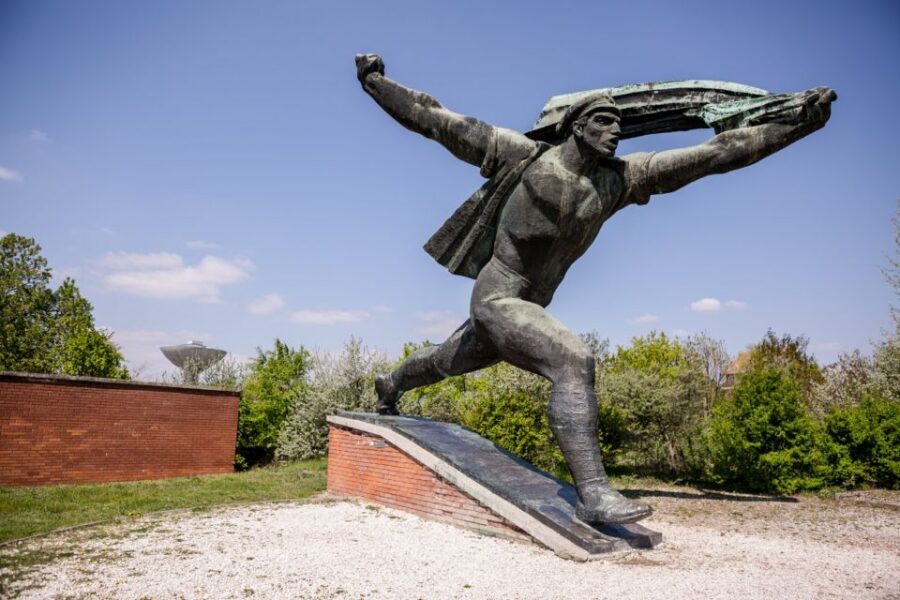
You’ll likely spend around 1.5 hours at Memento Park, including the guided walk, sightseeing, and then free time. That’s not a full-day commitment, which is nice in Budapest where you have a lot of options. The trade-off is you’ll want to pay attention early. Once you grasp the meaning of the statues, the park makes more sense fast.
For comfort, this is an outdoor museum. Bring whatever helps you stay steady on your feet—comfortable shoes and a layer if the weather shifts. One nice detail: Victor has been known to offer bottled water and help people find shade on hot days. That’s not just hospitality; it keeps you focused on what matters instead of sweating through the explanations.
If you care about photos, take advantage of the guide’s help. Getting your picture taken with the monuments is part of the experience, and Victor will help you get into the frame.
Price and value: what you’re paying for at $68
At $68 per person for about 3 hours, you’re paying for a compact, focused experience with real added value. This isn’t just entry into a museum.
Here’s what you get built into that price:
- Round-trip transport by private car from Batthyány tér
- Entrance fee to Memento Park
- A live English-speaking licensed guide
- Small-group format limited to 7 participants
- Photo support in the park
- A bottle of water
That bundle is what makes the price feel fair. Memento Park isn’t the kind of place where an audio guide alone always gives you context quickly enough. The guide’s job is to connect the imagery to the political reality behind it, including how the system worked day-to-day. In a small group, you also get more back-and-forth.
If you’re the type who wants to understand why something was built the way it was, you’ll usually feel the value. If you only want quick “see and leave” sightseeing, you might find the topic heavy for the time you’d spend.
Who this tour suits (and who should think twice)
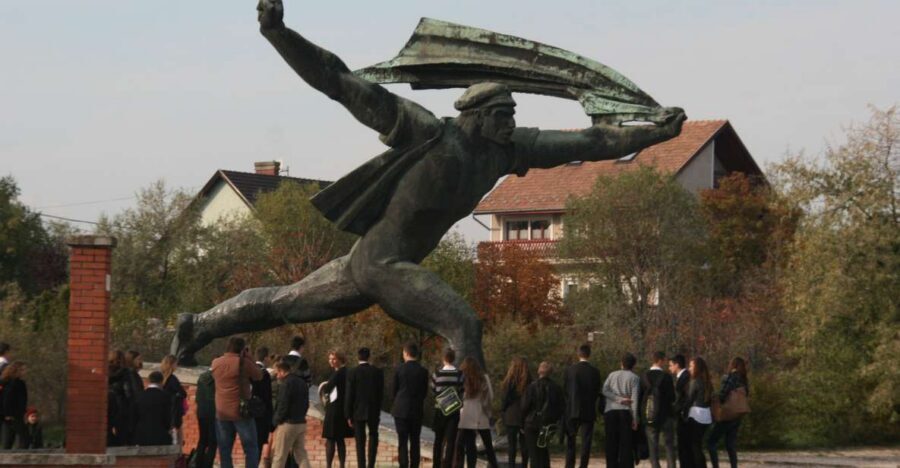
This tour is ideal if you:
- enjoy history with a political angle
- like learning how symbols and propaganda work
- want to understand Hungary’s communist era beyond headlines
- appreciate guided context when visiting art in unusual settings
It’s not the best fit if you:
- prefer lighter, purely scenic stops
- dislike confronting themes like intimidation and secret policing
- need lots of downtime rather than structured walking and explanations
One more practical point: because the topic is emotionally loaded, the tour works best if you go in ready to listen. Treat it as a history lesson, not a casual stroll.
Should you book the Budapest Memento Park icons tour?
I think you should book it if you’re curious about how power uses images—and you want a guide who can explain the layers clearly. Victor’s reputation for preparation (like bringing laminated photos) and his ability to make the story understandable are exactly what you want in a place filled with symbols that could otherwise feel random.
If you’re short on time in Budapest but still want one meaningful, off-the-beaten-path experience, this fits well. You get transport, entry, and a focused guided walk in a 3-hour window.
My only caution is simple: go into this with the right mindset. You’re not visiting a fantasy park. You’re walking among monuments that were designed to control people, and the tour doesn’t pretend that was harmless.
FAQ
How long is the Memento Park and Icons of Communism guided tour?
The tour lasts about 3 hours.
Where do we meet for the tour?
The meeting point is Batthyány tér, near the River Danube, in front of St. Anne Church (two towers).
How do we get to Batthyány tér?
You can reach it by Metro line 2 or trams 19 or 41.
What transportation is included?
You get pickup at the meeting point and transport by car to Memento Park, plus transport back to the city afterward.
Is the entrance fee included?
Yes. The entrance fee to Memento Park is included.
Is there a guide, and what language do they speak?
You’ll have a live English-speaking licensed guide.
How big is the group?
The group is limited to up to 7 participants.
Is food included?
No. Food isn’t included. A bottle of water is included, and there’s a shop at the park where you can buy souvenirs.