REVIEW · BUDAPEST
Welcome to BUDA and PEST Private Walking tour
Book on GetYourGuide →Operated by CurioCity Budapest · Bookable on GetYourGuide
Budapest makes more sense when you walk it. This private tour strings together the city’s biggest icons with a Millennium Underground ride and an art-historian guide who explains what you’re actually looking at. You also get practical local context, not just dates and names.
I love how it builds a full “map in your head” by working both sides of the river, then sends you up for skyline payoff on Castle Hill. I also like the stop at St. Stephen’s Basilica, because the option to go to the top turns a photo moment into a real orientation tool.
One thing to plan for: the tour time is short and entrance fees aren’t included, so any additional ticketed stops (even with skip-the-line help) will cost extra.
In This Review
- Key points to know before you go
- A private route built around real Budapest geography
- Heroes’ Square and City Park: where the city teaches you its own intro story
- Andrássy Boulevard and the State Opera House: Budapest at its grand-axis best
- St. Stephen’s Basilica: an interior-or-view choice that changes the whole day
- Castle Hill done right: Fishermen’s Bastion and Matthias Church without chaos
- Millennium Underground: the ride that turns transit into sightseeing
- The cafe break: a drink, a chat, and the social layer most tours skip
- Skip-the-line help, but plan your entrance budget
- Price and value: what $377 per group buys you in real terms
- Who should book this Budapest Buda–Pest walking tour
- Should you book BUDA and PEST Private Walking Tour?
- FAQ
- FAQ
- Where does the tour start?
- How long is the BUDA and PEST private walking tour?
- What’s included in the price?
- Are entrance fees included?
- Does the tour include the Millennium Underground?
- What languages is the guide available in?
Key points to know before you go
- Millennium Underground ride: a UNESCO-protected shortcut for seeing Budapest’s story in motion
- Castle Hill highlights: Fishermen’s Bastion and Matthias Church without getting lost on your own
- St. Stephen’s Basilica view option: you can choose the climb based on time and energy
- Café break with your guide: a drink plus chat that connects monuments to everyday life
- Hotel pick-up + return public transport ticket: less fuss, more walking where it counts
- A licensed art historian guide: explanations geared toward seeing, not memorizing
A private route built around real Budapest geography

This is a private walking tour, so it starts where you are—your hotel reception, apartment lobby, or another agreed meeting spot in the city. Because the tour is tailor-made, your exact walking path can shift depending on where you meet the guide, but the core “greatest hits” stays the same.
What you get that’s genuinely useful is the pacing. You’re not bouncing from one random landmark to another; you’re moving in logical loops that help you understand how Budapest grew, how the neighborhoods sit, and why the river is the line that separates two different personalities. The guide is a professional, licensed art historian, which matters because the focus is visual: style, layout, symbolism, and what to notice when you’re standing in front of something big.
You’ll also use public transportation during the experience, and the tour includes a return ticket. That’s a smart value add because it reduces “transfer stress,” especially if you want to see more without spending your whole day figuring out routes.
You can also read our reviews of more walking tours in Budapest



Heroes’ Square and City Park: where the city teaches you its own intro story
The tour includes Heroes’ Square and the City Park area. If you’re new to Budapest, this is where you get bearings fast—literally. Heroes’ Square is the kind of place where the architecture and sculpture are doing more than decoration; they’re telling you what Hungary wanted to remember about itself.
City Park helps you switch modes. After the formal, ceremonial feeling of Heroes’ Square, you move into an easier rhythm with room to breathe and space to read the city from a wider angle. Even if you’re not spending hours in museums, the guide’s explanation can turn “big park” into “this is how a capital plans for leisure and civic identity.”
Practical tip: wear shoes you trust. This part is outdoors and you’ll want steady footing for the whole day, especially once the route starts climbing later.
Andrássy Boulevard and the State Opera House: Budapest at its grand-axis best
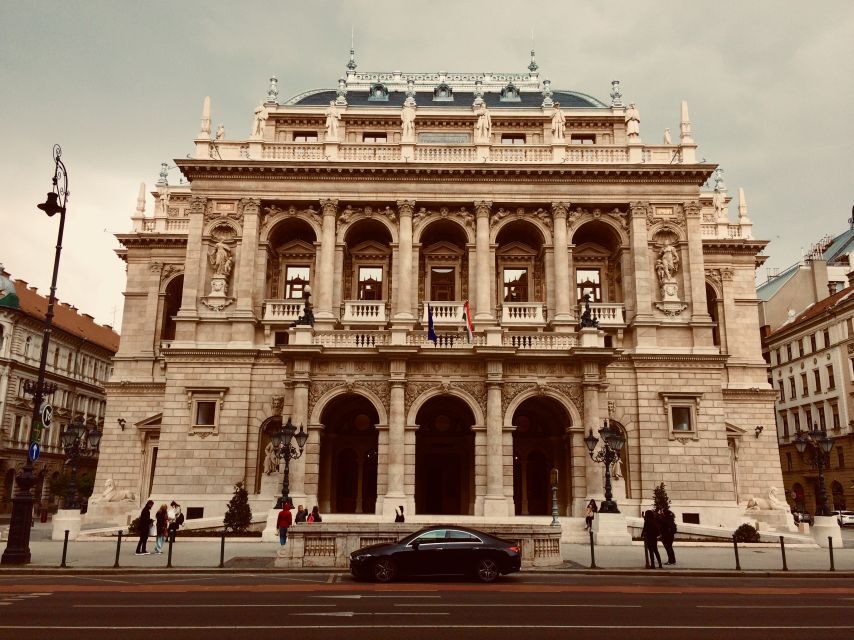
Next comes Andrássy Boulevard and the State Opera House. This stretch is where Budapest shows you its more formal side: long views, grand facades, and that sense that the city was built to be seen from the outside in.
The payoff here isn’t just the photo. Your guide can explain how this corridor fits into Budapest’s design logic—how the city’s important public spaces connect, and why the center of gravity matters when you’re walking (or riding) later between major zones.
If you’re someone who hates getting stuck at street corners asking where to go next, you’ll like how this tour keeps you moving. You’ll also get context that makes the opera building feel less like a “pretty stop” and more like a statement about the role of culture in national life.
St. Stephen’s Basilica: an interior-or-view choice that changes the whole day
A highlight stop is St. Stephen’s Basilica. This is one of those locations where people often rush because they think they’ve already seen it on postcards. The guide keeps it grounded by pointing out what stands out visually and how the site fits into Budapest’s long timeline.
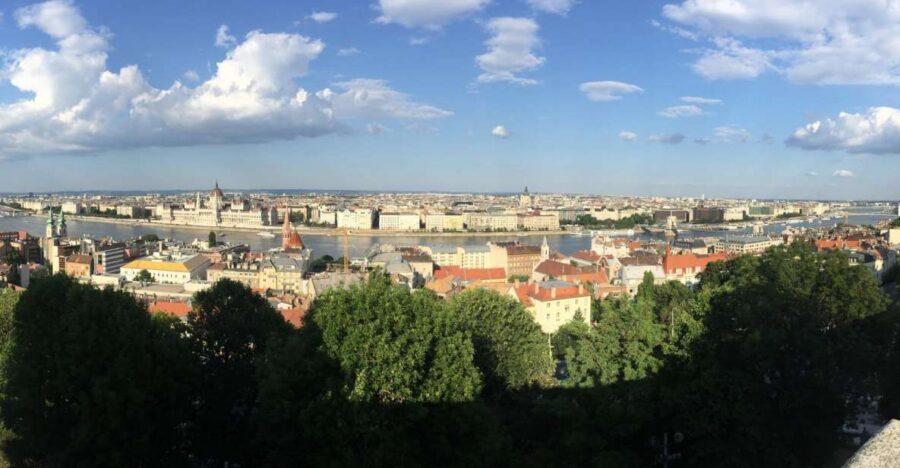
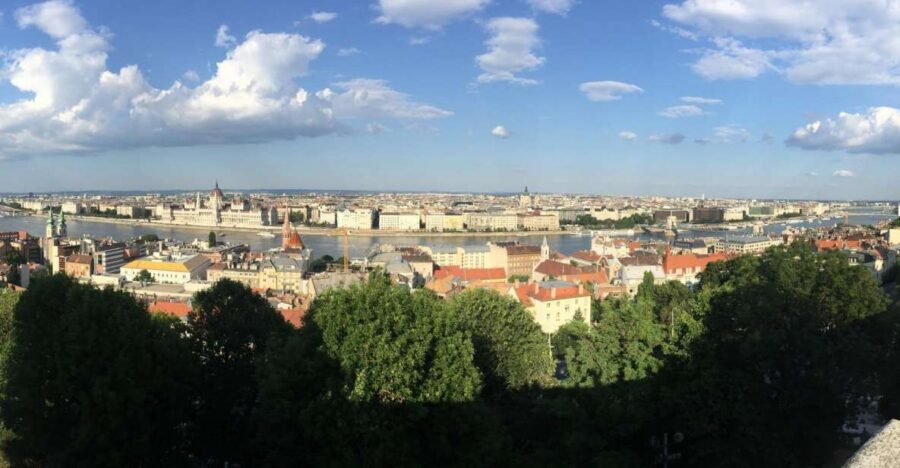
The real decision point is simple: you can keep it to the main visit, or you can optionally go up to the top for the view. That view option is a big deal for two reasons. First, it helps you understand the river and the way the hills frame the city. Second, once you see the skyline layout from above, the later Castle Hill section lands harder—Fishermen’s Bastion and Matthias Church don’t feel random. They feel placed.
Keep in mind: because the tour is about 3.5–4 hours total, choosing the top view may tighten the schedule for other stops. If you prefer a calmer pace, you can skip the climb and still get the essentials.
Castle Hill done right: Fishermen’s Bastion and Matthias Church without chaos
The tour takes you to Castle Hill, including Fishermen’s Bastion and Matthias Church. This is the part of Budapest that most people want to see, but it’s also the part where self-guided trips can turn into zig-zagging and dead-end searching.
With a guide, you get a clearer route and better timing for viewpoints. Fishermen’s Bastion especially benefits from explanation because it’s not only a “stand here and shoot” stop. Your guide can help you notice proportions, the way viewpoints are controlled, and what the design is trying to communicate.
Then you move to Matthias Church, which adds a different layer of meaning. The combination of these two stops works well because it balances “fortress viewpoint” with “religious-art identity.” You’re not just seeing two landmarks—you’re seeing how Budapest expresses power, belief, and art in the same hill zone.
If you want a strong sense of the city’s age and evolution, this is where it clicks. The tour frames it as over 1,000 years of Hungarian history, and Castle Hill is where that idea becomes physical.
You can also read our reviews of more private tours in Budapest






Millennium Underground: the ride that turns transit into sightseeing
One of the most fun and practical inclusions is a ride on the Millennium Underground—a UNESCO-protected transit line. Yes, it’s transportation. But it’s also a time capsule, and your guide treats the ride like part of the story, not a boring intermission.
Why that matters: many Budapest itineraries force you to choose between “getting around” and “seeing.” This tour merges them. You’ll feel like you’re using local tools rather than just hopping between attractions.
Also, the Underground ride can help you cross between areas with less fatigue. That’s important because walking is only part of your day; the climbs and viewpoints later will demand your legs. A short transit reset is a smart way to keep energy for the best views.
The cafe break: a drink, a chat, and the social layer most tours skip
This tour includes a coffee or soft drink in a beautiful historical café with your guide. This isn’t included just for comfort—it’s where you learn how Budapest life feels day-to-day.
Because your guide is local, the conversation tends to cover more than architecture. You might hear how people relate to the city, what daily rhythms look like, and what’s normal here that surprises newcomers. That kind of information makes the monuments feel less like stage sets and more like parts of a living city.
A useful tip: this is a good time to ask real questions. If you want recommendations for neighborhoods, public transit tips, or how to handle timing for viewpoints, ask during the café stop while your guide is right there.
Skip-the-line help, but plan your entrance budget
The tour doesn’t include entrance fees. That means you’ll still need to pay for ticketed sites if you choose to go inside or climb where required. The upside is that the tour notes a skip the ticket line option when entering with the guide, thanks to the guide’s official licensing.
This is worth considering if you’re traveling in busier months. You can avoid wasting time standing around while the rest of your group is waiting outside. Still, because fees aren’t included, build a realistic add-on budget for anything you decide to enter beyond what’s covered by the tour route.
Price and value: what $377 per group buys you in real terms
At $377 per group up to 30, the price is clearly structured for private group value rather than individual solo pricing. To judge whether it’s a good deal for you, I’d think in terms of what you’re buying:
- A professional, licensed art historian guide (not just a general city host)
- Hotel pick-up so you don’t lose time meeting in a hard-to-find spot
- Transport support, including return public transport tickets
- A café drink included
- A tour route that covers major “both sides” landmarks in about 4 hours
If you’re a couple, a small family, or a group of friends who want the best first-day coverage without planning every leg, this can pencil out. If you’re traveling solo, the “per group” pricing might feel less flexible, unless you’re booking with others.
Also, the “no entrance fees included” detail matters. If you plan to enter multiple ticketed sites or do the optional view climb, the final spend will rise. The good news is you get skip-the-line support for entries you choose.
Who should book this Budapest Buda–Pest walking tour
You’ll be a good fit if you want your first Budapest visit to feel structured but not stiff. This is ideal for people who like learning while walking, appreciate art-and-architecture explanations, and prefer to see the city from viewpoints rather than just streets.
It’s also smart for anyone who wants both sides of the river in a single half-day, with public transport used efficiently instead of avoided. And because the tour is offered in multiple languages (including English, Spanish, French, Italian, Portuguese, and Russian), you can match your group’s needs.
If you’re the type who hates any history talk, you might find the art historian focus a bit heavy. But if you’re curious about why the buildings and layouts look the way they do, you’ll likely enjoy this structure.
Should you book BUDA and PEST Private Walking Tour?
Book it if you want a high-quality “first-or-second day” Budapest plan that covers the biggest sights with less confusion, plus a guided explanation that helps the city make sense fast. I especially think it works well if you like the idea of riding the Millennium Underground, then stepping into the Basilica and finishing on Castle Hill with real skyline context.
Skip it if you already know you only want one neighborhood deeply, or if you plan to do mostly independent sightseeing with minimal guidance. In that case, you might prefer a lighter self-guided itinerary.
FAQ
FAQ
Where does the tour start?
The guide meets you at a previously arranged spot, such as your hotel reception, your apartment, or another location you agree on.
How long is the BUDA and PEST private walking tour?
It lasts about 4 hours (around 3.5 to 4 hours).
What’s included in the price?
Included items are a professional licensed art historian guide, hotel pick-up, a drink (coffee or soft drink), and a return ticket on public transportation.
Are entrance fees included?
No. Entrance fees are not included, though the tour offers a skip-the-line ticket option if you choose to enter sights with the guide.
Does the tour include the Millennium Underground?
Yes. The experience includes a ride on the Millennium Underground, which is UNESCO protected.
What languages is the guide available in?
The tour is available in Spanish, English, French, Italian, Portuguese, and Russian.