REVIEW · BUDAPEST
Historical and Cultural Walking Tour in Budapest
Book on Viator →Operated by György Rashad Salamon · Bookable on Viator
Budapest’s landmarks have better context. In this private, 4-hour walking tour, you cover big sights in Pest and Buda while a guide explains how Hungarians lived, what shaped the city, and why these buildings matter. I like tours that don’t just point and move, and this one does that with a personal guide who can also tweak the route to fit your pace.
Two things I really liked: on-foot hotel pickup that gets you started easily, and the way the guide ties each stop to daily life and politics, not just dates. I also liked how the group stays small, so questions don’t get lost in the crowd.
One possible drawback to plan around: this is still a walking-focused route with a moderate physical fitness expectation, so if you want a slow, stop-and-sit style tour, you’ll need to ask for pace adjustments early.
In This Review
- Key highlights worth planning for
- Starting at Deák Ferenc tér: how the 4-hour route really works
- Heroes’ Square: the story behind Hungary’s biggest statues
- City Park and Vajdahunyad Castle: a 1000-year style “time machine”
- Széchenyi bath culture: why thermal water matters in Budapest
- Andrássy Avenue: the “Champs-Élysées” vibe with Hungarian style
- Hungarian State Opera House: a building with real stories
- St. Stephen’s Basilica: the Holy Right Hand
- Liberty Square to Hungary’s Parliament: politics in plain view
- Chain Bridge and Buda Castle: the royal seat and the river crossing
- Price and value for a private half-day tour
- Who this Budapest tour is best for
- Should you book this tour?
- FAQ
- How long is the tour?
- Where does the tour start and end?
- What time does the tour begin?
- Is hotel pickup included?
- What’s the maximum group size?
- Is food or transportation included?
Key highlights worth planning for
- Small-group feel (max 10 travelers on this experience) that keeps the tour from feeling rushed
- Hotel pickup on foot so you’re not left figuring out where to meet in traffic
- Heroes’ Square to Buda Castle: a route that connects the city’s major power centers
- Andrássy Avenue sights including the Hungarian State Opera House area
- St. Stephen’s Basilica stop tied to a very specific Hungarian relic, the Holy Right Hand
- Flexible itinerary so you’re not stuck with a cookie-cutter script
Starting at Deák Ferenc tér: how the 4-hour route really works
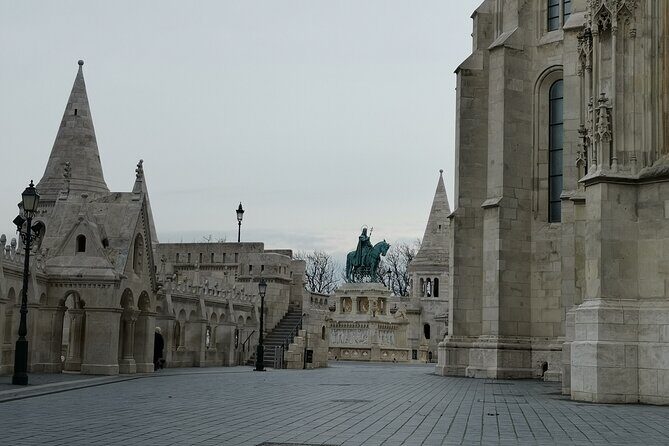
This tour starts at Deák Ferenc tér around 9:00 am and loops back to the same meeting point at the end. That matters because you can treat the rest of your day as a reset instead of scrambling to get across town afterward.
You’ll get professional guidance throughout, and the experience includes on-foot hotel pickup, which is a lifesaver in a city where one wrong turn can mean a long detour. The tour is designed as a half-day, roughly 4 hours, which means you’ll see a lot—so you’ll want to arrive ready to walk and listen at the same time.
One more practical note: the itinerary is walking-based, but the tour context also leans on using transit when it helps you move efficiently. In my case, that meant I wasn’t stuck marching long stretches without purpose. You’ll still get the pedestrian experience where it counts: at the squares, major landmarks, and viewpoints that explain Budapest.
You can also read our reviews of more walking tours in Budapest



Heroes’ Square: the story behind Hungary’s biggest statues
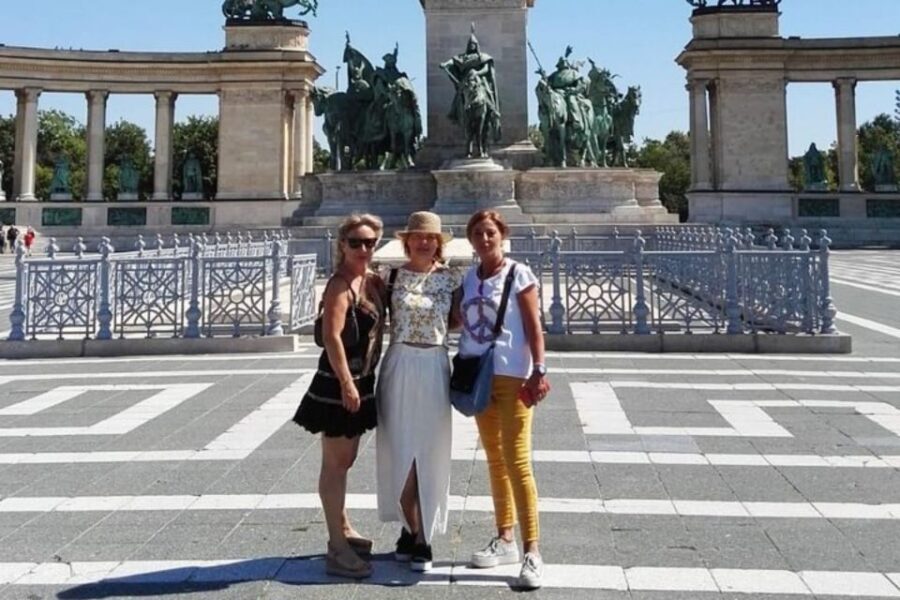
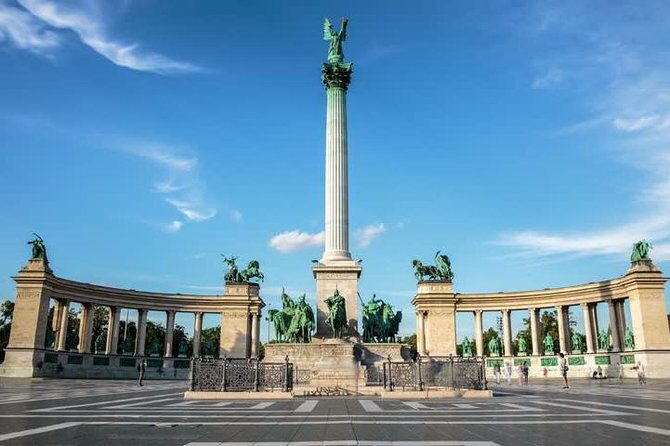
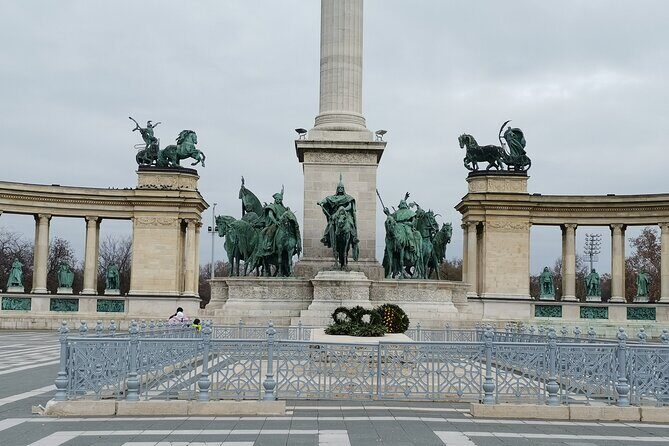
You kick off at Heroes’ Square, one of Budapest’s most iconic spaces. The big draw here is the monumental statuary and what it represents in Hungarian history—this is the kind of place where you can take photos on your own, but you’ll miss the why.
A good guide makes the square feel less like a postcard and more like an explanation of identity. Here, you start with the roots of the Hungarians, and that sets up everything you’ll see later—especially once you hit the Parliament area and the royal zones in Buda.
This is also a quick stop (about 20 minutes). That’s intentional. You’re not there to sit on a bench and read; you’re there to get the historical framing so the next sites land with meaning.
City Park and Vajdahunyad Castle: a 1000-year style “time machine”
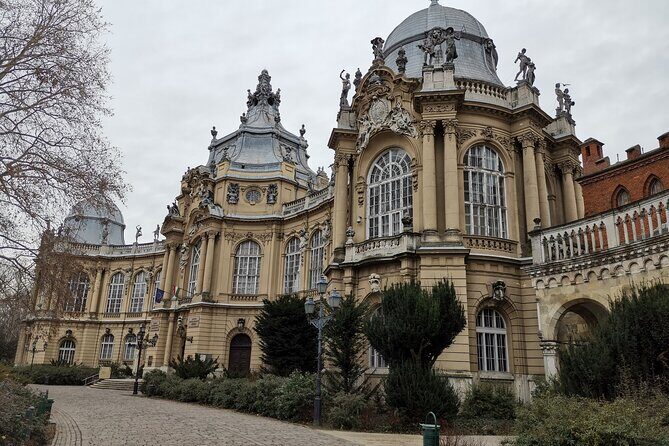
Next comes City Park, and this is one of the best transitions in the whole route. City Park is described as one of the first public parks designed for relaxation, and it shows in how it feels like a breathing space between landmark stops.
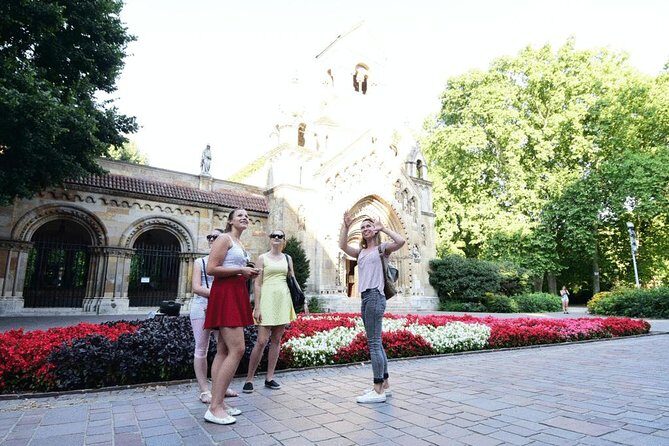
Within that park you’ll reach Vajdahunyad Castle, built to embody around 1000 years of Hungarian architecture. I love stops like this because the building becomes a lesson. It’s not just a pretty structure; it’s a visual shortcut to how styles and eras shaped the country.
The stop is about 45 minutes, and the plan includes a look inside, at least during the time you’re there. The downside of a half-day itinerary is that you won’t have hours to wander freely. The upside is that you get a focused route through a busy park without spending your energy getting lost.
Széchenyi bath culture: why thermal water matters in Budapest
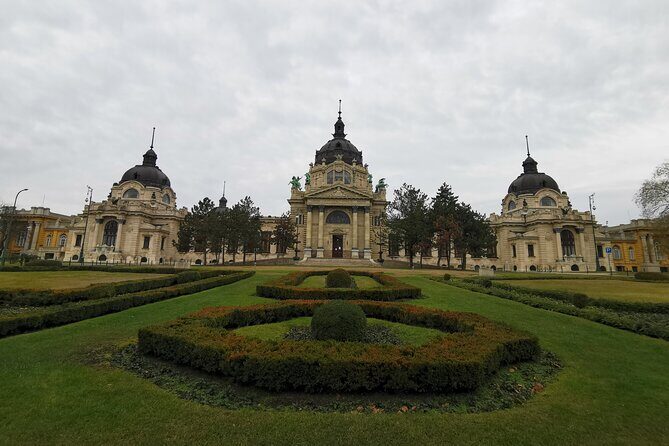
During the walk in City Park, you’ll also spot the Széchenyi bath area and talk about Hungary’s thermal water culture. This kind of stop is easy to overlook when you’re rushing from monument to monument, but it’s a key part of real Budapest life.
Why it’s valuable: in Budapest, baths aren’t just tourist attractions. They’re part of how people socialize, recover, and mark routines—especially in a city where the thermal-water story is a defining feature. You’re not going to get an in-depth bath visit here like a dedicated wellness tour, but you will get the cultural context so the sight doesn’t feel random.
If you’re the type who loves rituals and local habits, this segment is a strong reason to choose a guided route instead of a self-guided wander.
Andrássy Avenue: the “Champs-Élysées” vibe with Hungarian style
From the parks you move to Andrássy Avenue, Budapest’s grand boulevard often compared to Paris in feel. This area is lined with Neo-renaissance mansions and townhouses, plus high-end boutiques and restaurants.
What I like about going here with a guide is the pacing. You don’t just walk along; you learn what to notice—how the architecture signals status, how the avenue became a stage for prestige, and why it’s important in the city’s visual identity.
You’ll spend about 30 minutes here, which is enough time to take in the big facade moments without turning it into an endurance test. If you plan to shop or grab coffee after the tour, you’ll also appreciate that you’ve already oriented yourself along a main artery.
You can also read our reviews of more historical tours in Budapest



Hungarian State Opera House: a building with real stories
The tour then visits the Hungarian State Opera House (Magyar Állami Operaház). This is one of those landmark exteriors that people notice, but few people know what to look for unless someone explains it.
The plan is about 25 minutes, and it’s framed as the most beautiful building on Andrássy Avenue with an interesting story. A good guide helps you read the design language and connect it to the cultural life Budapest built around music, performance, and national pride.
The practical value: even if you don’t have time for a full opera or performance, you still get the cultural meaning in a short window.
St. Stephen’s Basilica: the Holy Right Hand
Next is St. Stephen’s Basilica (Szent Istvan Bazilika), and this stop is short—around 15 minutes. Even so, it’s memorable because the basilica houses a key relic tied to the first king of Hungary: the Holy Right Hand, described as the mummified hand of St. Stephen.
That detail changes the experience. You don’t just see a church; you understand why it matters in the national story. If you’re into how religion and power overlap in European cities, this stop gives you a focused entry point without pulling you into a long museum schedule.
The tradeoff is time. You’ll want to move with your guide’s flow and maybe plan a return later if you want more time inside.
Liberty Square to Hungary’s Parliament: politics in plain view
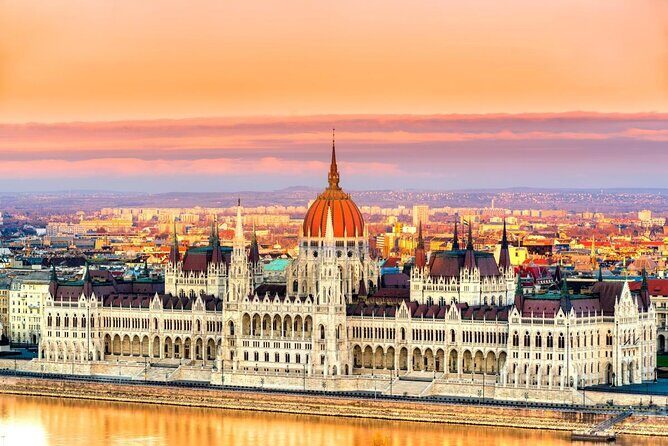
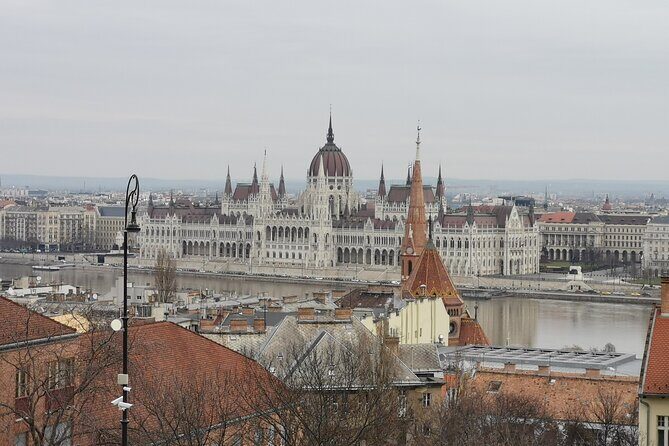
After the basilica, you cross through Liberty Square toward the Hungarian Parliament building. This segment is built for storytelling: the guide connects the area with political life through different periods—covering dictatorship, communism, and democracy.
This is a powerful kind of walking tour stop because you can see the symbols and then get the explanation. On your own, you might admire the Parliament as an architectural showpiece and stop there. With the guide, you’re nudged to think about who had power, how it changed, and how public spaces reflect that.
Since this is within the tour’s time-boxed half day, you won’t get deep political lectures. But you’ll get enough context to understand what you’re looking at and why locals treat it as more than a photo stop.
Chain Bridge and Buda Castle: the royal seat and the river crossing
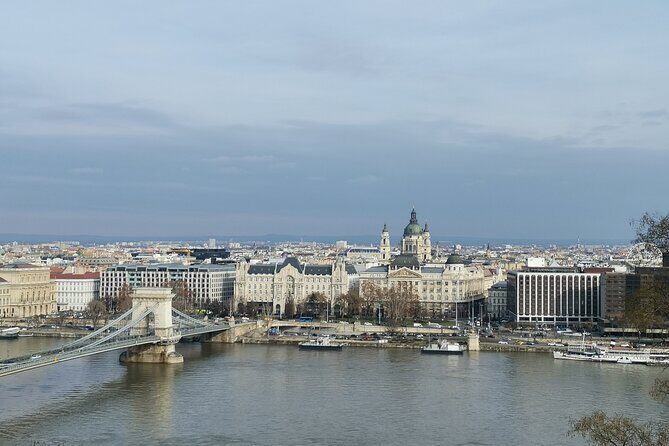
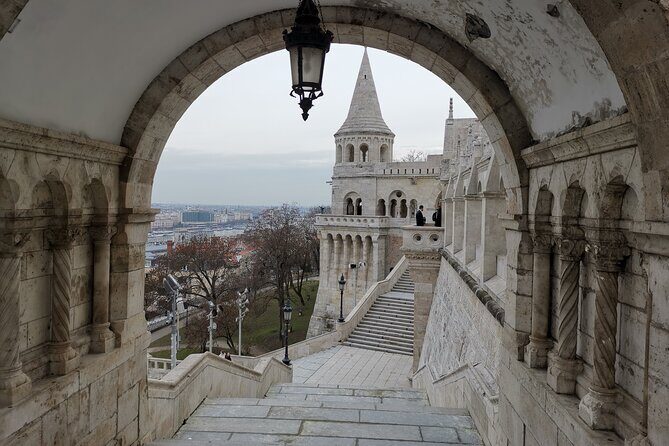
The route finishes on the Buda side, continuing to the medieval Buda Castle, the residency place of Hungarian Kings from the 14th century. You also cross the famous Chain Bridge, which is an essential Budapest move for views and for understanding how the city is physically organized across the river.
This section is about 1 hour, so it’s your main chance to slow down and take in the feel of the old royal zone. It’s also where the tour earns its walking-tour badge: you’ll be outside, changing viewpoints, and seeing how the city’s two halves relate.
One consideration: because this is the final big zone, crowds can affect how quickly you pass through certain areas. The upside is that your guide can help you keep moving and still make the stop meaningful.
Price and value for a private half-day tour
At $277.64 per group (up to 15 listed, and a maximum of 10 travelers on this run), you’re not paying per person. That pricing structure can be a solid value if you’re traveling with friends or family who can share the group cost.
For me, the value isn’t just the landmarks—it’s the context. You’re covering a big sweep of Budapest: Heroes’ Square, City Park and Vajdahunyad Castle, Andrássy Avenue, the Opera House area, St. Stephen’s Basilica, Parliament, and Buda Castle. Without a guide, you can of course hit the sites, but you’ll spend more time figuring out what to look for and less time understanding why the city developed the way it did.
Also note what’s and isn’t included. The tour includes a professional guide and hotel pickup. It does not include food and drinks, and transportation tickets are not included. So if you’re trying to keep costs predictable, you’ll likely want to plan for a snack or lunch on your own outside the tour time window.
Finally, the tour lists mobile ticket and free admission for the listed stops, which helps avoid the annoying “wait, what do we pay for now?” feeling. Just keep in mind that the exact inside experience depends on what’s available during your visit.
Who this Budapest tour is best for
This experience fits best if you want a guided walk that covers major highlights without turning into a museum sprint. It’s ideal for you if you:
- want real stories connecting sites across Pest and Buda
- appreciate cultural context like Hungarian architecture, political change, and bath culture
- prefer a small group where your questions have room to breathe
- like the idea of customizing the itinerary rather than following a fixed script
It may be less ideal if you want a long, slow, sit-everywhere tour. This one is built for momentum. It also assumes moderate physical fitness, so plan for steady walking.
Should you book this tour?
Book it if you’re short on time and want Budapest’s highlights explained in a way that helps them click. The combination of hotel pickup, a small group, and stops that connect to the country’s stories is the winning formula here.
Skip or reconsider if you’re the kind of traveler who loves total freedom and doesn’t care about context, or if you know you want lots of unstructured time inside churches and castles. For everyone else, this is the kind of half-day that gives you a strong mental map fast, so the rest of your Budapest trip feels less like a checklist and more like understanding the city.
FAQ
How long is the tour?
The tour is approximately 4 hours.
Where does the tour start and end?
It starts in Budapest at Deák Ferenc tér, Hungary and ends back at the same meeting point.
What time does the tour begin?
The start time listed is 9:00 am.
Is hotel pickup included?
Yes. Hotel pickup is included, and the highlights mention pickup offered (on foot).
What’s the maximum group size?
This experience has a maximum of 10 travelers. The price is listed per group up to 15, but the tour itself is capped at 10.
Is food or transportation included?
No. Food and drinks are not included, and transportation tickets are not included.