REVIEW · BUDAPEST
PRIVATE Budapest Jewish Heritage Walking Tour – Food Tasting
Book on GetYourGuide →Operated by Roll On Magyarország Kft. · Bookable on GetYourGuide
Jewish Budapest hits hard and smart. I like how it stays private and story-driven, and I love the planned coffee-and-flódni stop. It’s a tight format that helps you connect names, buildings, and memory without feeling rushed.
You’ll see major landmarks from the outside, including the Dohány Street Synagogue with its Moorish-Romanesque style, and you’ll pause at the Shoes on the Danube Bank memorial. The guide on this tour is often described as pleasant to walk with, with Levante specifically called out for being patient and even waiting when someone is late.
One consideration: food and drinks are not included in the price, and synagogues are exterior-only unless you buy separate tickets. Plan a little extra budget so the experience stays enjoyable instead of stressful.
In This Review
- Key takeaways before you go
- Jewish Quarter in Two Hours: What Makes This Walk Worth It
- Meeting at Starbucks on Fashion Street and Getting Oriented Fast
- Electrotechnical Museum Stop: A Smart Start Before the Streets
- Kazinczy Street Synagogue: A Short Stop With an Impact
- Ghetto Memorial Wall and Shoes on the Danube Bank: When the Walk Gets Real
- Dohány Street Synagogue Exterior: Moorish-Romanesque in Plain View
- Rumbach Street Synagogue: Art Nouveau Details You’ll Want to Notice
- Kóser Piac / Kosher Market: Jewish Daily Life in One Stop
- Babka Deli Break: Hungarian Coffee and Flódni Without the Guesswork
- Optional Upgrade: Jewish Museum Add-On for More Historical Detail
- Nearby Suggestions Your Guide Can Point Out
- Price and Value: Paying for a Private Story Thread
- Who This Tour Fits Best (and Who Might Want a Different Option)
- Should You Book This Private Budapest Jewish Heritage Walking Tour?
- FAQ
- How long is the Budapest Jewish Heritage walking tour?
- What does the tour cost per person?
- Is this a private tour?
- What language is the live guide?
- Is the tour wheelchair accessible?
- Does the tour include entry into synagogues?
- Is food and drinks included in the tour price?
- Where do we meet for the tour?
- What Holocaust memorials are included?
- Can I cancel for a full refund?
Key takeaways before you go
- Private pace in the Jewish Quarter: you get a guided route built around context and key stops.
- Dohány Street + Rumbach Street architecture: both are seen from outside, with clear explanations of style details.
- Holocaust remembrance moments: the walk includes both the Shoes on the Danube Bank memorial and the Ghetto Memorial Wall.
- Coffee and flódni at Babka Deli: you’ll have a scheduled break, but your food bill is separate.
- Kosher Market experience: Kóser Piac is included as a look at everyday Jewish life, not only monuments.
Jewish Quarter in Two Hours: What Makes This Walk Worth It

This tour is built for people who want real context without having to plan a whole day. You get a guided walk through Budapest’s Jewish Quarter where the guide ties together faith, community life, and the historical shocks that shaped the city. It’s the kind of route that helps you look at buildings and instantly understand why they matter.
The two strongest parts for me are the balance of architecture and remembrance. You’re not just taking photos of impressive facades; you’re also stopping at places designed to make you reflect. The second strength is the food break: the planned Hungarian coffee and flódni give you a normal, human moment right in the middle of heavy history.
The format also matters. At two hours, you’re not stuck in a long loop of waiting around. It’s short enough that you can stay alert, ask questions, and still feel like you got something usable out of it.
You can also read our reviews of more walking tours in Budapest


Meeting at Starbucks on Fashion Street and Getting Oriented Fast
Your day starts in a very practical way: meet in front of Starbucks on Fashion Street, where a colleague waits with a ROLLON board. I like this setup because it’s easy to find and you can spot your group quickly, even if you’re juggling jet lag and your first day in Budapest.
From there, the tour stays on foot. You’ll be walking through the Jewish Quarter area and mixing in brief stops that keep the pace steady. Because this is a private group tour, the guide can adjust the speed to your party instead of forcing everyone into a fixed conveyor-belt rhythm.
One more nice detail for logistics: the tour runs in English. If you’re comfortable with English but want to skip the stress of translating history on your own, that’s a big plus.
Electrotechnical Museum Stop: A Smart Start Before the Streets
Early on, you’ll get a guided visit at the Hungarian Electrotechnical Museum. That opening works better than you might expect. Rather than jumping straight into religious landmarks, you start with a museum setting—something structured—so the guide can frame what you’ll see next as part of a larger story of the city.
This is also where you can expect the tour to “get moving.” The museum segment includes guided tour and sightseeing, and then you transition back to walking. In practice, that means you avoid the common problem of arriving in a neighborhood, then only later realizing you needed context before looking at the buildings.
If you care about how different periods of Budapest shaped the Jewish community’s world, this first stop gives you a cleaner mental runway for the rest of the walk.
Kazinczy Street Synagogue: A Short Stop With an Impact
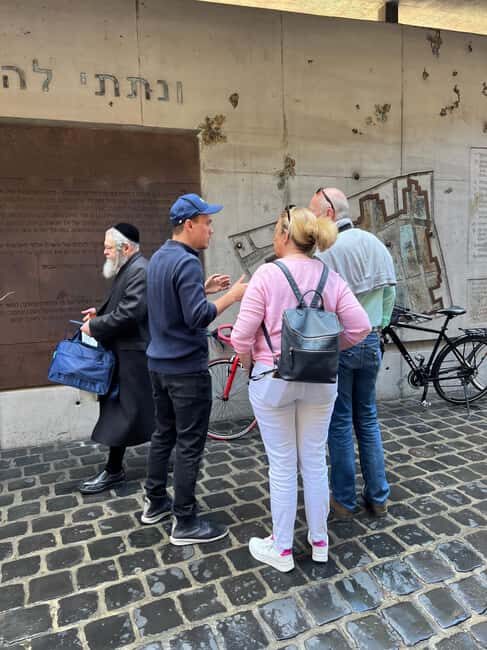
Next comes the Kazinczy Street Synagogue area for a guided look (about 10 minutes). Since the tour does not include entry into synagogues, you should think of these stops as exterior-focused. Still, a good guide can make a short exterior visit feel substantial by pointing out details you’d normally miss.
This stop is valuable for orientation. Seeing more than one synagogue on the same walk helps you notice how varied Jewish architectural presence was in the city. The guide’s explanations turn the differences into meaning, not just style trivia.
If you’re the type who likes to understand why a place looks the way it does, you’ll appreciate how the guide keeps tying each location back to the community’s presence over time.
Ghetto Memorial Wall and Shoes on the Danube Bank: When the Walk Gets Real
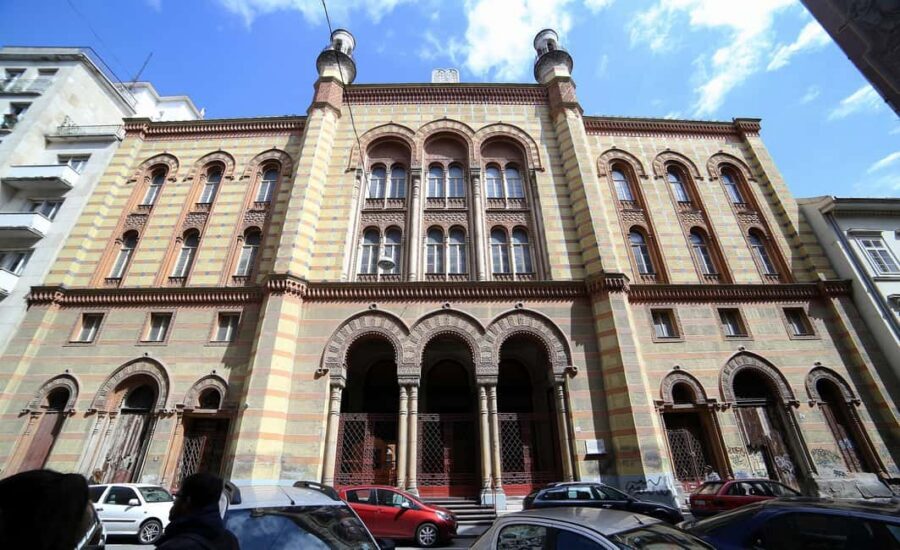
The walk includes two major Holocaust remembrance points, and this is where the tour shows its seriousness.
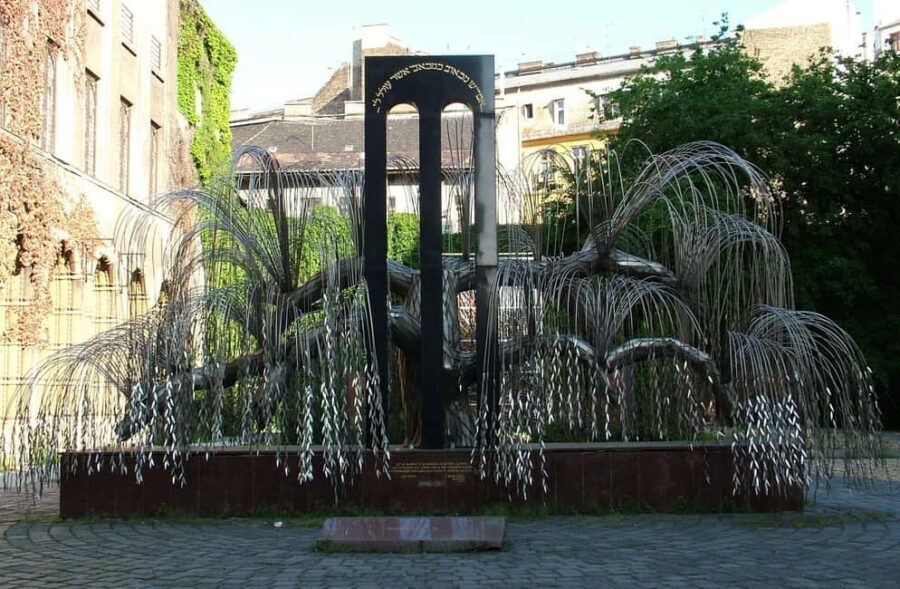
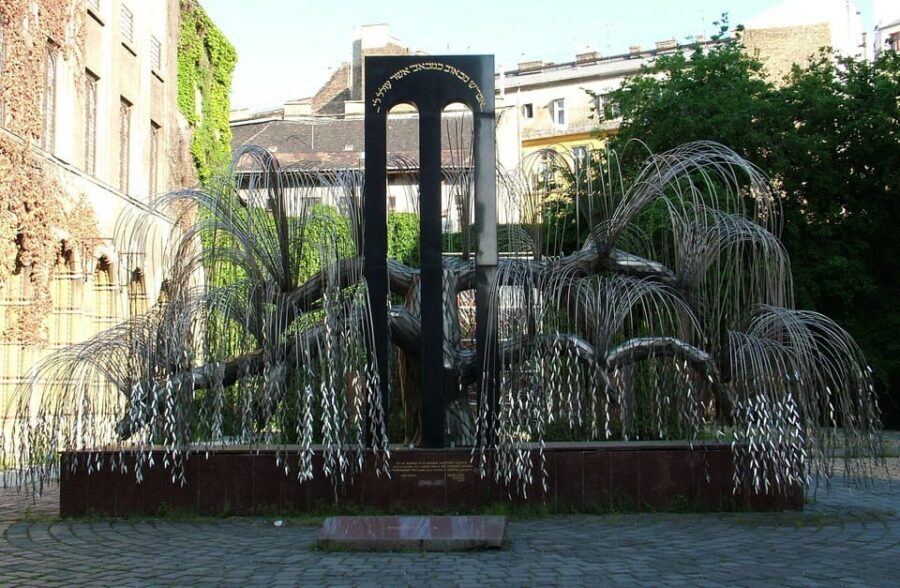
You first visit the Ghetto Memorial Wall. Then later you stop at the Shoes on the Danube Bank Holocaust memorial. The Shoes memorial is specifically commemorating victims of World War II, and it’s designed to make you face the human cost rather than stay at a distance.
For me, the key is the pacing. A private guided walk makes it easier to handle the emotional weight without the pressure of matching someone else’s footsteps. A good guide also knows how to set expectations so you’re not blindsided by the tone shift.
If you prefer learning in small, guided segments (instead of reading plaques alone), these memorial moments are one of the best reasons to book this exact format.
You can also read our reviews of more food & drink experiences in Budapest




Dohány Street Synagogue Exterior: Moorish-Romanesque in Plain View
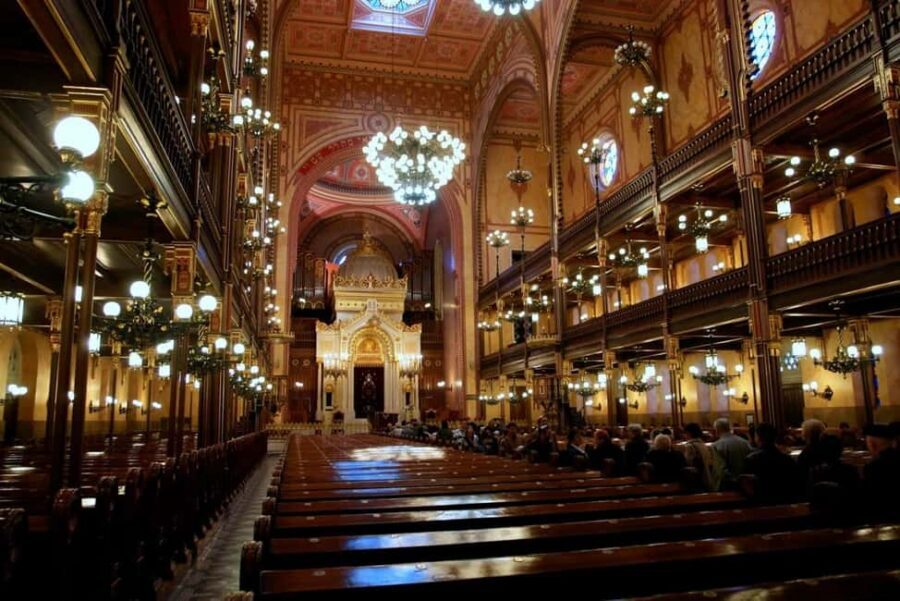
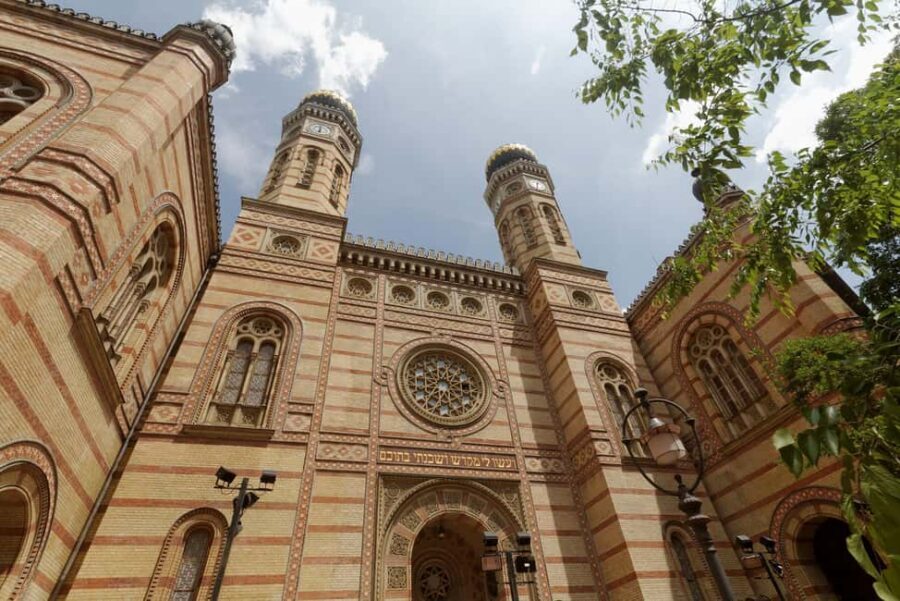
The Dohány Street Synagogue stop is around 10 minutes for sightseeing from the outside. Even without entering, it’s a dramatic place to understand Budapest’s Jewish architectural identity.
The guide calls out the synagogue’s fusion of Moorish and Romanesque style. That mix matters because it helps explain how the building signaled both cultural identity and connection to European architectural trends. You’re not just seeing a big structure; you’re seeing a statement made in stone.
If your goal is to get the “big picture” quickly, this is the sort of landmark you want on your first Jewish Quarter walk. And because it’s included in a tightly timed private tour, you can get the context without needing to hunt for the best viewpoint on your own.
Rumbach Street Synagogue: Art Nouveau Details You’ll Want to Notice
In addition to Dohány Street, you’ll also see the Rumbach Street Synagogue from the exterior. This is another architecture-focused stop, but with a different vibe: Art Nouveau details and stained-glass windows are part of what the guide highlights.
This is a fun contrast. One building gives you the Moorish-Romanesque blend. The other leans into Art Nouveau elements that can feel more delicate from certain angles. If you like comparing styles across a small geographic area, this stop is where your brain starts connecting dots.
Because the tour keeps it exterior-only, plan to spend a few extra seconds looking upward or at window shapes—things that you can miss if you just keep moving. A guide’s directions help, but your eye still does the work.
Kóser Piac / Kosher Market: Jewish Daily Life in One Stop
After the big monuments and architecture, the tour takes you to Kóser Piac / Kosher Market for a guided look and walk through the area. This is valuable because it shifts you from “major sites” to the texture of everyday life.
Even if you don’t plan to buy anything, this kind of stop helps you understand that Jewish history in Budapest isn’t only museums and memorials. It’s also food culture, community routines, and local shopping rhythms. A guide can point out what to notice so you don’t just see crowds and storefronts without meaning.
If you’re a foodie who likes grounding cultural history in what people actually eat and buy, this market stop makes the later meal feel more connected.
Babka Deli Break: Hungarian Coffee and Flódni Without the Guesswork

The tour includes a break at Babka Deli with brunch and food tasting. This is where the highlights you’re expecting come to life: aromatic Hungarian coffee and traditional flódni.
A quick note on expectations: food and drinks are not included in the tour price, even though the stop is part of the experience. So you’re budgeting separately for your order. I like that the tour schedules the break anyway—it turns the meal into part of the cultural immersion rather than a random decision you make later.
Flódni is the kind of pastry you remember because it’s tied to local tradition. Pairing it with Hungarian coffee is a simple but smart way to make the walk feel complete: you’ve had the architecture, the memory stops, and then a taste of the neighborhood’s everyday flavor.
Tip: go in hungry enough to actually enjoy the tasting. If you arrive already full from pastries or a big breakfast, you’ll miss the point of the stop.
Optional Upgrade: Jewish Museum Add-On for More Historical Detail

If you want more context than a two-hour walk can provide, the guide offers an option to add a visit to the Jewish Museum. This requires an additional ticket.
This is a good add-on for people who want to connect the exterior stories to fuller timelines, artifacts, and broader background. The walking tour is structured for orientation and key moments; the museum is for detail.
Think of it like this: the street route helps you locate the story in space. The museum helps you fill in the story in depth.
Nearby Suggestions Your Guide Can Point Out
You’ll also get guidance on nearby places you might want after the walk. The guide can suggest additional Jewish Quarter and remembrance sites, including the Holocaust Memorial Center and the Raoul Wallenberg Memorial Garden.
This matters because it helps you keep your momentum. You’re not left wondering what to do next. A good guide’s “next steps” are often the difference between a great first walk and a first-time day that feels scattered.
Price and Value: Paying for a Private Story Thread
At $52 per person for a two-hour private tour, you’re mostly paying for two things: an English-speaking guide and an efficient route that mixes major landmarks with remembrance stops.
Food and drinks are not included, and synagogues aren’t entered on this tour. So the price is not “all-in” if you’re expecting meals and indoor visits to be covered. But you’re still getting value in the parts that matter for most visitors: the guided context, the tight sequencing, and the access to specific sites without you building the plan from scratch.
In my view, this is a solid deal for first-timers who want a focused introduction and then plan their own add-ons afterward (museum, synagogue tickets, or extra time in the market area). If your travel style is mostly self-guided and you don’t want a guide, then you might not feel the value as strongly.
Who This Tour Fits Best (and Who Might Want a Different Option)
This tour fits best if you:
- want a structured introduction to Budapest’s Jewish Quarter in a short time
- care about architecture details like Dohány Street’s Moorish-Romanesque mix and Rumbach Street’s Art Nouveau elements
- prefer guided remembrance moments at the Shoes memorial and Ghetto Memorial Wall
- like food culture and want a scheduled taste of flódni and Hungarian coffee
You might want a different setup if you:
- expect to go inside synagogues as part of the main price
- want food fully included in the tour cost
- hate walking in the 2-hour window and would rather do fewer stops
Should You Book This Private Budapest Jewish Heritage Walking Tour?
Yes, if your goal is a guided, emotionally grounded, architecture-aware Jewish Quarter walk that stays efficient and understandable. The best reason to book is the combination: synagogue exteriors, two Holocaust remembrance points, and a food break that makes the experience feel human instead of purely academic.
Before you book, just budget for meals and any optional museum or synagogue tickets. If you do that, you’ll end up with a clear mental map of the area and a set of names, buildings, and memories you can actually place.
If you want to get oriented fast and then choose your own next steps in Budapest, this private 2-hour format is a very practical way to do it.
FAQ
How long is the Budapest Jewish Heritage walking tour?
It lasts 2 hours.
What does the tour cost per person?
The price is $52 per person.
Is this a private tour?
Yes, it is a private group tour.
What language is the live guide?
The guide is available in English.
Is the tour wheelchair accessible?
Yes, it is wheelchair accessible.
Does the tour include entry into synagogues?
No. Synagogue entry is not included, and separate tickets may be purchased if desired.
Is food and drinks included in the tour price?
No. Food and drinks are not included. The guide will take you to a spot where you can order at your own expense.
Where do we meet for the tour?
Meet in front of Starbucks on Fashion Street, and look for a colleague holding a ROLLON board.
What Holocaust memorials are included?
The tour includes the Shoes on the Danube Bank Holocaust memorial and the Ghetto Memorial Wall.
Can I cancel for a full refund?
Yes. You can cancel up to 24 hours in advance for a full refund.