REVIEW · BUDAPEST
Historical and Cultural Guided Tour of Budapest
Book on Viator →Operated by György Rashad Salamon · Bookable on Viator
Budapest tells its story in one full day. This private, guided route is a fast way to understand Hungarian culture, not just see it, with smart context at major stops like Heroes’ Square and Parliament. I also like the way the itinerary spans both sides of the city, so you get the Danube memorials, grand boulevards, and medieval Buda sights without feeling like you’re sprinting blindly from one landmark to the next.
The one catch: entry tickets are extra, and if you want to go inside the Parliament, you’ll need to arrange an online ticket time in advance so the guide can adjust the schedule. Also, it’s a full 7 hours with a moderate pace and plenty of walking, so comfy shoes matter more than you’d think.
In This Review
- Key points before you go
- A private Budapest history day that actually connects the dots
- Heroes’ Square, City Park, and Vajdunyad Castle: the roots start in plain sight
- Andrássy Avenue and the Opera House: Budapest’s elegant boulevard hour
- Jewish Quarter in one hour: synagogues, the Holocaust Memorial, and ruin-bar culture
- St. Stephen’s Basilica and the Holy Right Hand
- Hungarian Parliament Building: the outside walk and the inside option
- Shoes on the Danube Bank to Chain Bridge: moving from memorial to medieval power
- Buda Castle and Fisherman’s Bastion: medieval walls and a photo-friendly finish
- Price and logistics: what $396.52 buys you in real terms
- Who this Budapest history tour is best for
- Should you book this Budapest history tour?
- FAQ
- FAQ
- How long is the Historical and Cultural Guided Tour of Budapest?
- Is this tour private, and is it offered in English?
- What is included in the price?
- Are entry fees included for the main sights?
- Do I need to book tickets in advance for an inside visit of the Parliament?
- What fitness level should I plan for?
Key points before you go
- Private guide attention for up to 15 people, with hotel pickup so you start the day without fuss
- One-day sweep of Pest to Buda, covering history, religion, politics, and memorial sites
- City Park + Vajdahunyad Castle in a walk that pairs leisure with architectural storytelling
- Andrássy Avenue and the Hungarian State Opera House for the grand-boulevard feel of Budapest
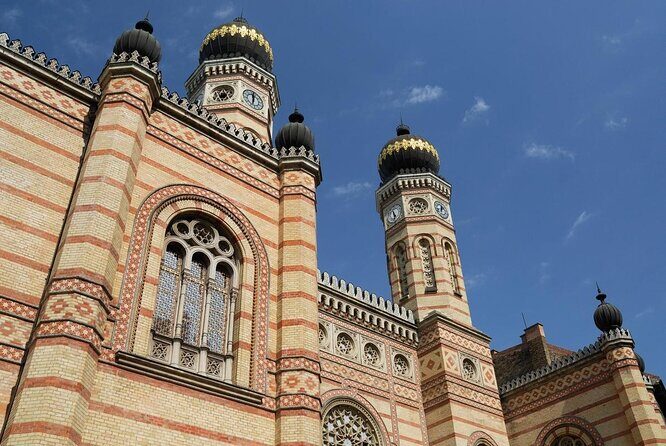
- Jewish Quarter highlights, including the largest synagogue area, the Holocaust Memorial, and ruin-bar culture
- Danube Shoes to Buda Castle to Fisherman’s Bastion, a powerful sequence that ends with big city views
A private Budapest history day that actually connects the dots
This is the kind of tour that helps you make sense of Budapest instead of treating it like a checklist. You get a local guide leading you through the city’s main historical layers, and the private format means the day can flex based on what you care about most.
The route runs for about 7 hours starting at 9:00 am, and you should expect a moderate fitness level. The tour mixes walking with transit when needed, and that matters because Budapest’s hills and distances can turn a “quick sightseeing day” into a leg workout if you plan poorly.
Language is English, and the experience includes hotel pickup and a mobile ticket, which helps on a long day when you don’t want extra admin. For me, the biggest practical win is staying with one guide while you cross from Pest’s political and cultural centers to Buda’s royal past. That flow makes the city feel coherent.
You can also read our reviews of more guided tours in Budapest

Heroes’ Square, City Park, and Vajdunyad Castle: the roots start in plain sight
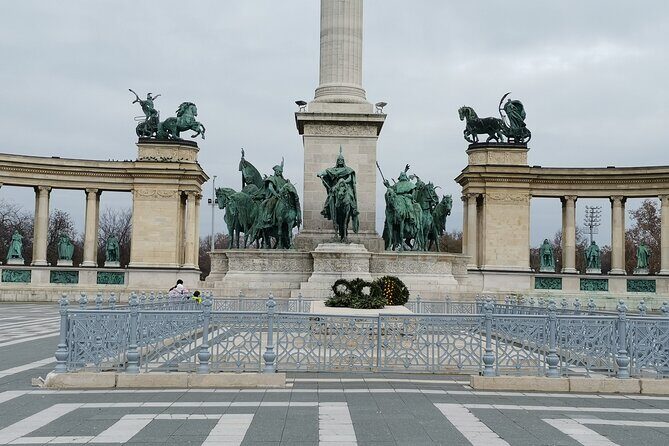
Most first-time sightseeing days start with a viewpoint. This one starts with meaning, and that’s the difference. At Heroes’ Square, you begin with the iconic statues of major figures from Hungarian history. It’s a strong opener because you’re not yet worn out by transport or crowds, so the stories land better.
From there you move into Budapest’s City Park, known as one of the world’s first public parks. This is a calmer block in the schedule, built for a stroll rather than a sprint. It also sets you up for the architectural stop that follows, because you’ll start seeing Budapest as something planned and intentional, not just built by accident across centuries.
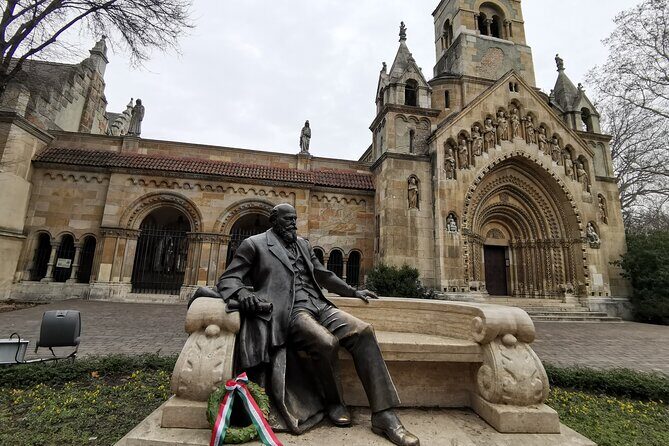
Next is Vajdahunyad Castle, a kind of architectural “time capsule.” The key idea is that it’s a pastiche that shows how Hungarian architecture evolved across centuries and styles. Even if you only have a short window there, it helps you notice details on your own later, because the guide’s framing turns the building into a lesson, not just a photo.
During your City Park walk, you’ll also see the largest spa in Europe. You might not go inside on this schedule, but spotting it reminds you that Budapest’s identity isn’t only political and historical. Water and baths are part of the city’s daily culture too, even for people who never plan a spa day.
Andrássy Avenue and the Opera House: Budapest’s elegant boulevard hour
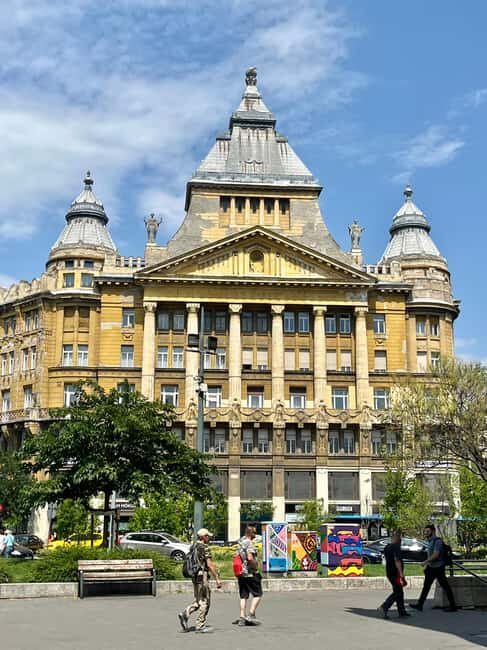
If you’ve ever wondered why people call Budapest impressive even when the day is gray, Andrássy Avenue is your answer. This stretch is often described as Budapest’s own Champs-Élysées feel, lined with neo-renaissance mansions and townhouses. It’s also where you get the sense of wealth and refinement in the city’s urban design, plus everyday street life like boutiques and coffee houses.
The tour keeps this part efficient at about 30 minutes, which is smart. You’re not stuck staring at façades for an hour when you have a lot of other sites to cover. Instead, you get just enough time to absorb the scale, then the guide points you toward what to watch for as you walk.
Then you reach the Hungarian State Opera House (Magyar Állami Operaház). The schedule calls it one of the most beautiful buildings on Andrássy Avenue, and the visit is set up to help you understand why the opera house is more than a pretty exterior. Even when you’re not going inside, seeing the structure in context on the boulevard makes it feel like part of Budapest’s bigger cultural story.
Practical note: this segment is still sightseeing, but it tends to be easier on your feet than some of the more uphill stops later. It’s a good middle-of-the-day break before the deeper history stops begin.
Jewish Quarter in one hour: synagogues, the Holocaust Memorial, and ruin-bar culture
The Budapest Jewish Quarter section is one of the most emotionally and historically heavy parts of the day, and it’s also one of the most interesting culturally. You’ll spend about 1 hour here, which is short, but enough to get the big landmarks and the overall context.
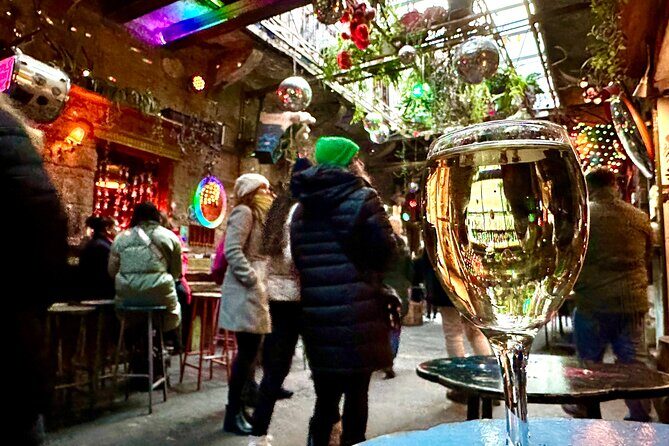
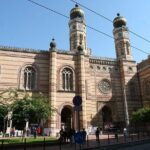
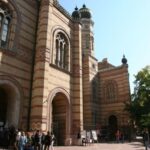
The tour highlights include the largest synagogue in Europe area, the Holocaust Memorial, and the neighborhood’s reputation for ruin bars. That combination matters because the Jewish Quarter isn’t only a history lesson. It’s also a living neighborhood where people actually gather, eat, and socialize.
You’ll also get a clearer sense of how the area was used historically, including that it was once the ghetto. The guide’s job here is not just to name sites, but to connect what you’re seeing with the history behind it, so you leave understanding the why, not just the what.
Consideration: this stop includes admission not included, so if you plan to go into specific spaces inside the area, budget for tickets. Even if you don’t go inside every stop, the memorials and key landmarks still make this hour feel worthwhile.
St. Stephen’s Basilica and the Holy Right Hand
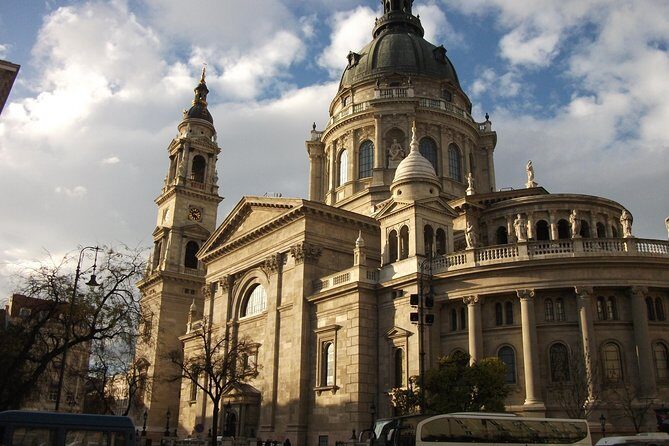
Next up is St. Stephen’s Basilica (Szent István Bazilika), and the tour frames it around a very Hungarian story. This is the largest church in Budapest dedicated to Hungary’s first king, and it has a specific relic tied to national identity: the Holy Right Hand, a mummified hand of St. Stephen.
The visit time is about 20 minutes, which is enough for a focused look without dragging. Basilica interiors can be overwhelming if you wander randomly, so the guide’s context helps you notice the right things instead of getting lost in the scale.
This stop also works well for photos, but more importantly, it gives you a religious and historical thread that ties back to the earlier monuments. You start to see how rulers, symbols, and national identity show up in architecture across the city.
You can also read our reviews of more historical tours in Budapest



Hungarian Parliament Building: the outside walk and the inside option
The Hungarian Parliament Building is one of those places you can’t ignore. On this itinerary, you’ll walk around it and learn about the history of communist Hungary, dictatorship, and the 1956 revolution. The time here is about 30 minutes, which makes sense because the building’s impact comes from both its design and its political meaning.
One practical detail is crucial: the tour notes that if you want an inside tour, you should book your ticket online ahead of time and send the start time so the guide can adjust the schedule.
So here’s the best way to think about it:
- If you want an efficient day, plan for the exterior walk and context.
- If you want the interior experience, reserve that ticket window early so you don’t end up with a mismatch.
Admission for the Parliament is not included, so treat the inside visit as an optional add-on you decide before the day begins. Either way, the outside stop is still strong, because the guide can point out what the building communicates politically and historically.
Shoes on the Danube Bank to Chain Bridge: moving from memorial to medieval power
After the Parliament, you get one of the most striking memorial stops in the entire city: Shoes on the Danube Bank. The tour keeps it brief at about 5 minutes, but it’s not a skip. It’s designed as a moment of pause to understand the sad story behind the memorial.
This is a good example of how the tour balances big landmarks with short, meaningful stops. You don’t need a long time here to feel the message. You just need to slow down for a minute and let the guide frame it for you.
Then comes the move to Buda, starting with crossing the Chain Bridge. That bridge transition is more than transport. It’s a visual “you’re switching eras” moment. You’re going from the political center of Pest to the royal and medieval setting of Buda.
Buda Castle and Fisherman’s Bastion: medieval walls and a photo-friendly finish
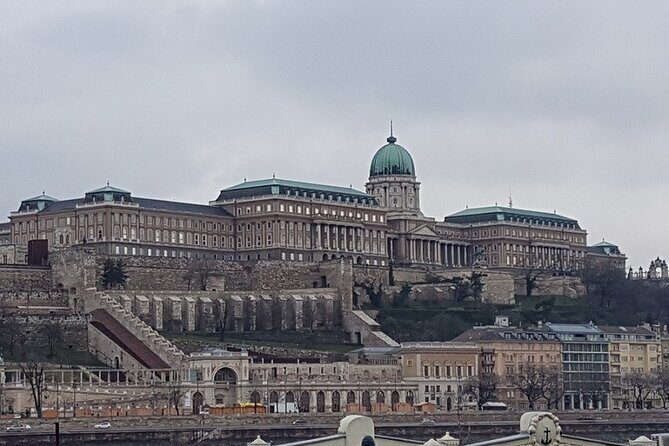
At Buda Castle, you’ll see the medieval residence place of the Hungarian kings from the 14th century. The scheduled time is about 2 hours, which is generous compared with many big-city “highlights only” tours. That extra time matters because Buda Castle is a complex area where you’ll want to take in viewpoints and details, not just pass through.
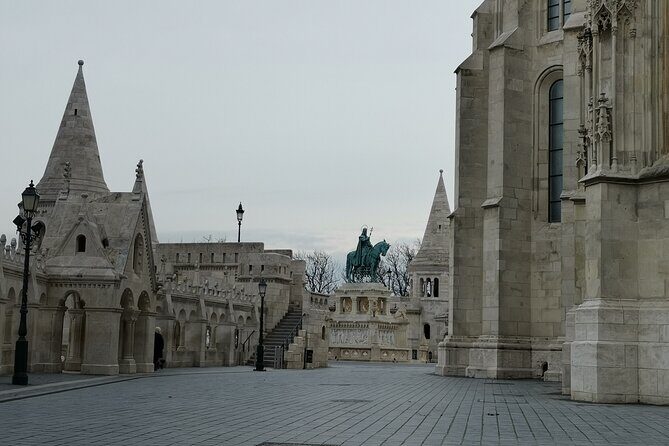
From there, the tour heads to Fisherman’s Bastion. This is the stop built for panoramic payoff. You’ll spend about 15 minutes, and the time is clearly meant for photos and a quick reset after the dense castle area.
This ending shape is smart: the day gets heavier at the Jewish Quarter and Danube memorials, then it finishes with views. It helps you remember the city visually, not only emotionally.
Practical tip: keep your camera ready, but also spend a minute looking without shooting. Fisherman’s Bastion has a way of making you forget you’re tired, which is exactly what you want at the end of a long day.
Price and logistics: what $396.52 buys you in real terms
The tour price is $396.52 per group for up to 15 people. That sounds like a group deal, and it can be. If you travel with friends or family and can keep the group together, your per-person cost can drop fast compared with paying for separate guides or competing tours.
What you’re paying for is the guide time and the private format: local guide, professional guide, and a private tour with hotel pickup. The value isn’t just that you see sites. It’s that you see them with context, pacing, and a route that ties separate neighborhoods into one story.
Still, don’t assume everything is included. Entry fees are extra, and food and drinks are not included. The tour also notes transportation to/from attractions isn’t included, so you’ll want to rely on what’s arranged as part of the tour day rather than expecting every local transfer to be handled like a taxi.
In practice, this often means you’re walking for stretches and using quick transit hops as needed. One of the most helpful tour strengths is that you’re not left figuring out how to move efficiently between Pest and Buda while also reading signs and missing context.
Who this Budapest history tour is best for
This tour fits best when you want your first Budapest day to do two things at once: cover the big sights and explain the meaning behind them.
It’s a strong choice for:
- First-timers who want to get their bearings fast across major neighborhoods
- Travelers who enjoy history but don’t want to spend hours planning routes
- People who want a guide who can adjust attention to what you care about most
- Anyone who appreciates memorials and cultural context, not only buildings
It may be less ideal if:
- You hate walking or have a tight schedule that can’t handle a full day
- You prefer totally free-form exploring with zero structure
- You want every single stop to be fully inside-entry focused, since entry fees are extra and the Parliament inside option requires advance action
Should you book this Budapest history tour?
Book it if you want a guided, first-day setup that connects Budapest’s monuments to real Hungarian stories. The route makes sense: Heroes’ Square sets the national frame, City Park and Vajdahunyad Castle add architectural context, Andrássy Avenue and the Opera House bring the city’s elegance into focus, and then the Jewish Quarter, St. Stephen’s Basilica, Parliament, and the Danube memorials add weight and meaning.
I’d especially recommend it if you value a private guide who pays attention to your interests and keeps the day moving without turning it into a blur. The best reason to book is simple: you’ll leave with a mental map of the city’s layers, plus a short list of places you’ll want to revisit on your own later.
FAQ
FAQ
How long is the Historical and Cultural Guided Tour of Budapest?
It runs for about 7 hours.
Is this tour private, and is it offered in English?
Yes, it’s a private tour. It’s offered in English.
What is included in the price?
The price includes a local guide, a professional guide, a private tour, and hotel pickup. Food and drinks are not included.
Are entry fees included for the main sights?
Entry fees are not included. The itinerary notes admission is free for some stops, and not included for others such as parts of the Jewish Quarter and the Parliament Building.
Do I need to book tickets in advance for an inside visit of the Parliament?
If you want to join an inside tour of the Parliament, you should book your ticket online before. Then send the start time so the guide can adjust the schedule.
What fitness level should I plan for?
The tour recommends a moderate physical fitness level since it includes walking and a full day of sightseeing.