REVIEW · BUDAPEST
Budapest: Historical Bike Tour 2.5 hours with Local Guide
Book on GetYourGuide →Operated by City Tours on Bike-eBike-Segway · Bookable on GetYourGuide
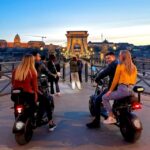
Budapest looks different when you move under your own power. A 2.5-hour bike loop lets you cover big sights without the usual time sink, and you get a local guide to connect the buildings to the stories behind them. I especially like the mix of major viewpoints and smaller moments where you can stop, breathe, and take photos. I also like how the tour works for both first-timers and repeat visitors, since you’ll pass Parliament, the Danube memorial, and St. Stephen’s without feeling rushed.
One thing to watch: this is cycling in real weather. Cold wind and pace differences between classic bikes and e-bikes can affect how long you spend at each stop, so dress for the elements and be ready to pedal.
In This Review
- Key Points You’ll Care About
- Why This Bike Tour Feels Like a Smart Shortcut in Budapest
- Price and Value: What $33 Actually Buys
- First Stop: Haris köz 4 and the Central Market Hall Setup
- Classic Bike vs E-Bike: Choose Based on Your Comfort Level
- Erzsébet Bridge and the “See-Then-Explain” Moment
- Buda-Side Highlights: St. Gerard Sagredo Statue to Fisherman’s Bastion
- Margaret Bridge, Margaret Island, and the Water Tower Pause
- Danube Memorial Stop: Shoes on the Danube Bank
- Liberty Square, Parliament, and the Big Central Budapest Stage
- The Opera and Basilica: Stopping for the City’s Key Public Faces
- Japanese Garden, Convent, and Castle Funicular: When the Tour Gets More Than Famous Names
- Margaret Island Water Tower to Return: Keeping Energy for the Whole 150 Minutes
- The Guide Factor: Language, Pace, and Clear Communication
- Who This Tour Suits Best
- Who Should Skip or Switch Options
- Quick Practical Tips So You Enjoy Every Stop
- Should You Book This Budapest Historical Bike Tour?
- FAQ
- How long is the Budapest historical bike tour?
- What’s the price per person?
- Do I get to choose between a regular bike and an e-bike?
- What sights are included in the route?
- Where do I meet the guide?
- What’s included in the tour price?
- Is food included?
- What should I bring?
- Is the tour okay for kids?
- What languages are offered for the live guide?
- Notes
Key Points You’ll Care About
- Choose your bike for the day’s hills: e-bikes help on bridges and viewpoints; classics are fine if you’re steady on a longer ride.
- Photo stops are part of the plan: you’re not just rolling through landmarks, you’re set up to actually frame them.
- The route blends icons and memorials: Parliament, the Danube Shoes memorial, and Liberty Square sit alongside quieter spots.
- You’ll get guided context, not just sightseeing: local commentary ties landmarks to events and legends along the way.
- Languages vary by guide: multiple language options exist, but if you’re picky, confirm what you booked.
Why This Bike Tour Feels Like a Smart Shortcut in Budapest
Budapest spreads out, and sightseeing on foot can turn into a lot of backtracking. This tour keeps you moving with a bike—classic or electric—so you get a high sight-to-time ratio while still having room to stop for photos. The ride time is only 150 minutes, but it’s long enough to feel like you actually toured the city, not just skimmed it.
I like that the itinerary is built around viewpoints. You’re up at major locations like Buda-side scenes and down toward Danube areas, so you see different angles on the same city. Even if it’s your first trip, the tour helps you understand where key landmarks sit relative to each other.
You can also read our reviews of more cycling tours in Budapest


Price and Value: What $33 Actually Buys
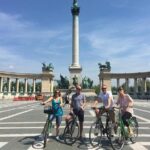
At around $33 per person for 150 minutes, you’re paying for the whole package: a local guide, a bike or e-bike, water, luggage storage, and photo stops with commentary. You’re not separately booking transport or paying for an in-between “transfer” experience.
The value gets even better because this is not just motion. You’ll be hearing stories as you ride past places like the Hungarian Parliament Building, Liberty Square (Szabadság tér), and St. Stephen’s Basilica. That guided context is what turns a list of landmarks into a route you can remember.
First Stop: Haris köz 4 and the Central Market Hall Setup
You start at Haris köz 4, 1052, near Ferenciek tere metro station. From there, you walk toward Váci Street, and Haris köz is a small pedestrian street you enter from Váci. It’s a simple meeting point, but I recommend arriving a few minutes early so you can get your bike fitted without stress.
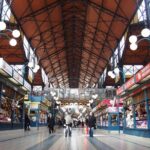
From the meeting point, the route heads to Central Market Hall. This is one of those places that gives you instant Budapest energy: food halls, local crafts, and the sense that the city has an everyday heartbeat. Even if you don’t go deep into shopping, the guide’s orientation helps you place the market in the larger story of the city’s life and movement.
Classic Bike vs E-Bike: Choose Based on Your Comfort Level
You can ride a regular bike or an e-bike, and the right choice depends on how you handle cycling in wind, stop-and-go traffic, and hills. E-bikes don’t just make it easier to pedal—they often help keep groups from getting separated by speed.
Here’s the practical part: when some riders are on e-bikes and others are on classics, pace can get uneven. If you’re sensitive to speed differences or you’re nursing any knee or leg issues, the e-bike option is the safer bet for staying together. Also, take a moment to adjust your seat and handlebars at the start. A badly set bike feels uncomfortable quickly, and in cold weather you won’t want to troubleshoot gear while everyone else waits.
Erzsébet Bridge and the “See-Then-Explain” Moment
After Central Market Hall, you roll toward major Danube-area views. The itinerary includes the Erzsébet Bridge, and that’s a good place for the guide to connect what you’re seeing to the city’s layout. Bridges in Budapest are more than crossings; they frame the skyline and set up the next “layer” of sights.
You’ll get scenic drives and passes that line you up with big photo angles. The tour structure works because you’re not just moving from one building to another. You’re repeatedly getting a chance to look, point your camera, and then hear the story behind what’s in front of you.
You can also read our reviews of more guided tours in Budapest





Buda-Side Highlights: St. Gerard Sagredo Statue to Fisherman’s Bastion
The route includes St. Gerard Sagredo Statue with a photo stop and guided commentary. This type of stop matters because it teaches you how to notice Budapest details. Statues, churches, and their surrounding squares often look similar at a glance, but the guide helps you read the differences.
Then you reach Fisherman’s Bastion, another “pause and look” location. This viewpoint is famous for a reason: it gives you a wide city view that makes the Danube feel central rather than background. The best part of having a guide here is the ability to turn a postcard scene into something you can picture later—how the skyline and river relate, and why certain structures became symbols over time.
Margaret Bridge, Margaret Island, and the Water Tower Pause
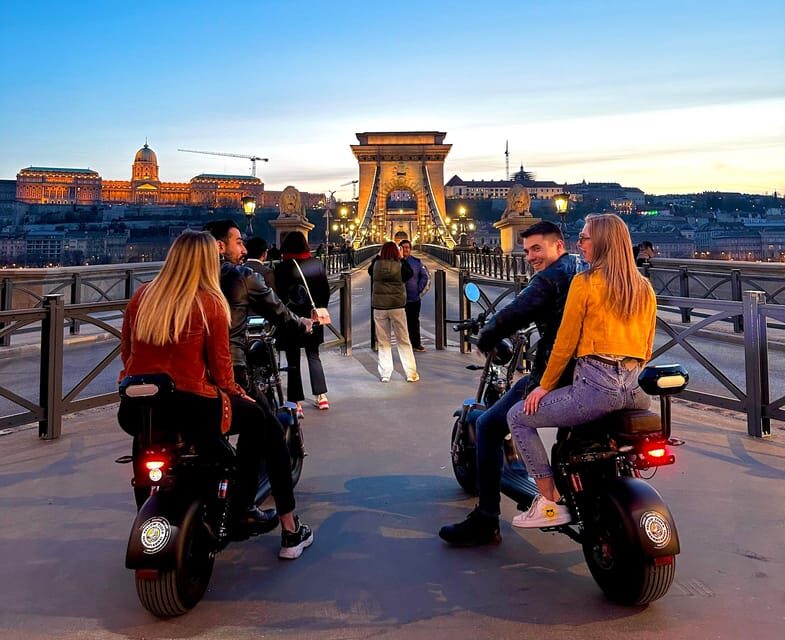
From the Buda-side area, you cross over to sights that soften the city’s edges. The tour includes Margaret Bridge, with a photo stop and scenic ride. This is a good moment to feel the pace of the city from the saddle—Budapest’s river routes, the way the skyline changes as you move, and the big sense of space you don’t get when you’re just walking.
Next comes Margaret Island Water Tower. You’ll have a photo stop and some free time there, which I love because it balances guided commentary with personal browsing. Margaret Island is the kind of place where you can wander a little, check the views, and reset your legs.
Danube Memorial Stop: Shoes on the Danube Bank
The tour includes the Shoes on the Danube Bank Memorial. This is a heavy stop, and it’s one of the places where guided framing matters most. Even when you know about it in a general way, having a local guide explain what you’re seeing can deepen the meaning without turning it into a lecture.
It’s also a reminder that this isn’t just a sightseeing sprint. You’re moving through places that represent memory, loss, and survival. If you prefer tours that treat memorials with care rather than speed, this stop is a strong reason to choose the bike experience.
Liberty Square, Parliament, and the Big Central Budapest Stage
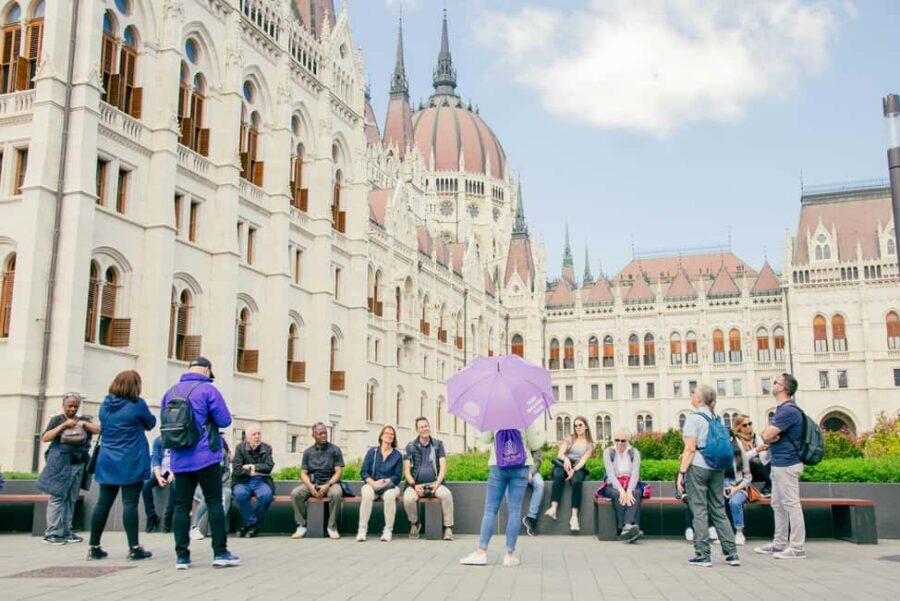
The tour takes you past and through the area around Liberty Square (Szabadság tér) and the Hungarian Parliament Building. When you’re on a bike, you can catch wide angles that are hard to time on foot. It also helps you understand how the square and grand buildings function as a stage for the city.
A standout here is the combination of scale and explanation. Parliament is not just a photo target; it’s tied to national identity and major historic periods. The guide’s commentary turns the building into something you can place in context, not just a stunning facade.
The Opera and Basilica: Stopping for the City’s Key Public Faces
The route includes the Hungarian State Opera and St. Stephen’s Basilica. These are big “I’m in Budapest” markers, and they work well late in the ride when you’ve already built a mental map of the city.
St. Stephen’s Basilica is especially useful for orientation. Once you’ve seen it from the road during the tour, you’ll understand why it anchors so many sightseeing routes afterward. Even if you don’t go inside, the exterior stop helps you read the city’s visual rhythm.
Japanese Garden, Convent, and Castle Funicular: When the Tour Gets More Than Famous Names
The itinerary also covers several Buda-side and palace-area moments, including the Japanese Garden, Medieval Dominican Convent & Royal Mansion, and the Buda Castle Funicular. These stops can be more about variety than headline power.
- The Japanese Garden adds a calm contrast to grand architecture and big squares.
- The convent and royal mansion area gives you a historical feel tied to older structures and changing uses over centuries.
- The funicular connection signals how Budapest used its terrain, not just its river.
If you like tours that don’t only hit the top five postcard stops, this is where the route feels like it earns its time.
Margaret Island Water Tower to Return: Keeping Energy for the Whole 150 Minutes
You’ll spend a lot of your time riding and passing, with planned photo pauses and at least one spot that includes free time. That free time is valuable because it prevents the tour from feeling like one long string of “look now, move on.”
Before the ride ends back at Haris köz 4, I’d plan on staying mentally flexible. Weather can tighten or loosen the schedule, and if the wind is strong, the guide may keep things moving so everyone stays comfortable. One snowy, cold-season lesson from real-world experience: you can still get a good tour, but the time at each stop may compress.
The Guide Factor: Language, Pace, and Clear Communication
This tour includes a live local guide with languages listed as Dutch, English, German, Italian, and Spanish. In practice, the guide experience is the difference between a smooth ride and a frustrating one.
Here’s what I’d do if language is important to you:
- Confirm the language you booked.
- If you’re English-speaking, be ready for the guide to tailor explanations to the group’s comfort level.
- If you’re on a classic bike, tell the guide right away if you need a steadier pace.
Real-world examples show guides like Misheel being especially helpful when riders have trouble driving the bike due to prior injury. That kind of support makes a big difference because it keeps the ride safe and keeps you from turning sightseeing into stress.
Who This Tour Suits Best
This works best if you:
- Want a big-picture Budapest overview in 150 minutes.
- Like photos but also want a guide to explain what you’re seeing.
- Are comfortable riding for about 2.5 hours with stops.
You might also like it if you’re the kind of traveler who enjoys being told where to look instead of wandering aimlessly. And because helmets and child seats are available on request, it can fit some families—within reason.
Who Should Skip or Switch Options
Skip it if cycling for 150 minutes is a no-go. The tour notes a basic fitness level requirement, and Budapest’s river views can come with wind chill that makes pedaling feel harder than expected.
Also, if you’re extremely language-specific, be proactive. The tour offers multiple languages, but your experience depends on which guide is leading your group.
Finally, if you’re expecting a slow, museum-style pace, this isn’t that. It’s an active city ride with commentary along the way.
Quick Practical Tips So You Enjoy Every Stop
A few small moves can make the difference between a good ride and a great one:
- Wear gloves and layers in colder months; wind off the river can sting.
- Bring an ID or passport, since it’s listed as required.
- Ask about child bikes up to 130 cm if you’re traveling with kids.
- Use the luggage storage so you’re not riding with bulky items.
- Take a moment to check your seat height at the start.
These aren’t luxuries. They keep you comfortable and keep the ride smooth for everyone.
Should You Book This Budapest Historical Bike Tour?
If you want to see the main sights—Parliament, the Danube memorial, Liberty Square, the Opera, and St. Stephen’s Basilica—without spending the whole day crisscrossing by foot, this is a strong choice. For around $33, the bike (or e-bike), guide commentary, water, and planned photo stops are a solid bundle.
Book it if you’re comfortable cycling and you like guided stories tied to real places. Think of it as a fast, friendly way to build your Budapest map in your head.
Don’t book it if you want a slow pace, museum depth, or guaranteed long stops in bad weather. If the forecast looks rough, choose the e-bike option and come dressed for wind and cold.
FAQ
How long is the Budapest historical bike tour?
The duration is 150 minutes.
What’s the price per person?
The price is $33 per person.
Do I get to choose between a regular bike and an e-bike?
Yes. You can choose between a regular bicycle and an electric bike.
What sights are included in the route?
The tour includes stops/passes such as Central Market Hall, Erzsébet Bridge, St. Gellért statue area, Buda Castle Funicular, Fisherman’s Bastion, Japanese Garden, Margaret Island Water Tower, Medieval Dominican Convent & Royal Mansion, Hungarian Parliament Building, Shoes on the Danube Bank Memorial, Liberty Square, Hungarian State Opera, and St. Stephen’s Basilica.
Where do I meet the guide?
Meet at the tour office at Haris köz 4, 1052 Hungary. From Ferenciek tere metro station, walk 2 minutes toward Váci Street, enter Haris köz from Váci, and find number 4 on the left.
What’s included in the tour price?
Included are a local guide, a regular or electric bike (depending on your option), commentary on historical events and landmarks, photo stops, luggage storage, and a bottle of water.
Is food included?
No. Food is not included.
What should I bring?
Bring a passport or ID card.
Is the tour okay for kids?
Children under 7 participate for free. Children up to 20 kg travel on the child seat of their parents’ bike for free. Child helmets and seats are available on request, and children’s bikes are available up to 130 cm.
What languages are offered for the live guide?
The live guide is available in Dutch, English, German, Italian, and Spanish.
Notes
Free cancellation is listed as available up to 24 hours in advance for a full refund.