REVIEW · BUDAPEST
Budapest: 3-Hour Walking Tour of Pest with a Historian
Book on GetYourGuide →Operated by Budapest Explorers · Bookable on GetYourGuide
Pest has a way of tugging at your curiosity. This 3-hour walk pairs a historian guide with major landmarks and the gritty street-level details that explain how Hungary got to today. You’ll move through central Pest with an easy Q&A style, so you can ask questions as they come up, not after the facts have drifted away.
Two things I really like: you get St. Stephen’s Basilica with an entrance ticket included, and the pace is built for learning without feeling dragged along. The small group limit (up to 10 people) keeps the experience focused, and guides like Judit, Barbara, Andrea, Monica, Raymond, and Greg are the kind of hosts who can turn big events into clear street-level stories.
One consideration: you’ll be outside and walking for most of the 3 hours, and the route includes a short underground transit segment. If weather turns messy, plan for it—one review called out enjoying the tour even when conditions weren’t great, but you’ll still need comfortable shoes.
In This Review
- Key Highlights You’ll Actually Feel During the Tour
- Pest vs. Buda: Why This Side of Budapest Feels Different
- Meeting at Erzsébet Square and Getting Oriented Fast
- St. Stephen’s Basilica: The Ticketed Start That Sets the Tone
- Heroes’ Square and 1000 Years of Hungarian Memory
- Andrássy Avenue (UNESCO) for Architecture Lovers and People-Watchers
- Gresham Palace, the Academy of Sciences, and the Opera Area
- Millennium Underground: Riding the Oldest Subway Line
- Danube Promenade Details That Make Budapest Feel Real
- Historian Guide Quality: What You’re Paying For (Besides Facts)
- How the Small Group Changes the Experience
- Price and Value: Is $57 Worth It?
- Who This Tour Fits Best
- Should You Book This Pest Walking Tour?
- FAQ
- How long is the walking tour in Pest?
- What does the price include?
- Is the tour guided in English?
- How big is the group?
- Where do I meet the guide?
- How can I get to the meeting point by public transport?
- What are the main sights included on the tour?
- Is there an entry ticket included for St. Stephen’s Basilica?
- What’s the cancellation policy?
- Can I reserve without paying right away?
Key Highlights You’ll Actually Feel During the Tour
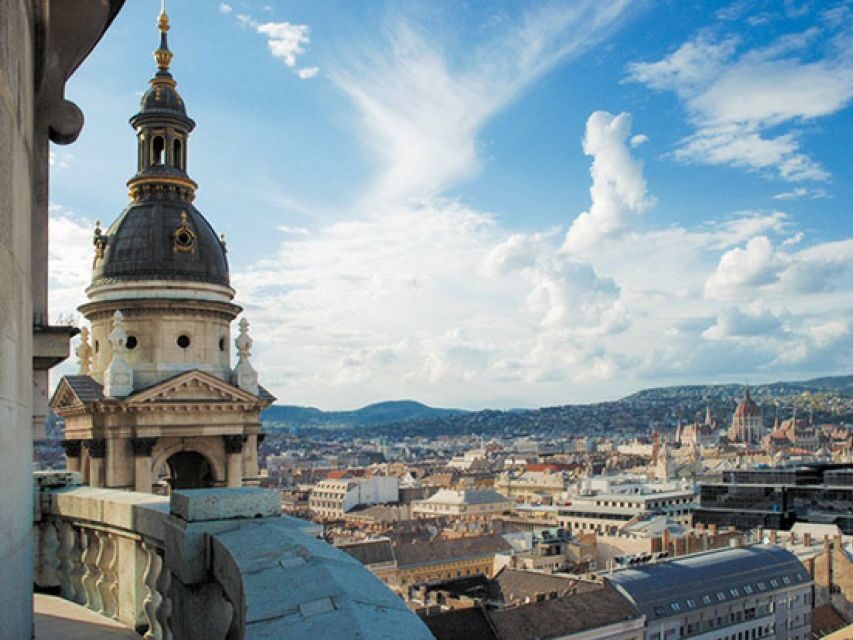
- St. Stephen’s Basilica entrance included so you don’t lose time at the ticket desk
- Heroes’ Square with a guided rundown of influential Hungarian figures
- Millennium Underground ride on the continent’s oldest subway line
- Andrássy Avenue (UNESCO World Heritage Site) with the grand boulevards and opera-area architecture
- Danube Promenade and major Art Nouveau landmarks like Gresham Palace for quick context and great photo angles
- A historian who answers questions rather than sticking to a script
Pest vs. Buda: Why This Side of Budapest Feels Different
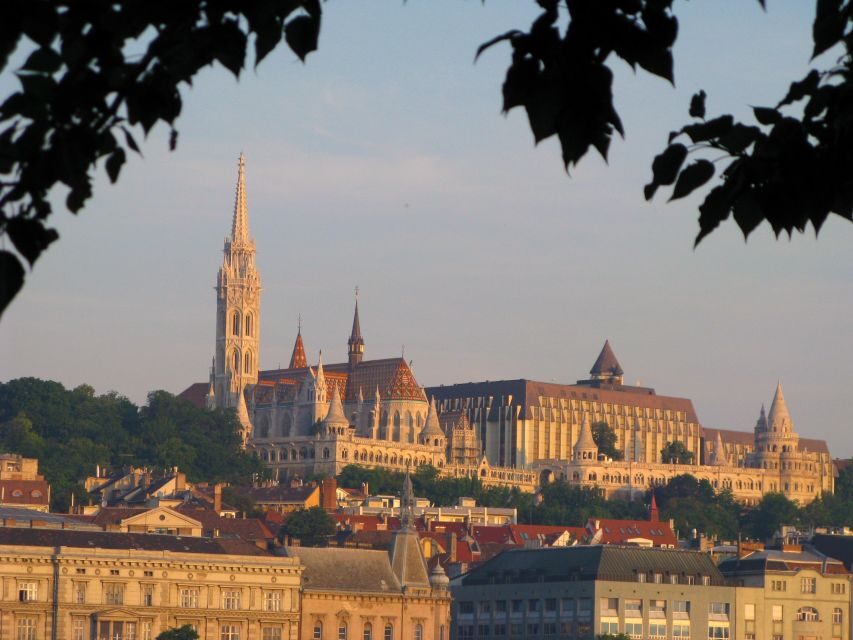
Budapest is two cities that grew up together, and Pest often feels more direct and day-to-day. This tour focuses on Pest, the eastern and younger side of the capital, so you get a clearer sense of how daily life in Budapest shaped its identity over time.
I like the way the experience mixes past with present. Your guide keeps connecting events from older empires through the 20th century to what people talk about now, and that matters because you don’t just memorize dates—you understand why certain ideas and tensions linger in the streets.
This also helps you build better intuition for your next stops. When you later wander on your own, you’ll recognize patterns: how power shows up in architecture, how politics gets remembered in public spaces, and how modern city life works around it all.
You can also read our reviews of more walking tours in Budapest



Meeting at Erzsébet Square and Getting Oriented Fast
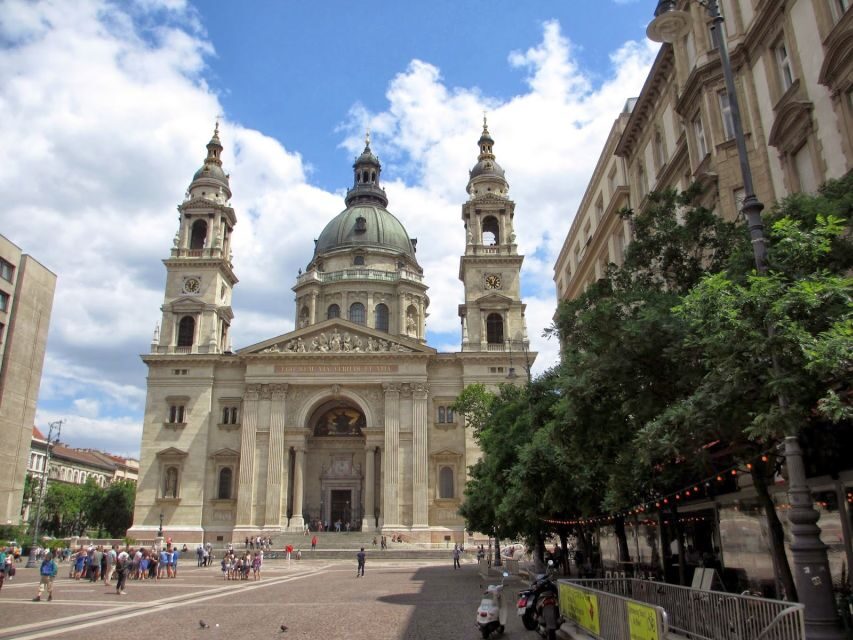
The meeting point is right where you want to be for a central-city start: in front of Kempinski Hotel Corvinus Budapest, facing the Ferris wheel on Erzsébet square. It’s an easy landmark, and it makes the tour feel like it’s already in motion when you arrive.
Getting there is straightforward. You can use the M1, M2, or M3 subway lines and get off at Deák Ferenc tér, then walk over. Several trams and buses also serve the area, so you’re not forced into one exact route.
A practical point: since this is a walking tour built around timed entries and transit, arriving a few minutes early makes everything smoother. That’s especially true because the group is small and the guide will want to start cleanly rather than wait.
St. Stephen’s Basilica: The Ticketed Start That Sets the Tone
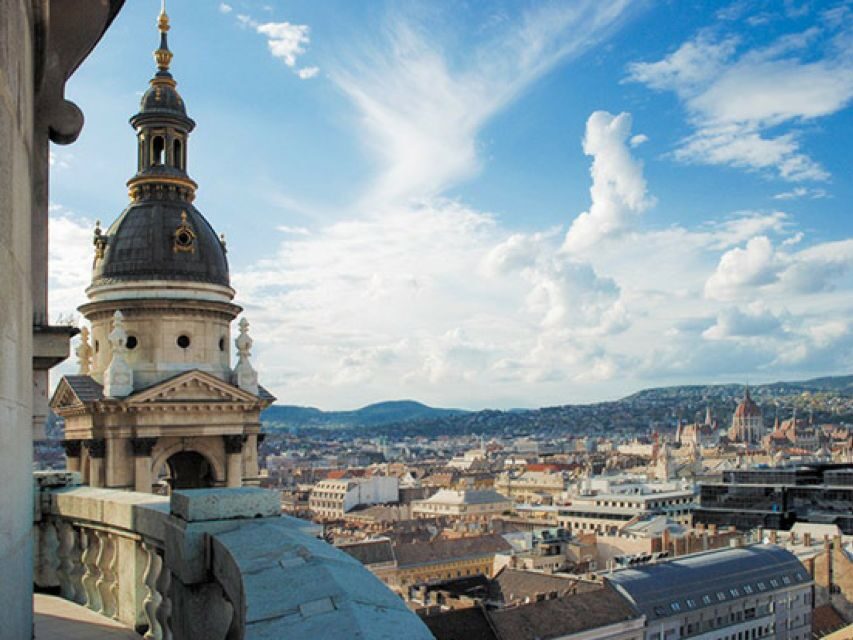
One of the best value parts is that you visit St. Stephen’s Basilica with the entrance ticket included. That’s a smart way to start, because the building is a visual anchor for the whole city—scale, faith, and national symbolism all in one place.
From a traveler’s angle, ticket inclusion is more than convenience. It reduces friction and keeps your time working for you. You’re not standing around figuring out lines or paperwork while everyone else is already learning the story.
In the basilica, your guide can help you read what you’re seeing. Think of it as a crash course in how Budapest uses big monuments to communicate identity, not just religion. If you’re the type who likes meaning over selfies, this stop will click fast.
If you’re sensitive to churches being busy, go in with the mindset that you’re visiting at a structured moment in the day. Even with that, the ticket inclusion keeps the experience predictable.
Heroes’ Square and 1000 Years of Hungarian Memory
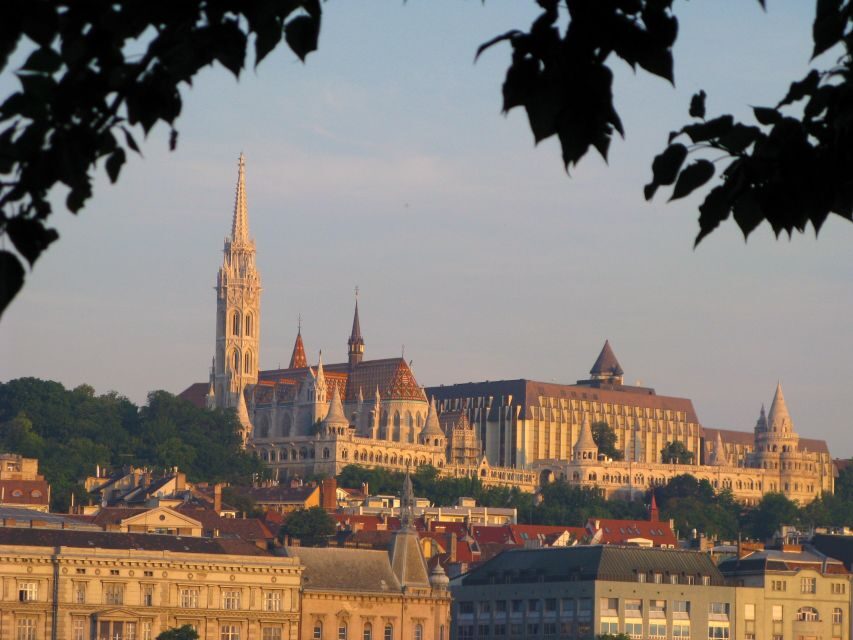
Next up is Heroes’ Square, one of Pest’s most iconic open spaces. Your guide connects it to Hungarian history by walking through the people and symbols displayed there—this is where the story starts to feel national, not just local.
I like how this kind of stop turns a wide plaza into a timeline you can actually remember. When figures are named and explained in context, you stop seeing statues as decoration and start seeing them as messaging. It’s easier to connect the political shifts you hear about later to what’s visibly honored in stone.
This is also where the tour’s historian approach matters most. A good guide doesn’t treat history like a list; they explain how different eras viewed legitimacy and identity. You’ll get a sense of how 1000 years of Hungarian history can fit into one guided “map” you carry in your head.
Practical note: Heroes’ Square is open, so if the weather is cold or wet, bring layers and keep your walking pace steady. The square itself is easy to navigate, but standing around for stories can feel longer when the air is sharp.
Andrássy Avenue (UNESCO) for Architecture Lovers and People-Watchers
After the grand square, you shift to Andrássy Avenue, a UNESCO World Heritage Site that reads like a boulevard textbook. Your guide helps you see the street’s architecture as a statement of what the city wanted to project—power, culture, and a kind of urban confidence.
This is where the tour balances famous highlights with street-level texture. You’ll walk through the area around some of the city’s best-known buildings, and you’ll also pass smaller streets where details like cobblestones on Zrínyi street remind you Budapest isn’t only about postcard views.
I appreciate that Andrássy Avenue isn’t treated like a straight line from photo spot to photo spot. You’ll get enough context to notice things: how façades change block by block, how the street grid supports movement, and how the city’s cultural institutions show up in plain sight.
If you’re an architecture fan, you’ll like this part. If you’re not, it still works because it teaches you how to look without getting lost.
A few more Budapest tours and experiences worth a look






Gresham Palace, the Academy of Sciences, and the Opera Area
The tour doesn’t limit itself to one style of landmark. You’ll pass or visit areas connected to Art Nouveau splendor, including Gresham Palace, and you’ll also see the historic Academy of Sciences area.
And then there’s Hungarian State Opera territory. Even from the outside, the opera area gives you a sense of Budapest’s cultural ambition. It’s one of those places where the architecture communicates, even before the story does.
Why this matters for your trip planning: if you only go by guidebook captions, you might miss what makes these buildings feel connected. On this tour, the guide ties them to broader themes—how cities use culture to signal status, and how national identity gets framed through major public buildings.
A small but real bonus is the way your route is spaced out. The stops are close enough to keep energy up, but far enough apart to give each landmark breathing room.
Millennium Underground: Riding the Oldest Subway Line
Then you get one of Budapest’s most distinctive experiences: the Millennium Underground, described on this tour as the continent’s oldest subway. Taking it isn’t just a novelty. It’s a fast way to feel Budapest’s layers—how modern movement sits beside older infrastructure choices.
I like experiences where transit becomes part of the story. Instead of treating the subway as a chore, the tour uses it as a moment to connect engineering and history. Your guide can point out what makes the line historically important while keeping you oriented.
This is also a good mental reset. After walking around wide boulevards and big squares, a short transit segment breaks the rhythm in a useful way. Just remember: you’ll still need to be ready to walk again immediately after.
Danube Promenade Details That Make Budapest Feel Real
You’ll also spend time near the Danube Promenade. Even when your schedule is tight, this stretch helps you “read” the city by its geography—how the river shapes neighborhoods, movement, and viewpoints.
I like that the tour doesn’t treat the river as only a postcard backdrop. It helps you see why Pest’s major institutions and promenades sit where they do, and it explains how the city’s layout supports daily life.
If you like a sense of place over only monuments, this is a meaningful part of the itinerary. It gives you context so your later walks feel less like roaming and more like understanding.
Historian Guide Quality: What You’re Paying For (Besides Facts)
The guides on this tour are a major part of the value. In the mix, you might meet hosts such as Judit and Barbara, who combine city history with everyday perspective, or Andrea and Monica, who bring energy and clear storytelling to big eras like empire, WWII, and the Communist period.
What I see as the best ingredient here is the style: an historian guide who’s comfortable answering questions and switching topics when curiosity takes over. That’s not a small thing. It’s how you get answers to the parts of history you actually care about, instead of only what the route designer planned.
The best guides also add lived perspective. Some guides reference life growing up in Hungary, which adds human texture to political events. You’ll still learn dates and frameworks, but it feels less like a lecture and more like guided conversation while you walk.
How the Small Group Changes the Experience
This is a small group tour limited to 10 participants. That matters because Pest can be busy around major sights, and small groups move differently. You can ask follow-ups without shouting, and you’re less likely to get swallowed by the crowd.
The pace is also designed to cover a lot without rushing. Multiple guides in the same program are praised for pacing and for condensing huge time periods into stories that land quickly. In practical terms, that means you leave with a mental map instead of a pile of disconnected facts.
Still, it’s not a sit-and-listen museum tour. It’s a walking tour, so if you’re expecting mostly indoor stops, manage your expectations. Plan for steady walking and a few moments of standing for explanations.
Price and Value: Is $57 Worth It?
At $57 per person for 3 hours, the price is about more than the guide. You’re paying for (1) a historian-led, English-language experience, (2) entry ticket to St. Stephen’s Basilica, and (3) subway tickets included.
For a traveler, that inclusion is where value shows up. Entrance fees and transit costs add up quickly in Budapest, and paying upfront here smooths the trip. You’re not juggling money and logistics mid-tour, which keeps you focused on what you came for.
The small group cap also justifies part of the cost. You’re not sharing the story with a giant crowd, and you’re more likely to get your questions answered in real time.
If you’re on a tight schedule, this also acts like an orientation course. You’ll see major sights in a sequence that makes sense, then you can use that foundation for the rest of your days in the city.
If you’re mostly price-driven and don’t care about guided context, a self-guided walk might be cheaper. But if you want meaning and a clear story arc, $57 looks fair.
Who This Tour Fits Best
This tour suits you if you:
- Want a Pest-focused introduction with history tied to today
- Prefer Q&A and conversation over rigid storytelling
- Like walking routes that balance major landmarks with street-level detail
- Appreciate classic Budapest highlights like the basilica, Heroes’ Square, Andrássy Avenue, and the opera area
- Plan to return to Budapest later and want a stronger mental map now
It might not be your best fit if you want a super slow pace, step-by-step instructions for every turn, or a mostly indoor experience. It’s a walking tour, and the whole point is to build understanding through movement.
Should You Book This Pest Walking Tour?
I’d book it if you’re new to Budapest and want your first hours to count. The combination of ticketed Basilica access, the Millennium Underground ride, and the historic, Q&A-friendly guide style makes it feel efficient without turning into a rushed checklist.
On the decision side, ask yourself this: do you want to understand Pest’s layers, or just take pictures at famous places? If you want understanding, the historian angle is the difference. If you only want quick sights, you may be better off with a shorter, self-paced plan.
FAQ
How long is the walking tour in Pest?
The tour lasts 3 hours.
What does the price include?
It includes a historian guide, entrance ticket to St. Stephen’s Basilica, subway tickets, and the walking tour.
Is the tour guided in English?
Yes, the live tour guide language is English.
How big is the group?
It’s a small group with a limit of 10 participants.
Where do I meet the guide?
Meet in front of Kempinski Hotel Corvinus Budapest, facing the Ferris wheel on Erzsébet square.
How can I get to the meeting point by public transport?
You can reach the area using subway lines M1, M2, or M3 to Deák Ferenc tér, plus several buses and trams.
What are the main sights included on the tour?
You’ll see St. Stephen’s Basilica, Heroes’ Square, Millennium Underground, Andrássy Avenue, and areas including the Danube Promenade, Gresham Palace, the Academy of Sciences, Zrínyi street, and the Hungarian State Opera.
Is there an entry ticket included for St. Stephen’s Basilica?
Yes, the entrance ticket to St. Stephen’s Basilica is included.
What’s the cancellation policy?
You can cancel up to 24 hours in advance for a full refund.
Can I reserve without paying right away?
Yes, there’s an option to reserve now and pay later.