REVIEW · BUDAPEST
Classic Walk in Budapest Historical Center
Book on Viator →Operated by Italiano a Budapest · Bookable on Viator
Budapest can feel like a puzzle—this walk helps fit the pieces. You’ll get a focused, 2-hour guided sweep through the Pest side, with stops at big sights and the stories that explain why they matter. I especially like how the route mixes everyday city energy with Hungarian historical context, so you’re not just taking photos—you’re learning what you’re seeing.
Two things I really liked: the chance to ask questions and get local guidance, and the strong attention to pace and comfort. In one review, the guide (Oliver) was careful about shade and walking speed, which matters when you’re moving for two hours.
One possible drawback: it’s a classic overview format with short stops, so if you want deep time inside churches or museums, you’ll need to plan extra visits. Entries aren’t included, and several stops are mainly exterior viewing and explanation.
In This Review
- Key Highlights Worth Your Time
- Price and What You Really Get for $3.60
- Meeting Point to Parliament: The Route in Human Terms
- Váci Street: Budapest’s Pedestrian Fashion Runway (and People-Watching)
- The Blue Danube View: Where the Bridges Explain the Map
- Pesti Vigadó: A Dance Palace Built for Aristocratic Taste
- The Pastry-and-Terrace Square: A Smart Break Built Into the Walk
- Elizabeth Square: Park Space, Danube Fountain, and a Big Ferris Wheel
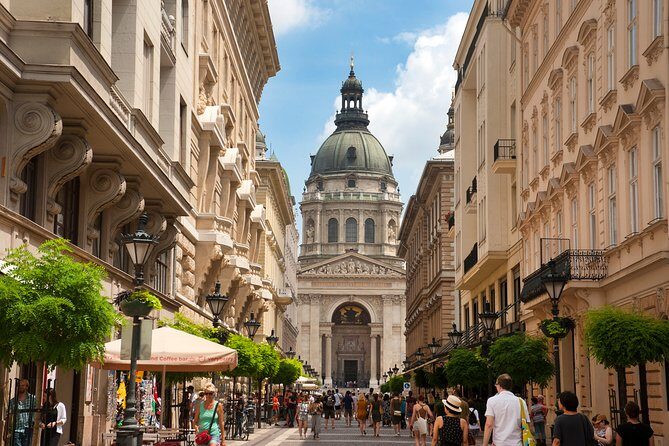
- St. Stephen’s Basilica: A Huge Church and the Meaning Behind It
- Szabadság tér: Monuments Telling the 20th-Century Story
- Kossuth Lajos Square: 1956 and the People Behind Freedom
- Hungarian Parliament Building: Magnificent Exterior Views and Real Historical Weight
- Group Size, Pacing, and Getting Answers (Why This Matters)
- Included vs Not Included: Plan Your Next Stop
- Best For Who? Who Should Book This Walk
- Should You Book This Budapest Historical Center Walk?
- FAQ
- How long is the Classic Walk in Budapest Historical Center?
- How much does the tour cost?
- Where does the tour start and end?
- What language is the tour offered in?
- What’s included in the price?
- Are museum or church tickets included?
- How big is the group?
- Is it possible to participate if I have limited mobility?
- What’s the cancellation policy like?
- When should I book?
Key Highlights Worth Your Time
- Small group feel with a maximum of 30 people, so you can actually hear your guide
- Váci Street atmosphere with time to take in Budapest’s famous pedestrian shopping street
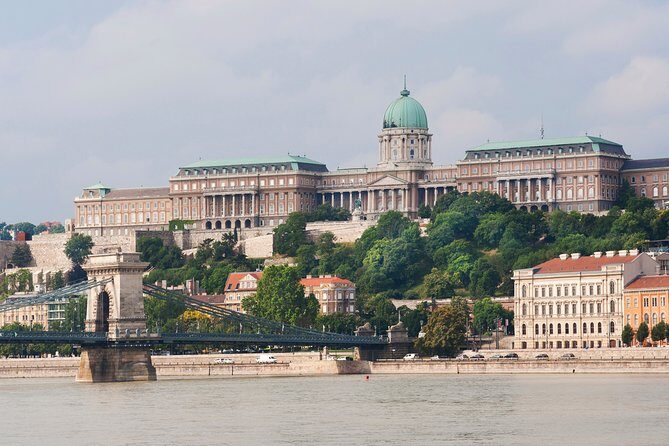
- Iconic Danube views framed by bridges and Buda Castle across the river
- Time-stamped history stops tied to major events, including 1956 and the Nazi and Soviet periods
- Quick hit of big architecture at St. Stephen’s Basilica and the Hungarian Parliament Building (mostly outside)
- Practical local tips on what to eat and drink, based on your interests
Price and What You Really Get for $3.60
At $3.60 per person for about 2 hours, this is priced for maximum value. You’re paying for live guiding, not museum tickets. That trade-off can be a good one in Budapest, because many of the best moments in central Pest happen on sidewalks, in squares, and at viewpoint-like corners where a guide can help you see the bigger picture.
This is also a group tour, and the listing notes group discounts and a mobile ticket. In plain terms: you’ll likely show up, meet your group, and follow the guide without the friction of figuring out your own route every step of the way.
One more detail that affects value: the tour is offered in English, and the guide is there to answer questions and tailor recommendations. In one review, Oliver even asked about interests and adjusted what he emphasized. If you’re the type who wants guidance beyond a script, this format can be a strong fit.
You can also read our reviews of more walking tours in Budapest



Meeting Point to Parliament: The Route in Human Terms
Your walk starts at Molnár’s kürtőskalács at Váci u 31, 1052 and ends at the Hungarian Parliament Building area near Kossuth Lajos tér 1–3, 1055. That end point is convenient because it drops you near one of the most central, most active spots in the city—easy to continue walking, grab food, or connect to public transportation.
The route is designed as a back-to-back sequence of highlights rather than a stop-and-go museum crawl. The itinerary keeps you moving along the Pest side, with breaks that are long enough to orient yourself and short enough to keep energy up.
It’s also a tour where you’ll likely cover a lot of ground without feeling like you’re sprinting. Reviews mention considerate pacing and good attention to comfort. Still, it is walking, so wear shoes that can handle city sidewalks and crowds.
Váci Street: Budapest’s Pedestrian Fashion Runway (and People-Watching)
Stop one is Váci Street, the famous pedestrian shopping street. The value of this stop isn’t only retail. It’s where you feel Budapest as a living city: street rhythm, crowd flow, and the kind of central buzz that helps the rest of the sights make sense.
You’ll get around five minutes here, with free entry. Five minutes is short, but it’s the right kind of short. It gives you a quick “okay, this is where we are” moment before moving toward river views and monumental architecture.
If you’re sensitive to crowds, keep expectations realistic. Váci Street is popular for a reason. The good part: once you leave it, the tour opens into calmer squares and more expansive sightlines.
The Blue Danube View: Where the Bridges Explain the Map
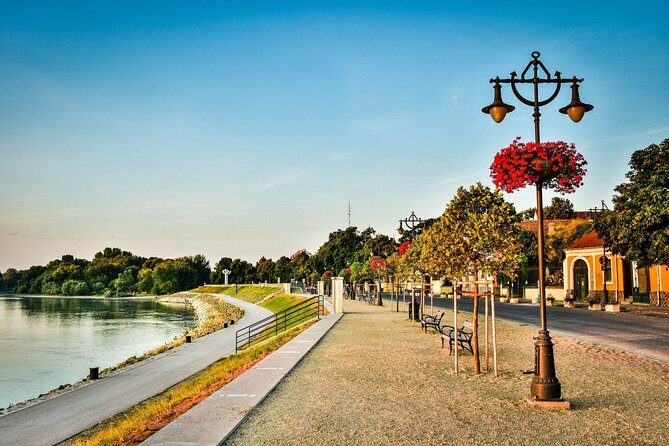
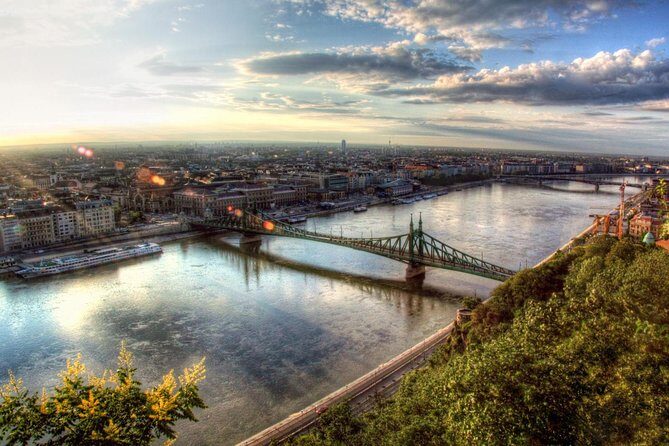
One of the most memorable parts of Budapest is how the Danube ties everything together. Your walk includes time to follow the “Blue Danube” area and absorb the view with historical bridges and Buda Castle across the river.
This is the kind of stop where a guide earns their fee. From ground level, a river view can look pretty—until someone explains what you’re looking at and why this bend of the Danube shaped the city. You also get context that helps later stops land harder, because the tour keeps history in the same frame as architecture.
This is a no-ticket, outdoor moment. That’s key for value: you get a big visual payoff without paying a museum price.
Pesti Vigadó: A Dance Palace Built for Aristocratic Taste
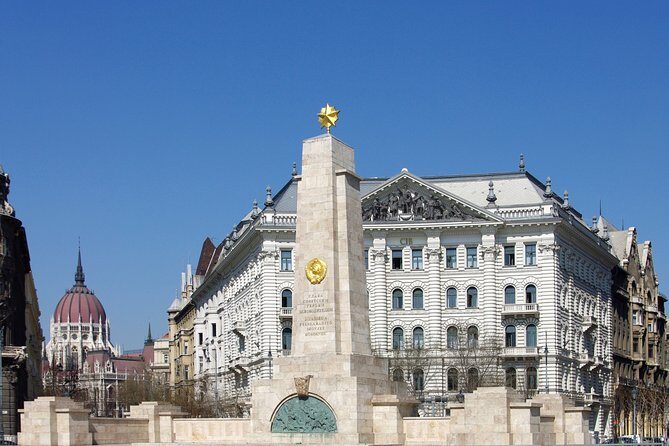
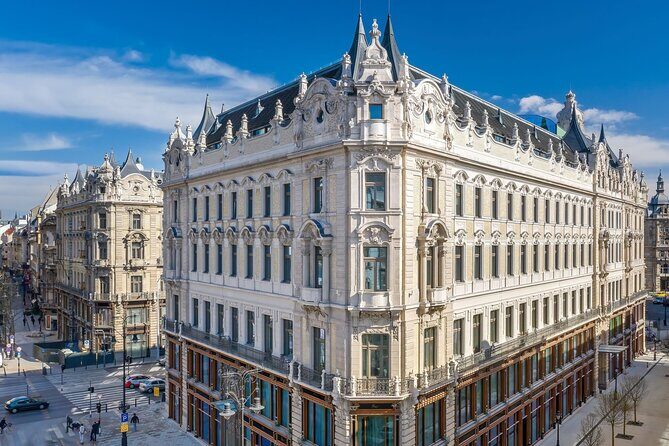
Next up is Pesti Vigadó, often described as a grand dance palace built in the 1860s in a Hungarian Romantic style. You’ll have about 10 minutes here, and admission isn’t included.
Even if your time is short, this stop works because it’s a change of pace. After the energy of shopping streets and river atmosphere, you suddenly see how elite Budapest wanted to represent itself in architecture—style, identity, and status.
It also helps you notice details you might miss on your own: the way the building’s character reads at a glance, and how it fits into the cultural landscape of Pest. If you’re the kind of traveler who likes understanding the “why” behind design, this stop is worth paying attention to.
You can also read our reviews of more historical tours in Budapest





The Pastry-and-Terrace Square: A Smart Break Built Into the Walk
From there, the itinerary brings you to an end-of-street square surrounded by some of the best pastry shops and café terraces. This isn’t listed as a ticketed attraction. It’s an atmosphere stop.
Here’s why I like it: you get a natural pause point. After walking, it’s easier to reset your brain and your feet. Also, if you pick up a drink or snack here (your guide can suggest options), you’ll start the next stretch with energy instead of bargaining with your body.
And because the tour includes Q&A and local recommendations, this is a good moment to ask for something practical—what to order, where to sit, or where to go next after the tour ends.
Elizabeth Square: Park Space, Danube Fountain, and a Big Ferris Wheel
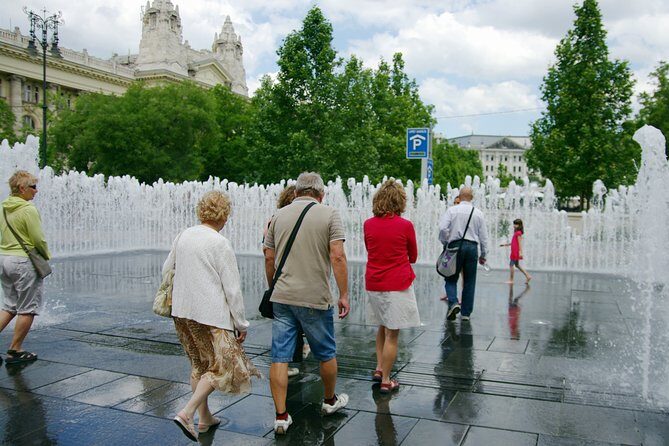
At Elizabeth Square, you’ll cross a park area and see the Danube Fountain monument and a giant ferris wheel. You get roughly 15 minutes, and entry is listed as free.
This stop is a reminder that Pest isn’t only monuments and churches. Squares and parks matter too. They’re part of the city’s daily life, and they give you space to breathe between heavier historical sites.
The ferris wheel is also a useful landmark. Even if you don’t ride it, you’ll know where you are and what direction you’re headed when you continue exploring.
If you’re traveling with kids or anyone who likes casual visual stops, this is one of the more fun segments of the walk.
St. Stephen’s Basilica: A Huge Church and the Meaning Behind It
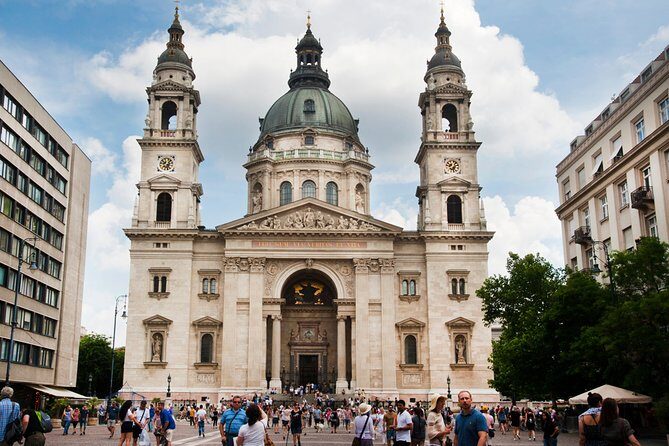
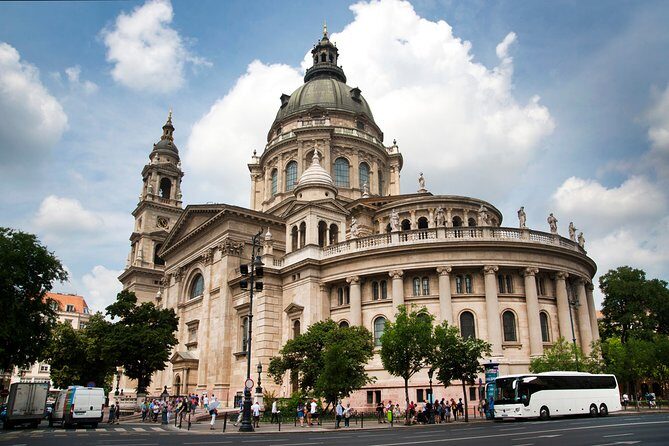
Next is St. Stephen’s Basilica (Szent Istvan Bazilika), with about 20 minutes. Admission isn’t included, so plan for exterior viewing and a guided story about its building and symbolism rather than a full inside visit.
This is where the tour’s historical context becomes especially useful. A guide can help you understand why a basilica isn’t just a pretty building. It’s a statement, a symbol, and often a timeline in stone.
Possible consideration: if you want the full experience inside the church, you’ll need to add time on your own. The good news is that you’ll leave with a better idea of what you’re looking for when you return.
Szabadság tér: Monuments Telling the 20th-Century Story
At Szabadsag ter, the tour focuses on dramatic monuments connected to the Nazi and Soviet occupations and dictatorships. You’ll also see the Danube Fountain area plus a detail about the miraculous fountain during the warm season. This stop lasts about 25 minutes and is listed as free.
This is one of the most important segments of the route. It takes you beyond postcard Budapest and into the 20th-century political landscape that shaped modern Hungary. It also helps explain why certain squares and memorials feel heavy—because they’re not decoration. They are memory.
One practical note for comfort: this is a longer stop. If you like lots of movement over long standing, you might prefer to take a short breather before continuing.
Also, the fountain is tied to season. If you’re visiting in cooler months, you may still see the monument and the setting, but you might not get the “warm season” fountain moment described in the itinerary. Either way, the historical explanation remains the point.
Kossuth Lajos Square: 1956 and the People Behind Freedom
Then you’re at Kossuth Lajos Square, where the guide points out memories of Hungarian freedom heroes and the 1956 revolution against Communist dictatorship. You’ll have around 15 minutes, and this is free.
This is where the tour gets emotionally grounded. It’s one thing to see a statue. It’s another to hear the story behind it and understand the sequence of events that led to the revolution and its consequences.
A guide helps you connect the dots across stops. After learning how the city commemorates occupation and dictatorship at Szabadsag ter, you’ll likely understand why Kossuth Lajos Square feels like a different chapter—one about resistance and change.
Hungarian Parliament Building: Magnificent Exterior Views and Real Historical Weight
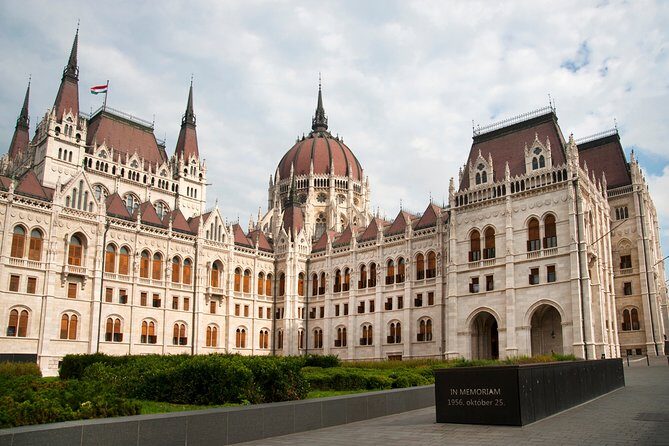
The tour’s final spotlight is the Hungarian Parliament Building, where you’ll admire the building and hear about its history. The itinerary gives about 10 minutes, and admission isn’t included.
From outside, the Parliament building is impressive in a way that’s hard to fake. It dominates the space and anchors the skyline. In a short stop, you’re mainly absorbing scale, location, and guided context.
Because this is an end point, it’s also a practical one: you finish near a major landmark area, so continuing on is easy. You’ll also be well positioned for sunset photos or a river-side walk if you keep going on your own.
Group Size, Pacing, and Getting Answers (Why This Matters)
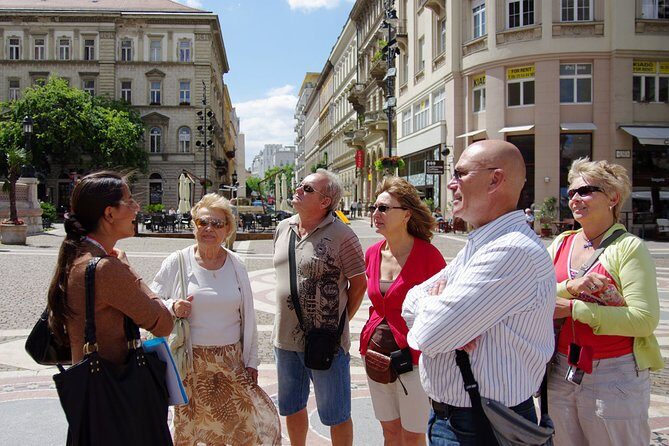
This tour runs with a maximum of 30 travelers, which is a meaningful detail. In busy cities, group size affects how much you can actually hear and ask.
Reviews back up that the guide takes real care with pacing. One account notes the guide was careful about keeping people in shade and moving at a pace that worked for everyone. That’s not just nice service. It directly affects whether you enjoy the walk or spend two hours trying to keep up.
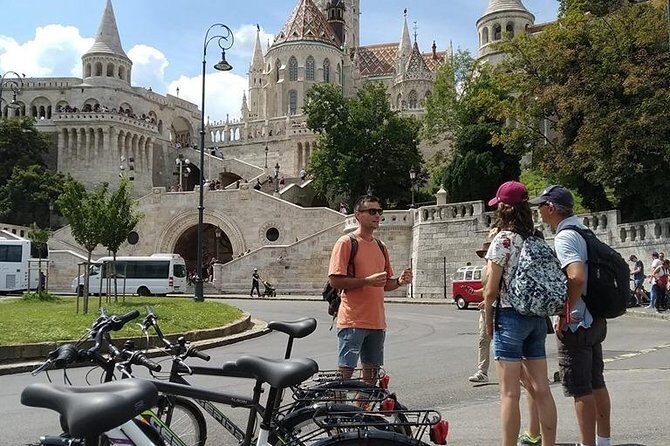
Another strongly praised aspect: the guide takes interest into account. One review specifically mentions Oliver taking time to find out what the group wanted, then covering those interests while still ensuring the tour hit major Hungarian history beats. If you tend to learn best when someone ties sights to your questions, you’ll likely enjoy this style.
Included vs Not Included: Plan Your Next Stop
Here’s the clean breakdown. Included: live tour guiding. Not included: entry to church and museums.
That matters because the tour includes stops at big-ticket places like the Basilica and Parliament. But you’re not paying for entry in the tour price. You’re paying for explanations and orientation.
So, if you want to go inside, treat this as your “pre-game.” You’ll learn what to look for. Then you can decide whether it’s worth spending your own time and ticket budget to enter.
In practice, this makes the walk flexible for different travel styles:
- If you like street-level city understanding, you’re set.
- If you want interiors, plan them separately on the same day or next.
Best For Who? Who Should Book This Walk
I think this tour is a great fit if:
- you want a first-timer overview of Pest with a guided narrative
- you like historical context tied to what you see in front of you
- you prefer efficient sightseeing over long museum sessions
- you want local tips for food and onward plans
It may be less ideal if:
- you want long time inside major sights
- you dislike standing or walking for a full two hours
- you’re hoping for a very slow, detailed stop-by-stop sightseeing marathon
Should You Book This Budapest Historical Center Walk?
Yes, I’d book it if you want a simple way to get oriented in Pest and understand the big historical story behind central landmarks. At $3.60, the value is strong because you’re buying guided context, not just motion around the city.
The biggest reason to choose it is how the guide-led experience is described: considerate pacing, room for questions, and a knack for turning a fast walk into a meaningful overview. Just don’t expect museum or church entry included. Use the walk to get the map in your head, then decide what you want to see in-depth.
If you have only a short time in Budapest, this is one of those tours that helps you spend your day with purpose instead of guessing.
FAQ
How long is the Classic Walk in Budapest Historical Center?
It’s about 2 hours.
How much does the tour cost?
The price is $3.60 per person.
Where does the tour start and end?
It starts at Molnár’s kürtőskalács, Váci u 31, 1052 and ends at the Hungarian Parliament Building, Kossuth Lajos tér 1-3, 1055.
What language is the tour offered in?
The tour is offered in English.
What’s included in the price?
The tour includes live tour guiding.
Are museum or church tickets included?
No. Entry to churches and museums is not included.
How big is the group?
There’s a maximum of 30 travelers.
Is it possible to participate if I have limited mobility?
The listing states that most travelers can participate, and the tour is near public transportation. (Service animals are allowed.)
What’s the cancellation policy like?
You can cancel for a full refund up to 24 hours before the experience’s start time. If you cancel less than 24 hours before, it’s not refunded.
When should I book?
On average, this is booked 67 days in advance, so earlier booking is a safe move if you’re traveling during a busy period.