REVIEW · BUDAPEST
Castle District tour with Matthias Church Ticket & Cake & Coffee
Book on Viator →Operated by Budapest Urban Walks · Bookable on Viator
Budapest’s Castle District is storytime on stone. This small-group tour makes the Buda Hill highlights manageable, and it includes a real, timed visit inside Matthias Church plus cake and coffee at a local spot. It’s a nice mix of big views and close-up details, without feeling like you’re sprinting between landmarks.
What I like most is how the route keeps things simple: you start at the Castle Hill funicular area and you spend your effort on the best parts of the UNESCO-listed district. I also like the pause built into the day—coffee and a traditional cake—so your “standing around for photos” time turns into an actual break, not just more waiting.
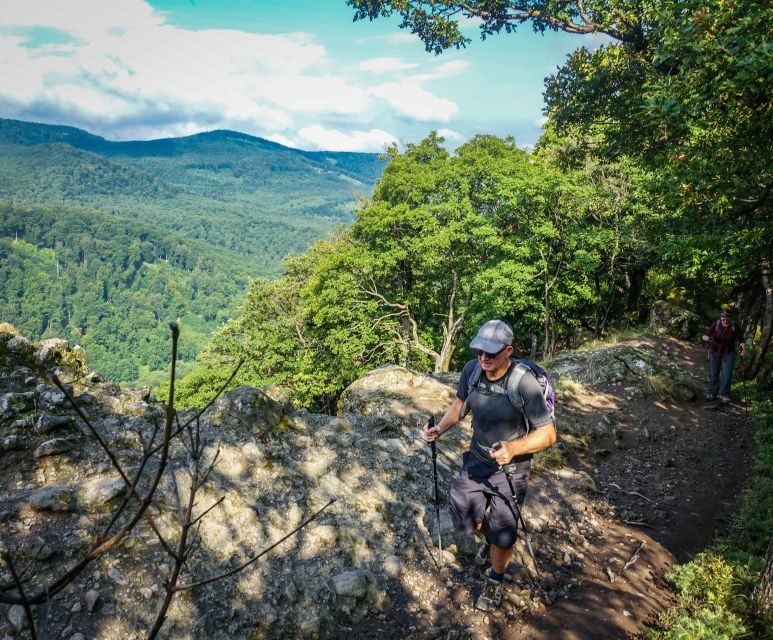
One thing to consider: this is outdoors and on uneven, sometimes steep Castle District ground. If your legs don’t love stairs and cobblestones, you’ll want good shoes and a slower pace mindset.
In This Review
- Key highlights you’ll actually use
- Why Budapest’s Castle District feels different from the riverfront
- Getting up and down: starting at the Castle Hill Funicular
- Fisherman’s Bastion: the terrace views and the stories behind them
- Buda Castle complex: royal scale in a short visit
- Matthias Church: the included ticket and what you should look for
- Sandor Palace, Trinity Square, and the “small stops” with big meaning
- The funicular area turnaround: keeping the day efficient
- Coffee and traditional cake: the break that makes the tour feel human
- Price and value: is $120.93 worth it?
- Who this tour suits best (and who should consider something else)
- Should you book this Castle District tour?
- FAQ
- Where does the tour start?
- How long is the Castle District tour?
- What’s included with the price?
- Is Matthias Church admission included?
- Are any other entrance fees required?
- What language is the tour in?
- How big is the group?
- Does the tour run in bad weather?
- What’s the cancellation policy?
Key highlights you’ll actually use
- Matthias Church ticket included so you don’t waste time figuring out entry
- Small group size (max 15) for easier pacing and questions
- Fisherman’s Bastion + Buda Castle in a tight circuit built around the best photo angles
- Sándor Palace area + Trinity Square monuments for context beyond the postcard shots
- Cake and coffee stop that feels local, not like a tourist trap
Why Budapest’s Castle District feels different from the riverfront
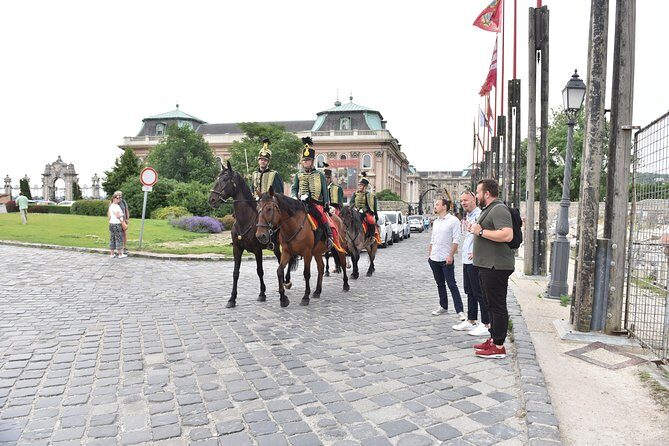
The Castle District is UNESCO-listed for a reason: it’s the place where Budapest’s royal power, religious architecture, and city views all stack up in one compact area. What’s smart about this tour is that it doesn’t treat the district like a checklist. It moves you from viewpoint to landmark to a major church, with enough time at each stop to see what makes each one special.
I like that you get a guide who ties the sights together as you walk. You’ll hear how the area evolved from a royal seat into the scenic, historic heart of the city. That kind of narration matters here because the buildings look similar at first glance, but they’re from different eras and different purposes.
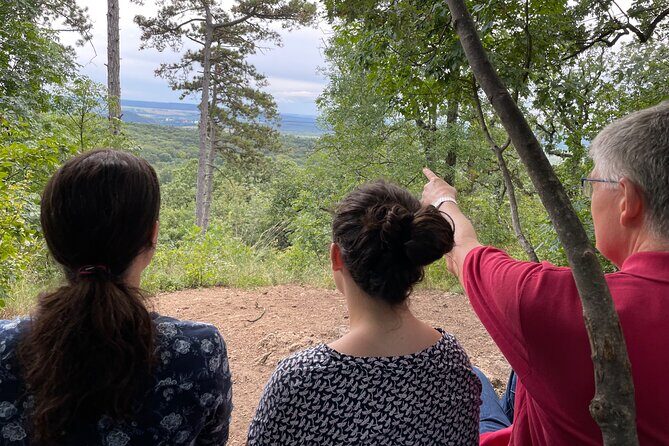
And since you’re on the Buda side, you’re seeing Budapest from the hillside perspective most people miss if they stay near the river. The views aren’t just for photos. They help you understand where everything sits and why the district was so valuable for centuries.
A few more Budapest tours and experiences worth a look



Getting up and down: starting at the Castle Hill Funicular
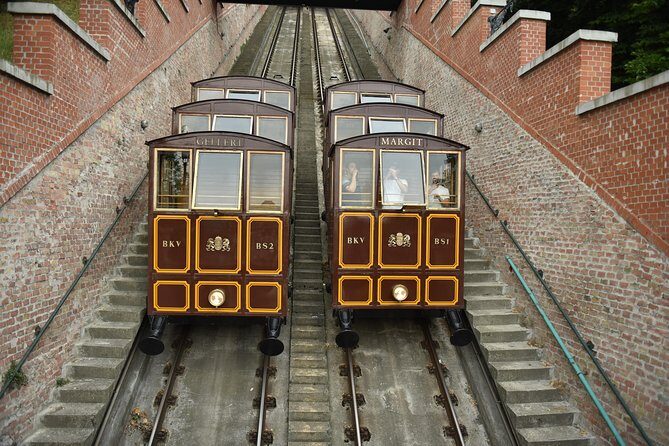
The tour meets at the Budapest Castle Hill Funicular area at Clark Ádám tér, and that’s a practical choice. Instead of fighting the steep climb immediately, you use the funicular’s shortcut to get into “Castle District mode” faster.
From there, the walking circuit stays concentrated. That matters because Castle Hill can eat time even when you plan well. By anchoring the tour around the funicular start point, you spend less of your morning negotiating routes and more time looking at the actual sites.
Also, the pace is built for a group: you’ve got timed stops (like 15 minutes at Fisherman’s Bastion and 20 minutes at Buda Castle), so you’re not left wandering with no sense of order. If you like your tours structured but not rushed, this is the right style.
Fisherman’s Bastion: the terrace views and the stories behind them
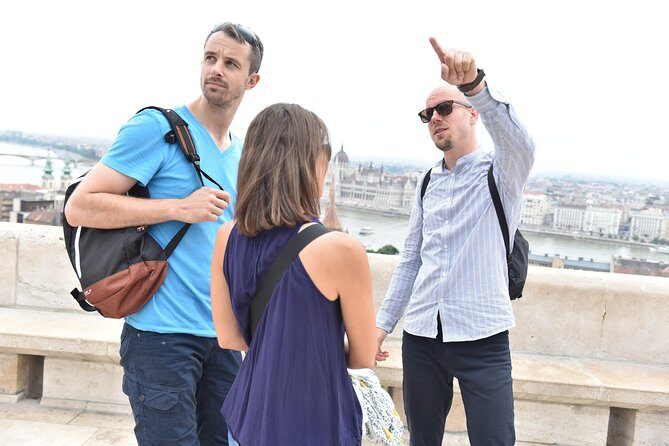
Your first major stop is Fisherman’s Bastion (Halászbástya), one of Budapest’s instantly recognizable monuments. It’s famous for the panorama from its lookout terraces over the Danube and Pest side.
What’s useful about starting here is that your eyes calibrate right away. Once you see the skyline from this elevated spot, the rest of the district makes more sense. You can start mentally mapping where the city sits below while your guide explains what this area was built to represent.
You’ll also notice the details. Even if you think you’ve already seen this place in photos, standing on the terraces changes it. The stonework, the shapes, and the way the viewpoints frame the river are part of the experience—not just the view itself. And the best part: the admission ticket is free for this stop, so your paid value isn’t locked behind extra paperwork.
Tip for you: arrive with your camera ready, but keep a few minutes to just stand and look without shooting. That’s when you catch the angles that feel most “Budapest.”
Buda Castle complex: royal scale in a short visit
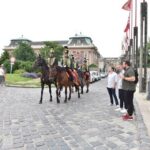
Next you head into Buda Castle (Budavári Palota / Burgpalast), the historic castle and palace complex associated with Hungarian kings. The site has a layered timeline—originally completed in the 1200s, while the big Baroque palace portions you see today were built later, between 1749 and 1769.
Even with a shorter stop (about 20 minutes), you can still get something real from this leg if you know what to focus on. I like using this kind of visit to orient myself: you’re learning the “why” of the district, not trying to do every museum. In other words, you’re connecting the dots between the grand façade feel and the views and church setting.
Admission for this stop is also free, which helps this tour keep its value tight. You’re paying for guidance and time management, not for stacking paid entries.
One consideration: the castle grounds can be crowded and the walkways can be uneven. If you’re sensitive to foot fatigue, take advantage of the guide’s pacing rather than forcing your own speed. The point here isn’t racing. It’s understanding.
Matthias Church: the included ticket and what you should look for
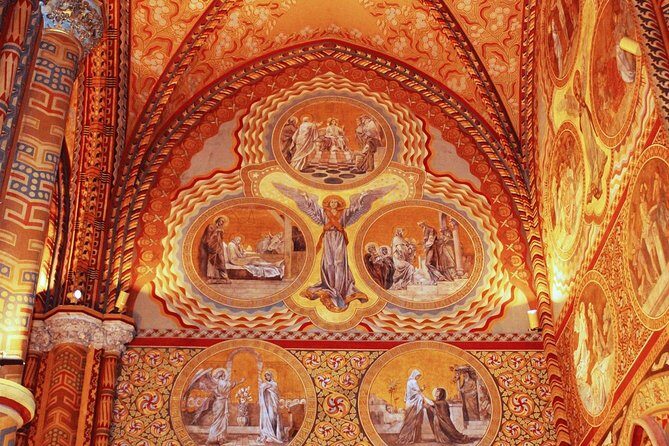
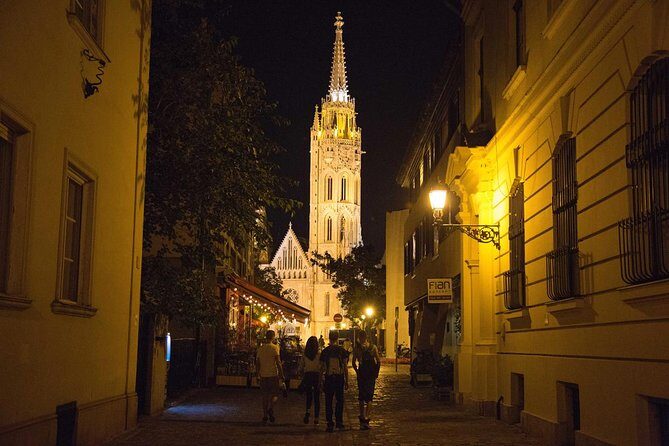
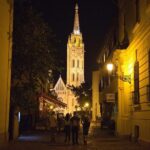
The tour’s anchor stop is Matthias Church (Nagyboldogasszony-templom), often called Mátyás-templom. Here’s where the tour earns its keep: you get a ticket included, and you spend about 30 minutes inside.
This is a Roman Catholic church in Holy Trinity Square at the heart of the Castle District, and it’s a major landmark right in front of the Fisherman’s Bastion area. Because entry is included, you don’t lose time or energy later figuring out what to buy when you’re already standing at the door.
What should you look for? Since you’re inside a historic church, I recommend focusing on contrasts: where the architecture shifts, how light lands on surfaces, and any standout decorative elements your guide points out. A guided visit helps you notice what your eye would otherwise skip—especially in a place like this where the details reward slowing down.
This is also where the narration often clicks. Once you’ve seen the viewpoints and the royal complex context, the church becomes more than a pretty building. It becomes part of the Castle District’s role in national identity.
And based on what guides like Fanni and Laszlo have been described for, you can expect the kind of explanation that makes the place feel less like a postcard and more like a living chapter of Budapest.
A few more Budapest tours and experiences worth a look

Sandor Palace, Trinity Square, and the “small stops” with big meaning
After Matthias Church, the tour keeps moving through the Holy Trinity Square and nearby areas, including:
- Sándor Palace (Sándor-palota): this palace sits beside the Buda Castle complex and has served as the official residence and workspace of the President of Hungary since 2003. The value here is context—you’re connecting past royal power with modern Hungary. Even if you can’t tour everything inside, the location alone matters.
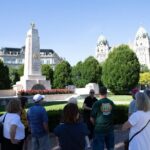
- Holy Trinity Column: near Matthias Church and Fisherman’s Bastion, commemorating people of Buda who died from outbreaks of the Black Plague. This stop can hit harder than expected because it puts a human cost behind a landmark you might otherwise pass quickly.
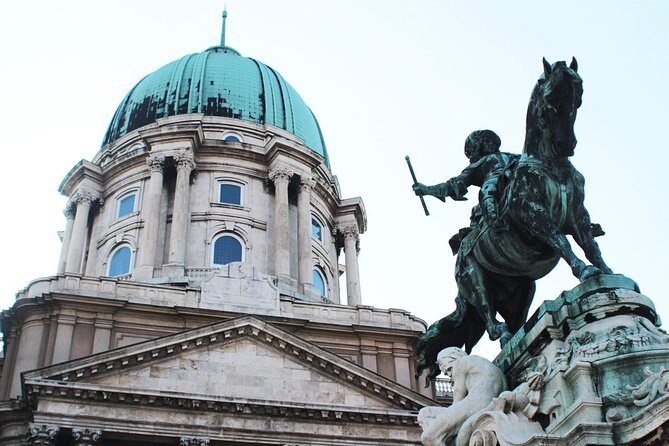
- Fountain of King Matthias: the Matthias Fountain in the western forecourt of Buda Castle, a Neo-Baroque work that’s often photographed and sometimes nicknamed the Trevi Fountain of Budapest.
Each of these stops is about 15 minutes. That’s short enough that you still feel energetic, but long enough to understand why they’re placed where they are. I like this approach because it helps you avoid the “big monument overload” that can happen in the Castle District. You get variety: power, remembrance, and art in motion.
Practical tip: if you’re chasing photos, aim for quick framing at each stop, then listen first. The meaning your guide shares tends to make your photos more interesting later because you’ll know what you’re capturing.
The funicular area turnaround: keeping the day efficient
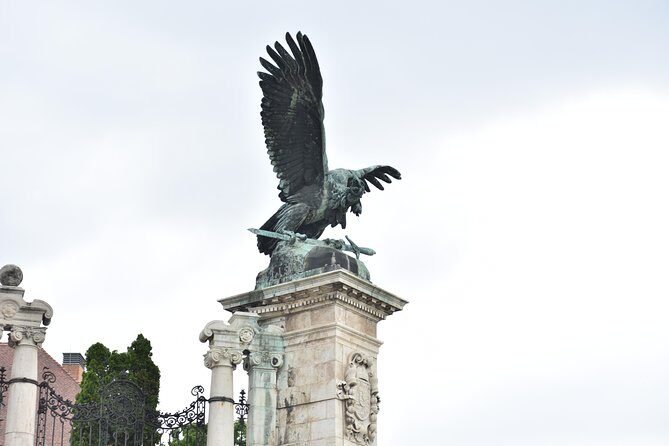
The walk ends back at the meeting point near the funicular. That matters for two reasons.
First, it protects your time. Castle Hill days can turn into hours of self-routing, especially if you’re trying to fit everything around your own schedule. A planned return keeps the day predictable.
Second, it lets you control what comes next. If you want to keep exploring independently—maybe returning to a terrace for a second look at the river view—you’re not stuck figuring out how to get back down. You already built the basic route into your day.
In Budapest, that kind of efficiency is real value. You spend less time in logistics and more time in experience.
Coffee and traditional cake: the break that makes the tour feel human

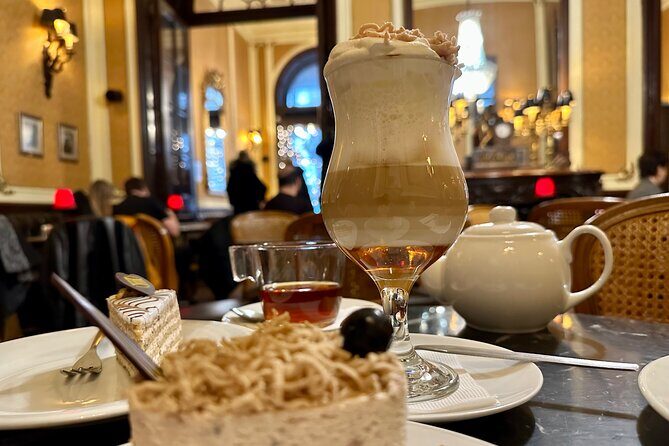
Included in the price is coffee and a traditional cake at a local café. There are also snacks and coffee and/or tea, plus maps and further recommendations.
This kind of stop sounds small, but it changes the feel of the entire tour. After time at viewpoints and inside church space, you need a reset. That’s where you get it: sitting, tasting something traditional, and recharging before the final stretch.
The best part is that this isn’t just “food as filler.” Because the tour keeps walking stops short, the café time functions like a rhythm switch. You’re not waiting too long. You’re not rushing. You’re actually taking a break in the middle of an otherwise concentrated day.
If you’re planning your Budapest food day anyway, treat this as a bonus meal option, not extra research. Grab your cake, drink your coffee, and then use the maps your guide provides to decide what you’ll do after.
Price and value: is $120.93 worth it?
At $120.93 per person for about 2 hours 30 minutes, you’re paying for three things that matter on Castle Hill:
- Time and pacing in a compact, steep area
- A guided storyline that connects the sights into one coherent Castle District picture
- Included ticket value at Matthias Church, plus the café stop with cake and coffee, and snacks
Some admissions are free (like Fisherman’s Bastion and Buda Castle), but the tour still helps because it manages the day so you’re not doing guesswork. Also, Matthias Church entry is included, which is the exact kind of “friction saver” that makes paid tours worthwhile in busy districts.
What’s not included? Additional entrance fees and other food/drinks beyond what the tour specifies. So if you’re the type who wants to do extra museums or special exhibits, budget for those on top.
The small-group cap (maximum 15) also helps here. On Castle Hill, crowded tours can turn into a slow shuffle. A smaller group typically keeps the pace respectful and makes your guide’s storytelling audible.
Who this tour suits best (and who should consider something else)
This fits you best if you want a focused, guided introduction to the Buda side without spending half your day figuring out routes. It’s also ideal if you like church architecture and you’d rather get the Matthias Church ticket handled for you.
You’ll especially appreciate it if:
- You’re short on time but want the core highlights of the UNESCO Castle District
- You prefer small groups and clear timing
- You want a built-in break with cake and coffee instead of trying to hunt one while walking
If you want to spend hours at museums inside the Buda Castle complex, then you might find the stop timing a bit tight. This tour is about the big sights and context—not about deep museum hours.
And again, bring sturdy shoes. Castle District ground can be uneven, and the tour runs in all weather, so plan for rain or cold too.
Should you book this Castle District tour?
If you’re trying to see the Castle District the smart way—views, royal complex, Matthias Church, and a few meaningful side stops—this is a strong choice. The Matthias Church ticket included piece alone saves time and mental energy, and the cake and coffee break makes the whole day feel more balanced.
Book it if you value a tight route and a guide who helps you connect what you’re seeing. Skip it only if your main goal is museum hours inside Buda Castle or if you know you’ll struggle with walking on uneven, steep terrain.
If you want the Buda Hill highlights with real context and a human pace, this one earns its place on your Budapest plan.
FAQ
Where does the tour start?
It starts at the Budapest Castle Hill Funicular in Clark Ádám tér, 1013 Hungary. The tour ends back at the same meeting point.
How long is the Castle District tour?
The duration is about 2 hours 30 minutes.
What’s included with the price?
You get coffee and a traditional cake, maps and further recommendations, snacks, and coffee and/or tea. Matthias Church admission is also included.
Is Matthias Church admission included?
Yes, the Matthias Church (Nagyboldogasszony-templom) stop includes admission as part of the tour.
Are any other entrance fees required?
Fisherman’s Bastion and Buda Castle are listed as free admission stops. Additional entrance fees are not included unless specified.
What language is the tour in?
The tour is offered in English.
How big is the group?
The maximum group size is 15 travelers.
Does the tour run in bad weather?
Yes. It operates in all weather conditions, so you should dress appropriately.
What’s the cancellation policy?
Free cancellation is available. You can cancel up to 24 hours in advance for a full refund.