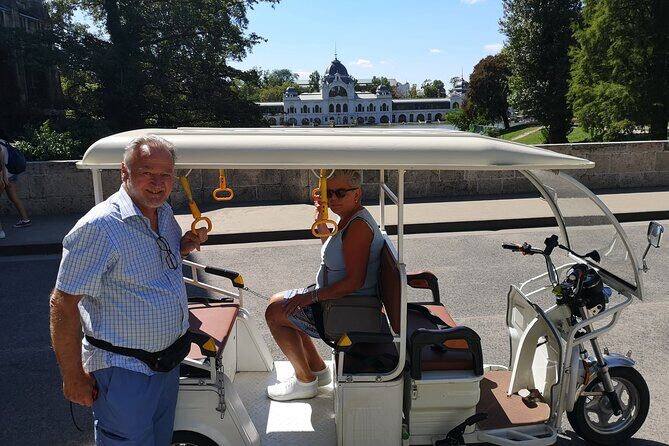
REVIEW · BUDAPEST
Budapest Walking Tour with Your Private Guide: 10+ Highlights
Book on Viator →Operated by Budapest with Lara · Bookable on Viator
Budapest can feel like a puzzle—this tour helps you solve it. You get a focused introduction to the city’s 1000+ years of story as you move from Pest toward Buda, ending at Fisherman’s Bastions. It’s a great way to connect the famous landmarks into one clear route, with a guide who knows how to explain what you’re seeing.
I especially like that Lara starts with a mini history lesson before you hit the streets, so the buildings don’t feel random. I also like the small, useful extras—she shares anecdotes about details people would likely miss on their own, and she stayed flexible when we needed to adjust.
One thing to consider: admission fees are not included, so you’ll want to plan on possible extra costs if you decide to go inside any stops. Also, it’s a 3-hour walking tour, so bring comfortable shoes and expect to be on your feet for most of the experience.
In This Review
- Key highlights that matter on the ground
- A 3-hour Budapest overview from Pest to Buda
- Meeting at Elizabeth Square and getting your bearings fast
- Stop-by-stop: what you’ll see and how to get more out of each landmark
- St. Stephen’s Basilica as your first big anchor
- The Hungarian Parliament Building and power-of-place stories
- Kossuth Lajos Square as a fast orientation point
- Széchenyi Lanchid for the river-crossing vibe
- Hungarian Academy of Sciences for a quieter stop with meaning
- Little Princess Statue: a human-scale moment
- Sándor Palace as a power-and-history checkpoint
- Matthias Church: the classic end-of-route feeling
- Fisherman’s Bastion as the payoff viewpoint
- What you’re really buying with a private licensed guide
- The Lara factor: why this guide experience feels different
- Best for: who this walking tour suits best
- Price and planning: what to budget beyond the ticket
- Should you book this Budapest walking tour?
- FAQ
- FAQ
- How long is the Budapest walking tour?
- Is this tour private or shared?
- What language is the tour offered in?
- Where do we meet, and where does the tour end?
- What is included in the price?
- Are admission fees included for the sites?
- Do I get a ticket on my phone?
- What is the cancellation policy?
Key highlights that matter on the ground

- Lara’s mini history primer to give you context before you start walking
- 10+ major sights packed into a logical Pest-to-Buda route
- A flexible private format where only your group participates
- Practical help at the end, including assistance buying bus tickets
- Mobile ticket for easy entry to the experience
- Licensed guide included (so you’re not just buying a self-guided stroll)
A 3-hour Budapest overview from Pest to Buda
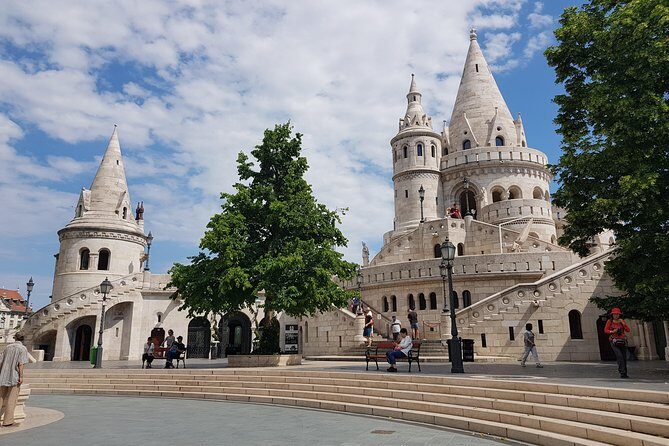
This walking tour is built like a short “time travel” arc. You start on the Pest side and gradually move backward through Budapest’s story, finishing on the Buda side at Fisherman’s Bastions. That flow matters because Budapest is spread out and it’s easy to feel like you’re checking off landmarks with no connection.
With a licensed guide, you’re not left guessing what you should pay attention to. Instead, you get an organized route plus background that helps the sights click into place. The experience is offered in English, and the timing is set for an afternoon walk—roughly late morning to mid-afternoon.
Because it’s private, you also avoid the awkward moments that come with larger groups. Only your group participates, so you can ask questions without waiting your turn, and the guide can keep the pace aligned with your comfort level.
You can also read our reviews of more walking tours in Budapest



Meeting at Elizabeth Square and getting your bearings fast
The meeting point is Elizabeth Square, at Deák Ferenc tér 2, 1052 Hungary. The tour ends back at the meeting point, which is a real convenience when you’re trying to plan the rest of your day—no extra transit puzzle at the end.
Starting at a central Budapest square makes practical sense. You’ll be near public transportation, so it’s easy to get there from almost anywhere you’re staying. If you’re the type who hates “dead time” between sights, this format helps you move smoothly from landmark to landmark.
Before you head out, you’ll have a bit of framing from the guide—right away, not halfway through the walk. In the experience I focused on, Lara begins with a mini history lesson before walking starts, which is the right order. You get the big picture first, then the details during the stops.
Stop-by-stop: what you’ll see and how to get more out of each landmark
St. Stephen’s Basilica as your first big anchor
You begin at St. Stephen’s Basilica (Szent Istvan Bazilika). Starting here works because it’s a recognizable “anchor” sight in the city, the kind of place where your guide can set the tone for what you’ll be learning.
For me, the best way to enjoy the first stop is to pay attention early. Ask yourself what the guide says to “look for” in the building’s details—because later, when you’re already walking, it’s harder to slow down and absorb. The tour is designed to build momentum, so using this moment to start noticing details will pay off.
A small drawback at the first stop: you might feel tempted to spend too long just taking photos. If you want the time-travel effect, stay present, listen, and keep moving when the group does.
The Hungarian Parliament Building and power-of-place stories
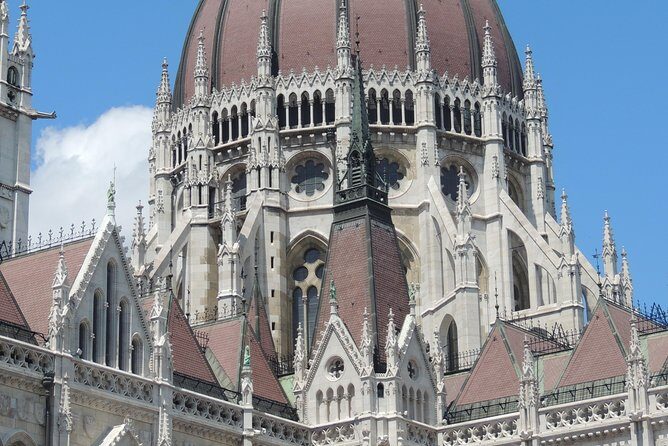
Next is the Hungarian Parliament Building. This is one of those sights where a guide changes everything. The exterior alone can feel impressive, but the real value is having someone explain why it matters in Hungary’s broader story.
If you’re curious about symbolism or how nations express identity in major civic buildings, this is the kind of stop that rewards you. You’ll get anecdotes about details you’d likely miss without guidance, which helps the building feel less like a postcard and more like a place with meaning.
The main consideration here is timing and pacing. Since this is a 3-hour walk with multiple stops, you’ll want to accept that each place is a highlight, not a full visit. If you strongly prefer long inside visits, you may end up wanting more time than the tour allows.
You can also read our reviews of more guided tours in Budapest






Kossuth Lajos Square as a fast orientation point
Kossuth Lajos Square is the next stop. Squares are useful on walking tours because they help you understand the city’s layout and how major sights relate to each other.
This is also where the tour’s “story” begins to feel more connected. By now, you’ve got some history framing in your head, so listening becomes easier. If you tune in to what your guide says about what you’re seeing around the square, you’ll likely feel oriented for the rest of your Budapest days.
If you tend to get bored with transit-style breaks, don’t worry—your guide’s job here is to make these transitions matter. The stop is short, but it supports the route.
Széchenyi Lanchid for the river-crossing vibe
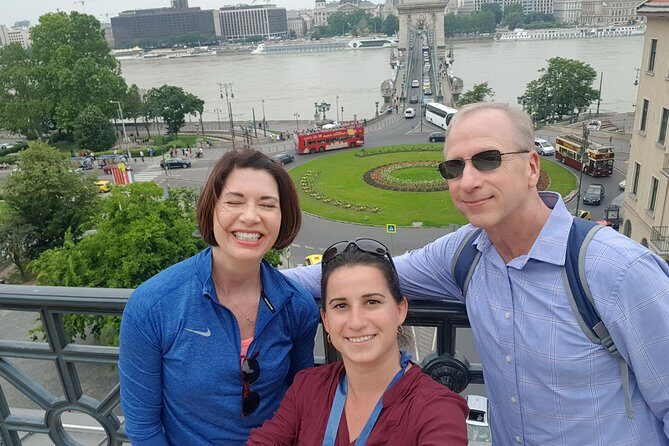
Then you walk to Szechenyi Lanchid. Even if you’re not thinking about architecture details, this stop helps with geography. It’s a checkpoint that signals movement through the city and reinforces the Pest-to-Buda journey you’re living.
This part of the tour is also a great “photo-and-pause” moment, because it’s a wide, memorable viewpoint area. If you want the best photos, keep an eye on what the guide suggests—angles can matter, and you don’t want to spend time experimenting when you could be learning something more useful.
A practical note: bridge areas can be windy, depending on weather. Bring a light layer if you’re going in cooler months. It’s a small comfort upgrade that makes walking easier.
Hungarian Academy of Sciences for a quieter stop with meaning
The Hungarian Academy of Sciences is stop five. This is the kind of location that might not be on every casual itinerary, and that’s part of the appeal. Your guide’s anecdotes help turn a name on a map into something you understand.
If you like learning about a country through institutions—education, research, culture—this stop adds texture. It’s also a nice contrast after bigger, more ceremonial-looking landmarks.
Because it’s still part of a compact 3-hour route, don’t plan on a long, detailed exploration. Think of it as a story stop: you get context, you look around, and you keep going.
Little Princess Statue: a human-scale moment
Next up is the Little Princess Statue. This is a different kind of sight: smaller scale, easier to spot, and often more fun to react to than the bigger civic buildings.
I like adding at least one “human-scale” highlight on a walking tour because it breaks up the grandeur. It gives you something light to anchor the afternoon, and it’s usually a good moment to slow down briefly and take a few photos without feeling rushed.
The main consideration is expectations. If you’re looking for a full indoor museum-type experience, this tour isn’t that. It’s designed for walking, listening, and seeing the city’s key outdoor landmarks.
Sándor Palace as a power-and-history checkpoint
Stop seven is Sándor Palace. This is another stop where your guide’s explanations can do the heavy lifting. Palace-type locations are often more interesting when you understand their role in the country’s story, not just their appearance.
If you enjoy hearing what a famous building has meant over time—who it relates to, what kind of civic presence it has—this stop should fit well. It also sits naturally in the route as you continue the slow turn from Pest’s early sections toward the Buda side.
The drawback is similar to other big landmarks: you may want more time than the schedule allows. If you’re the type who could spend an hour at a single palace, consider pairing this tour with another focused activity later.
Matthias Church: the classic end-of-route feeling
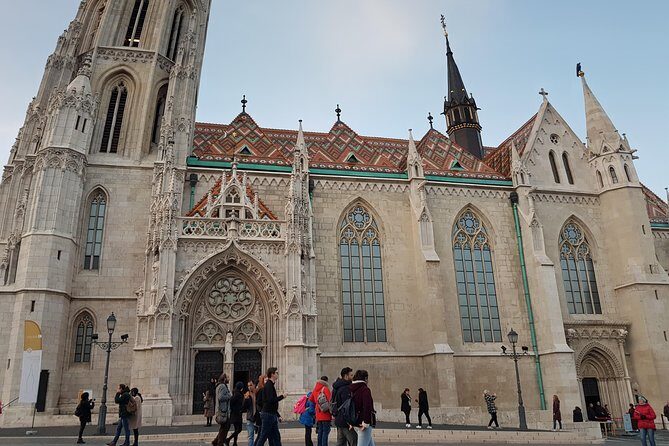
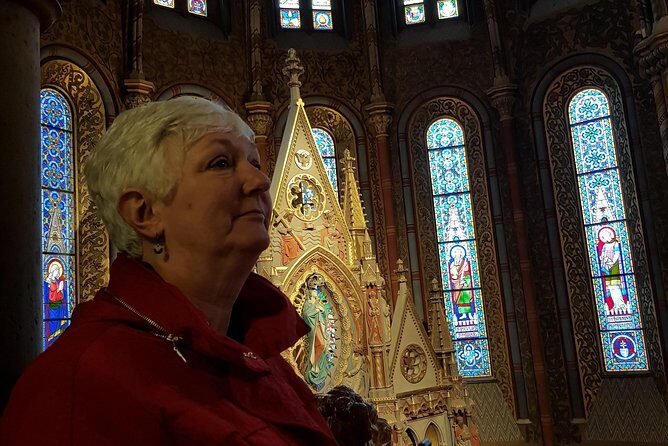
Then the tour brings you to Matthias Church. This is a strong step in the transition toward the finale. By now, you’ve already heard the mini-history framework, so your listening becomes more “connected” rather than “brand-new.”
This stop is a good moment to notice contrasts: how the guide’s stories shift as you move through neighborhoods and eras. The value here is not just looking at a landmark; it’s understanding how Budapest’s different districts feel like chapters in one book.
Plan to keep moving at the pace set by the guide. You’ll get more satisfaction at the end if you save your energy for the final viewpoint area.
Fisherman’s Bastion as the payoff viewpoint
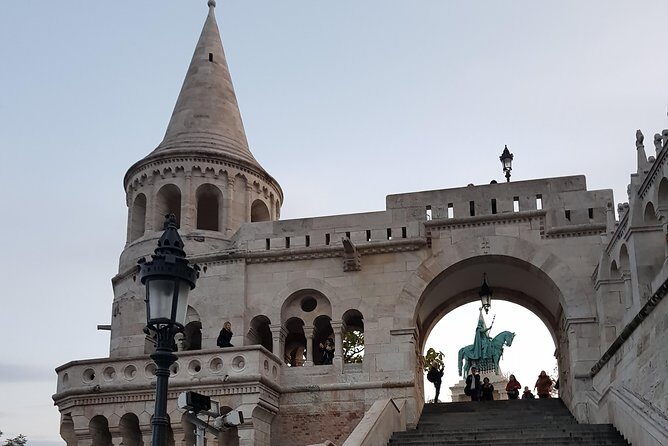
Finally, you end at Fisherman’s Bastion. The tour is intentionally designed to finish here on the Buda side, which makes sense because it’s the kind of place where a panoramic viewpoint and a dramatic setting can give your whole walk a satisfying ending.
If you want your first day in Budapest to feel like you saw the most important parts without wasting time, this ending helps. You walk there with context in your head, and then you finish with the kind of sight that makes it feel worth it.
Because it’s the last stop, you’ll likely be ready for a few slower minutes to take it all in. Just remember the tour ends back at the meeting point afterward, so you’ll want to plan your next move while you’re still thinking clearly.
What you’re really buying with a private licensed guide
The listed price is $162.56 per person for an approximately 3-hour tour. On paper, it’s not the cheapest way to walk around Budapest. But when it’s private, includes a licensed tourist guide, and covers a route with 10+ major stops, the cost can feel fair—especially if you’re traveling as a small group and want the route done for you.
The tour is also offered with group discounts, which can help reduce per-person cost depending on how your group is sized. The format also includes a mobile ticket, so you’re not scrambling for paperwork.
One key value item: you’re not only seeing landmarks—you’re getting interpretation. In the guide’s approach I leaned on here, Lara gives a mini history lesson at the start and then returns to relevant details throughout the walk. That makes your time more efficient than wandering on your own and trying to “learn later.”
The Lara factor: why this guide experience feels different
The standout theme is the guide quality. Lara is described as the perfect, flexible host-guide, and that flexibility is more than a nice personality trait. It changes how enjoyable the tour feels when your group has questions, different walking comfort levels, or needs a small adjustment without drama.
One practical bonus: Lara helped with bus tickets to get back at the end of the tour. That’s the kind of real-world help that turns a sightseeing walk into a smooth travel day. If you’ve ever finished a tour and then spent 20 minutes figuring out transit under pressure, you’ll appreciate this.
Her background approach also matters: starting with a mini history lesson sets you up to understand what you’re seeing, not just pass by it. Add the anecdotes about details you might miss alone, and you end up with a tour that feels like a conversation with a city expert—not a checklist.
Best for: who this walking tour suits best

This tour is a strong fit if you:
- want a guided introduction without committing to multiple museum visits
- like history explained in a way you can use while walking
- prefer a private experience where you can ask questions in real time
- want help planning transit after sightseeing (especially getting bus tickets)
It may be less ideal if you want long inside visits at every stop. Since the focus is on walking and highlights, you should treat each location as a featured stop rather than a full deep-dive experience.
Price and planning: what to budget beyond the ticket
Your ticket price is $162.56 per person, and it covers the licensed guide. Admission fees are not included, so plan for possible extra costs if you decide to enter any sites along the way.
The duration is about 3 hours, and the tour runs daily during the listed opening window (10:30 AM to 3:30 PM). If your schedule is tight, the start and end back at Elizabeth Square helps keep your day tidy.
Since it’s near public transportation and uses a mobile ticket, logistics are usually straightforward. If you’re trying to fit this into a first day, pick it for a time when you’ll still have energy afterward—you’ll come away with ideas for what to do next.
Should you book this Budapest walking tour?
Yes, if you want an organized Pest-to-Buda introduction with a guide who can explain what matters and help you finish your day easily. The combination of a mini history start, a flexible private format, and practical help with bus tickets makes it feel like more than a typical walking tour.
Skip it only if you already know Budapest well and you’re hoping for long, ticketed entry time at multiple stops. This is built for highlights and context in about 3 hours.
FAQ
FAQ
How long is the Budapest walking tour?
It lasts about 3 hours.
Is this tour private or shared?
It’s private, meaning only your group participates.
What language is the tour offered in?
It’s offered in English.
Where do we meet, and where does the tour end?
You meet at Elizabeth Square, Deák Ferenc tér 2, 1052 Hungary, and the tour ends back at the same meeting point.
What is included in the price?
A licensed tourist guide is included.
Are admission fees included for the sites?
No, admission fees are not included.
Do I get a ticket on my phone?
Yes, it includes a mobile ticket.
What is the cancellation policy?
You can cancel for free up to 24 hours in advance for a full refund. If you cancel less than 24 hours before the start time, the amount paid is not refunded.