REVIEW · BUDAPEST
Budapest: Walking Tour in German
Book on GetYourGuide →Operated by Tourist Angel · Bookable on GetYourGuide
Buda and Pest, told in German. In three hours, you’ll connect the St. Stephen’s Basilica area with the Chain Bridge and castle-quarter views, guided the whole way by a German speaker who keeps the story moving.
What I like most is the payoff: you get dramatic views from Matthias Church and the Castle Quarter, plus a clear run-through of Hungary’s biggest turning points over roughly 1,100 years.
One thing to plan around: this is mostly on foot, but you also cross the Danube by public transport, and shorts aren’t allowed, so pack accordingly.
In This Review
- Key points to know before you go
- Meeting at St. Stephen’s Basilica: your easy start point
- Leopoldstadt and the Chain Bridge route: how you cross the story from Pest to Buda
- Pest’s major civic landmarks: Parliament and the political backdrop you’ll actually remember
- The Castle Quarter shift: fortifications, royal spaces, and the view factor
- Matthias Church and Fisherman’s Bastion: Gothic beauty plus skyline payoff
- The 1,100 years of Hungarian history thread: why a guided story beats solo wandering
- Price and time: is $41 a good deal for a first Budapest day?
- Comfort and rules: one restriction you should actually respect
- Who this German walking tour fits best
- Should you book it?
- FAQ
- What is the duration of the Budapest walking tour in German?
- Where do we meet for the tour?
- Is the guide German-speaking?
- What does the price include?
- Do I need public transport tickets?
- Are there any clothing restrictions?
- Is it mainly walking or are there rides too?
- FAQ
- Can I cancel for a full refund?
- Can I reserve and pay later?
- Is the tour available as a private or small group?
- Are there different start times?
Key points to know before you go
- German-speaking guide who answers questions as you walk
- St. Stephen’s Basilica plus standout Gothic architecture on the Buda side
- Fortified Buda Castle and views that make the uphill parts worth it
- A guided history thread from the conquest era to modern democratic change
- Public transport crossing the Danube, so factor in a short transit segment
Meeting at St. Stephen’s Basilica: your easy start point
The tour’s meeting point is right by St. Stephen’s Basilica, next to the California Coffee Company. That’s a smart choice. It means you’re starting in a landmark zone people already recognize, so you’re not wandering around Budapest early on trying to find the “official spot.”
The walk is designed for an “orientation first” experience. You’re not trying to see everything Budapest has ever put on a postcard. You’re setting your mental map: where Pest’s civic buildings feel grand and where the Buda hills shift the whole mood. If you’re only in town for a short time, this kind of route helps you come back later with more confidence.
If you care about photography, the tour’s structure is good. It strings together wide city moments with architectural “pause and look” stops. You’ll be under a guide’s direction, not just speed-walking from one attraction sign to the next.
Quick practical note: this is a walking tour in the oldest parts of Budapest, and the Buda side tends to involve hills and stairs. Bring footwear you’ll be happy in for a few hours.
You can also read our reviews of more walking tours in Budapest



Leopoldstadt and the Chain Bridge route: how you cross the story from Pest to Buda
A big reason this tour feels like more than a checklist is the way it moves geographically. You start in the oldest parts of Budapest and include Leopoldstadt, then work toward the Danube crossing and the Chain Bridge area. That route matters because it changes what you see every few minutes: street life in Pest, then the river corridor, then the castle skyline on the Buda side.
Leopoldstadt is named in the tour plan, which tells you the guide won’t ignore areas outside the main tourist funnel. Even without heavy detail on every street corner, the tour framing helps you understand how Budapest grew and why the city is really two halves stitched together by the Danube.
Then comes the Danube moment. The tour notes that you’ll use public transport to cross from Pest to the Buda side. That’s a practical benefit. Walking the whole way across a major river can be slow, and busier river routes can be tiring. Here, the transport segment helps you keep momentum and still reach the Buda hills efficiently.
What to watch for: because there’s a transit segment, the tour won’t feel like pure strolling the whole time. You’ll have a short “move and regroup” moment where timing is tighter than a full free-walk tour. If you’re the type who hates being late, aim to be at the meeting point a few minutes early.
Pest’s major civic landmarks: Parliament and the political backdrop you’ll actually remember
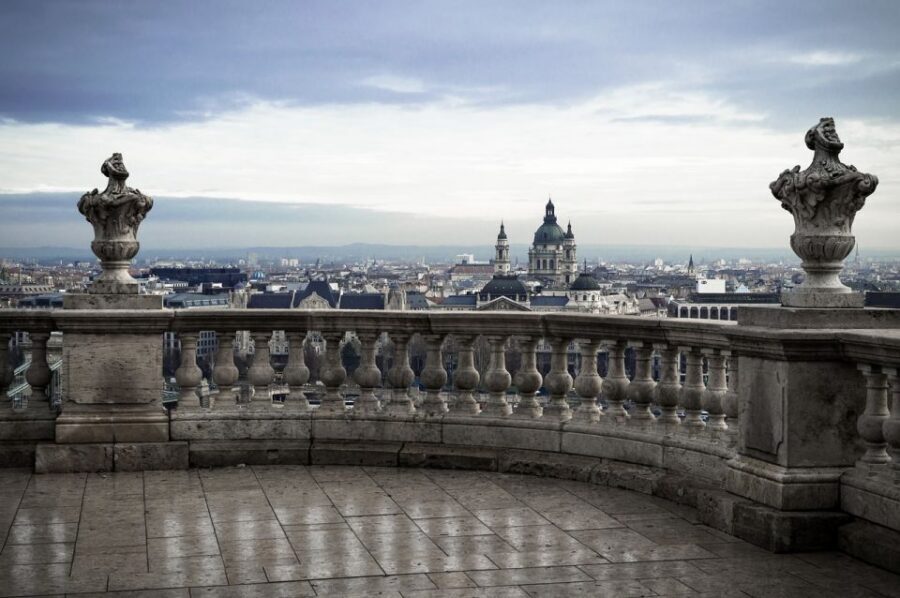
Once you’re on the Pest side, the tour focuses on the city’s formal, civic architecture. You’ll pass or visit sights including the Hungarian Parliament and landmarks tied to the seats of power, such as the President’s Palace. Even if you don’t know Hungarian politics now, you’ll understand the visual message fast.
A good walking guide does two things well here:
1) connects buildings to periods in Hungary’s story, and
2) points out what the architecture is trying to signal.
That’s exactly what this tour promises as it runs through the country’s long timeline. You’re not learning history as dates in a textbook. You’re seeing how political shifts leave visible marks in the city.
One reason I think this part works for value is simple: these landmarks are time-expensive to reach on your own if you’re trying to get the “right” angles quickly. With a guide and a designed route, you get practical orientation without having to plan a mini itinerary on the fly.
The Castle Quarter shift: fortifications, royal spaces, and the view factor
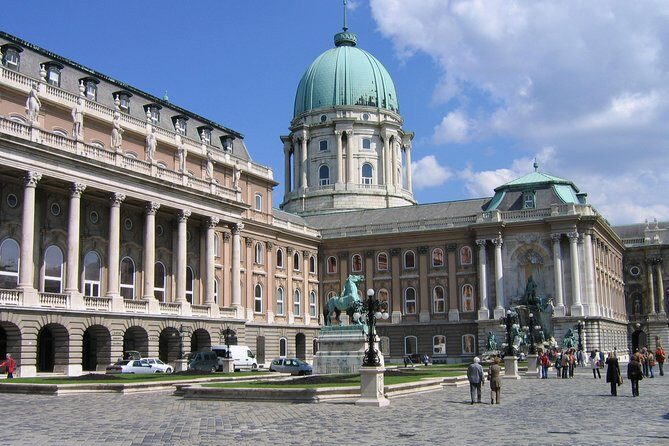
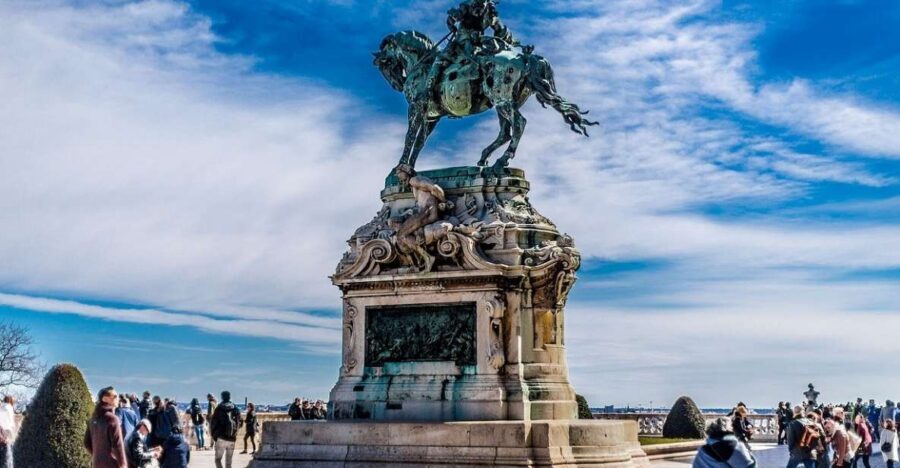
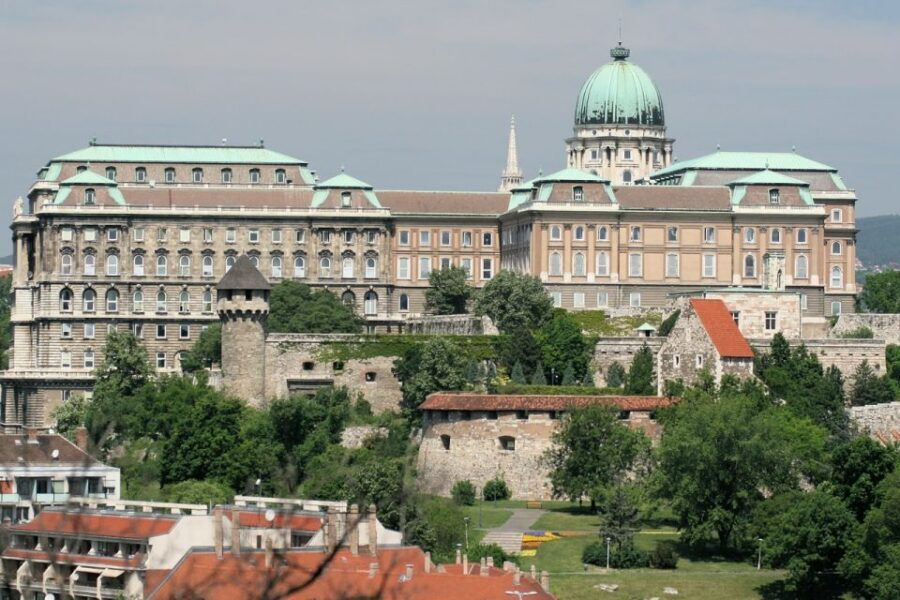
When you move into the Buda side, the tour leans into the Buda Castle complex and the Castle Quarter. You’ll visit the fortified Buda Castle area and spend time around the Royal Palace as well. This is where Budapest starts looking like a city shaped by defense, royalty, and centuries of reinvention.
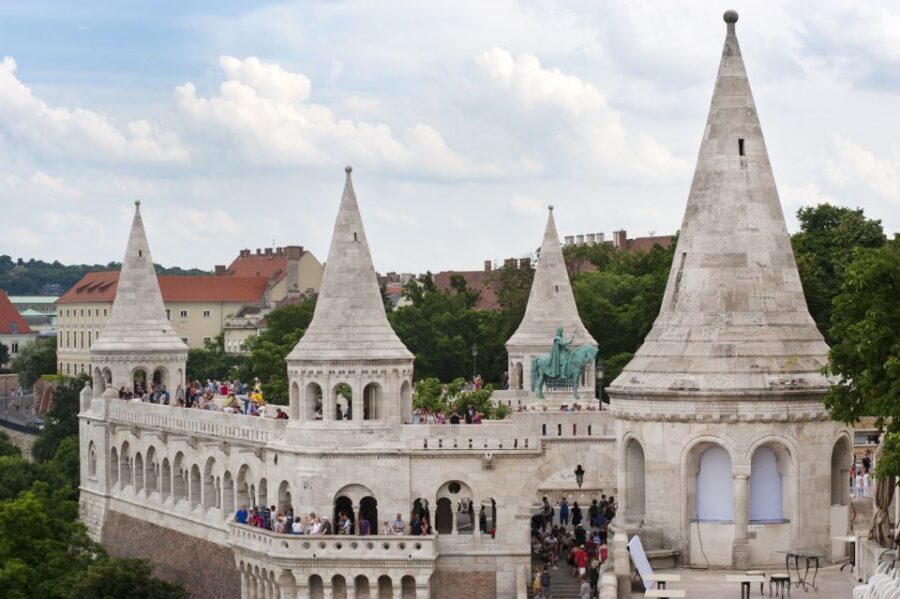
The castle zone tends to be the part people feel in their legs. You’re going from river-level movement into hilltop viewing. The good news: the payoff is built in. The tour highlights “breathtaking views,” and you’ll actually have those moments because the route reaches vantage points like the ones near Fisherman’s Bastion.
There’s also a storytelling benefit. The fortified castle area doesn’t just look impressive. It makes it easier to understand why Hungary’s history was so tied to who could protect the high ground and control movement along the Danube.
If you want to make the most of this segment:
- pause when your guide calls out a viewpoint, and
- take a quick look both ways: toward Pest and back toward Buda.
That back-and-forth is where the city stops being a series of stops and starts feeling like one connected place.
Matthias Church and Fisherman’s Bastion: Gothic beauty plus skyline payoff
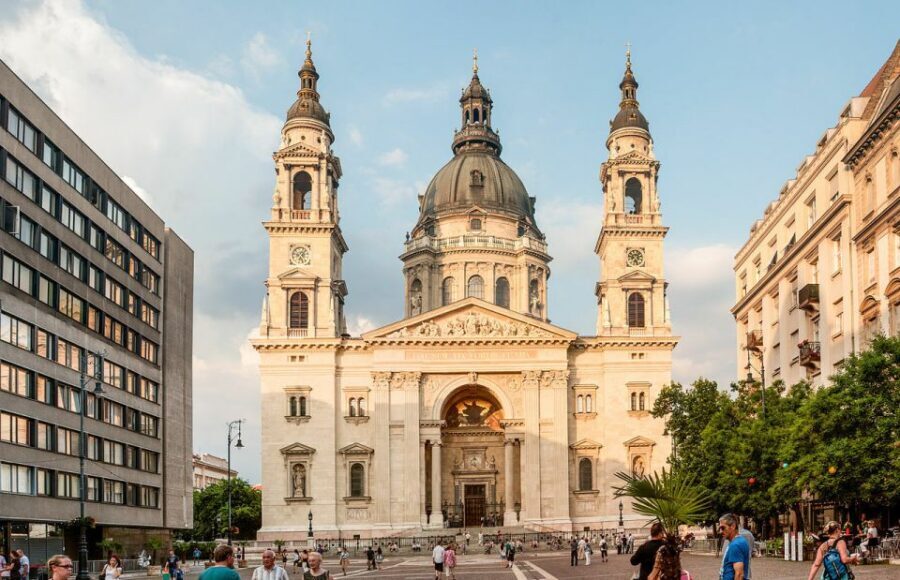
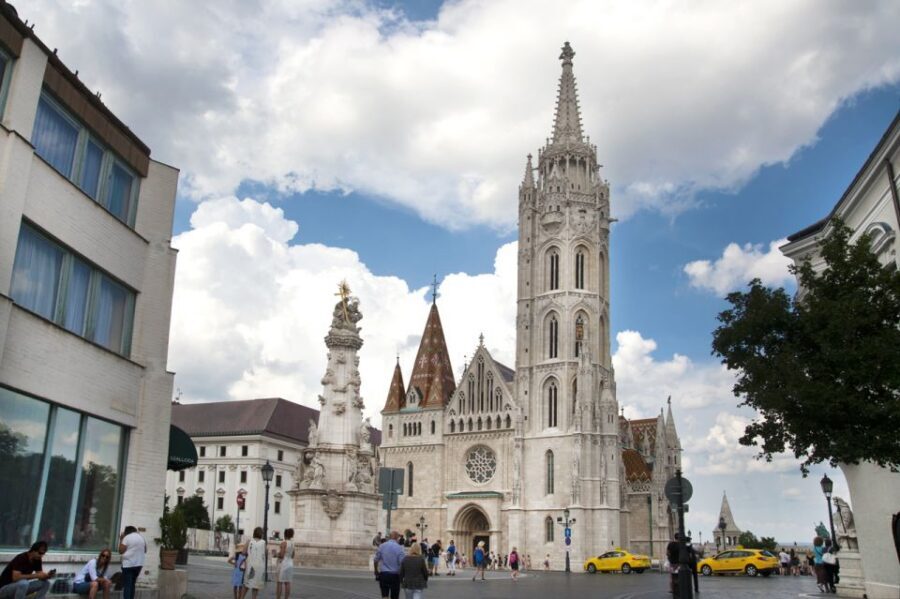
This tour doesn’t treat views as an afterthought. Matthias Church is specifically called out, and it’s paired with the larger “look-out” energy of the Fisherman’s Bastion area.
What I like about pairing them in one walking experience is that you get contrast:
- Matthias Church brings you into the Gothic atmosphere and the church’s presence in the castle skyline.
- Fisherman’s Bastion gives you the big panorama moments, the kind you want for orientation, not just for a quick photo.
Matthias Church and the surrounding castle-quarter sights are also where the tour’s “local perspective” matters. A German-speaking guide can point out what to notice in the building lines and how different periods left their fingerprints. Even if your German is basic, the guide’s pacing and explanations make it easier to follow the visual cues.
If you’re traveling with someone who cares more about photos than details, you’ll still get value. The route gives you moments where the city does the talking. You can focus on the views while your guide handles the historical context.






The 1,100 years of Hungarian history thread: why a guided story beats solo wandering
You’ll get a guided narrative covering roughly 1,100 years of Hungarian history—from the conquest era through the country’s modern democratic changes. That’s a lot of ground for one tour, but the structure is built for attention. You’re moving between major landmarks where the story has visible anchors: royal spaces, political buildings, church architecture, and river-crossing geography.
The real advantage isn’t that you suddenly become an expert. It’s that you leave with a mental timeline that fits the city’s layout. After a good walk like this, Budapest starts making sense when you return to it on your own.
There’s also a social side here. The guide is there for questions, and the experience is designed around real interaction rather than a one-way lecture.
The guide impact shows up in the feedback you’ll see. For example, Ewa is mentioned for making the story interesting. Ursula comes up in a way that suggests she took the experience beyond facts—there’s even mention of a Hungarian song during the tour. Monika is described as warm, with a restaurant tip that was considered genuinely useful. Those details matter because they hint at a guide who understands what makes a walking tour feel alive, not automatic.
Price and time: is $41 a good deal for a first Budapest day?
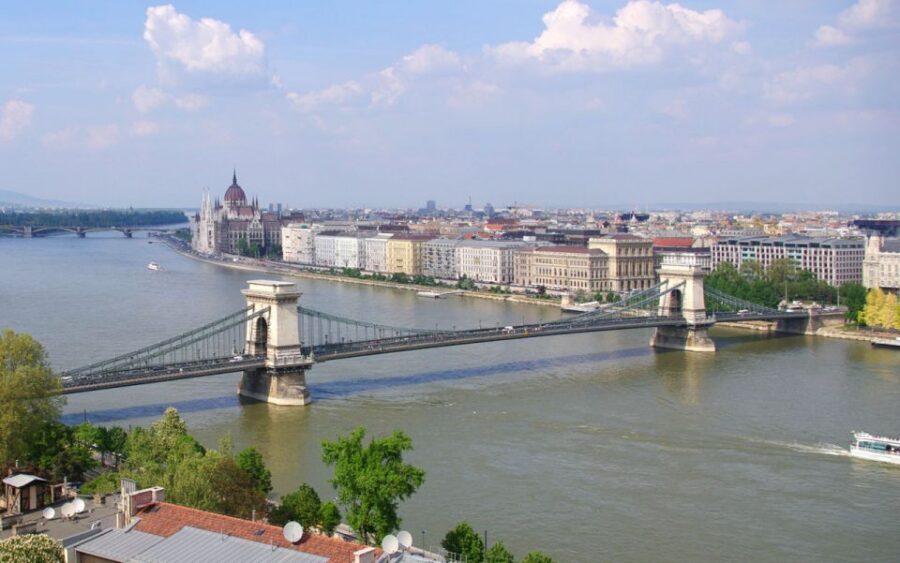
At $41 per person for a 3-hour guided walk, the value depends on your goals. If you want a quick hit of major sights and a history thread that helps you navigate later, this price is reasonable. You’re not just walking past buildings—you’re getting a German-speaking guide and a route that covers both sides of the Danube, including major Pest landmarks and Buda castle views.
Two points to weigh:
- Transport isn’t included. You’ll need public transport tickets (4 tickets/person – 1400 HU) for the crossing segment.
- You’re paying for time efficiency. Without a route plan, it’s easy to lose 3 hours just moving between distant sights and trying to line up the best views.
So, if you’re thinking, I’ll do this myself: you might save money on the guide. But you’ll likely spend extra time figuring out what order to see things in and what to pay attention to. This tour compresses that work into a guided format.
Bottom line on value: for many visitors, the guide + route efficiency makes the $41 feel like a shortcut, not an expense.
Comfort and rules: one restriction you should actually respect
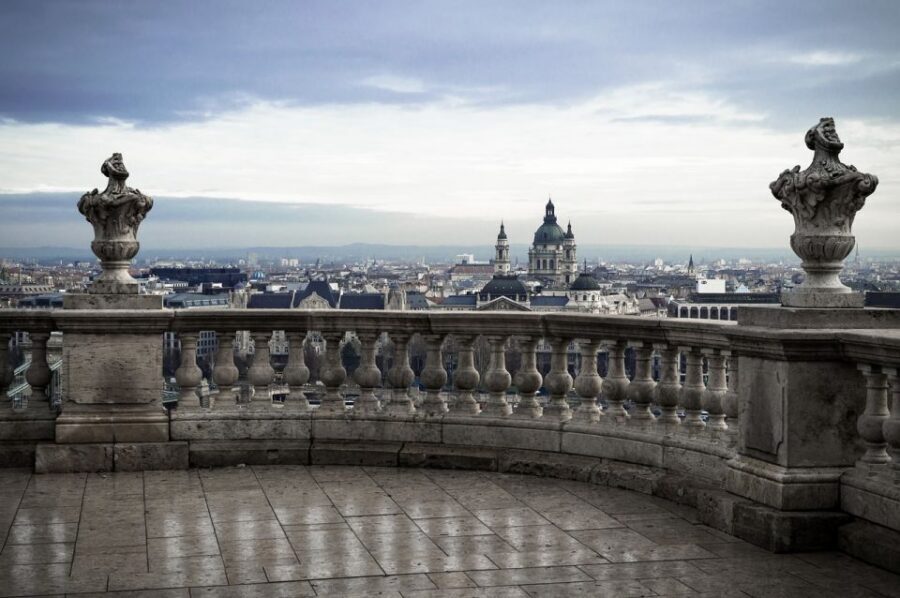
This tour has one clear clothing rule: shorts aren’t allowed. That’s specific enough that you should plan for it. If you’re visiting in warm weather, bring breathable long pants or plan to wear lightweight trousers instead.
You’ll also be on foot for most of the tour, so dress for walking—weather matters here. And because you’ll use public transport to cross the Danube, bring what you’d normally bring for a short city transit hop: something small but useful like a water bottle and a secure bag.
If you hate uncertainty about timing, do yourself a favor and arrive a few minutes early at the meeting spot by St. Stephen’s Basilica. Walking tours run smoother when everyone’s ready.
Who this German walking tour fits best
I think this tour is especially good for:
- first-time Budapest visitors who want a quick orientation,
- people who like architecture and want the “why” behind the shapes,
- travelers who prefer small-group, interactive explanations over audio-guides,
- anyone who wants to cover Pest + Buda in a short window without getting lost.
It may be less ideal if you:
- want a museum-style deep dive inside churches or palaces (this is a walking route with major stops, not a long indoor plan),
- need an entirely step-free experience (the itinerary is mainly on foot and includes transit plus Buda-hill areas, and the details on accessibility aren’t provided).
Should you book it?
If you’re aiming for a strong first day in Budapest, I’d lean yes. You get a lot of high-impact landmarks in about three hours, and the German-speaking guide adds context so the city doesn’t feel like random monuments.
Book it if you’ll appreciate:
- St. Stephen’s Basilica as a meaningful start,
- Buda Castle + Matthias Church for the Gothic architecture and skyline views,
- the way the guide ties major sights to a long national timeline.
I’d skip it only if you’re sensitive to the shorts restriction or you’re looking for a fully independent, no-guide day with no transit segment.
FAQ
What is the duration of the Budapest walking tour in German?
The tour lasts 3 hours.
Where do we meet for the tour?
Meet next to Saint Stephen’s Basilica, in front of the California Coffee Company coffee shop.
Is the guide German-speaking?
Yes. The live tour guide speaks German.
What does the price include?
The price includes a German-speaking guide.
Do I need public transport tickets?
Yes. Public transport tickets are not included. The tour specifies 4 tickets per person for a total of 1400 HU.
Are there any clothing restrictions?
Yes. Shorts are not allowed.
Is it mainly walking or are there rides too?
It is mainly on foot, but you also use public transport to cross the Danube from Pest to the Buda side.
FAQ
Can I cancel for a full refund?
Free cancellation is available up to 24 hours in advance for a full refund.
Can I reserve and pay later?
Yes. You can reserve now and pay later.
Is the tour available as a private or small group?
Private or small groups are available.
Are there different start times?
Check availability to see starting times. The tour notes duration is 3 hours and starting times depend on availability.