REVIEW · BUDAPEST
Budapest: Museum of Ethnography Entry Ticket
Book on GetYourGuide →Operated by Hungaria Koncert Ltd. · Bookable on GetYourGuide
Budapest surprises you from above and within. The rooftop garden view feels like a bonus vacation on its own, and the museum’s exhibition spaces are built to help you focus, with 7,000 square meters of culture. One watch-out: the ticket details can be confusing if you end up with the ZOOM-only option instead of full museum access.
I also love how this is not just old objects in glass. The museum is one of Europe’s earliest specialized ethnography museums, founded in 1872, and it’s clearly focused on how cultures live, change, and get documented. If you’re short on time, you’ll want to plan what to see first, because there’s a lot here.
This is a strong pick for a one-day Budapest visit if you enjoy people, traditions, and global stories told through museum collections.
In This Review
- Key things to know before you go
- The Museum’s Rooftop Garden View and Why It’s Worth Your Time
- A 1872 Ethnography Museum in a Very New Building
- Five Continents in 7,000 m2, With Controlled Lighting
- ZOOM vs Full Access: The Ticket Choice Problem That Can Cost You
- What You’ll Actually See on the Museum Floors
- Audio Guide Tips in the Zoom and Ceramics Spaces
- A One-Day Plan That Works (and How Not to Waste It)
- Seasonal Free Permanent Exhibitions: How to Save Money
- Price and Value: Is $8 Fair for What You Get?
- Should You Book This Budapest Ethnography Ticket?
- FAQ
- Where is the meeting point for the Museum of Ethnography ticket?
- How long is the ticket valid?
- When is the museum closed?
- What time is the last admission?
- What languages are available for the audioguide?
- Is photography allowed inside the museum?
- What does the ticket include?
- Is the museum wheelchair accessible?
Key things to know before you go
- Rooftop garden views for a clean, high-up Budapest perspective
- 7,000 m2 exhibition spaces designed to protect displays from natural light
- 1872 founding: one of Europe’s earliest specialized ethnographic museums
- Five continents of cultural material presented through Hungarian and global context
- Ticket choice matters if you want all permanent and temporary exhibitions
- Last admission is 1 hour before closing so you can time the rooftop right
The Museum’s Rooftop Garden View and Why It’s Worth Your Time
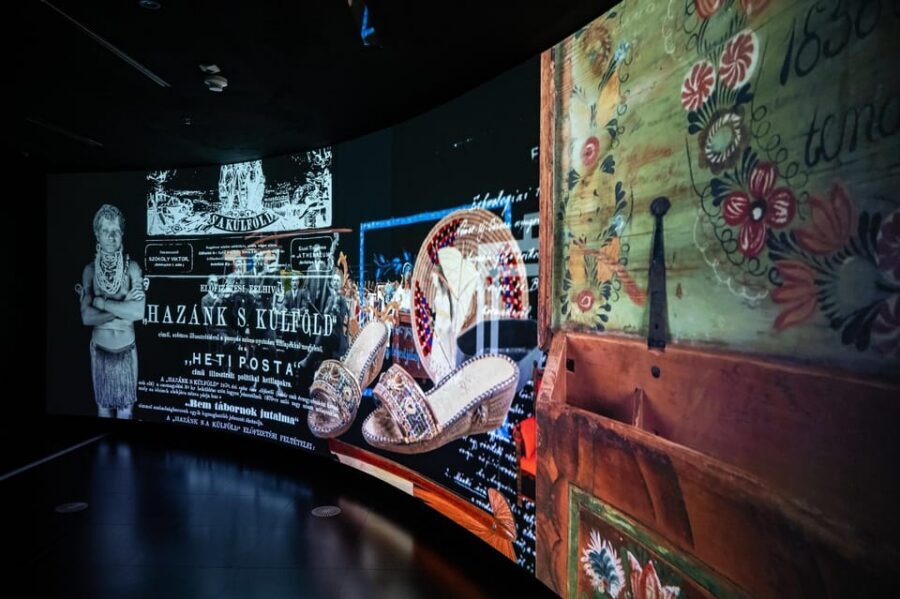
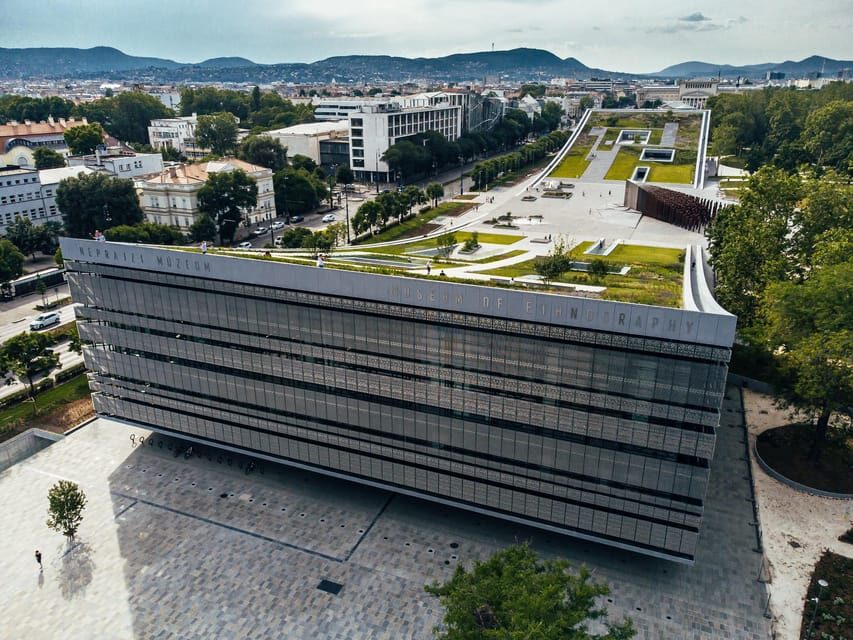
The Museum of Ethnography sits at the gateway to one of Budapest’s most beautiful parks, so you get that rare combo: city museum energy with a breath of outdoors. The rooftop garden is the headline feature, and it’s the kind of add-on that turns a museum visit into a full experience.
When you go up, you’re not just looking at buildings. You’re getting a sense of Budapest’s layout and scale from above, which is exactly what you want after you’ve been inside looking closely at cultural artifacts and displays. I’d treat the rooftop garden like your reward after you’ve done the museum floors, not your first stop.
Also, photography is allowed without flash. So if your view is calling for a few quick shots, you’re not wrestling with rules mid-moment.
A few more Budapest tours and experiences worth a look



A 1872 Ethnography Museum in a Very New Building
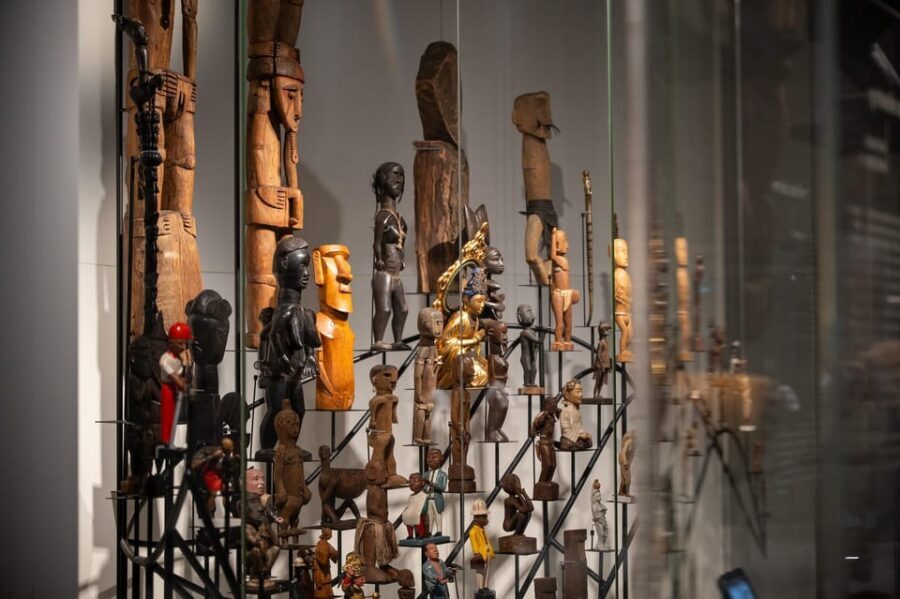
This museum is one of the oldest ethnographic museums in the world, and it traces its specialized roots back to 1872. That matters because ethnography isn’t a quick sightseeing category. It’s about collecting and preserving cultural knowledge, including the kind of traditions that aren’t always “tangible” in the usual museum sense.
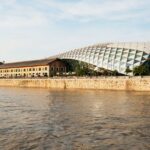
Now add the building. You’re visiting a newer museum structure that’s described as one of the newest museum buildings in Europe, and it’s built to be a proper modern setting for serious displays. In practice, that means you can walk in expecting world-class exhibition spaces, not a sleepy layout that’s stuck in the past.
This mix—old mission, new building—also helps if you’re someone who likes museums that still feel alive. You’re seeing a long-running institution in a setting that’s designed for visitors today.
Five Continents in 7,000 m2, With Controlled Lighting
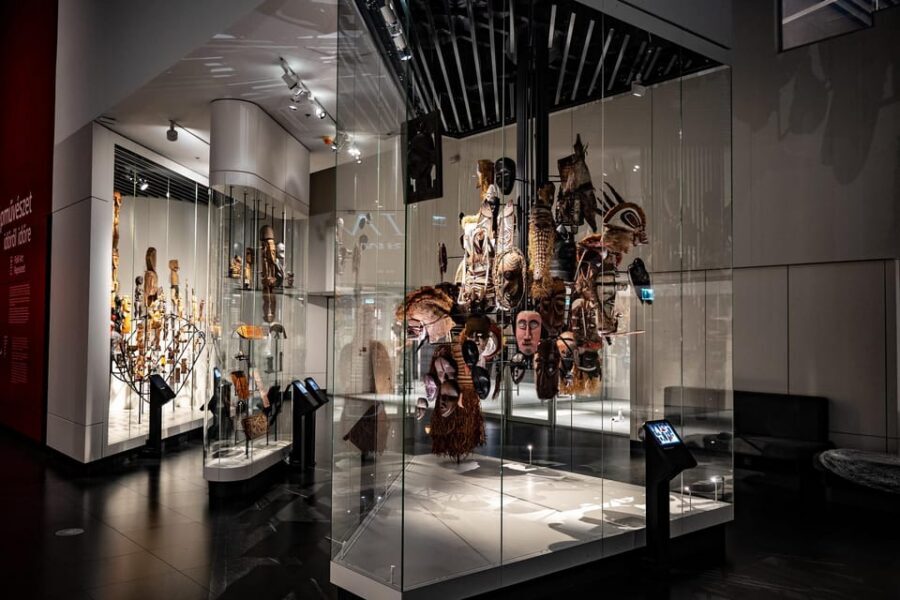
The museum’s exhibition footprint is big: 7,000 square meters of world-class spaces. The key detail for your comfort is that many areas are protected from natural light. That’s great for two reasons.
First, it helps you see displays clearly without glare. Second, museums protect objects from harsh daylight, so you’re benefiting from the care the institution gives to collections.
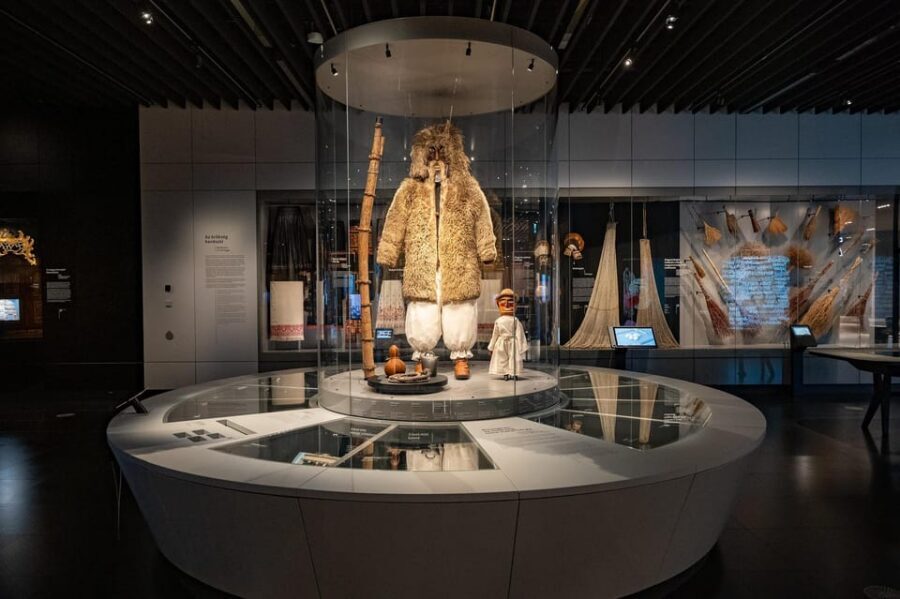
Inside, you’re looking at cultures from five continents, presented alongside Hungarian, European, and world communities. It’s not “one country vs the rest.” The way the collections are presented is meant to show connections—shared culture, different expressions, and how people’s lives map onto objects, clothing, tools, arts, and customs.
You’ll also notice that the museum mixes permanent and temporary exhibitions. Temporary shows can shift your focus, while permanent ones give you the backbone. The best strategy is to spend enough time that you don’t just skim. Ethnography museums reward slow looking.
ZOOM vs Full Access: The Ticket Choice Problem That Can Cost You
Here’s the practical part that can make or break your day: ticket options.
The experience you’re buying is marketed as Museum of Ethnography entry, but the included details mention both:
- access to all permanent and temporary exhibitions (plus an audioguide), and
- access only to ZOOM – A Change in Perspectives.
That’s a big difference.
One concern from the real-world user experience is simple: if you accidentally select the ZOOM-only access, you may end up needing to buy extra tickets later to see the broader museum. That’s a headache in a city where one museum day can disappear fast.
My advice: before you lock anything in, double-check that your selected option explicitly includes access to all permanent and temporary exhibitions. If you’re only interested in one main exhibit called ZOOM – A Change in Perspectives, then a limited option can make sense. But if your goal is a full museum day, full access is what you want.
And even if you do book full access, ZOOM still matters because it’s described as a permanent exhibition connected to the museum’s way of changing perspective.
What You’ll Actually See on the Museum Floors
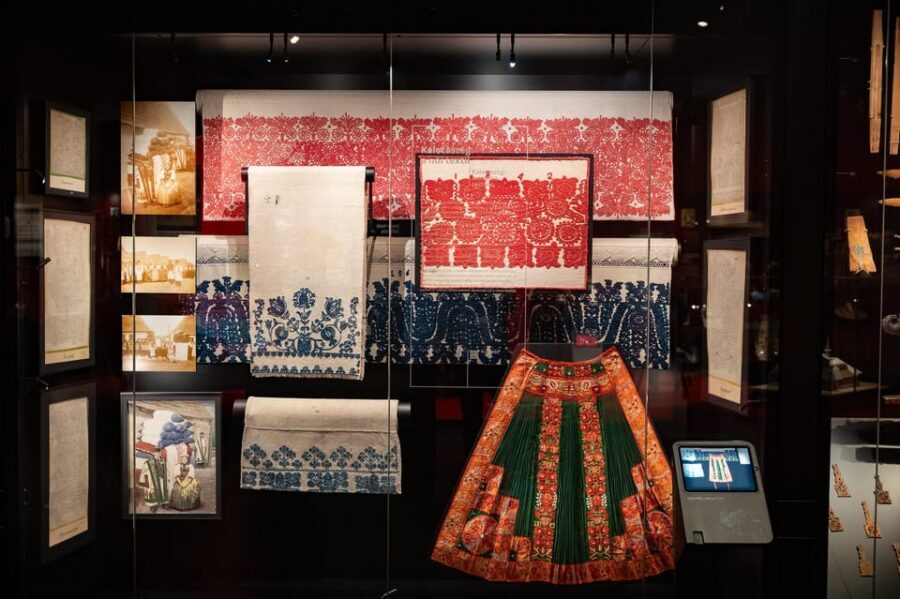
You’ll spend your time moving through a blend of permanent and temporary displays that focus on Hungarian and global culture. The museum’s mission also highlights intangible cultural heritage linked to ethnographic research—so don’t expect everything to be purely “ancient objects.” You may find stories of skills, traditions, and ways of life turned into exhibits.
A useful expectation-setting tip: plan your day around two anchors:
1) a strong overview section (often where the museum helps you understand how it organizes cultural material), and
2) one or two deeper areas that catch your curiosity.
If you happen to land on a temporary exhibition that’s specifically themed—like a show devoted to Hungarian naturalist and ethnography-related thinker Herman Ottó—that can give your visit a surprising personal hit. In one example of a temporary focus, the exhibition highlighted Herman Ottó’s work on birds, including his classic book A madarak hasznáról és káráról and his role in developments such as bird ringing. Even if you don’t get the same temporary show, the museum does place attention on how research connects to everyday culture.
This is one of those museums where the “one thing you didn’t plan” can turn into the thing you remember most.
You can also read our reviews of more museum experiences in Budapest

Audio Guide Tips in the Zoom and Ceramics Spaces
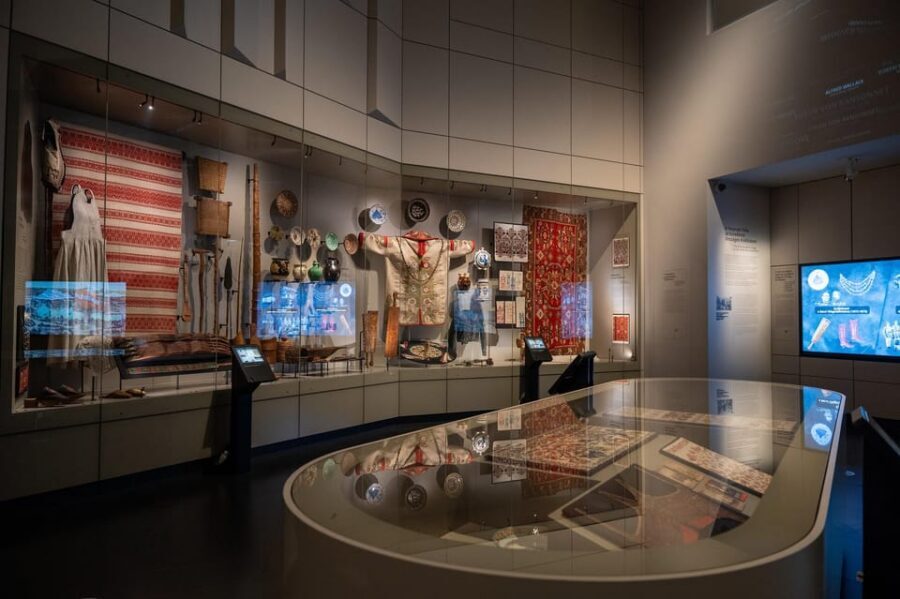
The ticket includes an audioguide option in English and Hungarian. The information provided also says the audioguide is available in the Zoom and Ceramics spaces.
So here’s how to use that to your advantage:
- Don’t treat the audioguide like background noise.
- Use it like a way to slow your eyes down and help you spot details you might otherwise miss.
- If you’re short on time, prioritize the audioguide segments in the Zoom area first, since ZOOM is tied to the museum’s change-in-perspectives concept.
If you’re traveling with family members of mixed ages, the audioguide can also be a helpful “pace maker.” Different people can follow at slightly different speeds, then meet back up in common areas.
And because photography is allowed without flash, you can take quick reference photos of labels and key objects if you want to re-check later.
A One-Day Plan That Works (and How Not to Waste It)
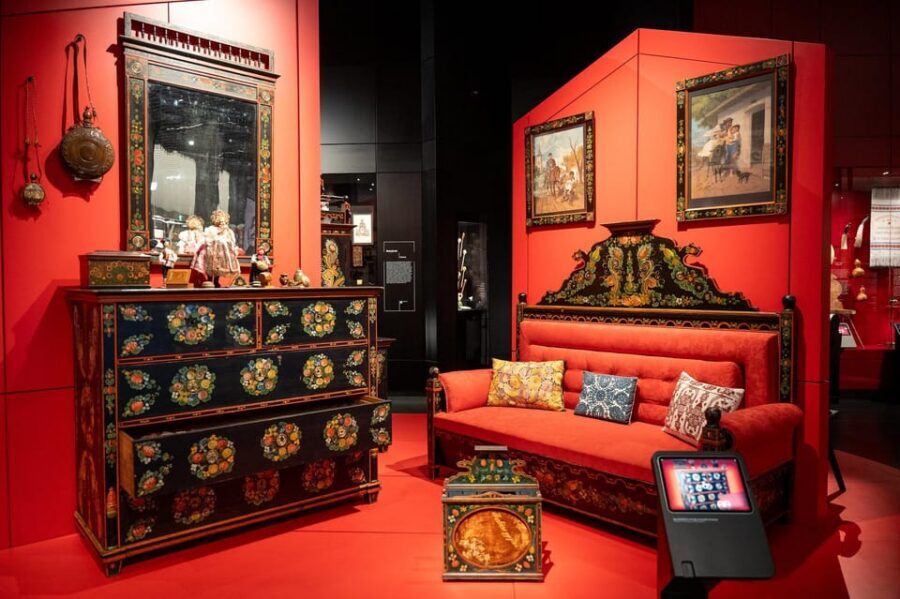
You’ve got a one-day window. With a museum this size, the biggest enemy isn’t boredom—it’s rushing.
Start by building your day around energy and location:
- Do the museum floors first while you’re fresh.
- Save the rooftop garden for later so it feels like an actual break.
Also, plan around closing. The museum closes on days other than Monday, and last admission is one hour before closing time. That one-hour buffer is where people get caught. If you head to the rooftop too late, you might feel stressed instead of enjoying the view.
If you want a simple, low-stress approach, try this rhythm:
- 1 focused block in permanent exhibitions
- 1 block in temporary exhibitions (whatever is on that day)
- Rooftop garden near the end to decompress with the city view
- A final quick loop if you still have energy
Because exhibitions cover 5 continents and the museum spans 7,000 m2, the “quick loop” only works if you don’t start with the goal of seeing everything. Pick what matters most to you.
Seasonal Free Permanent Exhibitions: How to Save Money
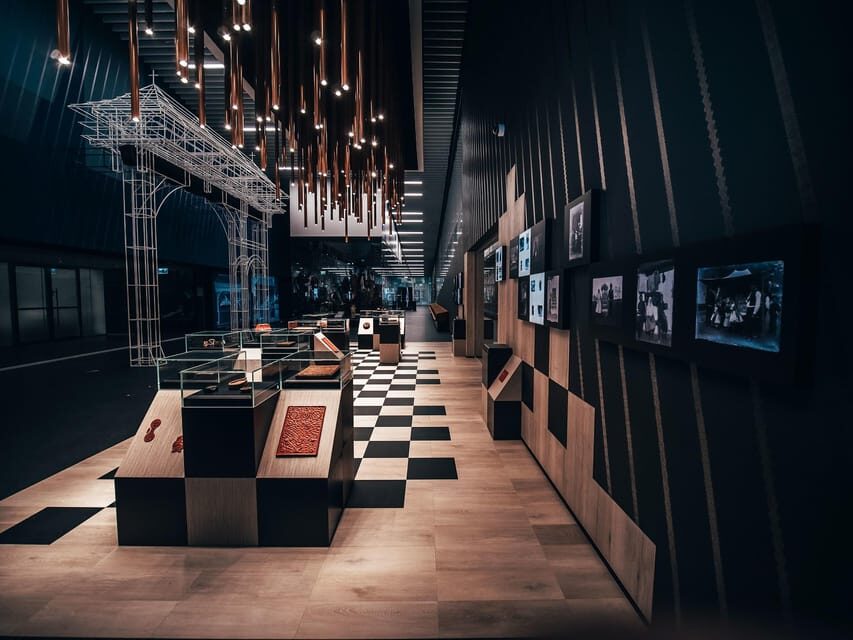
Cost can be a big reason to choose or skip museums, and this one has a built-in savings window.
On the 3rd Saturday of each month, permanent exhibitions are free of charge for Hungarian nationals and other EEA nationals under certain conditions:
- you must be under 26 years old, or
- you must be accompanied by a person under 18 years old and meet the accompanied relative criteria (up to 2 persons, as described)
If you qualify, this can lower your bill substantially because it targets permanent exhibitions specifically. Temporary exhibitions may still require your standard admission, but the free permanent access is meaningful.
Even if you’re not eligible, it’s a reminder that the museum’s pricing isn’t only one-size-fits-all—so timing your visit can pay off.
Price and Value: Is $8 Fair for What You Get?
The listed price is about $8 per person, and that’s a pretty good rate when you consider what’s included.
In the best-case scenario (when you’re getting full museum access), you typically get:
- access to all permanent and temporary exhibitions
- an audioguide option in English and Hungarian
- a 10% discount at the museum Ethnoshop
That combination is where the value comes from. A museum like this isn’t just “look at rooms.” It’s the scale (7,000 m2), the global framing (five continents), and the rooftop garden view that makes the ticket feel like more than paperwork.
But remember the earlier warning: the ZOOM-only option can shrink your day fast. So the best value is tied to choosing the right level of access for what you want to experience.
Should You Book This Budapest Ethnography Ticket?
Book it if you want a real museum day in Budapest with global culture, Hungarian context, and a rooftop view that you can actually use to change your pace. It’s also a good choice if you like museums that connect collections to research and cultural heritage rather than just displaying objects.
Skip or rethink the booking if you only care about one exhibit and you’d rather pay less for a smaller slice of the museum. And in any case, double-check whether your ticket includes all permanent and temporary exhibitions or only ZOOM – A Change in Perspectives. That single detail can save you money and avoid the awkward feeling of being under-admitted.
If you’re fitting Budapest into a tight schedule, I’d still call this one of the more sensible museum picks for a focused, worthwhile day.
FAQ
Where is the meeting point for the Museum of Ethnography ticket?
Meet at Néprajzi Múzeum.
How long is the ticket valid?
The ticket is valid for 1 day.
When is the museum closed?
The museum is closed on Mondays.
What time is the last admission?
Last admission is one hour before closing time.
What languages are available for the audioguide?
The audioguide is available in English and Hungarian.
Is photography allowed inside the museum?
Photography is allowed without flash.
What does the ticket include?
It includes access to the exhibitions listed for the option you choose, plus an audioguide (available in Zoom and Ceramics space). It also includes a 10% discount at the museum’s Ethnoshop.
Is the museum wheelchair accessible?
Yes, the museum is wheelchair accessible.