REVIEW · BUDAPEST
Budapest : Must-see attractions walking tour
Book on GetYourGuide →Operated by Guydeez Tours · Bookable on GetYourGuide
Budapest makes sense on foot. This 2-hour private walk strings together the big sights with the stories you’ll actually want on day one, starting right at Kempinski Corvinus Budapest. You’ll move from Elizabeth Square to Parliament with a licensed local guide who brings the streets to life.
What I like most is the private, customizable format. You’re not squeezed into a big group script, so your guide can answer your questions and adjust the pace. Second, I really value the mix of monuments plus practical city advice, including basic Hungarian language tips and pointers for where to eat and what to notice as you wander on your own.
The only real drawback: it’s just two hours. You’ll see a lot, but you won’t linger long at any single spot. If you want slow-paced photos, reading every plaque, or museum time, you’ll need follow-up stops after the tour.
In This Review
- Key Points You’ll Care About
- Walking in Budapest’s Best Order: From Erzsébet tér to Parliament
- Meeting at Kempinski Corvinus Budapest (Erzsébet tér 7): The Easy Start
- Elizabeth Square to St. Stephen’s Basilica: Reading the City’s Center
- St. Stephen’s Square and the Fat Policemen Public Art Stop
- A quick timing note
- József Nádor tér: Habsburg Threads and Hand-Painted Ceramics
- Vörösmarty Square and the End of Váci utca: A People-Watching Pause
- Danube Embankment Panoramas: Castle Hill, Fisherman’s Bastion, and Gellért Hill
- The Little Princess Statue secret wish
- Vigadó Square and Franz Joseph and Sisi’s Banquet Era
- Chain Bridge History and Gresham Palace Secessionist Style
- Hungarian Parliament Building: Neo-Gothic and Recent Politics
- Price and What You’re Really Paying For (at $29 per Person)
- Guides and the Question Answering Factor
- Who Should Book This Tour (and Who Should Skip It)
- Should You Book This Budapest Must-See Attractions Walking Tour?
Key Points You’ll Care About

- Private and exclusive: Your group stays small enough that questions don’t get brushed off
- Major-sight route with real context: You get history and architecture explanations, not just names
- Hungarian culture tools: Expect basic language and everyday cultural notes, plus food-related history
- Danube highlights and a wish stop: Panoramic viewpoints plus the Little Princess Statue moment
- A smart ending at Parliament: Neo-Gothic exterior focus and a rundown of recent political history
- Guides with strong reviews: People specifically praised guides like Adrienne, Anikó, and Alix for being professional and attentive
Walking in Budapest’s Best Order: From Erzsébet tér to Parliament
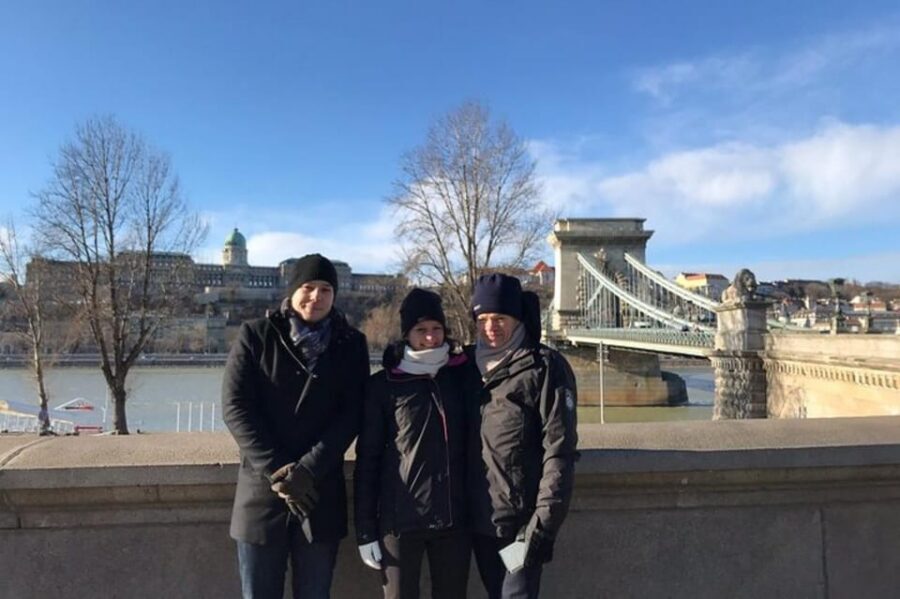
Budapest can feel like two cities stacked together—Buda and Pest—and that’s exactly why this tour works. You start on Pest’s side at Erzsébet tér 7, then build toward the Danube views and the big political centerpiece at the Hungarian Parliament Building. It’s a route that helps you get your bearings fast.
For first-timers, the order matters. Elizabeth Square and St. Stephen’s Basilica give you the “main-city axis.” Then you swing toward the Danube embankment for those wow views of Castle Hill and the Buda skyline. Finally, you end where Budapest’s civic story comes into focus.
And since it’s private, you’re not forced to keep up with anyone who wants a different pace. If your feet are tired, your guide can likely adjust. If you’re photo-happy, you’ll get a chance to slow down without feeling like you’re holding up a busload of people.
You can also read our reviews of more walking tours in Budapest



Meeting at Kempinski Corvinus Budapest (Erzsébet tér 7): The Easy Start
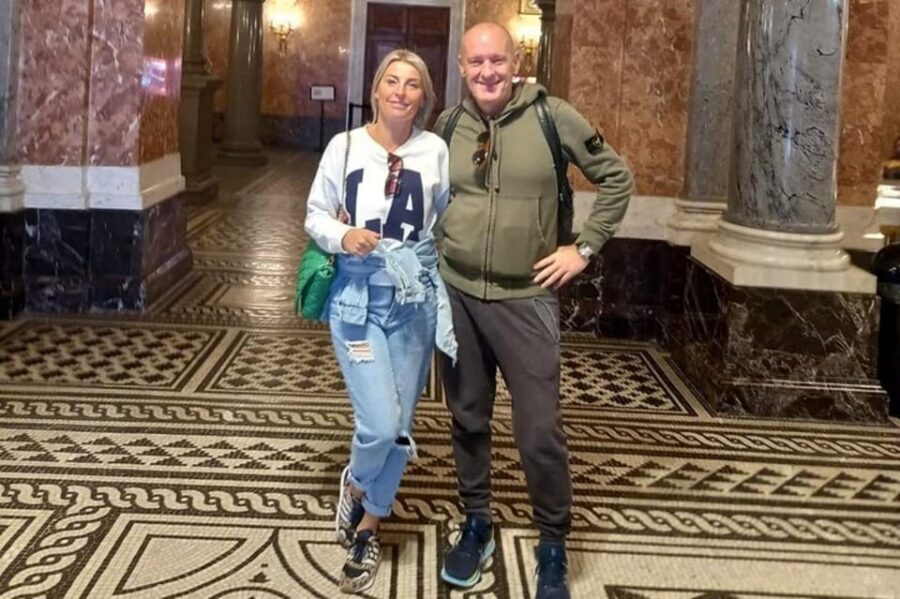
You meet in front of Kempinski Hotel Corvinus Budapest. That’s a good anchor point because it’s central and easy to find, and it sets you up right at Elizabeth Square.
From there, you begin with orientation. Your guide introduces what you’ll cover and how to read the city as you walk: what to look for in architecture, where public art matters, and how to connect the dots between old empires and modern Budapest.
I like that start because you don’t spend your first minutes guessing where to stand, what direction to look, or how long things take. Instead, you get a simple roadmap from step one, with a licensed local guide leading the tempo.
Elizabeth Square to St. Stephen’s Basilica: Reading the City’s Center
Elizabeth Square is where many first-timer routes begin for a reason: it’s a strong “hub” moment. On this tour, it’s not just a meetup spot—it’s your launchpad into how Budapest thinks. Your guide ties together architecture, public art, society, and food-related cultural notes so the city doesn’t feel like disconnected postcard stops.
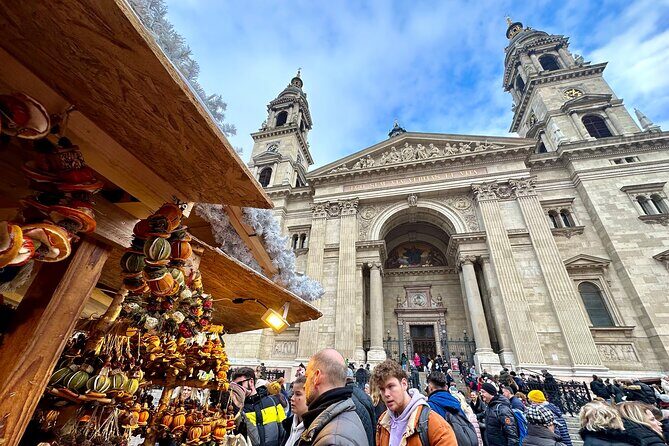
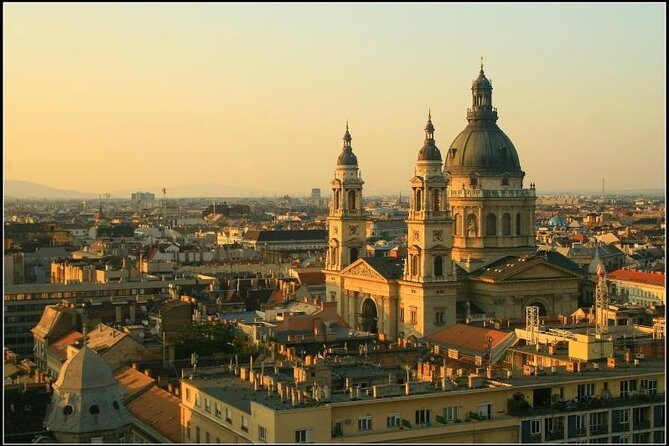
Next comes St. Stephen’s Basilica, the largest church in Budapest. You’ll learn about its architecture and history, which helps you understand why this building gets treated like a landmark people reference in daily life. The value here is not just the facts—it’s learning what features your guide wants you to notice as you stand there. It turns a big church exterior into a guided visual experience.
One practical plus: basilicas and major churches are often the kinds of places where you’ll see people wander without context. With a guide, you’ll know where to look and what to ask about, so your time doesn’t disappear into “we took photos and moved on.”
St. Stephen’s Square and the Fat Policemen Public Art Stop
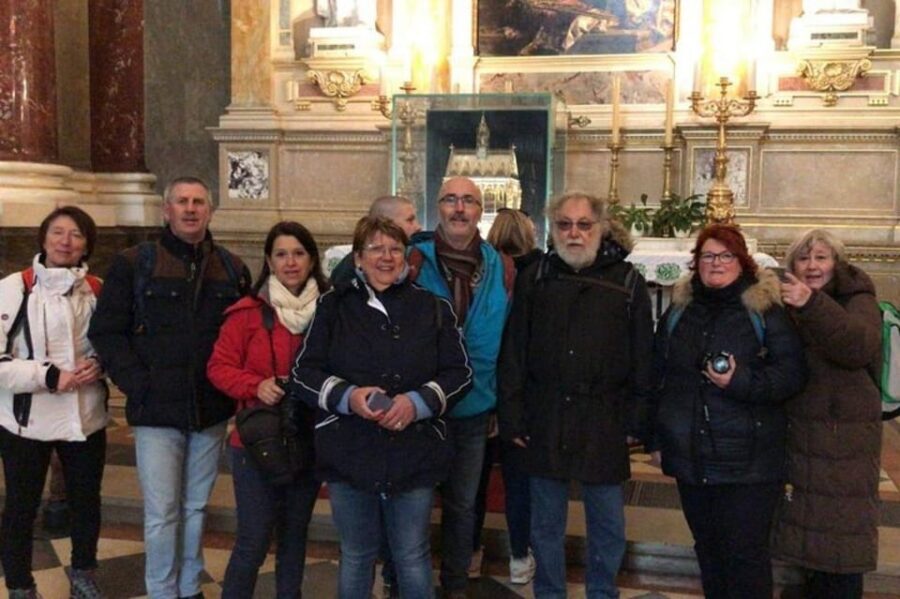
From Basilica area to St. Stephen’s Square, the tour shifts from grand architecture to street-level character. This is where Budapest starts feeling more personal and more funny in the best way.
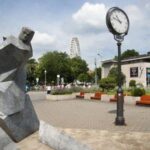
You’ll discover public art depicting fat policemen. It’s the kind of quirky detail you might miss on your own, but your guide frames it in a way that makes the city’s humor feel intentional rather than random. Public art like this can be a fast route into understanding how locals process politics, identity, and everyday life through imagery.
You’ll also hear about Hungarian culinary art and history here. That matters because it gives you something to hold onto after you leave. If you’re deciding what to eat later, this kind of context helps you choose beyond the safest “I’ll just pick the famous dish” approach.
A quick timing note
This segment can feel like a natural pause. If you want to ask a question about local food or daily life, this is a great time to do it. Your guide is already in explanation mode, and the square gives you space to stop comfortably.






József Nádor tér: Habsburg Threads and Hand-Painted Ceramics
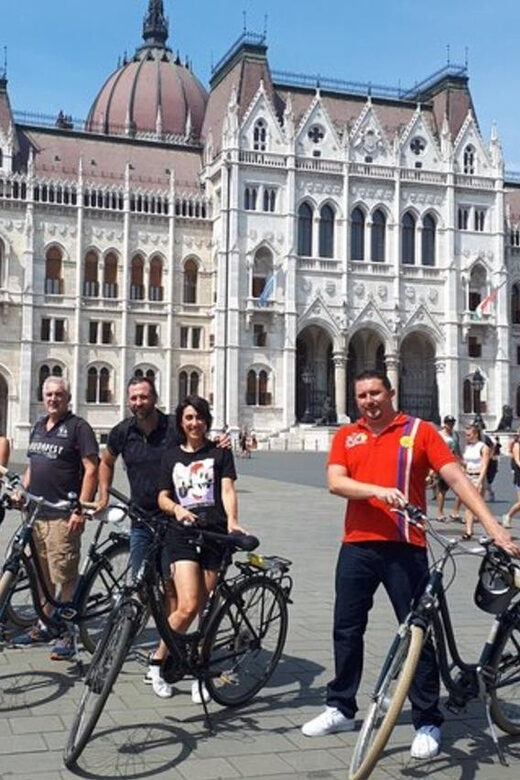
József nádor tér is one of those stops that makes the tour feel more than just a list of famous places. Here, you’ll learn about Hungarian Habsburg history, connecting that imperial layer to what you can see around you.
And then there’s the visual payoff: exquisite hand-painted porcelains and colorful ceramics. This is the kind of moment that’s easy to rush past if you don’t know what you’re looking at. With a guide, you understand why this detail isn’t just decorative—it’s part of the broader story of taste, trade, and cultural influence.
I like this stop because it breaks up the monument-heavy flow with something more tactile and eye-catching. Even if you’re not a “ceramics person,” it gives you a different angle on Hungarian culture than church and government buildings alone.
Vörösmarty Square and the End of Váci utca: A People-Watching Pause
Vörösmarty Square is a natural breathing space. The tour treats it as more than a waypoint: it’s a spot for people-watching and for noticing how the pedestrian heart of the city works.
You’ll also reach the end of Váci utca, Budapest’s famous pedestrian street. If you’ve never walked a main “shopping and strolling” spine in a European capital, it’s helpful to have a guide explain what you’re seeing: the rhythm of the street, the energy around it, and how locals use it compared with tourists.
This segment is where I find you get a clearer sense of what you’ll want to do after the tour. If you enjoy strolling, you’ll know you can keep walking here. If you prefer side streets, your guide’s advice can point you to the areas that feel more lived-in than tourist-heavy.
Danube Embankment Panoramas: Castle Hill, Fisherman’s Bastion, and Gellért Hill
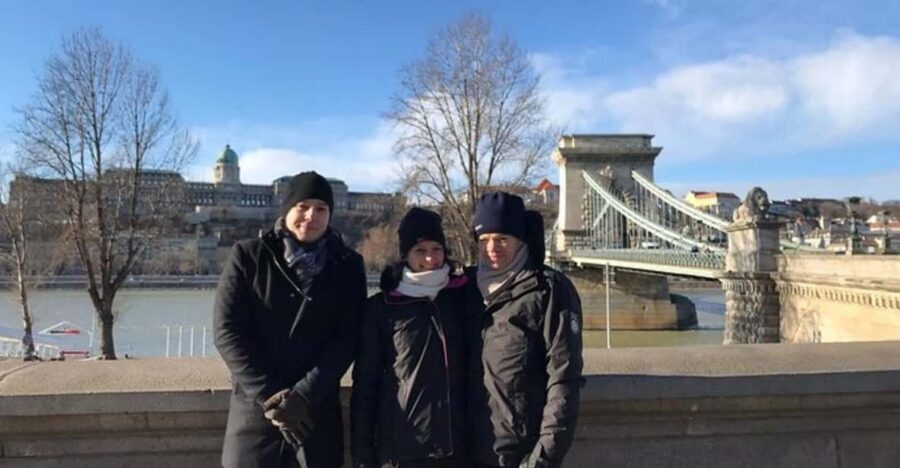
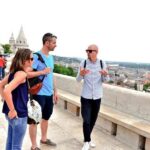
Then you hit the Danube Embankment, and the whole tour turns scenic. You’ll get panoramic views of Castle Hill, Matthias Church, Fisherman’s Bastion, Buda Castle, and Gellért Hill with Citadel. That’s a long list of big names, but the guide’s job is to help you see how they relate to each other across the river.
This is also a practical photography lesson. When you’re seeing multiple landmarks from one viewpoint, it’s easy to get confused about what’s what. A guide helps you map the skyline in your head, so you can later recognize those same features from other angles.
The Little Princess Statue secret wish
You’ll stop at the Little Princess Statue to make a secret wish. It sounds simple, but it’s a fun way to anchor the view in a moment rather than just a photo. It also gives you a natural pause point—good for stretching your legs and resetting before the next stretch.
Vigadó Square and Franz Joseph and Sisi’s Banquet Era
From the Danube viewpoints, the tour keeps moving into the city’s ceremonial storytelling. At Vigadó Square, you’ll learn about Franz Joseph’s and Sissy’s coronation banquet being held there. That detail matters because it connects Budapest’s public spaces to the big events that shaped its identity.
In practical terms, this stop helps you understand why certain squares and buildings feel “important” beyond aesthetics. It’s not only that they look grand—it’s that they played roles in major historical moments.
If you’ve ever felt like European cities hold onto old eras in plain sight, this is the part that makes that feeling real. You start reading the city like a stage set, where the architecture hints at what used to happen there.
Chain Bridge History and Gresham Palace Secessionist Style

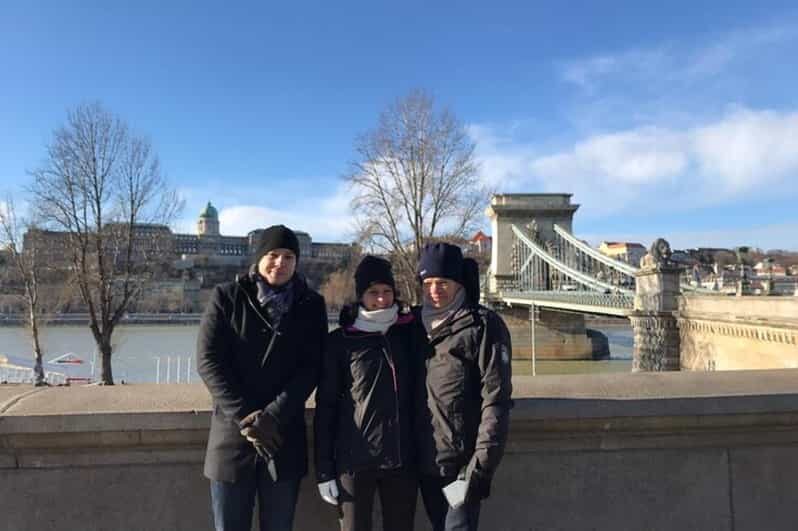
Next up: Szechenyi Lanchid, the Chain Bridge. You’ll learn about its history, and then you’ll admire the exceptional secessionist Gresham Palace.
This is where your guide helps you connect “movement” with meaning. A bridge isn’t just a crossing—it’s a statement about how a city grows, how people connect, and how power shifts between places. Hearing the background turns the bridge from a photo prop into a historical hinge.
And then there’s the secessionist style at Gresham Palace, which gives you a different architectural flavor from what you saw earlier. You’ll likely notice how this building’s look reflects its time and artistic priorities, and that helps you start spotting style differences across Budapest instead of treating everything as just “old European.”
Hungarian Parliament Building: Neo-Gothic and Recent Politics
You finish at the Hungarian Parliament Building. Your guide will explain the neo-gothic architecture, and you’ll also learn about recent history and elections.
This ending is smart. By the time you reach Parliament, you’ve already spent time with religious architecture, imperial-era connections, and cultural clues from art and ceramics. Now you get the civic thread—how power works and how Budapest frames modern identity.
I also like that ending because it gives your walking tour a clear conclusion. You’re not just walking to another pretty building. You’re walking to the symbol of government and public life, with context that makes the place feel like more than just a landmark.
Price and What You’re Really Paying For (at $29 per Person)
At $29 per person for a two-hour private walking tour, you’re paying mainly for:
- Guide time and route planning (so you don’t waste your day guessing)
- Interpretation (history, architecture, public art meaning)
- Practical follow-up advice (what to do next around the city)
Here’s the value angle I like: the tour doesn’t stop at “see this, take a photo.” It gives you a usable framework for what to notice and what to ask about later. That matters because Budapest is full of details, and without a guide, you can end up only catching the obvious stuff.
Also, the private setup is where the price feels most reasonable. You’re not splitting attention across a crowd. Your questions and your pacing stay part of the experience.
One caution: food and drinks aren’t included. If you want to snack while walking, you’ll need to budget for that on your own. But the trade-off is you can choose places that match your tastes and schedule instead of being locked into a standard stop.
Guides and the Question Answering Factor
The guides behind the experience get specific praise for being professional and responsive. Names mentioned include Adrienne, Anikó, and Alix, with people highlighting how well the guides handled questions and shared history in an easy, respectful way.
That’s an underrated quality. In a city like Budapest, it’s not enough to know facts—you need a guide who can explain them in a way that helps you read the streets afterward. The best sign here is how often the reviews focus on the guide’s attentiveness and willingness to talk, not just the sights covered.
If you’re the type who likes to ask why something looks the way it does, this tour style fits you well.
Who Should Book This Tour (and Who Should Skip It)
I think this tour is a strong match if:
- You’re visiting Budapest for the first time and want a clean orientation route
- You like architecture and public art, not only “top 10 monuments”
- You want to learn a bit of Hungarian culture basics, including simple language hints
- You’d rather do one solid guided walk than cobble together a plan alone
You might want to skip it or add something extra if:
- You prefer slow, long museum stops (two hours will feel short)
- You want a strict “only photos, no explanations” style tour (this one is explanation-focused)
Because it’s private and customizable, you can often shape the experience to match your mood. Just remember the clock is part of the design.
Should You Book This Budapest Must-See Attractions Walking Tour?
Yes, if you want a fast, well-structured way to connect the dots between Budapest’s major landmarks. The route is practical: it starts at Elizabeth Square, covers St. Stephen’s Basilica and squares with public art and food-culture context, then hits the Danube embankment panoramas, and ends with the Parliament building’s neo-gothic and political story.
Book it if you like guided interpretation and you want advice you can use immediately after you stop walking. If you’re planning a second day with more targeted sightseeing, this tour is the kind of first-day move that makes the rest of your trip easier to enjoy.