REVIEW · BUDAPEST
Budapest: Jewish Heritage Walking Tour with Historian Guide
Book on GetYourGuide →Operated by Kálmán Dániel - Walk with a Historian · Bookable on GetYourGuide
Budapest’s Jewish Quarter tells stories fast. This 2-hour walk mixes synagogue architecture with Holocaust memory stops, guided by field expert historian Kálmán Dániel. You’ll move through the Pest side’s street life, not just landmarks.
I especially like the small group size (up to 10), because it keeps the pace human and the questions flowing. I also like that you get entry to the Rumbach Street Synagogue and the ghetto wall memorial, so it’s not only exterior sightseeing.
One consideration: the Kazinczy Street Synagogue is temporarily closed for entry, so you’ll see it from the outside only during restoration.
In This Review
- Key things I’d mark down before you go
- Jewish heritage on foot: why this route works in 2 hours
- Deák Square meeting point: get your bearings in the right place
- Rumbach Street Synagogue: the stop that makes the story feel real
- Gozsdu Passage and the streets between synagogues
- Remembering the ghetto wall: Carl Lutz and the Memory Wall stops
- Kazinczy Street Synagogue exterior: what you can learn even without entry
- Pace, group size, and what $62 actually buys you
- Who this tour is best for
- Should you book Budapest Jewish Heritage Walking Tour with Historian Guide?
- FAQ
- What’s the duration of the Budapest Jewish Heritage Walking Tour?
- How much does the tour cost?
- Where does the tour start?
- Is the tour guided in English?
- How big is the group?
- Which synagogues do you visit?
- Is entry included for both synagogues?
- What memorials or Holocaust-related sites are included?
- Is food or drinks included?
- What’s included in the ticket price?
Key things I’d mark down before you go
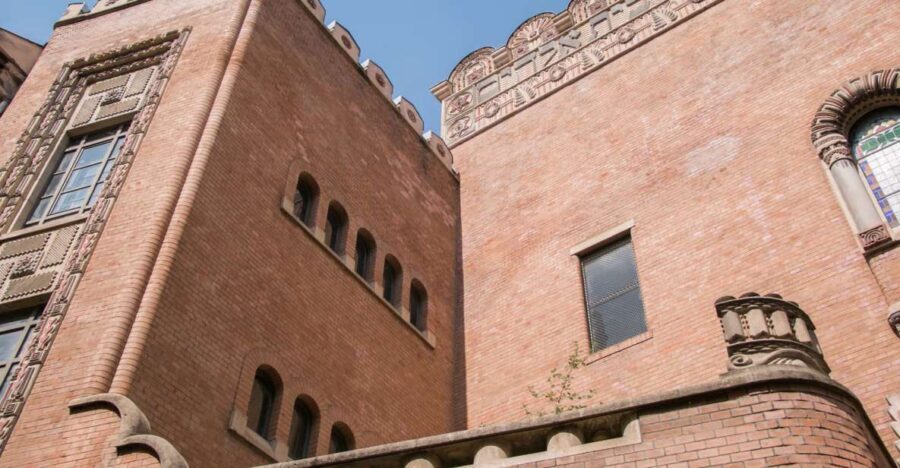
- Historian guide, not a general guide: Kálmán Dániel leads with context and story structure.
- Two synagogue stops: Rumbach Street Synagogue (with entry) plus Kazinczy Street Synagogue (outside only right now).
- Holocaust memory is built into the route: Carl Lutz Memorial and a Memory Wall stop.
- Short duration, smart coverage: about 2 hours without dragging you across the whole city.
- Central meeting point: Deák Square area, near the M2 metro entrance.
- Ghetto wall remnants are part of the experience: not just a lecture—there’s a tangible memorial stop.
Jewish heritage on foot: why this route works in 2 hours
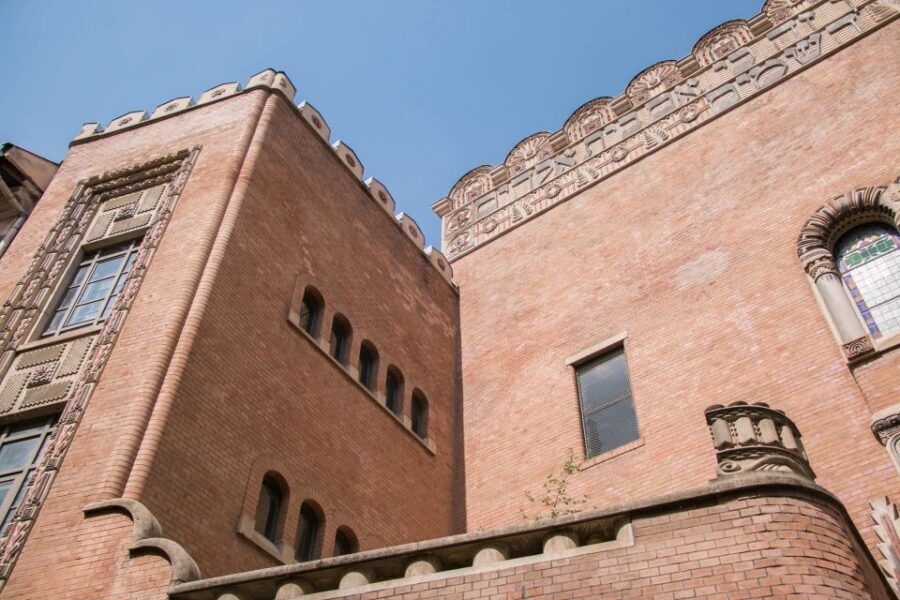
If you only have a short window in Budapest, a walking tour can be the cleanest way to understand what you’re seeing. This one is designed to connect three layers: community life, synagogue architecture, and Holocaust-era memory. The historian thread makes sure the stops aren’t random photos.
The price—$62 per person—doesn’t feel like a budget squeeze because it’s tied to what you actually get: a field expert guide plus tickets for the Rumbach Street Synagogue and the ghetto wall memorial. For many city tours, those “extras” are exactly what separate a checklist stroll from something you’ll remember.
The emotional subject matter matters, too. You’ll encounter memorials connected to the ghetto and survival. That’s powerful, but it also means the tone shifts from streets and buildings to remembrance and testimony.
You can also read our reviews of more walking tours in Budapest


Deák Square meeting point: get your bearings in the right place
You meet at the entrance of the Lutheran Church at Deák Square (Deák téri evangélikus templom), close to the M2 metro entrance. That’s a smart starting location because it keeps the tour convenient whether you’re staying in the center or bouncing between lines.
From there, you’ll walk into the Jewish District area and start building mental maps: which streets once mattered, where people gathered, and how religious and civic life overlapped. The historian pacing helps you notice things you’d otherwise miss—especially street-level clues about how neighborhoods change over time.
Tip: wear comfortable shoes. The itinerary is only about 2 hours, but it’s a walking loop with multiple photo stops and guided segments, so your feet do the heavy lifting.
Rumbach Street Synagogue: the stop that makes the story feel real
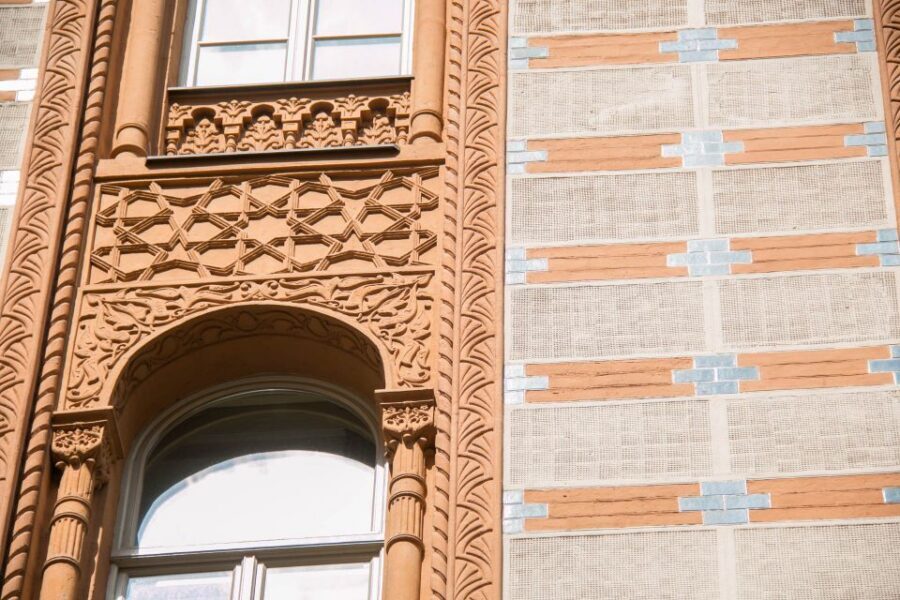
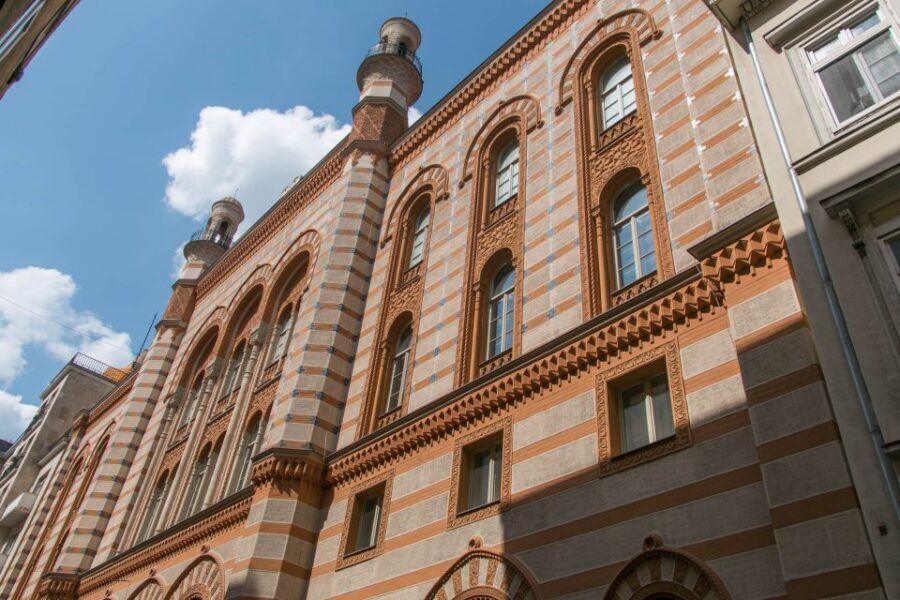
The first major synagogue visit is the Rumbach Street Synagogue. You’ll get a photo stop and guided sightseeing, and importantly, entry is included. That inside access changes everything: you can connect the building’s style to the community’s role, rather than just looking at a façade.
Why this stop matters: synagogues aren’t only religious spaces. They’re also social signals—where a community expressed identity through architecture and craftsmanship. With a historian leading, you’re more likely to catch the “why” behind details instead of only memorizing dates.
Expect a guided walk-through and interpretation focused on historical and art-historical value. If you care about architecture, you’ll probably enjoy how the guide links form to function and to the Jewish community’s long presence on the Pest side.
Possible drawback: since the Kazinczy synagogue is temporarily closed for entry, Rumbach becomes even more important. If you’re only going to feel one synagogue moment deeply, this is the one where you’ll want your attention.
Gozsdu Passage and the streets between synagogues
Between synagogues, the route shifts into street context. You’ll visit Gozsdu Passage (also referenced as Gozsdu Udvar on the walk) with another photo stop and guided segments. This is where the tour stops feeling like “museum mode” and starts acting like city walking.
Here’s what I like about this choice: passages and courtyard-like spaces often show how everyday life works—commerce, gathering, and the way people move through a neighborhood. In a Jewish heritage tour, that matters, because community history isn’t only about famous buildings. It’s also about the everyday infrastructure that supported work, socializing, and neighborhood identity.
The historian also points out less-obvious sights along the way—so you’re not stuck only looking at the most famous corners. You’ll learn about the street stories: where other synagogues once stood in the district and were later demolished by the 1930s.
You’ll probably walk away with a better sense of the district’s layout—what was near what, and why certain locations became central.
Remembering the ghetto wall: Carl Lutz and the Memory Wall stops
Then the tour turns toward Holocaust memory, and the emotional weight increases. You’ll see a remnant of the ghetto wall with an included ticket for the Ghetto Wall Memorial. After that, you’ll visit the Carl Lutz Memorial and a Memory Wall stop.
These are not just informational stops. They’re physical anchors for what you’re learning. When you can stand near remnants and memorial text, the story becomes less abstract and more grounded in location and survival.
Carl Lutz is a name you’ll hear in connection with rescue efforts, and the tour frames the stories around people who helped others survive. You’ll hear stories of miraculous survivings and “miracle-making” people—survival through courage, planning, and human help.
What makes this section valuable is the structure: you’re not only collecting tragedy details. You’re also being guided toward the human actions within the darkest chapter. That shift is important if you want your memory of the tour to include both loss and resilience.
A consideration: this is heavy material. If you prefer a lighter sightseeing style, decide ahead of time how you want to handle memorial stops. It can be mentally intense, especially when the route moves quickly from building stories into remembrance.
You can also read our reviews of more guided tours in Budapest




Kazinczy Street Synagogue exterior: what you can learn even without entry
The final synagogue-related stop is the Kazinczy Street Synagogue. Right now, it’s temporarily closed due to restoration, and the tour includes outside-only viewing. You’ll still get photo stops and guided commentary, but you won’t have the inside access here.
This can disappoint people who planned their expectations around entry. But outside viewing with a historian can still be worthwhile because you can focus on what the architecture signals from the street: presence, style, and the way a neighborhood expresses spiritual identity even when interiors aren’t accessible.
Use this stop as an interpretation moment. With the guide’s context, you can compare it to Rumbach: how different synagogue buildings reflect their era, community needs, and visual language. Even without stepping inside, you’ll likely come away with a stronger sense of the architectural “range” of the Jewish Quarter.
Pace, group size, and what $62 actually buys you
This is a small group tour capped at 10 participants, led in English by historian Kálmán Dániel. That group size matters more than people think. In a dense area like the Jewish District, small groups mean less crowding at photo spots and more time for answers that fit what you’re curious about.
The duration—about 2 hours—is also a real value point. You get a focused route that covers major stops without requiring half a day. That helps if your schedule is packed, or if you’re pairing this with other Budapest sights later.
At $62, you’re paying for more than “walk and listen.” You’re paying for guide expertise plus tickets tied to the key stops: Rumbach Street Synagogue entry and Ghetto Wall Memorial entry, with Kazinczy entry not included because it’s closed.
If you’re the type who enjoys learning from a guide but dislikes tours that feel like a lecture, this one has the right structure: walk, look, stop, interpret, move again.
Who this tour is best for
This tour is a great fit if you want Jewish heritage in Budapest with context, and if you’re interested in both architecture and historical memory. It’s especially strong for:
- People who like guided storytelling that connects streets to larger historical events
- Architecture-minded visitors who want synagogues explained as cultural buildings
- Travelers who want a respectful, location-based Holocaust memory experience
- Anyone who appreciates a historian-style approach over general facts
It may be less ideal if you’re looking for a purely casual stroll with no heavy memorial stops, or if synagogue interior access is the main goal and you’d be frustrated by Kazinczy being outside-only during restoration.
Should you book Budapest Jewish Heritage Walking Tour with Historian Guide?
I’d book it if you want an efficient, meaningful route through the Jewish District that mixes synagogues, street context, and Holocaust memorials in just 2 hours. The historian-led format and the included entry for Rumbach and the ghetto wall memorial make the value feel fair.
If you specifically want to tour the Kazinczy synagogue interior, pause and plan around the restoration closure. Otherwise, outside commentary still gives you something substantial, and you’ll likely get a strong combined experience anchored by Rumbach and the memorial stops.
FAQ
What’s the duration of the Budapest Jewish Heritage Walking Tour?
The tour lasts 2 hours.
How much does the tour cost?
It costs $62 per person.
Where does the tour start?
Meet right at the entrance of the Lutheran Church at Deák Square (Deák téri evangélikus templom), near the M2 metro entrance of Deák Square.
Is the tour guided in English?
Yes, the live tour guide speaks English.
How big is the group?
The group is limited to 10 participants.
Which synagogues do you visit?
You visit the Rumbach Street Synagogue and you also stop at the Kazinczy Street Synagogue.
Is entry included for both synagogues?
Entry to the Rumbach Street Synagogue is included. The Kazinczy Street Synagogue is temporarily closed due to restoration, and entry is not included—only outside viewing is provided.
What memorials or Holocaust-related sites are included?
You visit the Carl Lutz Memorial and a Memory Wall. The ghetto wall memorial stop includes an entry ticket as well.
Is food or drinks included?
No, food and drinks are not included.
What’s included in the ticket price?
You get a field expert historian guide, visiting the Rumbach Street Synagogue, entry ticket to the Rumbach Street Synagogue, entry ticket to the Ghetto Wall Memorial, and visiting Kazinczy Street Synagogue outside only (temporarily closed).