REVIEW · BUDAPEST
Budapest District 8 Crime and Culture Walking Tour
Book on Viator →Operated by Uncharted Travel · Bookable on Viator
Budapest’s District 8 tells a story you don’t see in the usual guidebook loops. This 3-hour walking tour takes you through a neighborhood that has shifted from heavy industry and crime fears to art, music, and political energy.
I like how the route feels built for real understanding, not just photo stops. Two things I’m especially drawn to are the focus on District VIII’s transformation and the way the guide connects places like the China Market and underground cultural venues to the bigger history of the city.
One consideration: the title leans hard into crime. You’ll hear about general crime themes, but if you’re expecting specific, detailed crime case stories, you might feel slightly short-changed.
In This Review
- Key things I’d plan around
- District VIII’s real storyline, not the postcard version
- Tour basics: 3 hours, small group, and a mobile ticket
- Meeting at Golgota tér, ending at Rákóczi tér (easy to finish your day)
- China Market: where the district’s international side shows up fast
- Underground music and culture venues: creativity in motion
- From crime hotspots to everyday hangouts: the neighborhood’s switch
- Art, culture, and political activism: why the story matters
- What the small group size means for your experience
- Weather and timing: plan for a 3-hour window that actually happens
- Who should book this District 8 tour (and who might not)
- Should you book it?
- FAQ
- How long is the Budapest District 8 Crime and Culture walking tour?
- How much does the tour cost?
- Where does the tour start and where does it end?
- Is the tour offered in English?
- What is the group size limit?
- Do I need an admission ticket, and will I get a mobile ticket?
- When will I receive confirmation after booking?
- What happens if the tour is canceled due to poor weather?
- Is the experience refundable or changeable?
- Are service animals allowed?
Key things I’d plan around
- A small group (max 12) makes questions easy and the walk more conversational
- District VIII’s transformation theme ties market life, music venues, and street history into one story
- China Market as a starting point gives you an instant sense of Budapest’s international side
- Underground music and culture stops show how creativity takes over spaces over time
- Former crime hotspots become everyday hangouts like bars and bakeries
- English-language tour with a mobile ticket keeps things simple on the ground
District VIII’s real storyline, not the postcard version
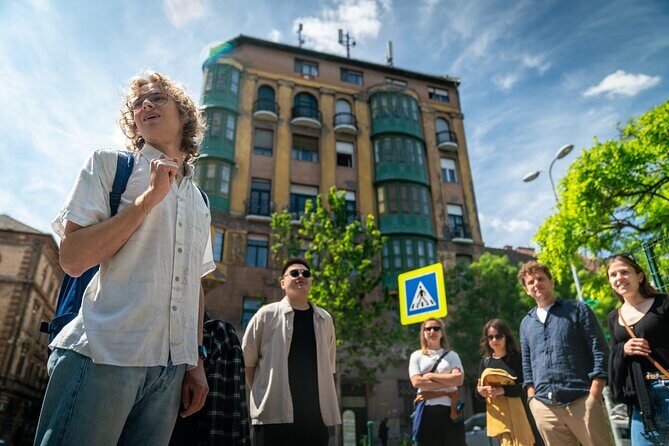
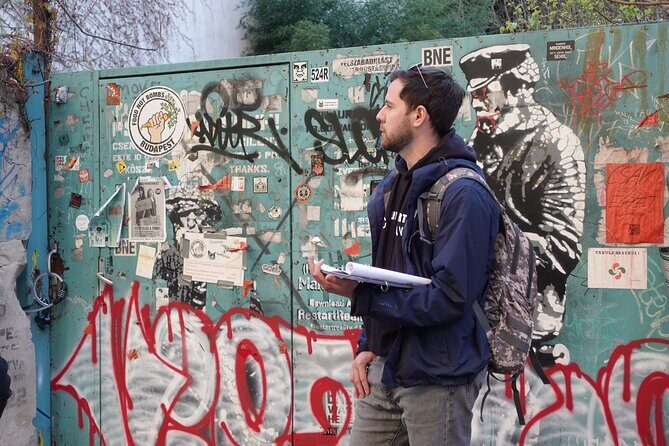
Budapest’s District 8 has a reputation that can scare off casual sightseeing. But that’s exactly why this tour is worth your time. You’re not just walking through streets—you’re learning how a neighborhood changes shape as new communities move in, industries fade, and people start using old spaces in new ways.
The tour keeps the spotlight on District VIII’s comeback: how places that once carried worry and conflict can turn into sites of culture, activism, and everyday lifestyle. It also shows you that the “Budapest experience” is not one single theme. This city has layers, and District 8 is one of its more honest ones.
One strong detail here is that the narrative doesn’t stay in the past. The walk connects earlier hardship and social tension to what people do now—grab food, meet friends, listen to music, and build cultural identity in the open. That mix of history and current-day street life is what makes this more than a facts-only tour.
You can also read our reviews of more walking tours in Budapest



Tour basics: 3 hours, small group, and a mobile ticket
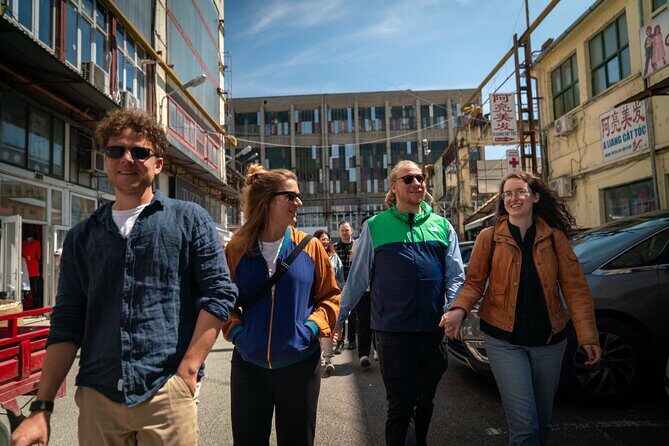
If you like tours that don’t sprawl all day, this one works. It runs for about 3 hours, which is long enough to stitch together a clear story but short enough to keep the rest of your day flexible. The group size is capped at 12 travelers, so you’re less likely to get stuck listening from the back of a crowd.
Logistics are also designed to be low-stress. You get a mobile ticket, and the tour is offered in English. The walk is near public transportation, so it’s easy to connect to other parts of Budapest without building your whole day around this one activity.
There’s also a practical note that matters for budgeting: it lists admission ticket free. In other words, you’re not being sold into extra paid museum stops as the main structure of the tour. You’re paying mainly for the guide, the walking context, and the story.
Meeting at Golgota tér, ending at Rákóczi tér (easy to finish your day)
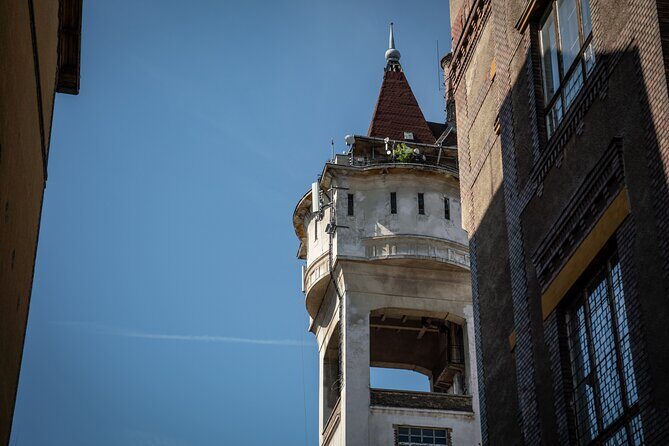
The tour starts in District 8 at Golgota tér (1089 Hungary) and ends around Rákóczi tér in the city centre. That end point is a big deal. You’re not shuffling across town after a tour; you can keep going with dinner and the rest of your evening with far less friction.
This layout also helps if you’re the type who likes moving from “history time” into “food time” quickly. Ending at a central square makes it simpler to pivot into everyday Budapest life—without needing a long transit plan after your walk.
China Market: where the district’s international side shows up fast
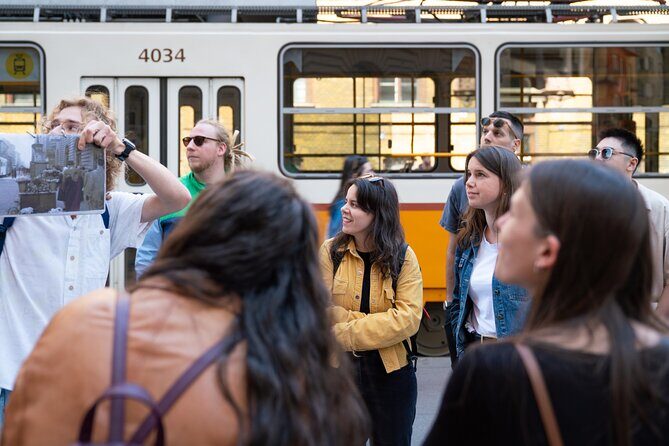
The walk begins at the China Market, and that’s a smart choice. Markets are like living history books. You can feel how a neighborhood earns its place in a bigger city: trade, family businesses, migration, language communities, and daily routines that don’t wait for a museum schedule.
From here, the tour’s tone shifts from place descriptions to pattern recognition. You start to see District 8 as an area shaped by global connections, not just local politics. Even if you’ve never heard of the market, it acts like a doorway into the neighborhood’s identity.
I also appreciate that the China Market stop isn’t treated as a one-off curiosity. It’s used as a foundation for understanding how different groups coexist, and how those changes set the stage for later shifts in culture. It’s a fast way to get oriented, because you’re not starting with a building that needs interpretation—you’re starting with a living street scene.
Underground music and culture venues: creativity in motion
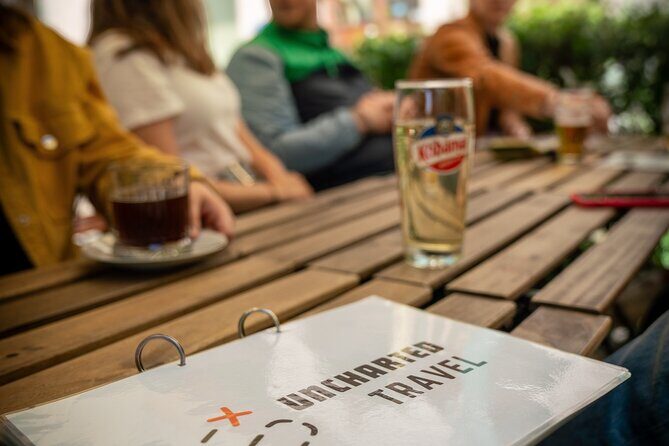
After the market, you’ll head toward iconic underground music and cultural venues in District 8. “Underground” can sound like a buzzword, but here it’s more about how culture grows outside the mainstream. You’re looking at spaces where the audience and the performers help define what the neighborhood becomes.
This part of the tour is valuable because it shows culture as a driver, not an accessory. In many cities, art is something that arrives after the area is already established. In District 8, you get the sense that cultural energy helps rewrite the neighborhood’s role—one venue and one scene at a time.
You’ll also hear about how the district’s earlier identity fed into what came next. That’s where the storytelling pays off. Instead of only pointing at venues, the guide frames why people gather there and how those gatherings reflect wider social change.
A highlight from the experience is the guide’s general knowledge of Budapest history and how he ties it back to what you see. In one account, the guide is named Davide, and he’s praised for connecting not only the immediate stops but the bigger story of the city’s evolution. That kind of linking is what turns a walk into understanding.






From crime hotspots to everyday hangouts: the neighborhood’s switch
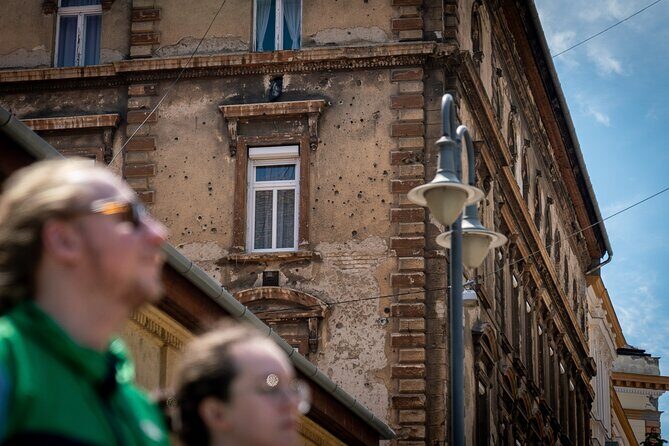
This is the part that matches the tour’s title most closely. The route includes former crime hotspots that have since transformed into hip bars, bakeries, and other everyday spots. That contrast is the heart of the District 8 idea.
The value here is not sensationalism. It’s the idea that neighborhoods aren’t fixed. Streets can change meaning when the social and economic energy changes. Where people once felt unsafe or on edge, they now go for drinks, snacks, and conversation.
Still, keep your expectations realistic. The crime angle is mostly thematic—about fear, social tensions, and neighborhood reputation. One constructive note from an account of the tour is that actual crime examples could have been sharper. So if your main reason for booking is a “tell me specific crimes” experience, you may not get the level of detail you hoped for. If your goal is understanding the transformation, you’re likely to feel more satisfied.
And honestly, that’s the balance that makes the tour feel respectful. It stays focused on what District 8 became, and how culture and activism helped reshape perceptions.
Art, culture, and political activism: why the story matters
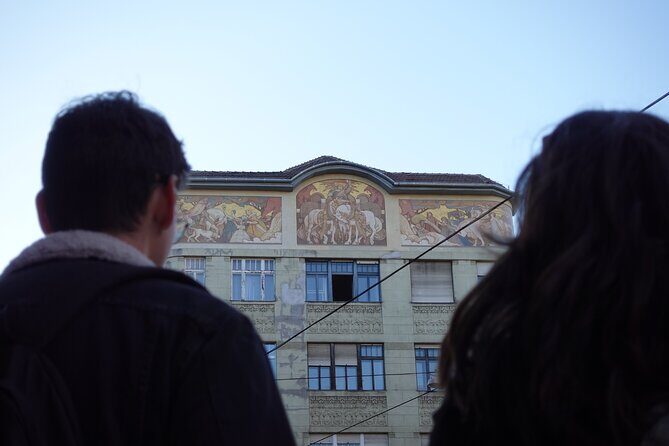
District 8’s transformation isn’t just about new businesses. It’s also about people using the neighborhood as a place to push ideas forward. The tour connects the district’s evolution to art, culture, and political activism, and it makes clear that these aren’t separate tracks.
This matters for you because it changes how you interpret what you see on the street. Instead of thinking of nightlife or small venues as random entertainment, you start to understand them as outlets for identity and engagement. It’s a practical way to read the neighborhood.
It’s also a more mature look at how cities work. Budapest wasn’t rebuilt in one clean plan. Districts evolved unevenly, sometimes harshly, sometimes creatively. District 8 is presented as a place where that messy reality produced something livable and expressive.
If you like tours that help you “read” a place rather than just move through it, this is one of the better formats. The time you spend is used to build a cause-and-effect story.
What the small group size means for your experience
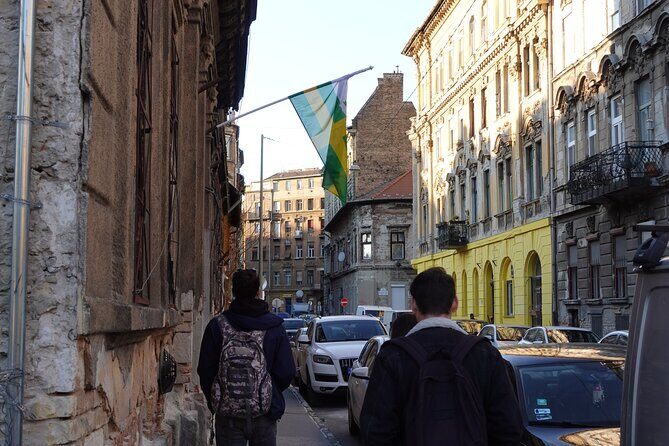
With a maximum of 12 travelers, you’re not just saving yourself from crowds. You’re also more likely to get answers to the questions that pop up mid-walk: Why did the district change? Why do certain businesses survive? How does a market relate to cultural scenes nearby?
That smaller scale tends to make the guide more flexible with pacing. And pacing matters on a walking tour. If the guide can slow down at key moments, you absorb more.
This is also a tour that benefits from attention. The story is built through connections between stops. With fewer people, you’re more likely to hear those connections instead of just catching fragments.
Weather and timing: plan for a 3-hour window that actually happens
This tour requires good weather. That’s not a tiny detail. A 3-hour walking route lives or dies by the sky. If conditions are poor, you’ll be offered a different date or a full refund.
So if you’re booking this as one of your “must-do” activities, keep some flexibility in your schedule. If Budapest is treating you well weather-wise, you can likely enjoy it without worrying about last-minute reroutes.
The good news is that the tour is long enough to feel complete, but short enough that a rescheduled date doesn’t destroy your whole week. It’s built for a real travel rhythm.
Who should book this District 8 tour (and who might not)
You’ll enjoy this tour if you want Budapest beyond the obvious sights. It’s a strong pick for people who like neighborhoods, small stories, and cultural context. If you’re curious about how immigrant communities, music scenes, and shifting social reputations shape a city, this walk delivers that perspective.
It’s also a good choice if you prefer guided narration that links multiple stops into a single theme. The tour’s structure is designed to show how District 8 went from fear-and-reputation territory toward art-and-activism energy.
You might skip it (or go in with tempered expectations) if your main goal is a crime-focused tour with specific incidents and case details. The approach is more about themes and transformation than a blow-by-blow crime report.
Should you book it?
I’d book this Budapest District 8 Crime and Culture Walking Tour if you want something different from standard “viewpoints and monuments” sightseeing. The combination of China Market orientation, underground music/culture stops, and a clear through-line about transformation is the kind of experience that makes a city feel lived in.
The price—$34.32 per person—is reasonable for a guided 3-hour walk in a small group, especially since it’s listed as admission ticket free and you get a mobile ticket. You’re paying for storytelling and street context more than for entry fees.
Book it with realistic expectations about the crime theme: you’ll get the reputation and the transformation, not a heavy catalog of specific crimes. If that matches what you want, this tour is an efficient, smart way to see another side of Budapest.
FAQ
How long is the Budapest District 8 Crime and Culture walking tour?
The tour lasts about 3 hours.
How much does the tour cost?
It costs $34.32 per person.
Where does the tour start and where does it end?
It starts at Budapest, Golgota tér, 1089 Hungary and ends at Budapest, Rákóczi tér.
Is the tour offered in English?
Yes, the tour is offered in English.
What is the group size limit?
The tour has a maximum of 12 travelers.
Do I need an admission ticket, and will I get a mobile ticket?
You get a mobile ticket, and the experience lists Admission Ticket Free.
When will I receive confirmation after booking?
You’ll receive confirmation at the time of booking unless you book within 1 day of travel, in which case confirmation will be received as soon as possible subject to availability.
What happens if the tour is canceled due to poor weather?
The experience requires good weather. If it’s canceled due to poor weather, you’ll be offered a different date or a full refund.
Is the experience refundable or changeable?
No. The experience is non-refundable and cannot be changed for any reason. If you cancel or ask for an amendment, the amount you paid will not be refunded.
Are service animals allowed?
Yes, service animals are allowed.