REVIEW · BUDAPEST
Budapest: Kickstart the City – Local Market Tasting Tour
Book on GetYourGuide →Operated by Foodapest · Bookable on GetYourGuide
Hungary tastes better with a guide. This Central Market Hall tasting is a flavor-first way to understand Budapest and Hungary’s food culture, with real market stops and a story you can eat. I like that the tour doesn’t just hand you samples; it connects them to the ingredients and the people behind them.
I also love the line-up. You’ll get a welcome shot of pálinka, plus a guided tasting mix that includes handcrafted sausages and spiced salamis, pickles, regional cheeses, cured meat, and sweet pastries.
One thing to consider: this is a meat-heavy experience, and it’s not suitable if you have food allergies. If you’re sensitive to smoked or cured foods, or you don’t handle pálinka well, you’ll want to plan around that (vegetarian options are available if you notify in advance).
In This Review
- Key takeaways before you go
- Central Market Hall: where Hungarian food culture starts
- Getting in fast: skip-the-line without missing the vibe
- The first round: pálinka and the taste of Hungarian confidence
- Paprika in real life: why this spice matters in Budapest
- Cured meats and salamis: sampling with a purpose
- Pickles and cheese: the tangy counterweight
- Sweet pastries: finishing with something you’ll actually want seconds of
- Meeting market vendors: how Hungarian identity is practiced, not just explained
- Why the history-food link feels real (and how you can use it)
- Price and value: is $34 worth your time?
- What to bring, what to skip, and how to make the tastings work for you
- Who this tour is best for
- Final verdict: should you book this Central Market tasting?
- FAQ
- How long is the Budapest Kickstart the City local market tasting tour?
- Where do I meet for the tour?
- What does the tour include?
- Is there a vegetarian option?
- Is the tour suitable for children?
- Can I join if I have food allergies?
- What language is the tour guide?
- Does it help with lines at the market?
- Is the tour wheelchair accessible?
- How much does it cost?
Key takeaways before you go
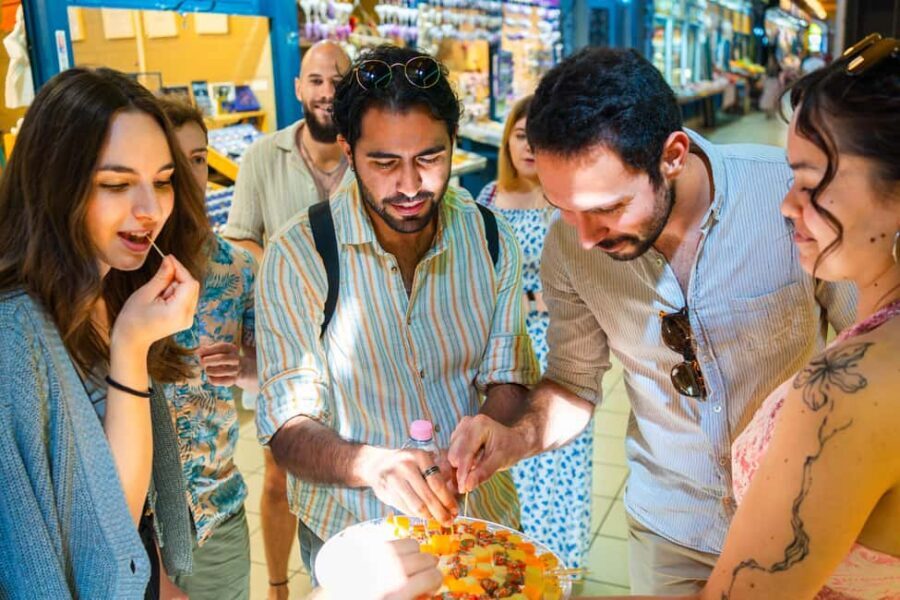
- Central Market Hall, not a drive-by: you’ll work your way through the main space with a guide and tastings at market stalls.
- Pálinka first: the tour starts with a traditional fruit brandy shot to set the Hungarian tone.
- Paprika gets context: you’ll learn why paprika matters to Hungarian identity, not just that it’s there.
- A real mix of textures: cured meats, cheeses, tangy pickles, and sweet pastries in one 90-minute loop.
- History told through food: you’ll hear how dishes evolved through empire, war, and communism.
- Skip-the-line convenience: there’s a separate entrance, so you spend less time waiting and more time tasting.
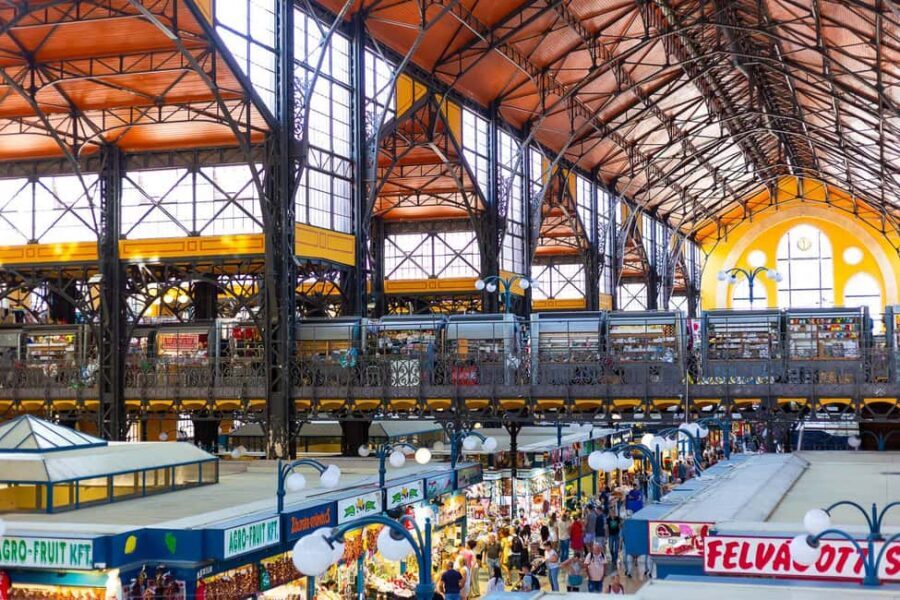
Central Market Hall: where Hungarian food culture starts

Central Market Hall in Budapest is one of those places where the setting already tells a story. The building, the stalls, the vendors calling out their goods—everything reinforces that food here isn’t just sustenance. It’s identity.
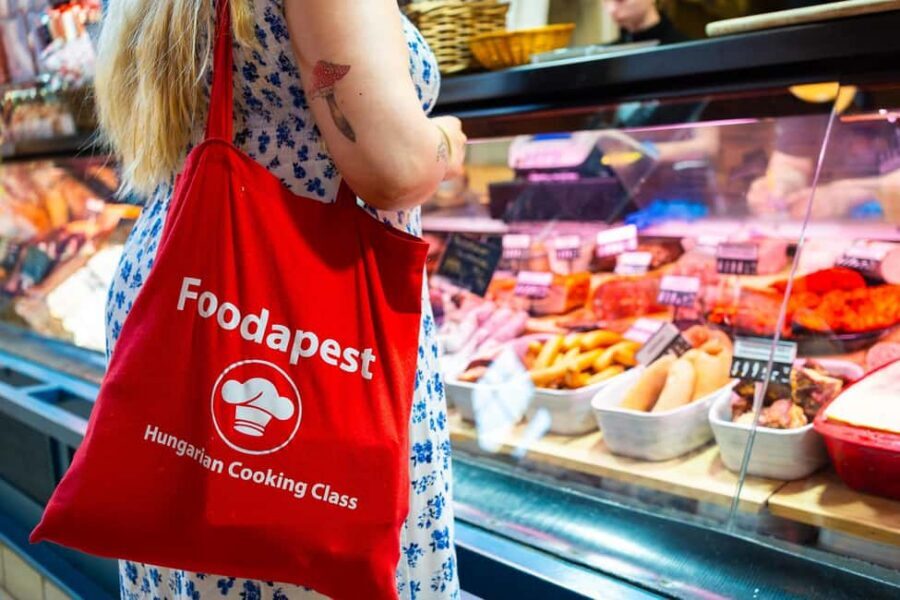
This tour meets at the Main Entrance of the Central Market Hall, outside and opposite Burger King. Look for the Red Foodapest bag. If you’ve ever shown up late to a food tour and then watched other people get the first rounds, you’ll appreciate that this one starts promptly. Arrive about 15 minutes early and you’ll get settled without stress.
The experience is designed to be relaxed. You’re not doing laps across the city. You’re doing one tight circuit inside the hall, so you can actually taste your way through the market rather than rushing between neighborhoods.
You can also read our reviews of more food & drink experiences in Budapest
Getting in fast: skip-the-line without missing the vibe
One practical win: the tour includes a separate entrance to skip the line, which helps a lot in a busy market hall. You avoid the bottleneck at the front doors and get into the flow sooner.
It’s also a straightforward setup once you arrive. You’ll have a live English-speaking guide with you throughout the tour. In recent tours, the guide George has been mentioned as warm, patient, and full of energy—exactly the kind of person who makes a crowded market feel manageable.
And yes, you’re going to want comfortable shoes. Central Market Hall is active underfoot, and you’ll be moving from one sampling spot to the next as you learn the stories behind what you’re tasting.
The first round: pálinka and the taste of Hungarian confidence
The tour kicks off with a welcome shot of pálinka, a traditional Hungarian fruit brandy. This isn’t an afterthought. It’s part of the cultural intro, like an opening note that tells you what kind of flavors and traditions you’re stepping into.
If you’re not a regular alcohol drinker, treat this as a tasting moment, not a commitment to power through it. Even a small sip can be enough to join in the ritual without feeling wrecked for the rest of the sampling.
From there, the tour builds momentum quickly. You’ll start with handcrafted sausages and spiced salamis, which makes sense: these are iconic Hungarian flavor anchors. They also prepare your palate for the next bites—salty, savory, and aromatic before you get tangy and sweet.
Paprika in real life: why this spice matters in Budapest
One of the smartest things this tour does is connect the flavors you recognize with the reasons they exist. You’ll hear how paprika shaped Hungarian identity and how it shows up in the way locals talk about food.
Paprika isn’t just a color or a spice jar label. It’s tied to how Hungarian cuisine developed over time, influenced by trade, regional farming, and the practical need for bold flavor. When you taste paprika-adjacent meats and seasonings during the tour, the explanation makes more sense than it would from a cookbook.
This is one of the moments where a good guide really helps. Instead of reciting facts, your guide ties paprika and cured flavors to what you’re holding in front of you. That connection is the difference between a food sampling and a food story.
Cured meats and salamis: sampling with a purpose
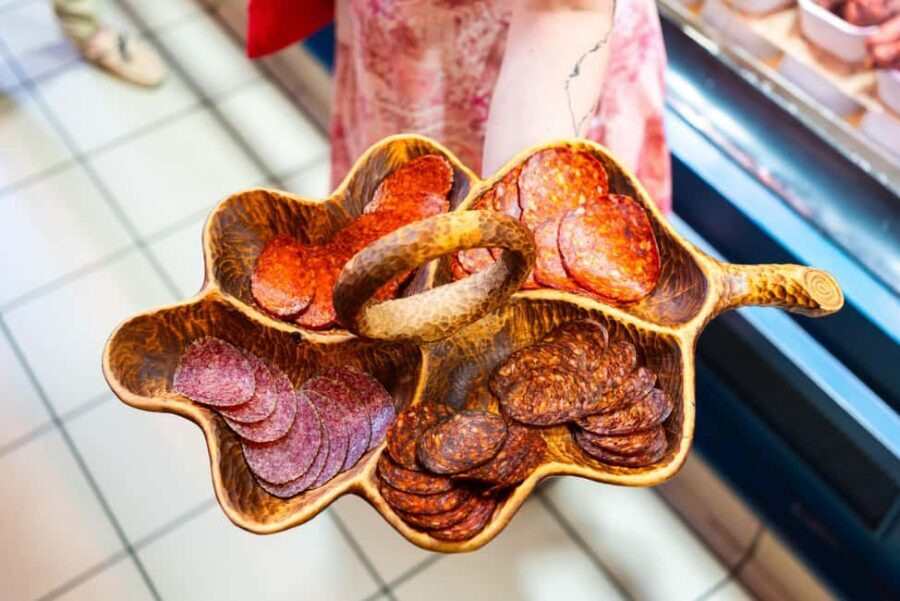
Expect several rounds of cured meat tasting, including sausages and spiced salamis. This isn’t one sad bite you half-remember. The tour includes a selection, and you’ll be tasting across different styles so you can pick up patterns—fat vs. lean texture, smoke vs. spice, and how saltiness shows up in different preparations.
A key advantage of this format is that it teaches you how to order intelligently later. If you know what kinds of cured meats you liked (for example, spicier salamis versus milder sausages), you’ll feel confident buying the right thing after the tour, not just whatever looks good.
It’s also a reminder that Hungarian food often balances deep savory flavor with sharp brightness—something you’ll notice as the tour shifts from meats into pickles and cheeses.
You can also read our reviews of more city tours in Budapest






Pickles and cheese: the tangy counterweight
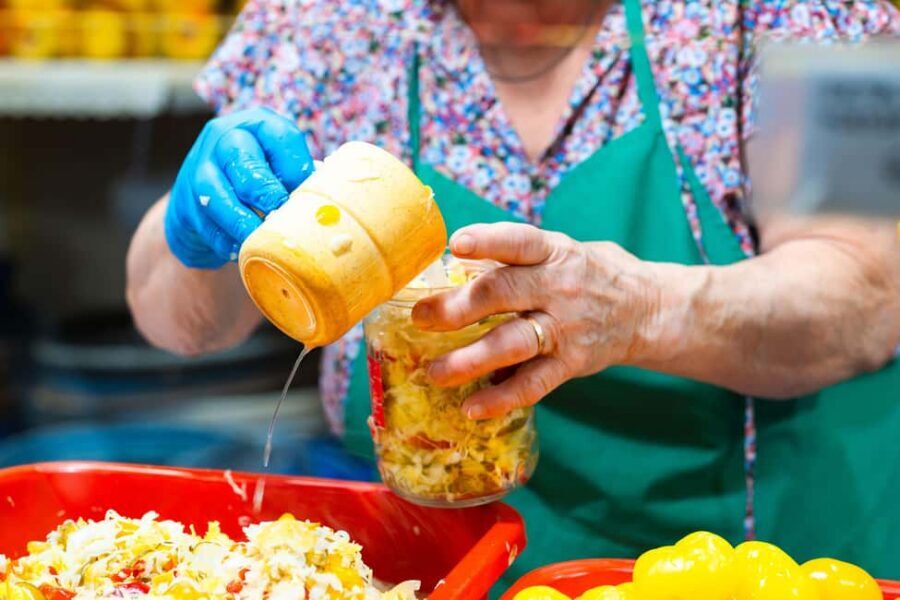
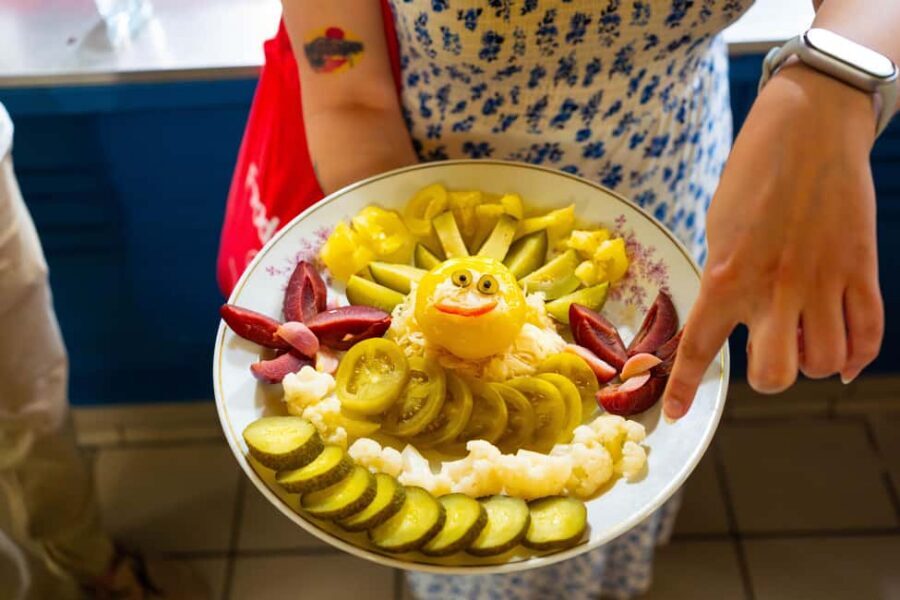
After the heavier, salty bites, the tour moves into pickles and regional cheeses. This is a smart palate reset. Pickles bring acidity and crunch, cutting through rich cured flavors and keeping your taste buds awake.
Then the cheeses add another layer: creamy texture, tang or mildness depending on what’s being served, and that satisfying contrast to the meats. Together, these samples explain something about Hungarian eating habits: it’s not just one flavor direction. It’s a structured mix—savory, sour, and sometimes sweet—so the meal never feels flat.
If you’re the type of traveler who wants a souvenir with a story, cheeses and pickles are often easier to bring back than some other foods. You’ll likely leave with a better idea of what to look for.
Sweet pastries: finishing with something you’ll actually want seconds of
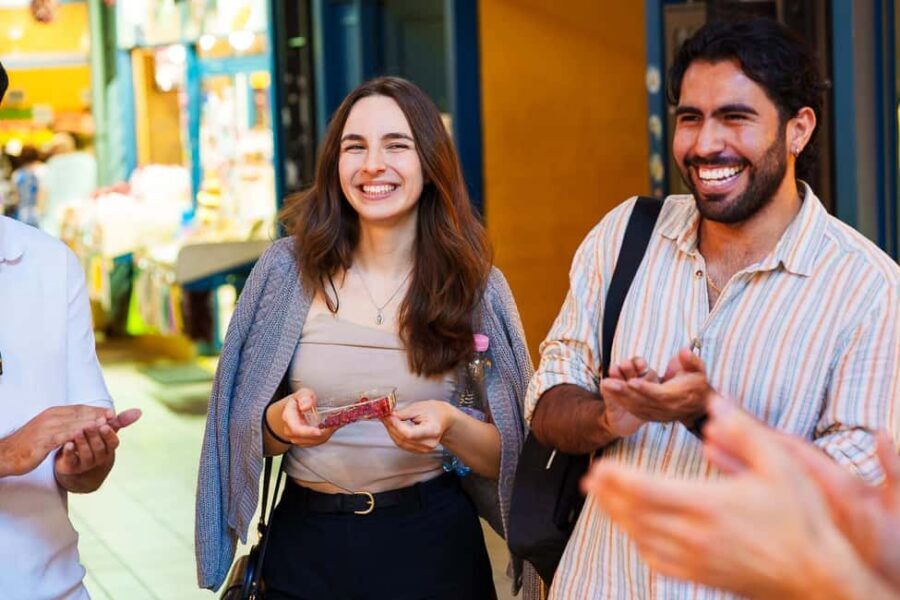
No food tour should end on only savory notes. Here, you’ll get sweet pastries tasting to wrap up the experience. This part matters because it rounds out the meal: salty meats and sharp pickles are fun, but the sweetness is what makes the whole circuit feel complete.
Pastry also helps you connect food to daily life in Hungary. It’s not only about celebratory dishes or big meals. It’s about everyday comfort, the kind of bite locals might grab on the way to work or after a market stroll.
If you’re pacing yourself, save room. It’s easy to eat fast early on, especially when everything smells amazing, and then realize you’ve run out of space for the best finish.
Meeting market vendors: how Hungarian identity is practiced, not just explained
One of the most human parts of this tour is the chance to meet local vendors. That matters because vendors don’t just sell food—they explain it in their own language, with their own priorities.
This is where you start hearing how the market plays a role in shaping Hungarian identity. People come to Central Market Hall for ingredients, yes, but also for continuity—staying connected to traditions that survived big changes.
The market setting helps you understand why the history discussion isn’t abstract. You’ll hear how Hungarian dishes evolved through empire, war, and communism into what you taste today. That’s a lot of historical weight for 90 minutes, but the format keeps it grounded: your guide ties the past to the flavors you’re sampling right now.
Why the history-food link feels real (and how you can use it)
Some food tours toss out trivia. This one uses history to explain flavor choices and cultural endurance.
Here’s what I found useful as you listen: you’ll start noticing how cuisines adapt without losing their backbone. Even when political and social systems shift, people still cook. They still cure meat, still pickle, still bake, and still use spices in familiar ways.
So when you leave the market with a new taste preference, it’s not random. It’s a mini education. You’ll understand why paprika isn’t just decoration, why cured meats are a cornerstone, and why tangy and sweet bites show up alongside savory ones.
And if you’re planning what to eat for the rest of your Budapest trip, this tour gives you a foundation. You’ll know which items to hunt for, which flavors you actually enjoy, and how to talk about them when ordering.
Price and value: is $34 worth your time?
At $34 per person for a 90-minute tour, you’re paying for more than food portions. You’re paying for:
- a guided, structured market experience (so you’re not guessing where to go)
- a curated tasting sequence (meats, pickles, cheeses, pastries)
- a cultural intro via pálinka and paprika context
- skip-the-line entry for smoother timing
If you’ve done Budapest food experiences that are mostly walking with a token snack, this feels better value because the tasting list is clearly substantial and varied. You’re also getting a guide who can turn what you taste into something you understand.
It’s not a budget deal in the sense of a cheap snack stop, but it’s a smart mid-range choice if you want your first day in Budapest to have context, not just calories.
What to bring, what to skip, and how to make the tastings work for you
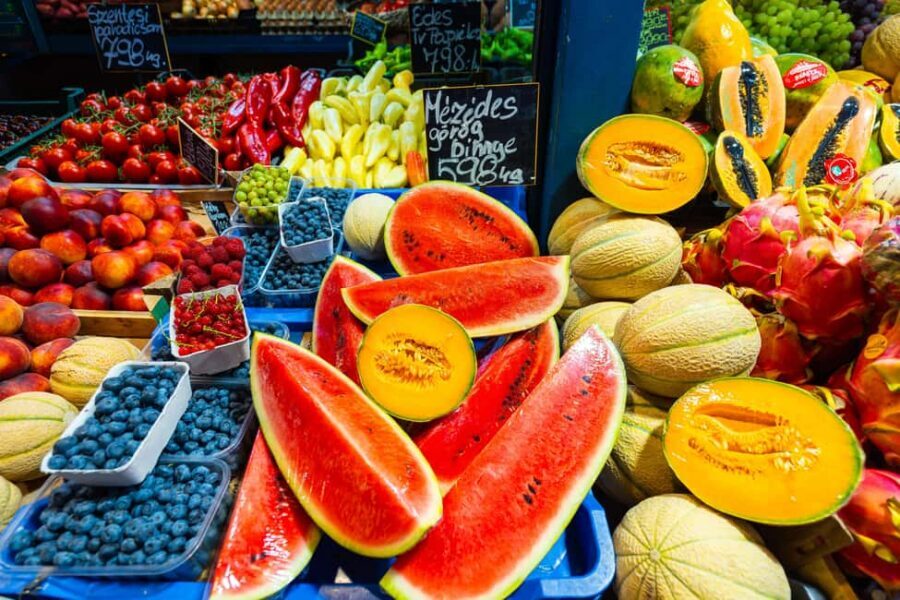
Pack like you’re going to a market, not a museum. Comfortable shoes matter because you’ll be standing and moving. Bring a camera if you like food photos (you’ll be near stalls and colorful displays). Bring water so you can keep your mouth fresh between bites.
A couple of important cautions from the tour details:
- Pets aren’t allowed
- Smoking isn’t allowed
- Not suitable for people with food allergies
- Not suitable for children under 10
Also, the tour is explicitly English with a live guide, so if you prefer explanations in plain language, you’re in the right place.
Vegetarian travelers do have an option, but you need to notify in advance. So don’t wait until the morning of the tour. Plan it.
Who this tour is best for
You’ll likely love this if:
- you want an early Budapest experience that feels connected to local life
- you enjoy tasting lots of different things in a short time
- you want context for Hungarian flavors like paprika, cured meats, and pálinka
- you like markets and don’t mind being in an active indoor space
You might want to choose something else if:
- you have food allergies or strong dietary restrictions beyond vegetarian needs
- you dislike cured meats or alcohol-based welcome tastings
- you’re traveling with very young kids (it’s not suitable under 10)
Final verdict: should you book this Central Market tasting?
Yes, I’d book it if you want a strong start in Budapest with minimal guessing. The mix of market access, skip-the-line entry, and a tasting menu that actually covers the range of Hungarian flavors makes it a practical “first-day” activity.
You’ll also get more out of it if you go hungry in a sensible way. If you’ve had a huge meal right before, the tastings can still be fun, but you’ll miss the chance to fully enjoy the contrast between savory meats, tangy pickles, creamy cheeses, and sweet pastries.
If you’re vegetarian, confirm your needs ahead of time and double-check that the tasting plan can work for you.
FAQ
How long is the Budapest Kickstart the City local market tasting tour?
The tour lasts 90 minutes.
Where do I meet for the tour?
Meet at the Main Entrance of the Central Market Hall, outside, opposite Burger King. Look for the Red Foodapest bag.
What does the tour include?
It includes a guided tour of the Central Market, a welcome shot of pálinka, tastings of handcrafted sausages and spiced salamis, cured meat, sweet pastries, pickles, and regional cheeses, plus the guide.
Is there a vegetarian option?
Yes. Vegetarian options are available, and you should notify in advance if required.
Is the tour suitable for children?
No, it’s not suitable for children under 10 years.
Can I join if I have food allergies?
No. It’s not suitable for people with food allergies.
What language is the tour guide?
The live guide is English.
Does it help with lines at the market?
Yes. You get skip-the-line access using a separate entrance.
Is the tour wheelchair accessible?
Yes, the tour is wheelchair accessible.
How much does it cost?
The price is $34 per person.