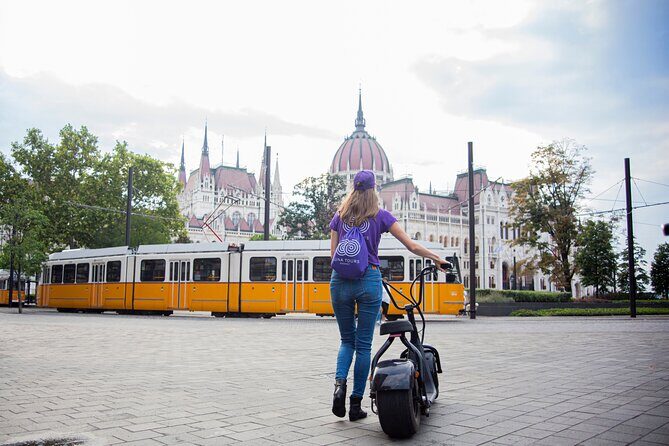
REVIEW · BUDAPEST
Budapest Highlights️ Live Guided Segway Tour
Book on Viator →Operated by Segway Tours Budapest by GetSegway™ · Bookable on Viator
Segways make Budapest feel like a move, not a slog. This live guided ride threads together the Castle Hill viewpoints, the Danube waterfront, and Pest’s grand landmarks with commentary along the way, so you get an instant feel for how the city fits together. I like how they start with real safety training and a supervised test-drive, and I also like that guides handle the pace so you stay together and can actually hear the stories (and ask questions) instead of just following a dot on a map.
Two standout guides from past groups, Beka and Ayman, are known for being patient with beginners and for keeping the tour conversational, not lecture-style. Ayman’s approach of steady pacing and careful prep for comfort is exactly what you want on a first Segway day. The one thing to consider: this is a stop-and-glance format, with lots of quick sightseeing breaks rather than long, in-depth time at any single building.
In This Review
- Key things to know before you roll
- Where the Tour Starts and Why the Safety Session Matters
- How Long You’ll Be Riding (and What That Means for Your Day)
- The Route: From Castle Views to Danube Memorials
- Castle District Training Ground: Museum of Military History to Fisherman’s Bastion
- Varhegy and the Gallery Stops: Quick Stops, Big Context
- Matthias Church and St. Stephen’s Basilica: Two Famous Icons, Two Different Moods
- Buda Castle and Citadella: Views That Explain Budapest’s Two-Level City
- The Danube Shift: From River Walks to Shoes on the Danube Bank
- Vaci Street to Bridge Crossings: The City’s Everyday Main Characters
- Gellert Hill Cave and Hospital in the Rock: A Side Trip Into Underground Stories
- The Funicular Mention: What’s Included vs Not Included
- More Pest Highlights: Squares, Monuments, Archives, and a Ferris Wheel View
- Quick Photo Stops: Why the Guide’s Camera Time Helps
- Who This Tour Suits Best (and Who Might Prefer Something Else)
- Value Check: Price, What’s Included, and How to Think About It
- The One Drawback to Plan Around: Short Stops and Route Clarity
- Booking Advice: How to Choose the Right Time and the Right Attitude
- Should You Book This Segway Tour of Budapest Highlights?
- FAQ
- FAQ
- What language is the tour offered in?
- Do I need to know how to ride a Segway?
- What’s included in the tour price?
- What is not included?
- How many people are in the group?
- Can I get a full refund if I change my plans?
Key things to know before you roll
- Beginner-friendly training with a supervised test-drive so you learn before you head out
- Helmet included, plus rain gear and gloves if weather calls for it
- Photo moments are part of the plan with guide photo shooting
- Small groups (max 20) help the ride feel controlled, not chaotic
- Many sights have admission marked free, but the Buda Hill Funicular ticket is not included
- You’ll end right back where you started, a nice finish after a loop-style route
Where the Tour Starts and Why the Safety Session Matters

The meeting point is Galamb u. 3, 1052 Hungary, at Segway Tours Budapest – by Euro Segway International. You begin with a supervised setup, then a test-drive/training so you get comfortable with balance and the controls before you join traffic-like sidewalks and busy viewpoints.
This part sounds simple, but it’s the difference between a fun ride and a stressful one. On a Segway, confidence comes fast when someone adjusts how you steer, how you stop, and how you keep your spacing. The guides you’ll be riding with are clearly used to first-timers too, and that comes through in how they take time to make sure everyone feels steady.
You can also read our reviews of more guided tours in Budapest



How Long You’ll Be Riding (and What That Means for Your Day)
The experience runs roughly 5 minutes to about 4 hours, but in practice you should think in terms of a multi-stop sightseeing loop with training up front. Some groups end up around the 90-minute to 2.5-hour range depending on pacing, photo stops, and group comfort.
Because there are many “quick look” stops, you’ll cover a lot of ground without burning your legs. That’s the main value: you can see big highlights across Budapest’s two halves (Buda and Pest) without spending your whole day climbing stairs, waiting in lines, or trying to route yourself between landmarks.
The Route: From Castle Views to Danube Memorials
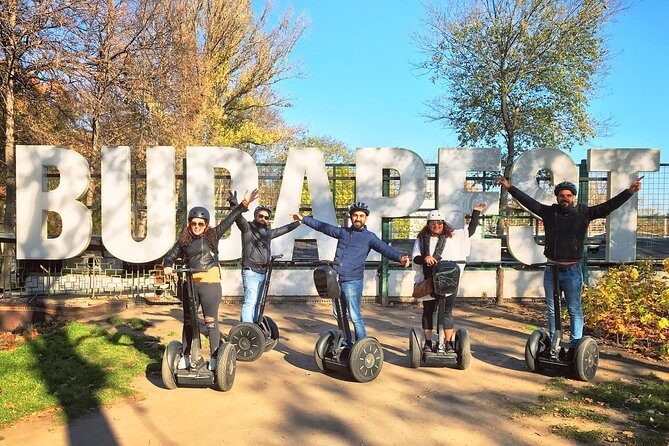
What makes this itinerary work is the flow. You start on the Buda side with dramatic hilltop sights, then drift through iconic bridges and down to the Danube’s most meaningful memorial area, and later swing into Pest for the city’s wide, classic “big square and monument” scenes.
Below is what you can expect, in ride order, with the practical take on each stop.
Castle District Training Ground: Museum of Military History to Fisherman’s Bastion
Right after the training, the first sightseeing stops set the tone. You’ll pass by the Museum of Military History for an easy exterior view and early context. Then it’s on to Fisherman’s Bastion, where the point is less about a deep museum visit and more about getting those postcard angles quickly.
This is one of those places where, even with short time, you can still get useful photos and a feel for the Castle Hill skyline. If you’re visiting Budapest for the first time, this stop helps you understand why everyone stacks their plans around the Buda views.
Varhegy and the Gallery Stops: Quick Stops, Big Context
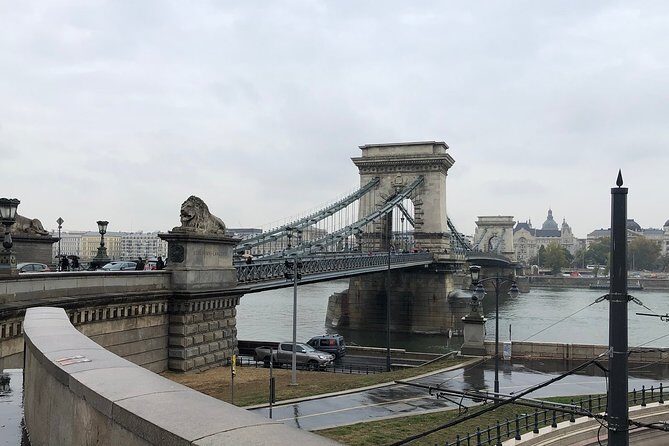
Next come hilltop and cultural stops like Varhegy (Castle walls) and the Hungarian National Gallery (Magyar Nemzeti Galeria). These are usually brief because the day’s built around moving. The benefit for you: your guide’s commentary gives you the “why it matters” piece without requiring you to commit to a long indoor block.
If you like to browse and read at your own speed, you can treat these moments like a preview. You’ll know what to return to later if something grabs you.






Matthias Church and St. Stephen’s Basilica: Two Famous Icons, Two Different Moods
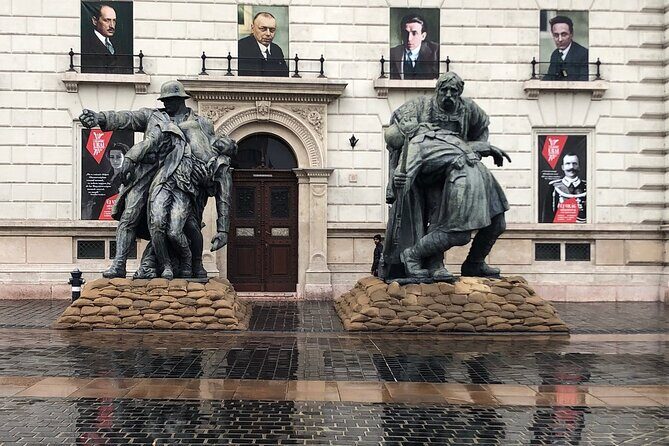
From the gallery area you reach Matthias Church, then later St. Stephen’s Basilica (Szent Istvan Bazilika). These stops are short, but they’re the kind of stops that help you orient fast. Matthias Church gives you a sense of the Castle District’s historic core, while St. Stephen’s Basilica is the big-Pest scale anchor that helps the rest of your trip click into place.
A nice side effect of guided Segway time: you’re not just seeing buildings. You’re seeing the relationships between them—how one district “leans” into another.
Buda Castle and Citadella: Views That Explain Budapest’s Two-Level City
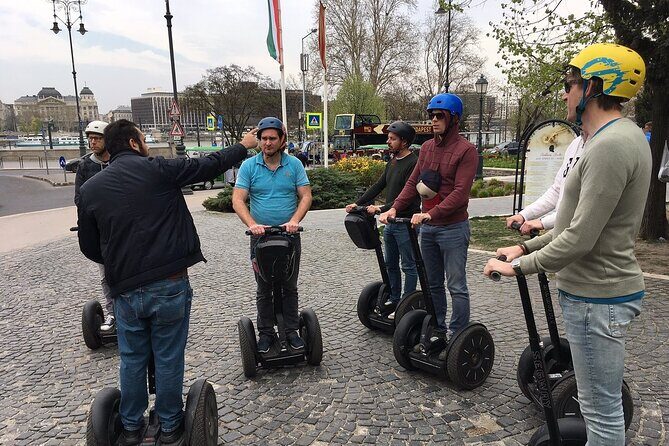
You’ll head toward Buda Castle, then on to Citadella. After that, Gellert Hill is next, along with the Statue of St. Stephen.
This is where the Segway really earns its keep. The city is hilly, and viewpoints are spread out. With a guided ride, you spend less time “traveling between” attractions and more time at the moment of the view—especially if you’re trying to see both the drama above and the river below.
The Danube Shift: From River Walks to Shoes on the Danube Bank
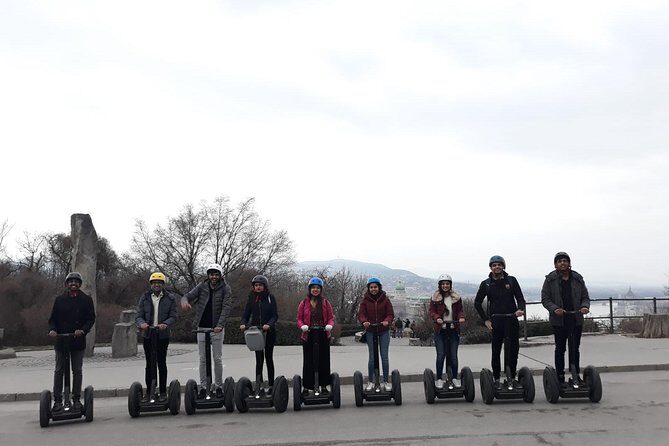
At Danube River, you get that classic Budapest mood—wide water and landmark silhouettes. Then comes one of the most poignant stops on the loop: Shoes on the Danube Bank, the memorial related to the Jewish victims of persecution.
This is a stop where time matters, even if your scheduled visit is short. If you’re the type who likes to pause and take it in, plan for a slower moment here. The point of a guided tour is not rushing through grief; it’s understanding the setting as you stand in it.
Vaci Street to Bridge Crossings: The City’s Everyday Main Characters
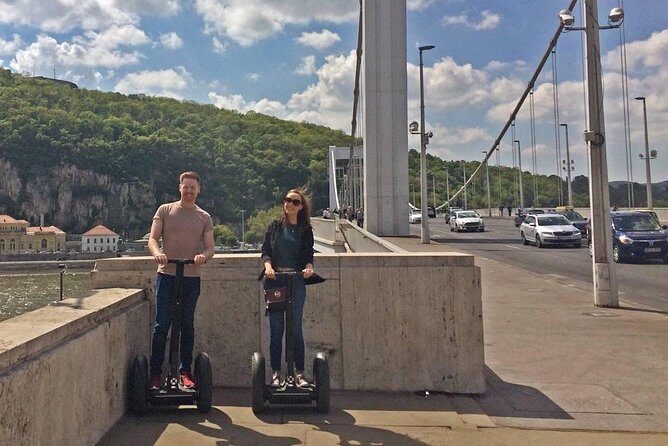
Then you roll into Vaci Street, a famous shopping and walking artery in Pest. Next is Erzsebet Bridge (Elisabeth Bridge), and this bridge crossing is useful because it’s a “you are moving with the city” moment.
Bridges are where you feel Budapest’s layout in your body. From on top of the ride, you see how Buda’s hills rise over the Danube and how Pest opens out below. That’s the kind of spatial understanding that makes the rest of your trip easier.
Gellert Hill Cave and Hospital in the Rock: A Side Trip Into Underground Stories
You’ll also stop at Gellert Hill Cave, then at Hospital in the Rock Nuclear Bunker Museum. These fit the tour’s “variety in a short window” style: you get a sense of what’s above ground and what was built beneath it.
If you’re curious about Cold War-era history, underground spaces, or survival shelters, these stops are strong pointers for where you might want a longer, paid museum visit later. Even if you only get exterior time or a brief stop, the guide can point you toward what to focus on.
The Funicular Mention: What’s Included vs Not Included
You’ll pass by the Buda Hill Funicular area, but the funicular ticket is not included. If you want that specific ride experience, treat it as an optional add-on. The Segway tour can still give you the Castle District overview without it, but you’ll need to buy the funicular separately if you want to include it.
More Pest Highlights: Squares, Monuments, Archives, and a Ferris Wheel View
As the route continues through Pest, you’ll see a cluster of civic and monument stops like:
- Garden of Philosophy (Gardens of Gellert)
- Fountain of King Matthias
- Statue of Queen Elizabeth (Erzsebet)
- Liberty Statue
- National Archives of Hungary
- Soviet Heroic Memorial
- Trinity Square
- Ferris Wheel of Budapest
Because these are spread across short stops, you won’t get a long “sit and read” experience. What you do get is a fast map of the city’s visual language: who is commemorated, where major symbols sit, and how public spaces are organized. If you like planning your next day with fewer guesswork moments, this section is a big win.
Quick Photo Stops: Why the Guide’s Camera Time Helps
A big included perk is photo shooting by your guide. This matters more than it sounds. When you’re riding a Segway, you can’t easily keep one hand on your phone while steering, and you definitely can’t ask strangers to snap “one more” angle.
Guides are also reported to help with pacing for photos, like making time at iconic spots such as Fisherman’s Bastion. You end up with usable pictures without turning your tour into a solo photo marathon.
Who This Tour Suits Best (and Who Might Prefer Something Else)
This is a great fit if you want to:
- cover a lot of high-priority sights quickly
- avoid the tired feeling of doing Budapest on foot for hours
- start your trip with a clear visual orientation
- enjoy guided history in short, moving segments
It may not be ideal if you want long museum time or you hate outdoor riding when weather is cold or wet. They do provide raincoats and gloves if needed, but it’s still an outdoor activity.
For families, there’s also a mention of a trolley for small kids operated by the tour guide. That suggests they plan for mixed-age groups with some extra practicality.
Value Check: Price, What’s Included, and How to Think About It
The price shown is $3.62 per person, which is strikingly low for a guided Segway experience. Even if you treat it as a promotional or variable rate, the key value logic holds: you’re paying for a trained setup, guided routing, helmets, and multiple guided stops across major landmarks.
On top of that, many stops are marked with admission tickets free in the experience details, which can help offset costs compared to doing the same sites separately. The one clear “not included” item is the Buda Hill Funicular ticket, and tips for your guide are optional.
If you’re trying to compare “cost per hour of guided time plus transport plus entry fees,” this is one of the more efficient ways to spend part of a trip day.
The One Drawback to Plan Around: Short Stops and Route Clarity
The most important consideration is also the most common trade-off with big highlight tours: you’ll get lots of scenes, but not lots of time in each one. Many stops are brief, so you should treat it as an overview. If you fall in love with a specific place (churches, museums, viewpoint areas), plan to return later with more time.
Also, route length can feel different in real life depending on pace, comfort level, and how many photo breaks you take. The guides do keep a steady rhythm, but you should still expect that your “highlights list” will feel more like a loop than like a deep museum itinerary.
Booking Advice: How to Choose the Right Time and the Right Attitude
If you can pick your start time, aim for the part of the day when you’ll be most comfortable riding outdoors. Castle Hill viewpoints can be breezy, and weather can change your experience quickly. The tour provides rain protection and gloves, but warm layers help.
Bring yourself with a beginner mindset. Even first-time riders learn fast when the guide teaches in the right order: control, comfort, then confidence. Guides like Beka and Ayman are repeatedly associated with patience and a calm pace, which is exactly what you want if your feet feel wobbly at first.
Should You Book This Segway Tour of Budapest Highlights?
Book it if you want a fast, fun introduction that connects Budapest’s big visuals: Castle District views, the Danube memorial moment, and Pest’s major squares and monuments—all with less leg work than walking. It’s especially worth it if you’re traveling with mixed ages or you want an active day that still feels organized.
Skip it (or pair it with other plans) if you’re the kind of traveler who wants long indoor time at each museum or you prefer to linger for an hour+ in one neighborhood. This is about movement, photos, and orientation.
FAQ
FAQ
What language is the tour offered in?
In the group option, the tour is offered in English. For other languages, you can choose a private tour.
Do I need to know how to ride a Segway?
No. The experience includes guided safety training and a supervised test-drive before you start the sightseeing portion, and most travelers can participate.
What’s included in the tour price?
Included items include helmet use, guided safety training with a supervised test-drive, photo shooting by your guide, and raincoats and gloves if needed.
What is not included?
Gratuities for your guide are optional, and the Buda Hill Funicular ticket is not included.
How many people are in the group?
This activity has a maximum of 20 travelers.
Can I get a full refund if I change my plans?
Yes. You can cancel up to 24 hours in advance for a full refund. If you cancel less than 24 hours before the start time, the amount you paid is not refunded.