REVIEW · BUDAPEST
Budapest: Communist History Tour with House of Terror Option
Book on GetYourGuide →Operated by Tourist Angel · Bookable on GetYourGuide
One street corner can teach more than a whole book. This 2-hour Communist past tour pairs a sharp, guided city walk with a choice between the Budapest Retro Center or the House of Terror. I like that the route is tight and meaningful, and I really appreciate how the guides connect the Soviet years to what you see in Budapest today. The only drawback: the House of Terror option gets heavy, so it’s not for anyone who wants an easy-going afternoon.
The tour is built around a small group (up to 10) and an English-speaking, live guide. I also like that you start at major landmarks—Hungarian Parliament, Liberty Square, and places tied to Cardinal Mindszenty—so you don’t feel lost in the history. If you’re short on walking stamina, you’ll want to plan for a steady pace and bring what you need.
In This Review
- Key reasons this tour works (and who it’s best for)
- A 2-hour Communist-era walk that starts at power: Parliament to Liberty Square
- The Cold War stuff you actually remember: nuclear bunker vents and 1956 sites
- Option choice time: Budapest Retro Center vs House of Terror
- Morning option: Budapest Retro Center guided visit
- Afternoon option: House of Terror with self-guided or guided add-on
- Inside the House of Terror: from WWII to 1989 in a guided route
- Budapest Retro Center: how to balance grief with context
- How the guides make or break it: small group energy in plain language
- Price and value: what $58 actually covers
- Who this tour is for (and who should consider a different plan)
- Practical tips so the experience lands well
- Should you book this Communist History Tour?
- FAQ
- How long is the tour?
- Is the tour available in English?
- What options are available after the initial walking tour?
- What museum entry is included?
- What size is the group?
- Where do we meet for the tour?
- Do I need to pick up museum tickets at a ticket office?
- Does the tour include a skip-the-line benefit?
- Can I get a refund if my plans change?
- Is the tour guided by museum staff?
Key reasons this tour works (and who it’s best for)
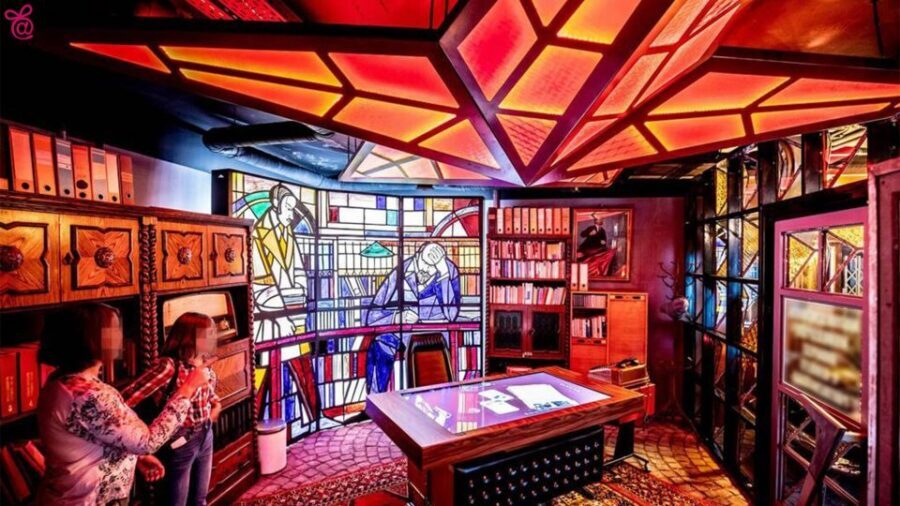
- Central Budapest landmarks make the Communist era concrete, starting at the Hungarian Parliament and moving through Soviet-era memory sites.
- You get a real museum add-on, either a guided 1-hour visit at Budapest Retro Center or House of Terror time on your own or with a guide.
- Cold War details aren’t treated like trivia, from anti-Soviet 1956 sites to ventilation channels linked to a secret underground nuclear bunker.
- Small-group touring keeps questions flowing, and I’ve seen guides adjust pace for walking aids and emotional moments.
- Guides bring personal perspective, with named guides like Alexandra, Flora, Kati, and Beata earning standout mentions for clarity and care.
A 2-hour Communist-era walk that starts at power: Parliament to Liberty Square
This tour is short on paper, but it hits a lot of important geography. You meet your guide (the exact meeting point can vary by option), then begin a Communism-themed walk across central Budapest. It’s designed so your bearings click fast: you’re not just learning dates, you’re matching them to what’s still standing.
The walk starts at the Hungarian Parliament, and that’s a smart move. The building is dramatic, but the point here is what the Communist period did to public life and memory. From there, you move toward monuments tied to Soviet occupation and dictatorship—places that explain why Budapest’s “normal” streets also carry political weight.
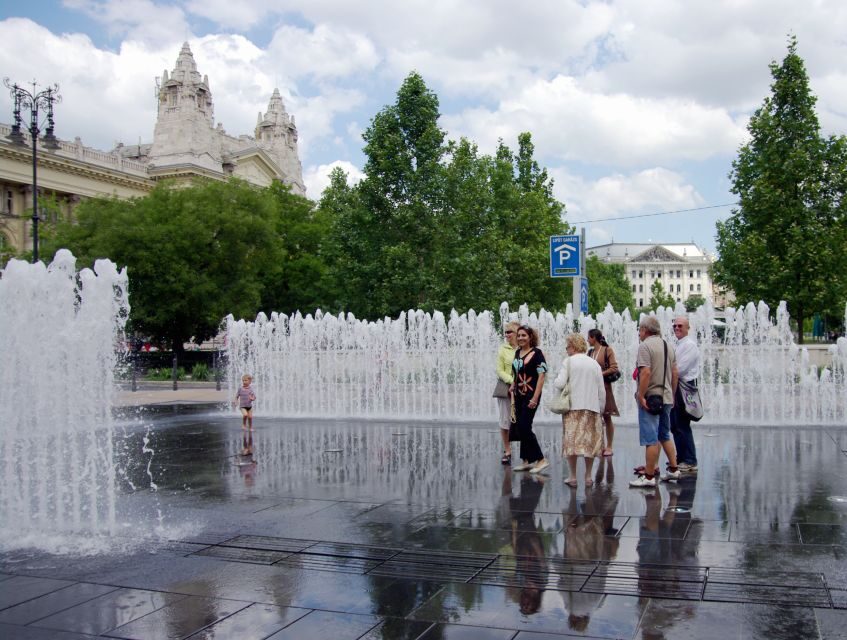
Next comes Liberty Square. Here you’ll see the Soviet Liberation Memorial, described as the last Communist monument in the city still in its original place. That detail matters. It’s one thing to read about the past; it’s another to stand where political narratives were physically installed and kept.
From Liberty Square, the tour keeps you in the visual story. You’ll see the famous windows of Budapest tied to Cardinal Mindszenty, the Catholic Church leader who spent years in exile. Even if you don’t know his history already, the guide helps connect why a religious exile became part of the political landscape.
You can also read our reviews of more historical tours in Budapest



The Cold War stuff you actually remember: nuclear bunker vents and 1956 sites
One reason this tour earns such high scores is that it doesn’t treat the Cold War like background noise. It gives you specific, physical details—so your brain stores the facts as images.
You’ll hear about the ventilation channels of a secret underground nuclear bunker built during the Cold War years. That’s the kind of detail that’s easy to skip in a regular museum visit, but it lands well when you’re standing in the city. It also helps you understand how the Communist system wasn’t just about ideology. It was about secrecy, fear, and control.
Then you shift to Hungary’s anti-Soviet resistance. The route includes sites connected to the 1956 revolution. This is where the tour’s emotional tone starts to sharpen. Hungary’s 1956 uprising is one of those moments you’ll see referenced across Europe, but the guide’s job is to show you how it played out locally—and what happened after.
And here’s the subtle value: you’re building a timeline that links the public monuments to the private costs. The tour wording hints at unspoken truths about how older Hungarians experienced the system. In practice, your guide does it by explaining how daily life shaped long-term memory.
Option choice time: Budapest Retro Center vs House of Terror
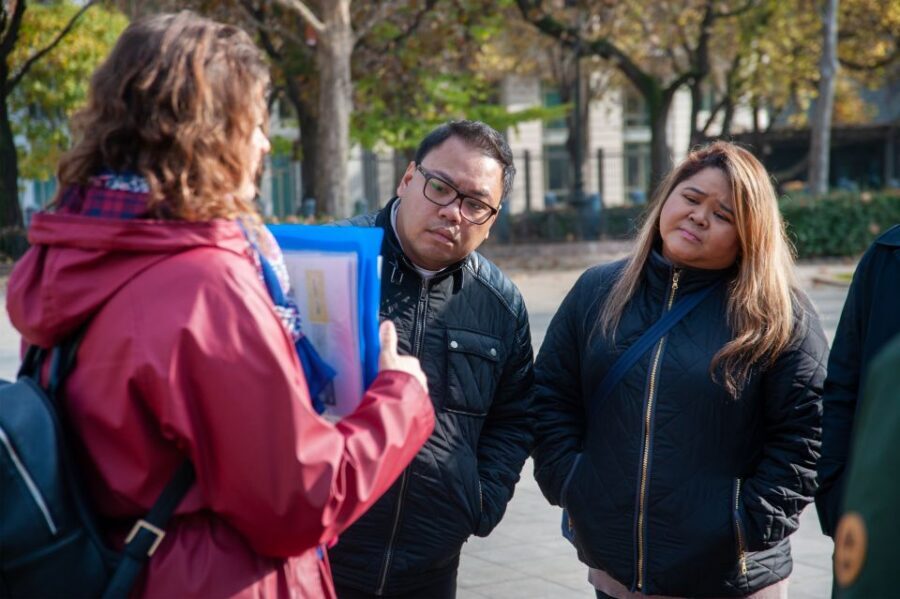
Here’s the practical structure: the morning and afternoon walking tours share the same first part. After that, you choose your add-on.
Morning option: Budapest Retro Center guided visit
If you pick the morning walking tour, you get invited to a 1-hour guided visit to the Budapest Retro Center. This is the “lighter” counterweight to the walk. It’s not denying history; it’s showing what everyday life looked like between the big events.
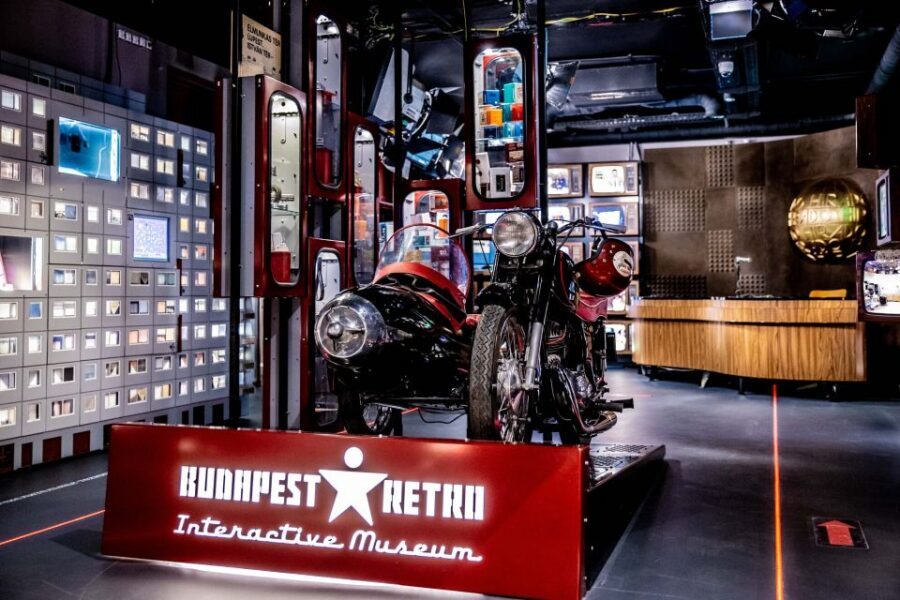
The Retro Center is built as a hands-on collection from the 1960–1980 period. You’ll see street views and typical vehicles from the era, plus astronaut-related items tied to the Soviet-Hungarian space flight. You also get real interior home designs and thousands of objects—enough stuff to help you understand how ordinary people lived under a system shaped by propaganda and limited choices.
The exhibition is spread across 3 floors and is set up in a fun, interactive way. Dress-up is part of the experience. You can dress as a Communist comrade, or try being a TV news presenter from the time—silly on the surface, but it can make the messaging style feel real.
Afternoon option: House of Terror with self-guided or guided add-on
If you pick the afternoon walking tour, you can add the House of Terror Museum ticket in two ways.
One option is to get an additional ticket and visit the House of Terror on your own. The other is to book the guided tour inside the museum.
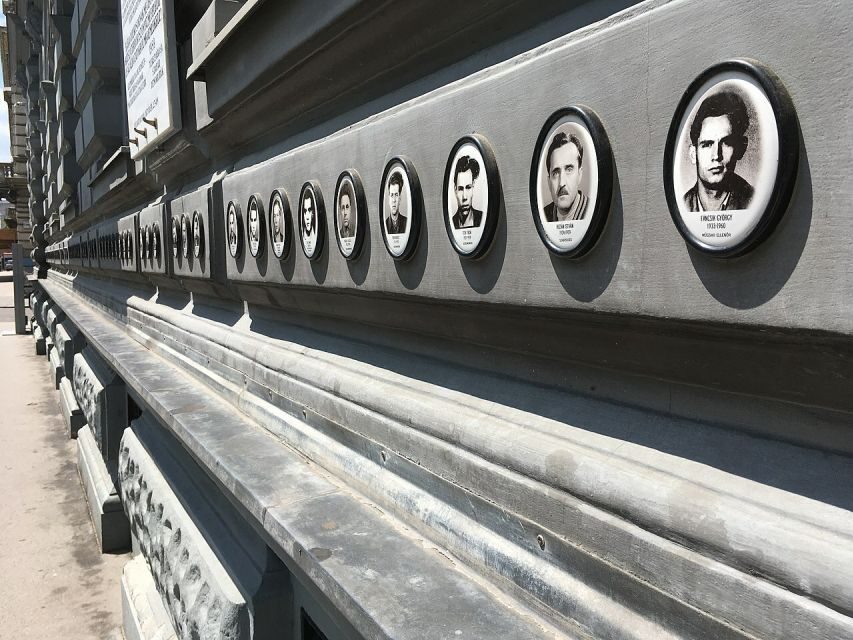
Either way, you’ll connect what you learned on the street walk to the interior story. The House of Terror focuses on the former seat of the AVO State Protection Police—the local version of the Soviet KGB. That name matters because it signals how Communist repression worked through local enforcement, not only far-away Soviet orders.
In the museum experience, you see how Hungary’s WWII-to-Nazi rule phase fits into the later Soviet Communist occupation story. You’ll also learn how the museum traces the 1950s life and economy, then moves into interrogation and torture cells.
This is the option for people who want the hardest facts up close—and who can handle a heavy setting.






Inside the House of Terror: from WWII to 1989 in a guided route
If you choose the museum’s guided option, your guide takes you through a chronological path. That makes a difference because the House of Terror is intense and can feel like a lot of separate rooms if you’re reading everything alone.
The guided route covers WWII through Nazi rule to Soviet Communist occupation. Then it steps into 1950s life and the machinery of terror: interrogation and torture cells, the office room of the dreaded director, and the personal stories tied to mass deportations, labor camps, and political trials.
You’ll also see how the 1956 revolution gets treated in the narrative, including its consequences. Finally, the story moves toward the end of Communism in 1989, which gives the museum a finish line rather than stopping at devastation.
What I like about the guided approach is simple: you’re less likely to leave with random facts and more likely to leave with a clear cause-and-effect story. And since the tour is offered with an English live guide, you can ask direct questions rather than guessing at details on wall text.
One more note from the broader experience quality: many guides are praised for clarity and compassion when topics hit emotionally. In real life, that matters. The House of Terror can bring up family connections and hard memories, and a guide’s pacing can make or break your experience.
Budapest Retro Center: how to balance grief with context
The Retro Center choice feels almost like a switch in genres. You go from monuments and underground Cold War infrastructure to a museum full of objects you might recognize: vehicles, street scenes, domestic interiors, and pop-culture style historical material.
But don’t dismiss it as just fun. This museum helps you understand how Communist life worked on a daily level—how people absorbed propaganda, adapted to scarcity, and found normal routines even in restrictive systems.
Seeing items from 1960–1980 helps you place Communist rule not only as an era of prisons and secret police, but as an era that shaped consumer goods, media, and even the look and feel of home.
If your goal is “why did it last?” this kind of visit adds an answer. Not a comforting one, but a useful one. Systems last when they control both fear and everyday life.
How the guides make or break it: small group energy in plain language
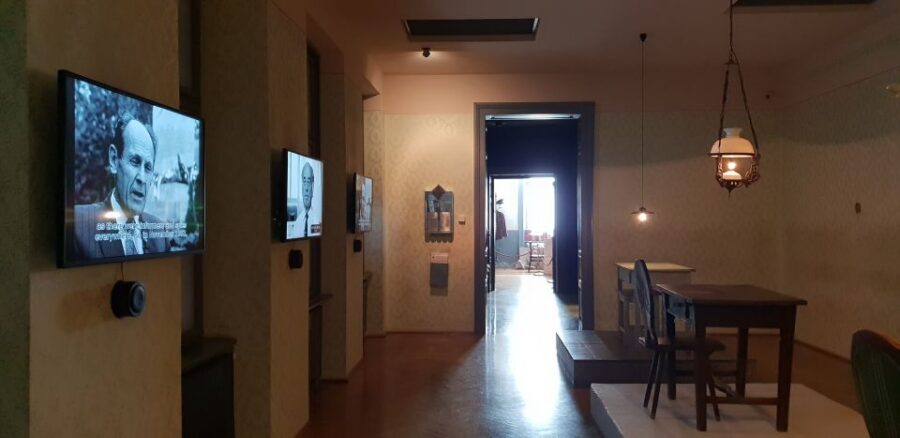
A tour like this lives or dies by the guide. The standout pattern in the feedback is strong: guides are friendly, enthusiastic, and able to keep a steady pace. The group is limited to 10 participants, and that size usually means more questions and less waiting.
I also love the way some guides handle real needs. One named guide, Alexandra, was specifically noted as mindful when people used walking aids, pausing speech so everyone could keep up. Another guide, Flora, was praised for compassion and patience with questions, especially when emotional reactions came up during the Terror Háza experience.
Names that come up repeatedly include Alexandra, Flora, Beata, Be a / Bea (spelled various ways in feedback), Kati, Noémi, Naomi, Veronika, and Adam. The takeaway isn’t that you’ll get the same person every time. It’s that the program clearly prioritizes guides who can explain difficult material clearly, then manage the human side of it.
A small-group format also helps if you’re the type who likes to stop for photos, ask about a family connection, or just confirm you’re tracking the timeline.
Price and value: what $58 actually covers
At $58 per person for a 2-hour experience, the value comes from the combination of guided street history plus an included museum entry.
You’re not just paying for a lecture. You’re paying for:
- a professional tour guide
- the Communist-themed walking portion (with the specific route details)
- and entry to either Budapest Retro Center or the House of Terror, depending on the option you select
Add to that the fact that the tour includes skip-the-ticket-line and that you receive your ticket from the guide rather than dealing with ticket offices. That saves time and reduces the hassle when you’re trying to keep momentum on a short, timed plan.
The included museum time is where you feel the money makes sense. If you’re choosing House of Terror, the guide-led approach helps you “read” the museum in a way you likely won’t do alone. If you’re choosing Retro Center, the guided 1-hour element turns it from object browsing into a guided interpretation of the era’s everyday messaging.
Who this tour is for (and who should consider a different plan)
This tour is ideal if you want more than surface-level Budapest.
Pick it if:
- you care about 20th-century European history
- you want the story connected to real city spaces, not just a museum building
- you like small-group tours with time to ask questions
- you want either the sobering truth of House of Terror or a contrast experience via Budapest Retro Center
Consider a different plan if:
- you’re sensitive to violent, oppressive historical content. House of Terror includes interrogation and torture cells, deportations, labor camps, and political trials.
- you can’t manage moderate walking in central Budapest. The tour is short, but it’s still a city walk with several stops.
Also, if you’re traveling with mixed interests—history lovers plus people who need a break—the morning Retro Center option may be your best compromise.
Practical tips so the experience lands well
A tour with this content benefits from small preparation.
Wear shoes you’re comfortable walking in. The route is central and dense with stops, and you’ll want your legs to stay fresh.
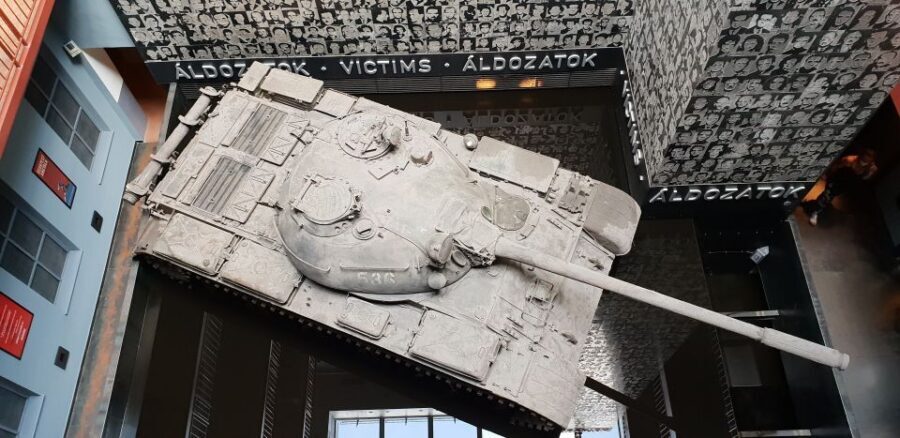
If you pick House of Terror, give yourself emotional space. This isn’t a quick photo stop. Even with a guide, it’s the kind of museum where you might need a moment here and there.
If you pick Retro Center, keep an open mind. It can feel playful, with dressing-up and TV presenter games. But it’s still presenting life under a system, and the best results come when you treat the fun as a way to spot how propaganda and daily routines intersect.
Lastly, remember that the tour guide is not an employee of the museum. That’s usually fine, but it helps you understand that the experience is designed around the tour’s narrative flow, not the museum’s standard script.
Should you book this Communist History Tour?
If you’re trying to choose between “seeing Budapest” and “understanding Budapest,” this tour leans hard toward understanding. The combination of a tight Parliament-to-Liberty-Square walk plus a museum add-on is efficient. In a short trip, it’s one of the more direct ways to connect Budapest’s monuments to the systems that created them.
Book it if you want:
- a guided city route with concrete Cold War details
- a museum experience that comes with context, not just wall text
- a small-group format where guides like Alexandra, Flora, and Kati (among others) can keep the story clear and human
Don’t book it if you’re looking for light sightseeing only. The House of Terror option is intense. But if you can handle the topic, this is a rare chance to see Budapest’s Communist era through both street-level memory and museum-level evidence—without turning it into a dry lecture.
FAQ
How long is the tour?
The tour lasts 2 hours.
Is the tour available in English?
Yes, the live tour guide offers English.
What options are available after the initial walking tour?
After the shared walking portion, you can choose either a Budapest Retro Center visit (morning option) or add the House of Terror Museum ticket (afternoon option), either self-guided or with a guided museum tour.
What museum entry is included?
Your entry ticket is included to either the Budapest Retro Center or the House of Terror Museum, depending on the option you book.
What size is the group?
The group is small, limited to up to 10 participants.
Where do we meet for the tour?
The meeting point may vary depending on the option booked.
Do I need to pick up museum tickets at a ticket office?
No. You will receive your ticket from your tour guide, and you’re advised not to look for it at the ticket office.
Does the tour include a skip-the-line benefit?
Yes, skip the ticket line is included.
Can I get a refund if my plans change?
Yes, free cancellation is offered up to 24 hours in advance for a full refund.
Is the tour guided by museum staff?
No. The tour guide is an autonomous professional and not an employee of the museum.